#pharmacy-closures
#pharmacy-closures
[ follow ]

Intellectual property law
fromIPWatchdog.com | Patents & Intellectual Property Law
4 years agoMossoff Policy Memo for Hudson Institute Calls for Transparency from I-MAK on Data Used in Drug Pricing Debate
Discrepancies exist between patent data reported by I-MAK and official sources, raising concerns about the reliability of data in pharmaceutical patent debates.
fromAxios
2 weeks agoUSPS warning raises stakes for mail-order prescriptions, higher postage prices
The mail will stop if the agency can't meet its obligations. That includes critical deliveries like prescription drug packages. Postmaster General David Steiner warned lawmakers this week that USPS could run out of cash in less than 12 months without congressional action.
Media industry


fromTruthout
3 weeks agoStates Tighten HIV Drug Assistance, Raising Access Concerns
Congress has kept key drug assistance funding at $900.3 million annually since 2014. New enrollments for state programs jumped 30% from 2022 to 2024, in part because states cut off pandemic-era Medicaid assistance. As of January, at least 18 states have pulled back their Ryan White AIDS Drug Assistance Programs, known as ADAPs, in some way.
NYC LGBT
Intellectual property law
fromIPWatchdog.com | Patents & Intellectual Property Law
1 week agoU.S. Government Says SCOTUS Should Skip Pharma Companies' Challenge to Medicare Negotiation Program
The Medicare Drug Price Negotiation Program does not constitute a physical taking under the Takings Clause, allowing companies to retain property rights.




Public health
fromSan Jose Spotlight
3 weeks agoSanta Clara County studies impact of possible rural hospital closure - San Jose Spotlight
Hazel Hawkins Memorial Hospital closure would significantly strain Santa Clara County's healthcare system, potentially increasing emergency department visits at St. Louise Regional Hospital to 2.4 times the county average.
fromFortune
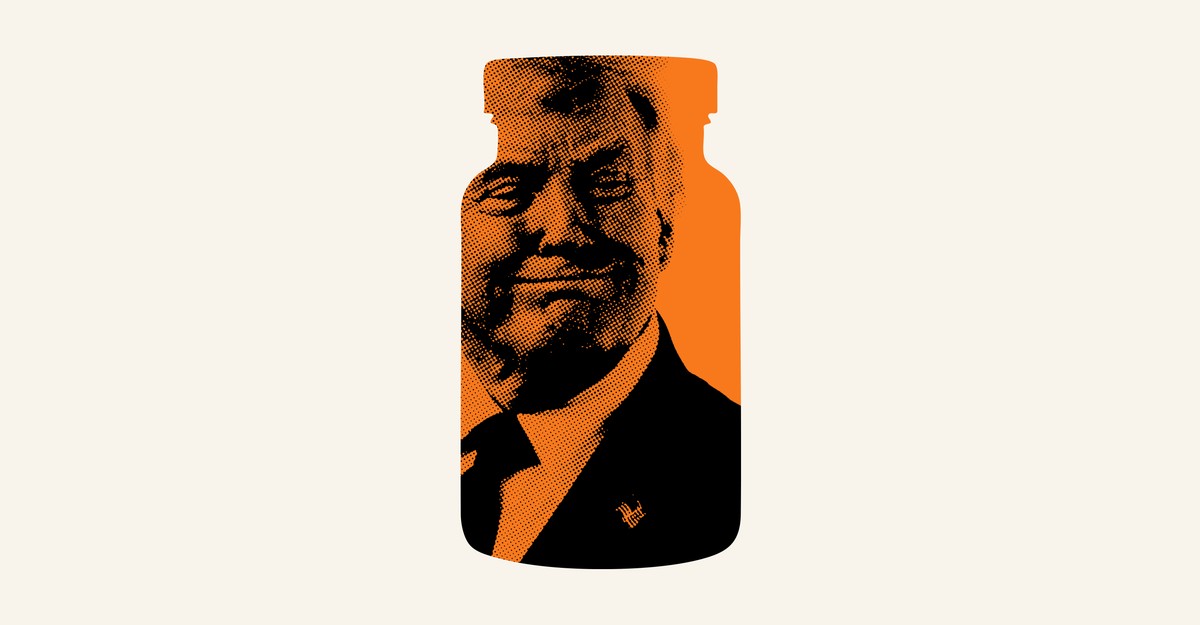
1 month agoTrump promised lower drug prices. Here's how Congress virtually guaranteed the opposite | Fortune
Pharmacy benefit managers (PBMs) are opaque intermediaries-and they are unpopular with figures including Mark Cuban, who told Fortune that the way they bargain over drug prices is absurd, something that would never happen at the very same pharmacies buying a package of Pringles potato-chip products.
US politics
fromwww.theguardian.com
5 days agoSome medicines could run out in weeks or even days, NHS England head warns
Jim Mackey stated, 'We are really worried about this. We've already had a couple of supply shocks in the last 12 to 18 months of key supplies.' He emphasized the importance of contingency planning due to the UK's reliance on imported medicines.
Healthcare
Miscellaneous
fromFast Company
1 month agoRural health's $50 billion tech transformation: Too fast to last
CMS's $50 billion Rural Health Transformation Program faces implementation challenges as states rush to deploy solutions without adequate understanding of rural community needs, risking wasted funds and unintended consequences.
Alternative medicine
fromNatural Health News
3 months agoTrump administration secures historic Medicare drug price cuts, challenging Big Pharma's grip
Medicare negotiated 44% price cuts on 15 expensive drugs, projecting $12 billion in savings and establishing the first federal government direct drug price negotiation under the 2022 Inflation Reduction Act.
fromLos Angeles Times
1 month agoThere were 13 full-service public health clinics in L.A. County. Now there are 6
Because of budget cuts, the Los Angeles County Department of Public Health has ended clinical services at seven of its public health clinic sites. As of Feb. 27, the county is no longer providing services such as vaccinations, sexually transmitted infection testing and treatment, or tuberculosis diagnosis and specialty TB care at the affected locations, according to county officials and a department fact sheet.
Public health
Public health
fromLGBTQ Nation
1 month ago17 states consider cutting assistance for HIV meds as prices increase - LGBTQ Nation
Seventeen states and D.C. have cut AIDS Drug Assistance Program costs while federal funding stagnates, threatening medication access for low-income HIV patients and risking public health crises.
fromThe Nation
1 month agoThe Red State-Blue State Healthcare Divide Is Dangerous for Everyone
In light of the systemic dismantling of America's public health agencies, these moves essentially create a shadow infrastructure to maintain some of what is being lost. While this is a promising development, it does nothing to stop a troubling trend that has been emerging for some time: The country is quickly becoming fragmented along partisan lines when it comes to public health.
Public health
fromwww.cbc.ca
2 months agoProvince on track to connect all Ontarians to primary care provider by 2029: health minister | CBC News
Health Minister Sylvia Jones says about 275,000 people have been attached to primary care so far in the first year of the government's plan. More than half of that progress is due to moving people off the Health Care Connect wait list.
Canada news
Healthcare
fromSlate Magazine
2 weeks agoSomething Nefarious Is Quietly Taking Over Your Neighborhood Doctor's Office
Private equity firms have rapidly expanded ownership of medical practices from 816 in 2012 to 5,779 by 2021, prioritizing high-volume specialty fields while often extracting cash at the expense of local communities.
#hospital-closure
Healthcare
fromGothamist
1 month agoJersey City is losing 1 of its 2 emergency rooms. Where will patients in crisis go?
Jersey City's Heights University Hospital will close its emergency room on March 14, reducing the city's emergency care capacity and forcing residents to travel farther for urgent medical services.
fromwww.amny.com
1 month agoOp-Ed | How we're fighting a leading cause of death for New Yorkers | amNewYork
By creating one of the nation's first state health departments, lawmakers and elected officials in 1901 were taking a leadership role in public health that continues to this day. Take the issue of heart health: Just last month, Governor Hochul unveiled a budget proposal that makes major investments in our fight against cardiovascular disease. Healthy hearts start with healthy diets, which is why Governor Hochul included over $100 million for nutrition programs, food banks and food pantries in the Executive Budget.
Public health
Healthcare
fromHarvard Gazette
3 weeks agoFederal drug price reforms are working, finds study - Harvard Gazette
Medicare beneficiaries reported skipping fewer medications due to cost after the Inflation Reduction Act's prescription drug provisions took effect in January 2024, with greatest improvements among those with multiple chronic conditions.
Medicine
fromSilicon Canals
1 month ago8 medications that become dangerous after their expiration date, according to pharmacists - Silicon Canals
Some expired medications can become harmful or ineffective, and certain drugs—like epinephrine and insulin—should never be used after their expiration dates.
fromSFGATE
3 weeks agoLong stretch of Northern California coast becomes pharmacy desert
It's definitely a problem here on the coast because we have to either drive to Guerneville or Mendocino. A lot of people visit and think they can come to the pharmacies when they come here, but they can't. The lack of a pharmacy is also a problem for tourists visiting the iconic stretch of Northern California coast.
Healthcare
Healthcare
fromMedCity News
3 weeks agoIt Took Years for Congress to Enact PBM Transparency, Delinking. What About Vertical Integration? - MedCity News
Congress passed initial PBM reforms in February 2026, but advocates seek stronger action against vertical integration between PBMs, insurers, and pharmacies through proposed legislation like the Break Up Big Medicine bill.
Healthcare
fromFast Company
1 month agoResponsible compounding could close the innovation gap
Compounding can responsibly accelerate patient access to needed therapies when grounded in rigorous data, filling genuine clinical gaps while pursuing FDA approval, particularly in underserved areas like women's health.
fromInside Higher Ed | Higher Education News, Events and Jobs
1 month agoBuilding a Rural Dental Workforce
When I came into this world and met her, I never really saw her smile. Having a focus in rural areas is really important because sometimes they're scared to go to the dentist. I'm not able to restore my grandmother's smile, but with my patients, I treat them like they're my own family members. Just showing them love and care-having that small interaction-can really change their trajectory.
Healthcare


Healthcare
fromBusiness Insider
1 month agoWaiting for Medicare and skipping prescriptions: Meet the Americans on the brink of losing health insurance
Expiration of enhanced ACA subsidies on December 31 caused monthly premiums to spike hundreds of dollars, forcing over 1 million Americans to cancel marketplace plans between early 2025 and 2026.
Public health
fromBronx Times
1 month agoOUR FORGOTTEN BOROUGH | Health care in the Bronx is a dangerous game of hurry up and wait - Bronx Times
The Bronx faces a severe health-care crisis: understaffed hospitals, slow EMS response times, poor hospital rankings, and nurse strikes threaten patient care.
Healthcare
fromwww.npr.org
1 month agoCan't get a prescription renewed? Here's how to cope with prior authorizations
Insurance prior authorization requirements expire even for patients already taking prescribed medications, forcing repeated approval processes and potentially interrupting effective treatments.
fromMedCity News
1 month agoWhy HHS Scrapping Its 340B Rebate Program Is a Win For Providers - MedCity News
The 340B program allows hospitals to buy outpatient drugs at steep discounts, with the purported purpose of helping them fund care for low-income and uninsured patients. The now-axed rebate model would have invited drugmakers to participate voluntarily in a rebate-based discount system. Basically, instead of the provider receiving a discount upfront at purchase, the 340B discount would be applied after purchase via rebate - and subject to tedious data submission requirements.
Public health
fromwww.scientificamerican.com
1 month agoWhat if most medications were sold over-the-counter?
The U.S. Food and Drug Administration is reportedly mulling whether more prescription drugs should be sold over the counter (OTC) at pharmacies. In an interview on Wednesday, FDA commissioner Martin Makary told CNBC that everything should be over the counter except drugs that are deemed unsafe or addictive or that require clinical monitoring. Makary said the agency is reviewing how it decides which drugs can be sold with or without a prescription from a health care practitioner.
Healthcare
fromwww.sandiegouniontribune.com
2 months agoCalifornia providers brace for Medi-Cal cuts. We may not be able to serve everybody.'
The most significant immediate change arrived Jan. 1 with the expiration of enhanced premium tax credits, which help defray the cost of monthly premiums for Americans enrolled in plans sold by health insurance exchanges such as Covered California. RELATED: Bay Area Affordable Care Act policyholders brace for price hikes With Congress not renewing these subsidies, which arrived in 2021 and are in addition to the initial income-based credits made available under the Affordable Care Act, enrollees will see their payments increase significantly this year.
Public health
fromPsychology Today
2 months agoUnderstanding and Addressing Limited Health Literacy
Adult literacy advocate Toni Cordell recounts the story of feeling comforted when her doctor told her that her medical concern could be solved with an easy surgery. She agreed to proceed without asking further questions and didn't understand the medical consent forms because she didn't read well. At a follow-up office visit a couple of weeks after the procedure, Cordell was shocked when the nurse asked, "How are you feeling since your hysterectomy?"
Public health
fromBusiness Insider
2 months agoWe want to hear your story about healthcare access
In 2026, the US healthcare system is changing. Enhanced Affordable Care Act subsidies have expired, causing premiums for marketplace plans to spike - and pricing some families out of health insurance entirely. President Donald Trump's One Big Beautiful Bill Act will reduce coverage for some patients with Medicaid and funding for hospitals, especially those in rural areas. Costs for Medicare and private insurance are also rising: Employer-based healthcare premiums have increased by 9%, the largest rise in more than a decade.
Healthcare
fromMedCity News
1 month agoEmployers Celebrated PBM Reform. The Reality Is More Complicated - MedCity News
For years, Congress has signaled that it wants to crack down on Pharmacy Benefit Managers, the middle men that have come under fire for their vertical integration with insurers and their role in spiking drug costs. This week, it finally happened via the Consolidated Appropriations Act of 2026, promptingemployer groups including the Purchaser Business Group on Health (PBGH) and the ERISA Industry Committee to cheer its passage.
Healthcare
fromApp Developer Magazine
1 year agoAI becomes a go-to health resource as hospital access strains
As OpenAI launches ChatGPT Health, allowing users to connect medical records and wellness apps for AI-driven health guidance, a new survey from Drip Hydration confirms Americans are increasingly turning to AI for medical advice. The nationwide survey explores the motivations, demographics, and regional trends behind this growing phenomenon. The data reveals where and why people are choosing AI alongside traditional medical channels in their healthcare journey.
Healthcare
fromBusiness Matters
2 months agoThe Rise of Telemedicine: How Digital Health is Reshaping Medical Equipment Demand
Between March 2020 and March 2022, over 100 million telemedicine services were delivered to approximately 17 million Australians. The Australian government invested $409 million to make telehealth permanent, whilst the UK announced £600 million for digital health infrastructure in April 2025. Patient adoption is equally impressive: 60% find telemedicine more convenient than in-person appointments, 55% report higher satisfaction with teleconsultations, and 74% of millennials prefer virtual appointments for routine care. These aren't temporary shifts; they represent a fundamental transformation in healthcare delivery.
Healthcare
[ Load more ]