#plant-companionship
#plant-companionship
[ follow ]
#gardening #sustainability #plant-care #architecture #mental-health #indoor-gardening #pest-control #houseplants






Alternative transportation
fromLondon Business News | Londonlovesbusiness.com
4 days agoE-bikes and mental health: Why outdoor riding reduces anxiety fast - London Business News | Londonlovesbusiness.com
Riding e-bikes enhances mental health by providing exercise, fresh air, and a stress-free commuting alternative.
fromNy1
5 days agoElectric blue blooms signal spring's arrival at Bronx garden
These are Scilla sardensis, the common name is Glory-of-the-Snow. They are native to the mountains of Western Turkey but are really comfortable growing in almost any condition, as you can see. They are, for us, the real harbingers of spring. We know that once we start to see this electric blue color, the season is starting for us.
Washington DC
fromwww.theguardian.com
6 days agoVisible from space': why Spain has the world's biggest concentration of greenhouses
More than 30,000 hectares of land are covered in plastic, a geometric labyrinth five times the size of Manhattan, where 3.5m tons of vegetables are produced every year from tomatoes to cucumbers, peppers to courgettes, aubergines to melons, enough to feed half a billion people and generate a turnover of more than 3bn euros.
Madrid food
Portland
fromPortland Monthly
2 weeks agoOregon Nursery Rancho Cacto Is All About the Succulents
Rancho Cacto, founded by Molly Malecki near Aurora, Oregon, cultivates thousands of cacti and succulents across multiple greenhouses, supplying over 50 regional plant shops following the pandemic-driven houseplant boom.
Design
fromYanko Design - Modern Industrial Design News
3 days agoBiomimetic Architecture Reaches New Heights With This Bird-of-Paradise Yoga Space - Yanko Design
Thilina Liyanage's architecture translates animal gestures into functional designs, exemplified by the Rifle Bird Yogashala inspired by the Victoria's riflebird's courtship display.
Online marketing
fromSocial Media Explorer
3 weeks agoScrolling for Shade: What Homeowners are Actually Searching for Regarding Tree Care - Social Media Explorer
Social media tree-trimming trends prioritize aesthetics over proper arboriculture; professional pruning serves biological functions like wind resistance, not just visual appeal.
London food
fromwww.theguardian.com
3 weeks agoPlant a blossom tree in your garden and feel its magic for years to come
Blossom trees provide year-round garden interest with spring flowers and autumn foliage color, requiring minimal maintenance while offering enduring beauty and seasonal celebration opportunities.
Mental health
fromwww.theguardian.com
3 weeks agoIt has changed my life': How a dose of nature is treating mental illness
Dose of Nature prescribes outdoor time as mental health treatment, achieving 64% recovery rates compared to NHS talking therapies' 50%, with nature exposure providing serotonin boosts and immune system benefits through phytoncides.
Design
fromdesignboom | architecture & design magazine
5 days ago317studio transforms taiwan classroom into forest-like learning space for scouting education
317studio transforms a conventional classroom into a flexible, forest-like learning environment that promotes active participation and adaptability.
Mindfulness
fromPsychology Today
2 weeks agoYour Brain Needs the Outdoors More Than You Think
Human brains evolved outdoors and require natural environments to function optimally; modern indoor lifestyles cause mental fatigue that nature exposure restores through soft fascination and circadian rhythm regulation.

fromwww.theguardian.com
2 weeks agoSmall changes in how we garden can make a big difference to birds | Letter
Around a third of UK gardeners use pesticides, and our studies found that house sparrow numbers, for example, were nearly 40% lower in gardens where the pesticide metaldehyde was used. By reducing pesticide use, you can actively encourage birds back into your outdoor spaces, as they rely on invertebrates such as slugs and snails as natural prey.
Pets
Mental health
fromTasting Table
4 weeks agoCould Your Kitchen Use Some Houseplants? They May Help Beat Cabin Fever, According To Research - Tasting Table
Houseplants alleviate seasonal affective disorder and cabin fever symptoms, with low-maintenance options like peace lilies, snake plants, and pothos thriving in kitchens with limited light and space.
fromYanko Design - Modern Industrial Design News
3 weeks agoThis Planter Fits the One Balcony Spot Every Other Pot Ignores - Yanko Design
The Eckling is designed specifically for balcony corners, addressing a gap that rectangular window boxes and round hanging pots have never managed to fill. Most railing planters sit along a straight stretch of rail, so corners get skipped entirely. An L-shaped recess cut into the base of the hemispherical bowl allows it to rest squarely on two railing legs at a corner junction, no extra hardware required.
Design
fromTasting Table
6 days agoStop Starting Your Indoor Vegetable Seeds Too Early: Here's The Timing Rule Of Thumb To Go By - Tasting Table
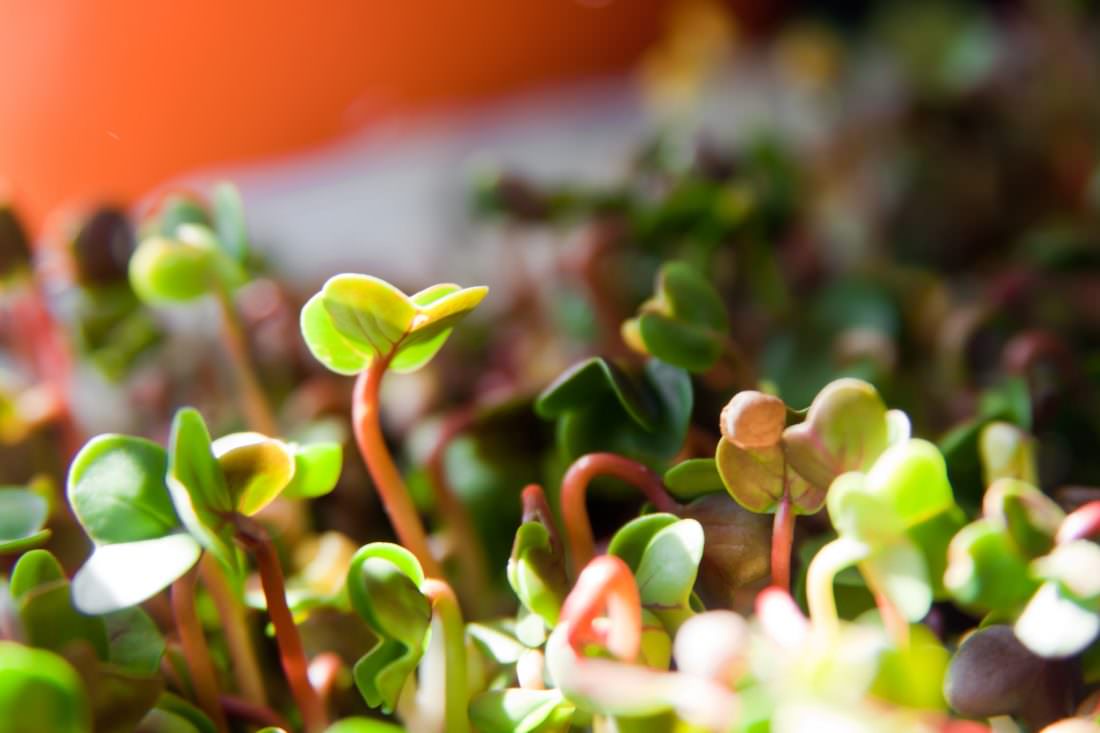
Seedlings are ambitious and will germinate and start growing once pressed into damp soil, shooting toward the nearest light source. However, if they remain in small containers without natural light, they can become root-bound and leggy, eventually collapsing under their own weight.
Agriculture
fromSilicon Canals
1 month agoThe houseplant that thrives on neglect and actually prefers when you forget to water it - Silicon Canals
I killed seven houseplants before I discovered the secret: I was literally loving them to death. Every morning, I'd check on them with my watering can in hand, convinced that more water meant more love. Turns out, some plants thrive when you basically ignore them. In fact, there's one particular plant that actually prefers when you forget it exists for weeks at a time.
Science
Agriculture
fromArchitectural Digest
3 years agoWe Asked Experts About the Gardening Mistakes to Avoid This Spring-These Are Their 12 Top Tips
Gardening mistakes are common and costly, but beginners can avoid major pitfalls by starting small, choosing correct locations with adequate sunlight, and understanding plant-specific requirements.
Agriculture
fromYanko Design - Modern Industrial Design News
2 weeks agoThis Wood Greenhouse Solves the Biggest Problem Backyard Gardeners Face - Yanko Design
The Miracle-Gro Wood Greenhouse by ShelterLogic extends growing seasons and protects plants from frost and weather using double-wall polycarbonate insulation and strategic ventilation systems.
fromTasting Table
2 weeks agoThis Self-Seeding Herb Practically Grows Itself Once Established In Your Garden - Tasting Table
Garden angelica, Angelica archangelica, belongs to the Apiaceae family, the same botanical group as carrots, celery, fennel, and parsley. Like its relatives, it produces a large, distinctively umbrella-shaped inflorescence, or flower cluster, called umbels. In its first year, the plant forms a lower mound of bright green leaves. In the second, a thick, hollow stem shoots upward and unfurls the broad green flower heads that resemble wild carrot or Queen Anne's Lace.
Agriculture
Agriculture
fromTasting Table
2 weeks agoCan You Grow A Garden From Grocery Store Produce Seeds? - Tasting Table
Growing vegetables from store-bought seeds is possible but results vary based on produce type, growing method, and post-harvest treatment, with hybrid plants producing different crops than their parent plants.
fromwww.theguardian.com
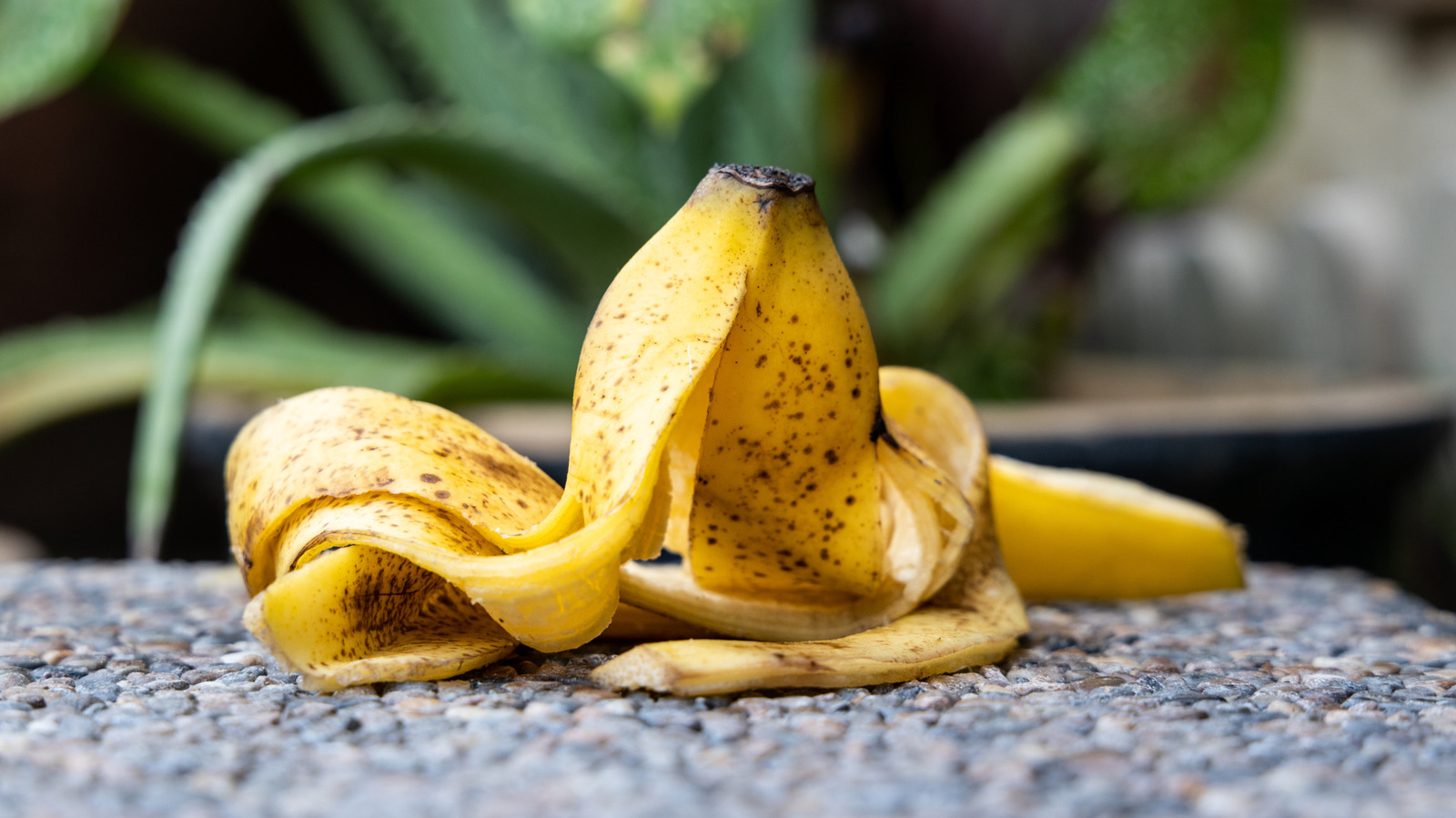
2 months agoHouseplant hacks: can you really use banana water as a fertiliser?
You are not alone: social media is full of claims that soaking banana skins in water makes a fertiliser that will give you bigger leaves and better blooms. The hack Put banana peels in a jar of water, leave them to sit, then pour the liquid on your plants. Bananas do contain potassium and small amounts of other nutrients. The snag is you have no idea how strong it is or what's missing.
Environment
Agriculture
fromArchitectural Digest
1 year ago13 Raised Garden Bed Ideas to Elevate Your Backyard This Spring
Raised beds allow gardeners to engineer ideal soil conditions, improve ergonomics, protect crops from pests, and enable faster soil warming and easier watering compared to ground-level gardening.
fromTasting Table
2 months agoDon't Throw Out Those Plastic Fruit Containers - Use Them To Start An Herb Garden Instead - Tasting Table
Instead of running to the store every time you need a handful of fresh basil (and inevitably letting the rest go to waste in your fridge), having an herb garden of your own allows you to only take what you need. While this in itself is a great sustainable practice, try taking it a step further by starting an herb garden in old plastic fruit containers.
Environment
fromSilicon Canals
1 month agoWhy your herbs die indoors and the light requirement most people underestimate - Silicon Canals
You know that moment when you realize you've become a serial plant killer? Mine came last winter when I stood in my kitchen, staring at yet another crispy basil plant that had gone from vibrant green to sad brown in what felt like days. This was attempt number four, and I'd done everything the little care tag suggested. Watered it regularly (but not too much!), kept it on my brightest windowsill, even talked to it occasionally while making morning coffee.
Environment
fromThe Nation
1 month agoHow to Build a Moon Garden When the News Is All Horror
To see where the moon melts over the garden,or where the bats flit, or where the air sweetens with pollen and moth-frenzy, I recommend a night walk to discern the perfect patch for it. Under this glow, we could all use a distraction-dig with a silver shovel and choose colors that swoon and moan under our satellite: dusty pinks, baby blue, lavender, white, and butter yellow gems unfurl at dusk until dawn.
Environment
fromArchDaily
1 month agoHealth, Habitat, and Civic Infrastructure: Designing the City as a National Park
Cities around the world share a common goal: to become healthier and greener, supported by civic infrastructure that restores ecosystems and strengthens public life. The question is how to reach this. Global climate targets, local building codes, and municipal standards increasingly guide designers and planners toward better choices. Still, many cities struggle to translate these frameworks into everyday, street-level comfort and long-term ecological protection.
Environment
[ Load more ]