#plant-repotting
#plant-repotting
[ follow ]
#gardening #indoor-gardening #plant-care #houseplant-care #spring-gardening #sustainability #pest-control

fromwww.theguardian.com
4 hours agoHouseplant hacks: do eggshells deter fungus gnats from laying eggs?
Crushed clean, dry eggshells, when scattered over the soil, are intended to stop adult gnats from laying eggs and potentially add natural fertilizer. However, they merely sit on the surface, collecting dust, while the gnats remain attracted to the damp compost.
Renovation
fromArchitectural Digest
16 hours agoOutdoor Planters That Aren't So...Concrete
Bergs Potter takes the cake for me, closely followed by the majolica-like planters at Williams-Sonoma and a few stylish designs from Ferm Living and Pottery Barn. These planters lean home decor over plastic planters, making them weather-resistant, durable pieces even on a wind-whipped balcony or hurricane-sacked home garden.
NYC food
Portland
fromPortland Monthly
2 weeks agoOregon Nursery Rancho Cacto Is All About the Succulents
Rancho Cacto, founded by Molly Malecki near Aurora, Oregon, cultivates thousands of cacti and succulents across multiple greenhouses, supplying over 50 regional plant shops following the pandemic-driven houseplant boom.
fromLos Angeles Times
2 weeks agoGet ideas for your home garden at these 19 spring garden tours around L.A.
Southern California, especially Los Angeles, has many breathtaking botanical gardens and wildflower-lined hiking trails. But it's also exciting to visit private home gardens that are rarely open to the public and find inspiration even if you don't have space for a garden at home.
Los Angeles
Miscellaneous
fromwww.theguardian.com
4 weeks agoThe best places to buy plants online, according to top gardeners and landscape designers
Online plant nurseries offer wider plant selections and specialized varieties, making them ideal alternatives to local garden centers, especially for those without nearby options or preferring car-free shopping.
fromYanko Design - Modern Industrial Design News
3 weeks agoThis Planter Fits the One Balcony Spot Every Other Pot Ignores - Yanko Design
The Eckling is designed specifically for balcony corners, addressing a gap that rectangular window boxes and round hanging pots have never managed to fill. Most railing planters sit along a straight stretch of rail, so corners get skipped entirely. An L-shaped recess cut into the base of the hemispherical bowl allows it to rest squarely on two railing legs at a corner junction, no extra hardware required.
Design


Mental health
fromTasting Table
1 month agoCould Your Kitchen Use Some Houseplants? They May Help Beat Cabin Fever, According To Research - Tasting Table
Houseplants alleviate seasonal affective disorder and cabin fever symptoms, with low-maintenance options like peace lilies, snake plants, and pothos thriving in kitchens with limited light and space.
LA real estate
fromLos Angeles Times
35 years agoFOCUS : Trees Have Roots in Placentia Grass Eaters Cult
A modest Orange County neighborhood was built over the site of a 19th-century religious colony called the Placentia Grass Eaters, whose only remaining evidence is two macadamia nut trees marked by a bronze plaque.
Everyday cooking
fromTasting Table
2 weeks agoFireplace Ashes Can Boost Your Vegetable Garden - If You Use Them The Right Way - Tasting Table
Wood ash serves as a nutrient-rich, budget-friendly fertilizer that enhances plant growth, modifies soil pH, and deters garden pests when applied sparingly in small doses.
fromwww.theguardian.com
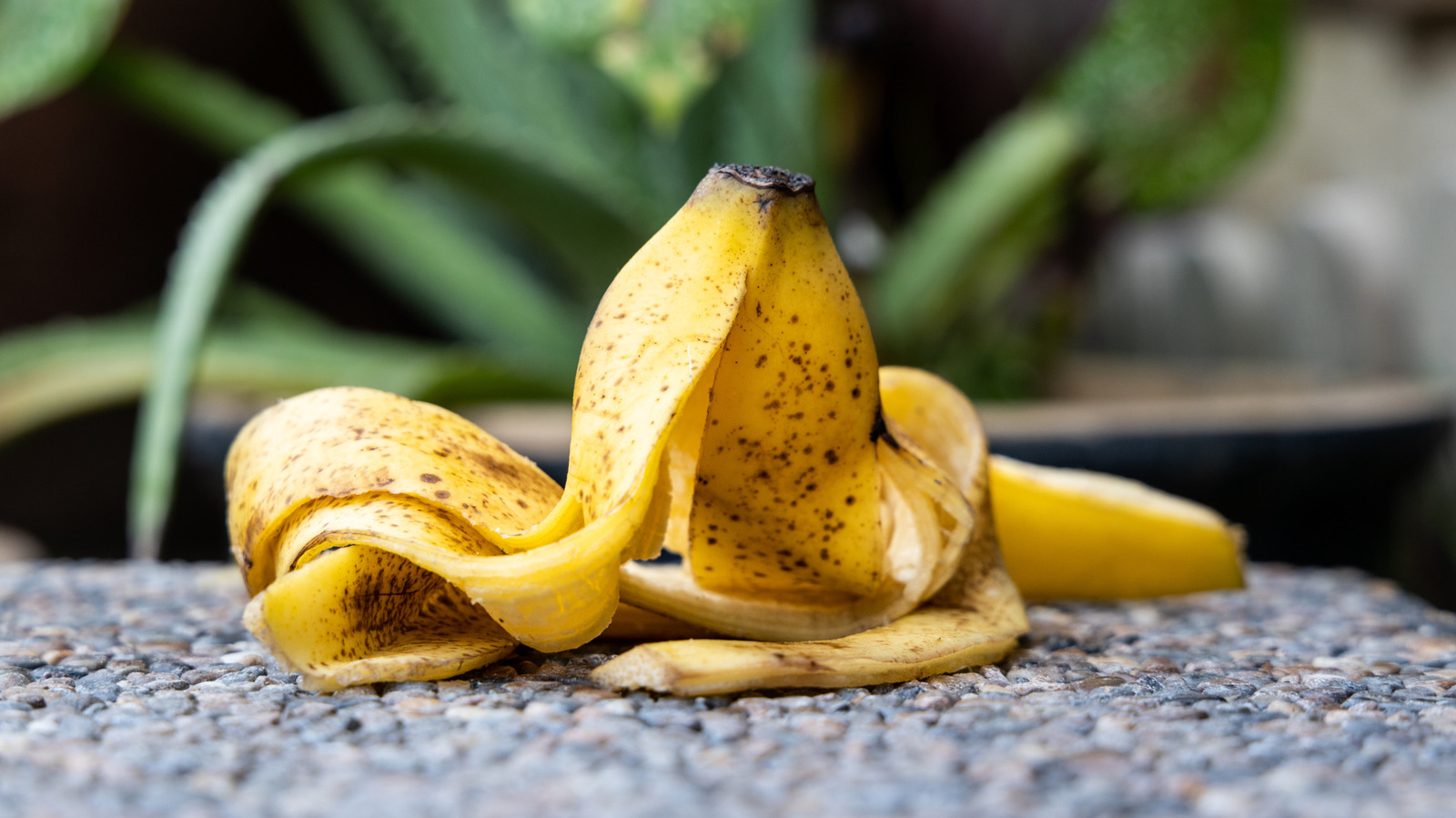
2 months agoHouseplant hacks: can you really use banana water as a fertiliser?
You are not alone: social media is full of claims that soaking banana skins in water makes a fertiliser that will give you bigger leaves and better blooms. The hack Put banana peels in a jar of water, leave them to sit, then pour the liquid on your plants. Bananas do contain potassium and small amounts of other nutrients. The snag is you have no idea how strong it is or what's missing.
Environment
fromTasting Table
3 weeks agoUsing Rice Water To Fertilize Houseplants? Avoid This Mistake That Could Cost You Your Plant - Tasting Table
Rice water doesn't have any additional nutrients that plants need to grow - for example, the nitrogen, potassium, and phosphorus found in conventional fertilizers - and the starchy residue doesn't necessarily "fertilize" your plant. However, it is still water that would otherwise just be dumped down the sink, so if you're not saving your rice water for cooking, you might as well use it to hydrate your plants.
Everyday cooking
Agriculture
fromArchitectural Digest
3 years agoWe Asked Experts About the Gardening Mistakes to Avoid This Spring-These Are Their 12 Top Tips
Gardening mistakes are common and costly, but beginners can avoid major pitfalls by starting small, choosing correct locations with adequate sunlight, and understanding plant-specific requirements.
Everyday cooking
fromTasting Table
3 weeks agoHow To Grow Eggplant Indoors For A Faster And More Foolproof Harvest - Tasting Table
Starting eggplant seeds indoors two months before the final frost provides a significant head start, with seeds germinating in five days and requiring 100 days to maturity.
fromSilicon Canals
1 month agoThe houseplant that thrives on neglect and actually prefers when you forget to water it - Silicon Canals
I killed seven houseplants before I discovered the secret: I was literally loving them to death. Every morning, I'd check on them with my watering can in hand, convinced that more water meant more love. Turns out, some plants thrive when you basically ignore them. In fact, there's one particular plant that actually prefers when you forget it exists for weeks at a time.
Science
Agriculture
fromTasting Table
2 weeks agoCan You Grow A Garden From Grocery Store Produce Seeds? - Tasting Table
Growing vegetables from store-bought seeds is possible but results vary based on produce type, growing method, and post-harvest treatment, with hybrid plants producing different crops than their parent plants.
fromTasting Table
2 weeks agoThis Self-Seeding Herb Practically Grows Itself Once Established In Your Garden - Tasting Table
Garden angelica, Angelica archangelica, belongs to the Apiaceae family, the same botanical group as carrots, celery, fennel, and parsley. Like its relatives, it produces a large, distinctively umbrella-shaped inflorescence, or flower cluster, called umbels. In its first year, the plant forms a lower mound of bright green leaves. In the second, a thick, hollow stem shoots upward and unfurls the broad green flower heads that resemble wild carrot or Queen Anne's Lace.
Agriculture
fromTasting Table
2 months agoDon't Throw Out Those Plastic Fruit Containers - Use Them To Start An Herb Garden Instead - Tasting Table
Instead of running to the store every time you need a handful of fresh basil (and inevitably letting the rest go to waste in your fridge), having an herb garden of your own allows you to only take what you need. While this in itself is a great sustainable practice, try taking it a step further by starting an herb garden in old plastic fruit containers.
Environment
fromDesign Milk
2 months agoLeafyPod Is a Self-Watering Smart Planter That Saves Your Sanity
Enter the LeafyPod, a self-watering smart planter that utilizes AI to understand your leafy companions, and keep them well cared for. The system is simple: a connected app monitors hydration and nutrient levels, noting what's best for that specific type of plant. Recently named one of TIME's Best Inventions of 2025, the hydroponic system allows users to grow herbs, greens, or flowers all year long. LeafyPod is adaptive, responding to plant health and to changes in environment.
Gadgets
fromwww.theguardian.com
2 months agoHouseplant hacks: do moisture meters prevent overwatering?
The method Moisture meters measure electrical conductivity in the soil, which roughly correlates with moisture. Push the probe into the pot, around the root ball, read the dial and water only if it dips into the dry zone. Cross-check with the old tests: feel the soil, lift the pot to gauge the weight, and look at the plant itself. If the meter says dry but the soil feels cool and damp, trust your senses.
Gadgets
fromwww.theguardian.com
2 months agoHouseplant hacks: can oats and Epsom salts pep up a plant?
The idea is that oats break down and enrich the soil, while Epsom salts (magnesium sulphate) top up magnesium to keep leaves green and glossy. Social media says a spoonful of each will pep up tired plants without the need for proper feed. The method The hack says unpot your plant and mix the old soil with 12 tablespoons of dry oats, a sprinkle of Epsom salts and a bit of fresh compost. Then pop the plant back in the pot, firm it around the roots and water it in.
Environment
Agriculture
fromRedfin | Real Estate Tips for Home Buying, Selling & More
4 weeks ago13 Lawn Care Tips to Fix Everyday Landscaping Problems
Practical lawn care strategies including early weed removal, pre-emergent treatments, and proper fertilization can solve most common lawn problems and maintain healthy, thick grass.
Agriculture
fromArchitectural Digest
1 year ago13 Raised Garden Bed Ideas to Elevate Your Backyard This Spring
Raised beds allow gardeners to engineer ideal soil conditions, improve ergonomics, protect crops from pests, and enable faster soil warming and easier watering compared to ground-level gardening.
fromwww.theguardian.com
1 month agoWhen it comes to preparing seeds for your garden, you'll reap what you sow
To an unimaginable eye, a seed looks inert. Yet they are packed with genetic information and biological processes poised to unfold. All it takes is the right configuration of signals and stimuli from the environment to let them know it's time to dare to grow.
Agriculture
fromwww.theguardian.com
2 months agoNow is the perfect time to sort out your garden seeds, the Monty Don way
Lots of pressure at this time of year, isn't there? All those pink cheeks and sweaty brows puffing their way around the park in dusted-down trainers; all those Botivo mocktails (delicious, for what it's worth) as we strive to self-improve during one of the most grisly months of the year. I've never really been one for resolutions, nor time-measured sobriety (amazing how having small children deflates one's desire to drink enough to conjure a hangover).
Environment
fromTasting Table
2 months agoThe Slow-Growing Crop That Pays Off Big When You Start It From Seed - Tasting Table
People grow asparagus from crowns because it shortens the long wait times for harvesting. From seed, you'll need to wait three years before harvesting asparagus. Some people consider that a waste of time. The tradeoff is that you can keep harvesting every spring for up to 15 years or more. If you plant crowns, you get a one-year jump on things. However, those crowns may have soil-borne diseases you don't know about, so there is a risk involved. Seeds remove that problem.
Agriculture
Agriculture
fromBusiness Insider
1 month agoMy rare plants sell for five figures. The business helps me support my extended family, but I work about 100 hours a week.
A mathematician turned rare-plant hobbyist launched a full-time plant business, leaving academia to support an extended family through plant sales.
fromTasting Table
2 months agoRadishes Actually Grow Faster Indoors During The Winter Than You'd Expect - Tasting Table
Growing your own vegetables is a fun and rewarding activity. Not only will you ensure they are at their freshest when you eat them, but you will also know how they are grown, especially if you care about pesticides and other harmful chemicals found in commercially grown produce. If you don't have an outdoor garden space, you can still grow some tasty veggies indoors - and some of the simplest (and fastest-growing) are radishes.
Agriculture
fromTasting Table
2 months agoHow To Grow Arugula In Winter Without Deep Pots Or Garden Beds - Tasting Table
If you're cold, your outdoor plants probably are too - and it's time to bring those tender leafy greens indoors. Wintertime container gardening can be a satisfying, cost-effective way to incorporate more leafy green veggies into your daily diet, and few fast-growing veggies are as suited to the task as arugula. These seeds grow happily in your kitchen, thriving in countertop gardens and shallow pots even when the annual chill sets in.
Agriculture
[ Load more ]