#playground-rescue
#playground-rescue
[ follow ]

Travel
fromTravel + Leisure
4 days agoMy Sister Was Born With Cerebral Palsy-but It Doesn't Stop Us From Creating Family Travel Memories
Travelers with disabilities can enjoy enriching experiences through accessible travel initiatives, as demonstrated by Lakshmee Lachhman-Persad's journey with her sister.
fromBrooklyn Paper
1 day agoWhere are Brooklyn's "recreation deserts," and what can be done to fix them? * Brooklyn Paper
"Brooklyn has always been a place where movement is part of daily life. But today, Brooklynites, like all New Yorkers, are moving less, feeling more isolated and dealing with elevated rates of chronic diseases."
Brooklyn
fromDaily Mom magazine
1 day agoToddler Fun: Engaging Outdoor Activities For 2 Year Olds
Outdoor sensory play is a fun and educational way for babies and toddlers to explore the world. Activities like digging in soil or feeling different textures promote hand-eye coordination and early science learning.
Parenting

fromwww.theguardian.com
4 days agoHow Paris swapped cars for bikes and transformed its streets
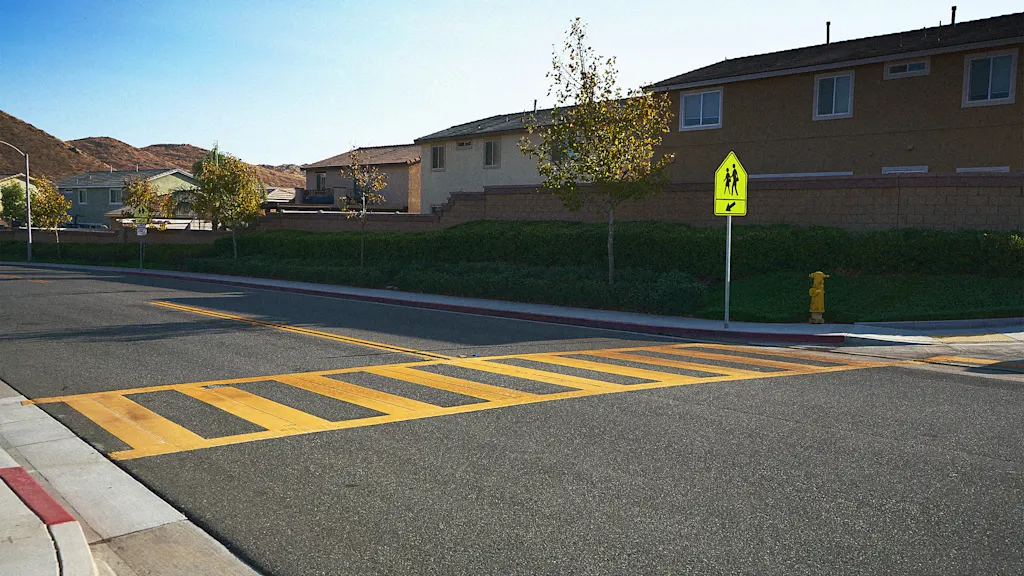
Corentin Roudaut, who once felt overwhelmed by Paris's traffic, found renewed confidence in cycling after the establishment of a segregated bike lane on Boulevard Voltaire. He now actively participates in promoting cycling in the city, witnessing a remarkable transformation in urban mobility and safety over the last decade.
Paris food
fromDaily Mom magazine
1 week agoSpecial Needs Summer Camp For Children, Special Needs Camp
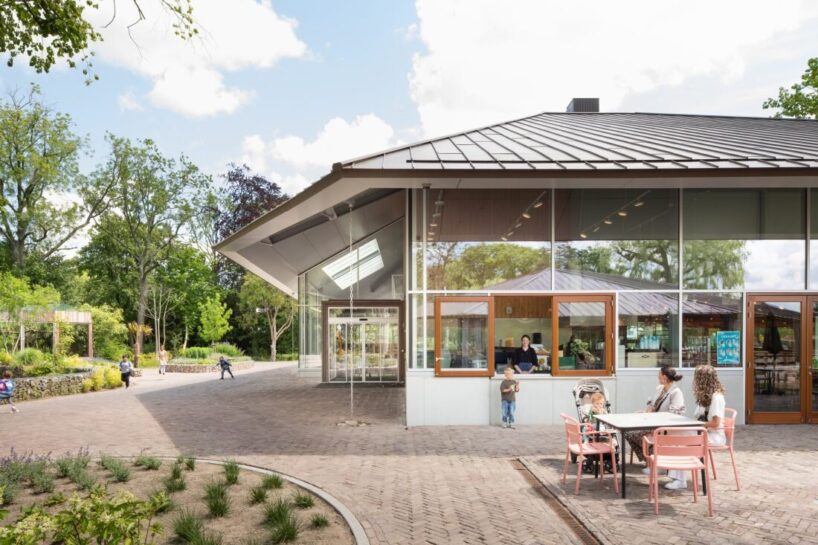
Special needs summer camps are specialized programs designed for children and young adults with a range of disabilities, including autism spectrum disorder (ASD), ADHD, Down syndrome, and other developmental or physical challenges.
Parenting
Brooklyn
fromBrooklyn Paper
1 week agoCommunity frustration grows over Metropolitan Recreation Center closure in Williamsburg * Brooklyn Paper
The closure of the Metropolitan Recreation Center pool has significantly impacted the community, especially older swimmers who rely on it for health and socialization.
fromwww.theguardian.com
1 week agoEvery child wants to find joy': the scheme designing playground equipment for disaster zones
Meininger, who grew up in Germany but now lives in London, likes making things. So when he saw how much his young sons enjoyed the jungle gym and play forts at the local park, he made an indoor treehouse for them.
Parenting
Alternative transportation
fromStreetsblog
3 weeks agoWhy Some Congresspeople Want to Go Big on Greenways - Streetsblog USA
The Parks to People Act proposes $300 million in federal funding for walking and biking infrastructure as essential transportation tools, despite political opposition dismissing them as distractions.
fromwww.bbc.com
4 weeks agoSports centre revamp reaches 'key milestone'
I am delighted that the once-in-a-generation redevelopment of the Crystal Palace National Sports Centre has reached another key milestone with the submission of the planning application for its transformation. The 15hectare site, opened in 1964, is set for a revamp of its athletics stadium, indoor arena, and swimming and diving facilities.
London
fromNews 12 - Default
2 weeks agoPetition calls for immediate inspection and improvements to East Flatbush playground
The petition states the playground has broken and deteriorating equipment with sharp edges, rusted metal, chipped and peeling paint, uneven concrete, rodent infestation and limited green space, all of which they feel creates a hazardous environment.
Renovation
fromwww.bbc.com
2 weeks agoCampaigners celebrate after new town plans dropped
Campaigner Aysha Hawcutt stated that residents were 'not anti-homes', but believed the Adlington plan was 'the wrong proposal in the wrong place'. She expressed pride in the community's resilience against the development threats.
London politics
fromdesignboom | architecture & design magazine
2 weeks agoan arched pink bridge of happiness revives public park in shanghai
The design team combined the requirements for an accessible bridge and a small pavilion into a single structure, creating a unified architectural gesture that supports both movement and gathering.
Renovation
#park-restoration
Brooklyn
fromBrownstoner
2 weeks agoRestoration Work in Prospect Park's The Vale Kicks Off
An eight-acre section of Prospect Park undergoes a $37.5 million restoration project, the largest capital investment in over a decade, transforming a neglected area into an accessible nature-focused retreat by 2027.
New York City
fromwww.amny.com
1 month agoGreen glow-up: 10 NYC parks are getting a makeover thanks to new community investment initiative
NYC allocated $50 million to upgrade 10 parks across all five boroughs with new play equipment, recreation amenities, and landscaping to benefit over 116,500 residents.
fromPsychology Today
1 month agoMaybe We Just Need to Get Out More
That someone "should get out more" is usually said as a joke, a light comment aimed at someone who seems stuck or overly absorbed in a narrow concern. It can sound dismissive or even sarcastic. Yet what if it contains serious psychological truth? We often praise people for being open-minded, creative, or flexible, as if these are stable personality traits that some individuals simply possess. We admire those who seem to think differently and assume they have access to something rare.
Psychology
fromwww.bbc.com
1 month agoGalleon arrives in Kensington Gardens playground
Children can be the captain of their own ship and let their imaginations soar when the playground reopens. The galleon will be the centrepiece of the Diana, Princess of Wales Memorial Playground in Kensington Gardens when it reopens in the summer.
London
New York City
fromNew York Daily News
1 month agoWhat future for dining sheds?: Return our streets to their real purpose for vehicles
Permanent outdoor dining sheds in curbside parking lanes create operational problems for snow removal and street cleaning while providing unfair competitive advantages to some restaurants over others.
Video games
fromBuzzFeed
2 months ago30 Things To Keep Your Kids Active And Busy All Day, And Therefore Tired At Night
Durable, recycled-plastic Green Toys pull-behind wagon and a compact Nex Playground Active Play System deliver eco-friendly durability and interactive TV-connected play for kids and adults.
Brooklyn
fromTime Out New York
1 month agoTen NYC parks across all five boroughs are getting upgrades
New York City will invest $50 million to upgrade 10 neighborhood parks across all five boroughs that have lacked meaningful improvements for at least 20 years, benefiting over 116,500 residents in historically underserved communities.
fromwww.dw.com
2 months agoThe city that swapped parking for green space
Though they're individually tiny, parking spots quietly play a dominant role in shaping urban landscapes. Most US cities dedicate at least 25% of their developable land to them. Some, even more. That land usage doesn't only determine the way a city looks. It also means covering large swathes of urban areas in heat-absorbing asphalt, which contributes to making summers hotter and heightens the risk of flooding since it prevents drainage during storms and heavy rainfall.
Miscellaneous
fromSnowBrains
2 months agoFree Urban Terrain Park in Downtown Denver, CO, Opens for the Season - SnowBrains
Ruby Hill Railyard in Denver is now open to snowboarders and skiers and features 11 rails and boxes of varying configurations and skill levels. This terrain park can be found off South Platte River Drive and West Florida Avenue in the Mile High City and is free to use. "Rubyhill railyard is now OPEN!! Crazy to think we can open with the snow drought this year! The volunteers killed it! Snowmaking went incredible! Thank you."
Snowboarding
fromLos Angeles Times
2 months agoA playground replaced this preschool's empty asphalt lot. It's a game-changer for learning
A year ago, the back lot of Normont Early Education Center was little more than a bare, heat-radiating expanse of asphalt. Outside, the Harbor City preschool reflected its industrial neighborhood: scant grass, little shade, amid a block of warehouses full of grinding machinery. To get to campus, parents must shepherd their children through a concrete labyrinth, past auto body shops and steel manufacturers. At times, the noise of grinding gears can obscure the soprano whoops and wails of the preschoolers.
Education
Environment
fromdesignboom | architecture & design magazine
2 months agoreclaimed materials sculpt textured children's play structures in india public park
Park design prioritizes inclusive safety, clear movement, visibility, and material reuse to increase accessibility for women, children, and seniors.
fromCurbed
1 month agoA New Skate Park Proposes to Take Over the Middle of Mount Prospect
It was one of four skate parks being created or revamped as part of a city initiative, and the only one that proposed building an entirely new space rather than replacing an existing skate park or asphalt rink. Intended as the city's flagship, it was also by far the largest, in the city and regionally, tied with the Lynch Family Skatepark in Cambridge, Massachusetts, which is the largest skate park on the East Coast.
Brooklyn
fromArchDaily
2 months agoDesigning Streets Through the Lens of Care
Jane Jacobs was also one of the voices that challenged this predominantly rationalist logic, arguing that truly vibrant streets are those capable of sustaining the diversity of everyday life, its informal exchanges, and the forms of care and natural surveillance that emerge from them. What these authors share is a fundamental insight: streets are not merely infrastructures for circulation, but social ecosystems, shaped by the relationships, uses, and encounters that take place within them.
Design
fromArchDaily
2 months agoHealth, Habitat, and Civic Infrastructure: Designing the City as a National Park
Cities around the world share a common goal: to become healthier and greener, supported by civic infrastructure that restores ecosystems and strengthens public life. The question is how to reach this. Global climate targets, local building codes, and municipal standards increasingly guide designers and planners toward better choices. Still, many cities struggle to translate these frameworks into everyday, street-level comfort and long-term ecological protection.
Environment
fromArchDaily
2 months agoLeisure Architecture: 13 Projects Shaping Togetherness Across Generations
Leisure spaces are often where different generations cross paths. Without formal programs or assigned roles, they allow people to move, pause, and remain together, each engaging space in their own way. In a built environment increasingly shaped by specialization and separation, these shared spatial grounds have become less common, giving leisure-oriented architecture a renewed relevance. Discussions around public space have repeatedly pointed to the value of openness and flexibility in supporting collective life.
Design
[ Load more ]