Film
fromVulture
2 days agoThe Twist in The Drama Is Not the Problem
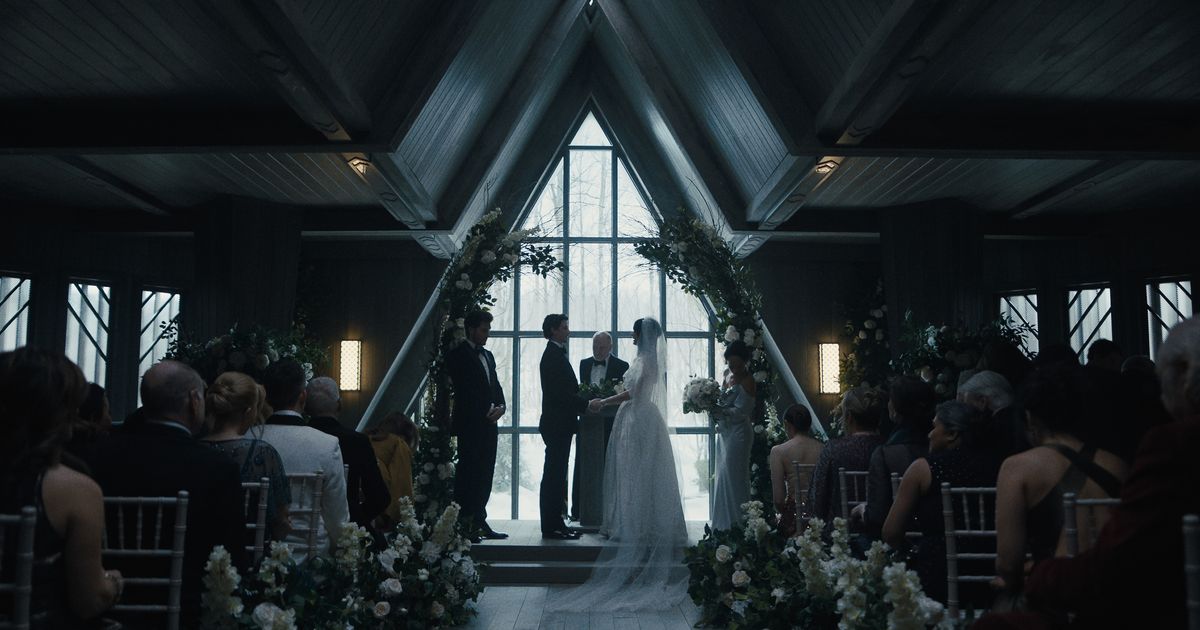
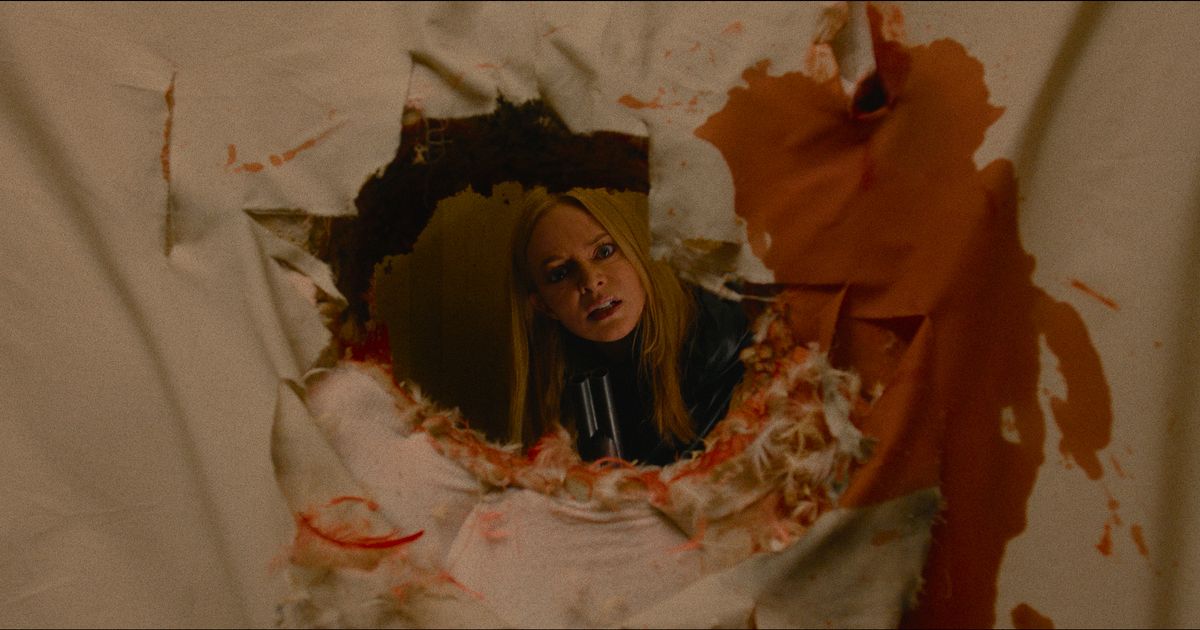
The film features a controversial plot twist involving a character's past plan for a school shooting, sparking significant online speculation and backlash.
My earliest independent reading memory is The Story of Ferdinand by Leaf and Lawson. I loved that bull! My favourite book growing up Big books gave me the whirlies so it took a while for them to start landing.
Strip Law centers on Lincoln Gumb (Adam Scott), a down-on-his-luck lawyer who was recently fired from his family firm by his dead mother's former law partner, Steve Nichols (Keith David). Gumb's new firm, which is staffed by his wayward teenage niece Irene Gumb (Aimee Garcia) and a disbarred old eccentric named Glem Blorchman (Stephen Root), is on the verge of going out of business because Gumb's unflashy lawyering style can't keep the attention of Vegas's overstimulated judges and juries.
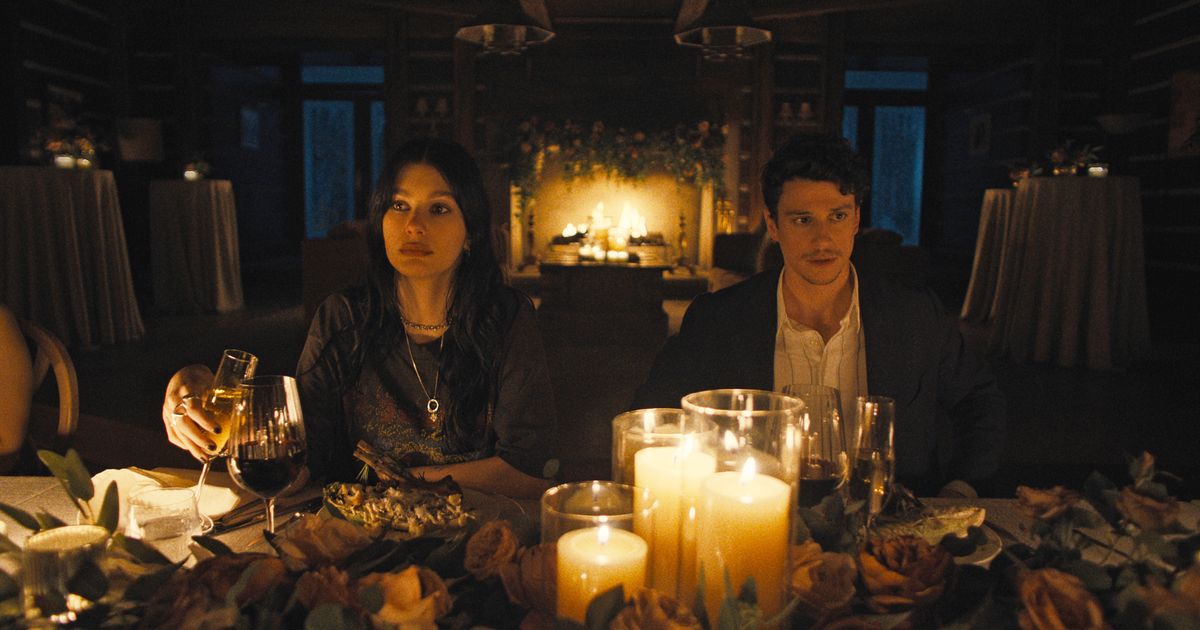
During a private tasting dinner, a game prompts guests to confess their worst actions, revealing hidden insecurities and creating tension between Charlie and Emma.
Remaking Robert Hamer's 1949 British classic Kind Hearts and Coronets—the greatest Ealing Studios comedy and, in my own fevered opinion, the greatest film of all time—needs the chutzpah of Cecilia Gimenez, the amateur Spanish artist who restored a painting of Christ and left him looking like a gibbon.
To deny one's own experiences is to put a lie into the lips of one's own life. It is no less than a denial of the soul. The concept I stick to - my core principle - is simple: I write in plain English, and only when I actually have something to say.
There is an allure about him. There's a warmth to him, and something new about him, but also it's the timing. The backlash of her open relationship with John is really starting to take on a new shape, and I think he's a sort of exciting escape from it too.
Whereas other characters are cold and sharklike, Yas feels her way through the world-and uses her vulnerability to manipulate others. Being born into wealth taught her that none of us is in command of our fate, so we had better cheat for whatever control we can. She's the statuesque girlboss for the new gilded age.
When the people who are after me get here, they'll arrest me and put me on trial, or they'll disappear me to some black site. Or they won't bother with any of that and they'll just kill me. All of these seem like plausible outcomes, but in the novel's prologue, the narrator seems much more confident of her success: I am a fucking genius, a gorgeous fucking genius, and the only thing left to do is sit down and write.
If there's anything I miss in pop culture, it's the presence of ordinary movies. I don't mean blockbusters like Avatar or cultural events like Barbenheimer or Oscar contenders like One Battle After Another. I'm talking about the routine, well-made entertainments that, for nearly a century, used to open in theaters every week. You'd go see them because the story sounded good or you liked the stars or you just wanted to enjoy something as part of an audience.
Obnoxious jewellery dealer Rodney Manderson has been killed outside the Bowery auction rooms, stabbed through the eye with the Victorian hatpin that his boss, Rose Bowery, has brandished in front of the nation on Bargain Hunt. As she discussed the pin's virtues as a deadly weapon as well as its millinerial uses, the fiercely loyal Rilke decides while feeling grateful to have skipped lunch and trying not to think of jelly to remove it before calling the police.
At first sight, Winslow Homer's " The Brush Harrow," which depicts two young boys, a horse, and a harrow against an arid landscape, evokes a feeling of somber isolation - but it's hard to pinpoint why. During a talk by curator Horace D. Ballard at the Harvard Art Museums on Jan. 29, visitors learned that Homer painted the scene in 1865, as the Civil War was ending, making the emotional underpinnings of the work clearer.
10 Cloverfield Lane Mary Elizabeth Winstead, John Goodman and John Gallagher Jr are locked in an underground bunker for the majority of this left-field sequel to Cloverfield, with thrilling results. In the film's final throes, Winstead's character exits the bunker, and finds that her captor was telling the truth about an alien invasion above - a twist that completely and ruinously dissipates the hard-earned tension that came before.
A writer is a kind of magician. Their job is to create living, three-dimensional people out of the ordinary stuff of ink and paper. This is no easy task, because readers can't literally hear, touch, or observe a character. Everything that defines a human being in real life-the physical space they occupy, or how they smell, feel, and sound-is stripped away, replaced by description. But authors have one major, mystical advantage: They can show you what's happening inside of someone's brain.
Although the works of Gilbert and Sullivan have gained a reputation for being chummy, collegiate and a little pompous, For He is an Englishman is in fact a bitingly satirical piece of faux-patriotism. Although it sounds like something to be bellowed by tipsy Last Night of the Proms poshos, the song speaks to the kind of blind nationalism that bases exceptionalism purely on the location of one's birth.
Jenny G. Zhang: After a series premiere that seemed to be received pretty well by viewers-although the diarrhea smash cut was certainly divisive-we open the second episode of A Knight of the Seven Kingdoms with another jump scare: big dong alert, courtesy of Ser Arlan of Pennytree, who is truly packing the heat. (While he is probably not a Best or a Worst Person in Westeros this week, he certainly deserves some kind of title.)
In one scene, an adoring fan asks Melvin his secret to writing women. I think of a man, and I take away reason and accountability, he says, an epic burn forever seared in my brain. Of course Melvin's anti-charm offensive only goes so far in a James L Brooks project. Before long, the rudeness erodes as Melvin is forced on to a journey of self-discovery with the nextdoor neighbor he can't abide (Greg Kinnear) and the diner waitress he can't live without (Helen Hunt).
As I devoted more time and energy to the Filmmaker newsletter throughout the last decade-plus, I'd often find myself in some form of dialogue with producer, strategist and consultant Brian Newman. His invaluable Sub-genre newsletter arrives on Thursdays (now, biweekly), mine on Fridays, and, like me, he'll often comment on the production and distribution challenges facing independent filmmakers in an increasingly commercialized, politically cautious and algorithmically-driven media landscape.