#pm25-and-heavy-metals
#pm25-and-heavy-metals
[ follow ]
#public-health #air-pollution #air-quality #pm25 #epa #health-risks #pollution #microplastics #environmental-justice







#microplastics

fromwww.scientificamerican.com
2 months agoScience
Scientists just calculated how many microplastics are in our atmosphere. The number is absolutely shocking
Land sources emit roughly 600 quadrillion microplastic particles into the atmosphere annually, about 20 times more than ocean emissions, with higher land concentrations.
OMG science
fromFuturism
5 days agoYou Know How Scientists Keep Finding Microplastics Literally Everywhere? Well, You'd Never Guess What Their Lab Gloves Are Coated in Straight Out of the Packaging
Skepticism grows in the scientific community regarding microplastics research due to potential methodological errors and contamination issues.

fromFast Company
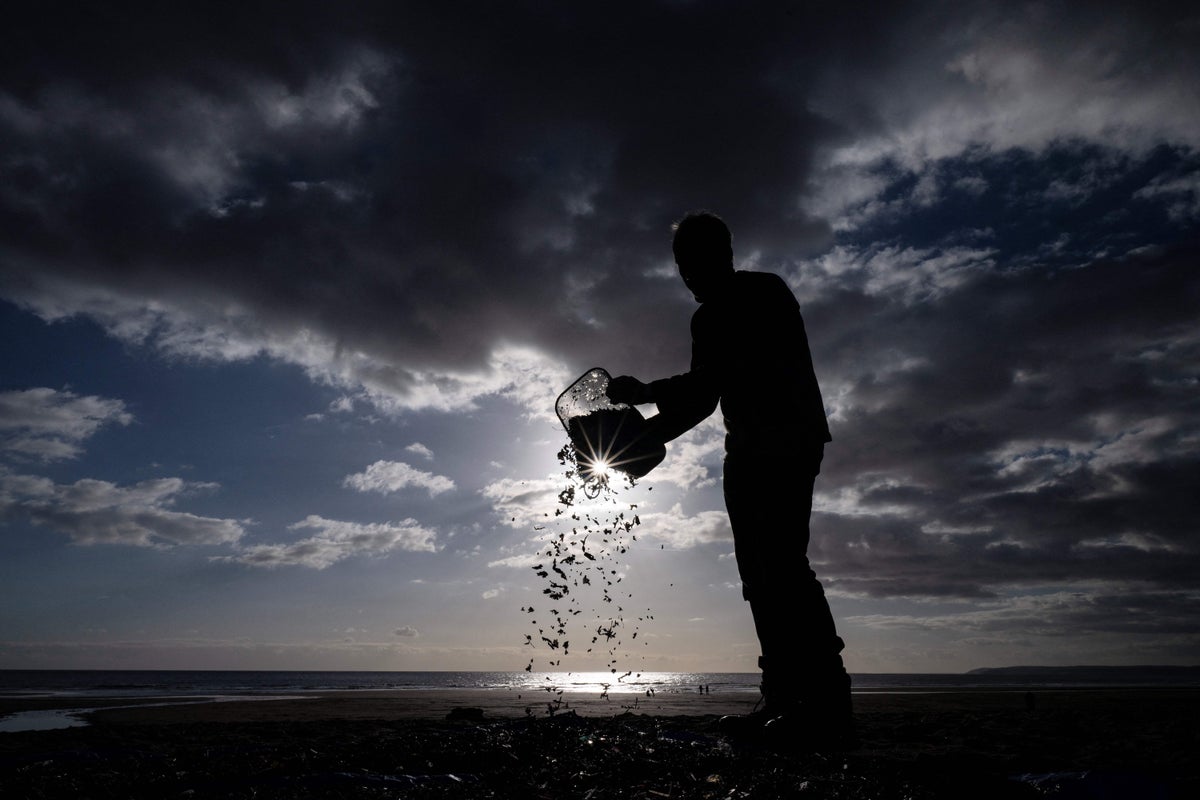
4 days agoSee it: Air temperatures and pollution around the world are captured in real time in these animated weather maps
We created Earth in Action to provide a lens into what's happening on our planet, as it happens. Whether it's something typical, like the current air temperature, or an extreme event like a major dust storm, we wanted to provide an opportunity for people to see them.
OMG science
NYC politics
fromwww.amny.com
6 days agoA moral injury': City sued over not releasing information on Lower Manhattan air quality danger after 9/11 attack | amNewYork
Advocates are suing New York City for transparency regarding air quality information post-9/11 to seek accountability and answers, not compensation.

fromTODAY.com
3 days agoThese Are the 2 Most Dangerous Home Cleaning Products to Have Around Kids, New Research Shows
"What surprised me is we are still seeing so many visits to emergency departments associated with very common household cleaning products," Lara McKenzie, Ph.D., stated, emphasizing the ongoing issue despite safety advancements.
Public health
fromwww.theguardian.com
3 days agoThe dark side of the balloon boom is it time they were banned?
In 2019, scientists found that balloons eaten by seabirds are more likely to kill them than other kinds of plastic yet they do not seem to have been earmarked in the same way as, for example, plastic straws.
Public health

Environment
fromNature
3 weeks ago'Black rain' in Tehran - what are the health effects?
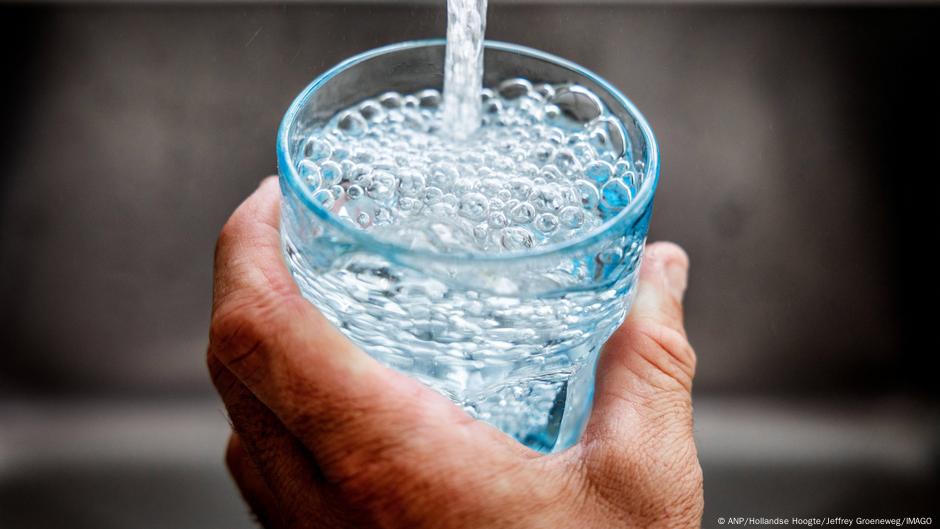
Missile strikes on Iranian oil facilities released toxic chemicals into the atmosphere, creating black acid rain containing harmful hydrocarbons, sulfur oxides, and nitrogen compounds that pose serious health risks.
Public health
fromwww.theguardian.com
3 weeks agoTrump policies set to increase rates of lung disease and death, study finds
Trump administration policies across healthcare, environment, workplace, and vaccines are projected to significantly increase lung disease rates and premature deaths among Americans.
Environment
fromwww.theguardian.com
1 month agoThousands of pollution incidents in England downgraded without site visit, data suggests
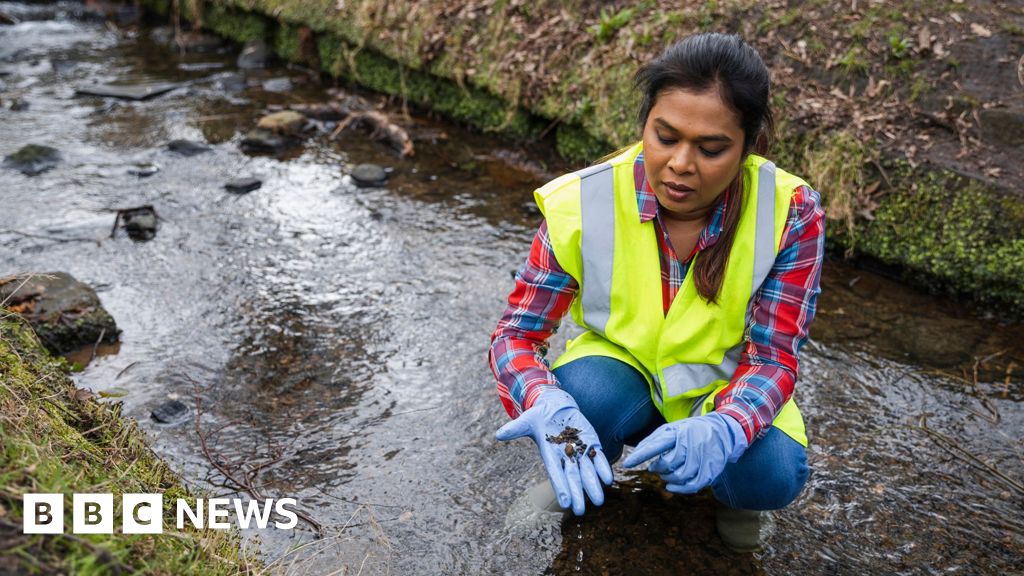
Environment Agency staff downgraded 98% of 2,778 serious water pollution incidents reported in 2024 without site visits, representing a 1,500% increase in downgrades since 2021.
Information security
fromThe Hacker News
2 months agoExposure Assessment Platforms Signal a Shift in Focus
Exposure Assessment Platforms replace traditional Vulnerability Management by providing continuous, risk‑prioritized, cross‑layer visibility to reduce alert fatigue and address “dead‑end” exposures.

fromwww.dw.com
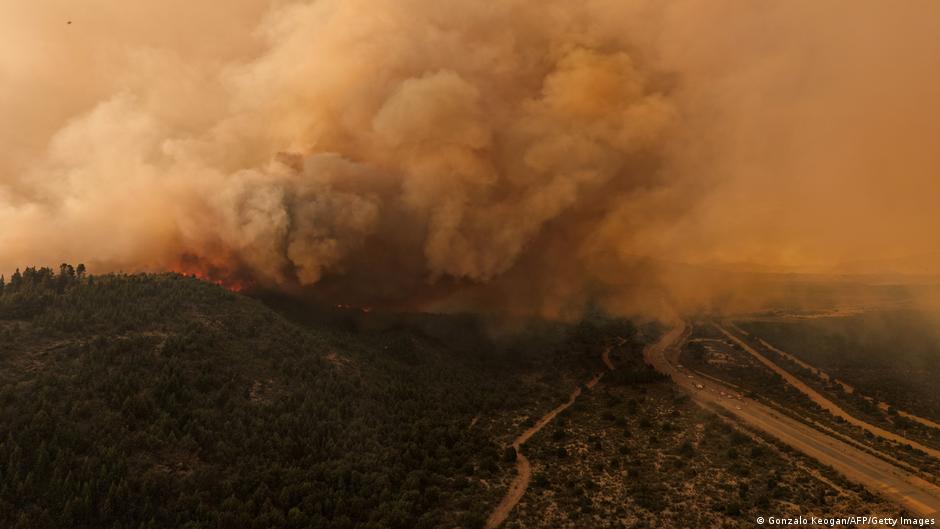
1 month agoHow mercury from coal plants can cost lives
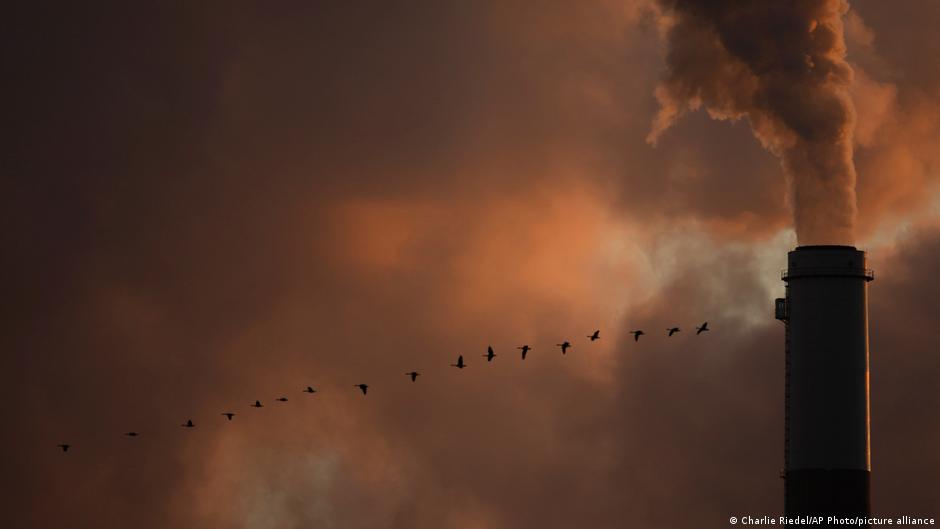
A potent neurotoxin capable of causing lifelong damage to the lungs, brain, skin and other organs, mercury is strictly regulated worldwide. Children, in particular, can suffer severe developmental impairment when exposed. A trace element that occurs naturally in rocks such as limestone, as well as in coal and crude oil, mercury remains locked underground for millions of years, largely entering the ecological cycle through human activity.
Public health
fromNature
2 months agoMicroplastic levels in the air have been overestimated, but are still a big concern
Many human activities - from improper disposal of waste to the degradation of car tyres - release small plastic particles, which have infiltrated the atmosphere, oceans and other ecosystems. These include nanoplastics - particles measuring less than 1 micrometre across - and microplastics, which range from 1 micrometre to around 5 millimetres. They've entered our bodies and brains, and scientists are still working to understand their effects on people's health.
Environment
Public health
fromwww.theguardian.com
1 month agoWood burning pollution leads to 8,600 premature US deaths a year, study finds
Residential wood burning causes an estimated 8,600 premature US deaths annually and contributes about 21% of wintertime particulate pollution despite only 10% of homes burning wood.
fromwww.theguardian.com
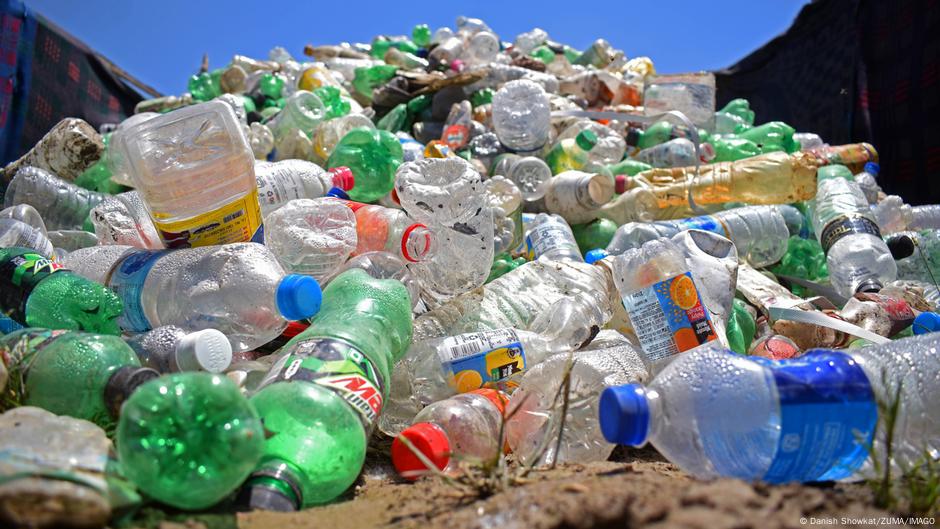
2 months agoHousehold burning of plastic waste in developing world is hidden health threat, study shows
The household burning of plastic for heating and cooking is widespread in developing countries, suggests a global study that raises concerns about its health and environmental impacts. The research, published in the journal Nature Communications, surveyed more than 1,000 respondents across 26 countries. One in three people reported being aware of households burning plastic, while 16% said they had burned plastic themselves.
Environment


fromwww.theguardian.com
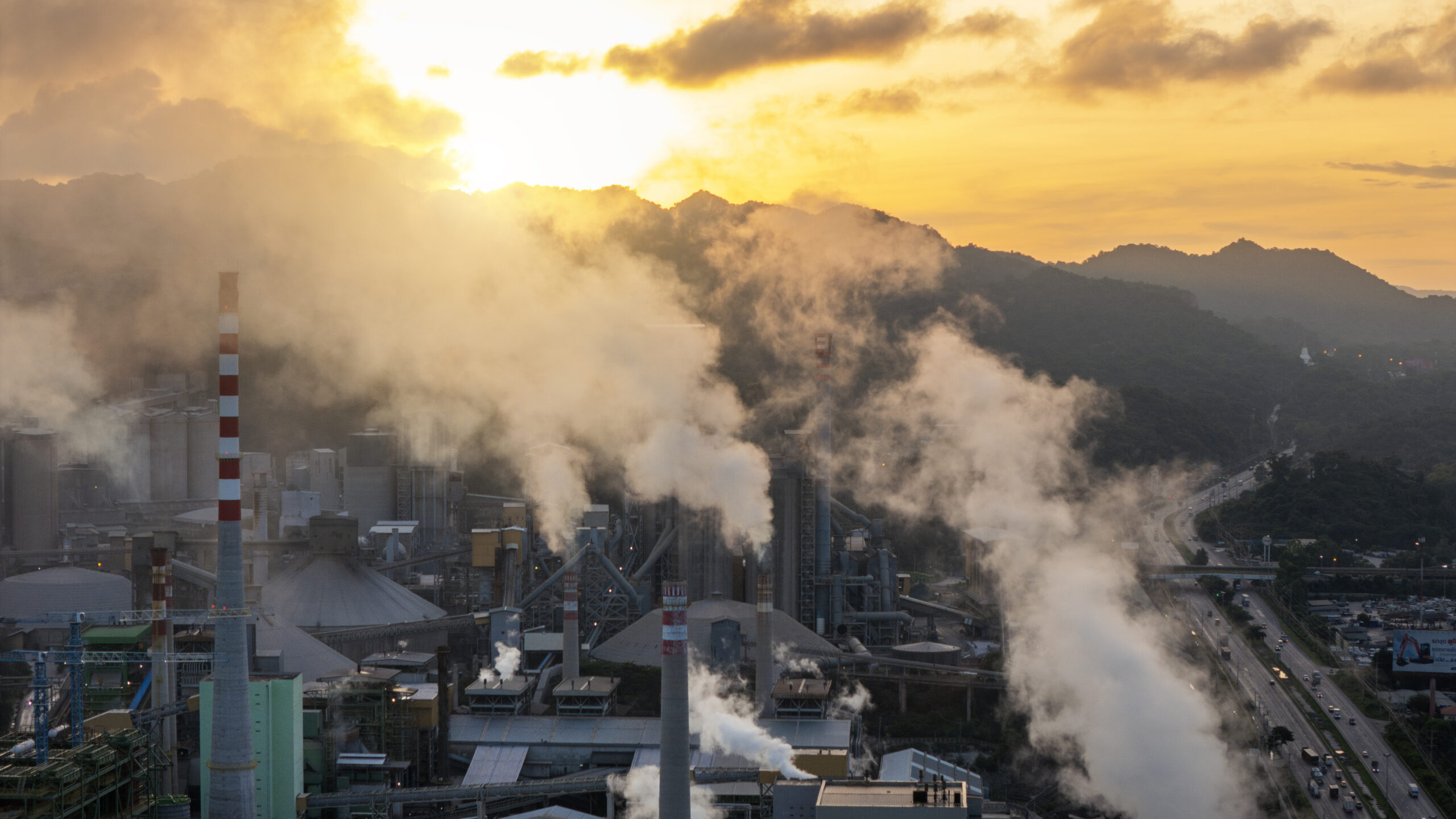
2 months agoCoal power generation falls in China and India for first time since 1970s
Coal power generation fell in China and India for the first time since the 1970s last year, in a historic moment that could bring a decline in global emissions, according to analysis. The simultaneous fall in coal-powered electricity in the world's biggest coal-consuming countries had not happened since 1973, according to analysts at the Centre for Research on Energy and Clean Air, and was driven by a record roll-out of clean energy projects.
Environment
fromwww.theguardian.com
1 month agoWood burners may treble children's exposure to pollution in homes, study finds
One thing that stood out was the home environment. This was the largest contributor to children's daily particle pollution exposure more than school or commuting. This was mainly due to indoor sources such as wood burning and indoor smoking. Short peaks in particle pollution were linked to home cooking and secondhand tobacco smoke. Home heating with a fire or stove was linked to longer exposures. In some cases, these persisted overnight in children's bedrooms as fires remained lit or smouldering with poor ventilation.
Public health
fromArs Technica
1 month agoCOVID-19 cleared the skies but also supercharged methane emissions
The remaining question, though, was where all this methane was coming from in the first place. Throughout the pandemic, there was speculation that the surge might be caused by super-emitter events in the oil and gas sector, or perhaps a lack of maintenance on leaky infrastructure during lockdowns. But the new research suggests that the source of these emissions was not what many expected. The microbial surge
Environment
fromNature
2 months agoExposome studies can improve lung health
The conventional approach to evaluating the impact of air pollution is to focus on a single exposure during a fixed period of time. But evidence suggests that contaminants work together, magnifying the damage to people's lungs. Conventional studies fail to probe synergistic effects. They also ignore the cumulative effects of lifelong exposures to pollutants, known as the exposome. Researchers need to shift away from single-pollutant studies and towards those involving a broad range of exposures.
Public health
[ Load more ]