#poaching-methods
#poaching-methods
[ follow ]
#conservation #wildlife-trafficking #wildlife-conservation #biodiversity #endangered-species #animal-welfare

fromMail Online
4 days agoBritain has just 20 years to save its wildlife, experts warn
'Our results show that the next 20 years are critical,' lead author Dr Rob Cooke told the Daily Mail. 'By around 2050, we reach a point where the choices we make on emissions and land use will largely determine whether Britain moves towards a much more degraded or a much more nature‑positive future.'
Environment
#wildlife-protection
Environment
fromwww.theguardian.com
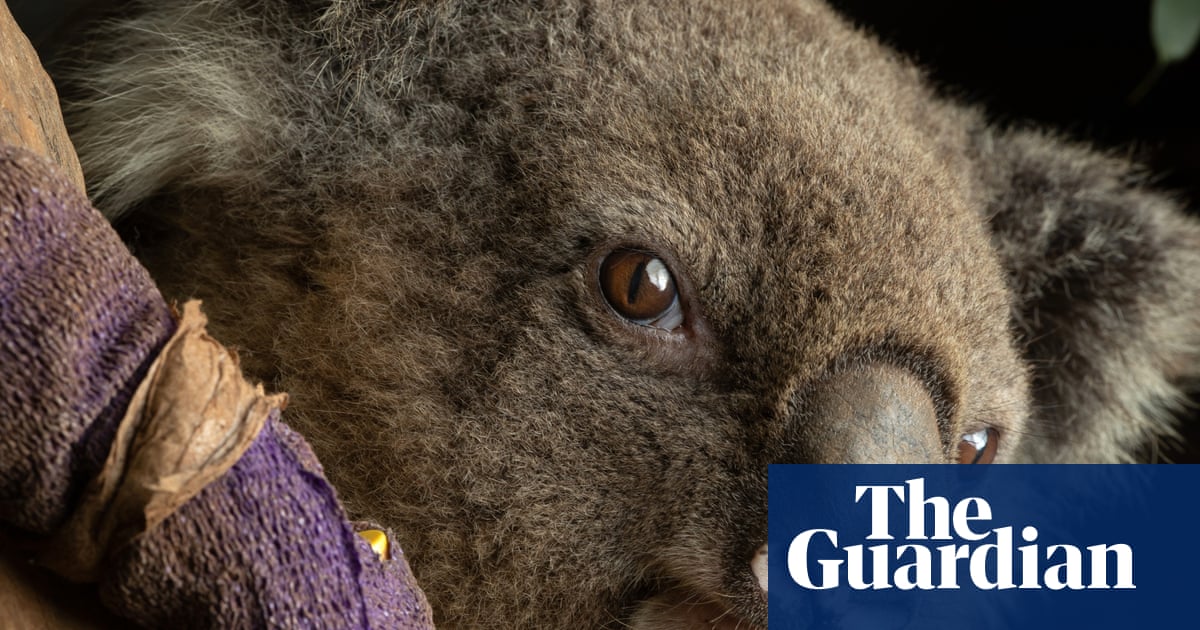
1 month agoAustralian wildlife in harm's way' with volunteers left to pick up the pieces' amid climate crisis, fires and floods
Labor is urged to establish national wildlife protection standards for disaster response, with advocates warning biodiversity risks could become irreversible without coordinated government-funded rescue and rehabilitation services.
Roam Research
fromMongabay Environmental News
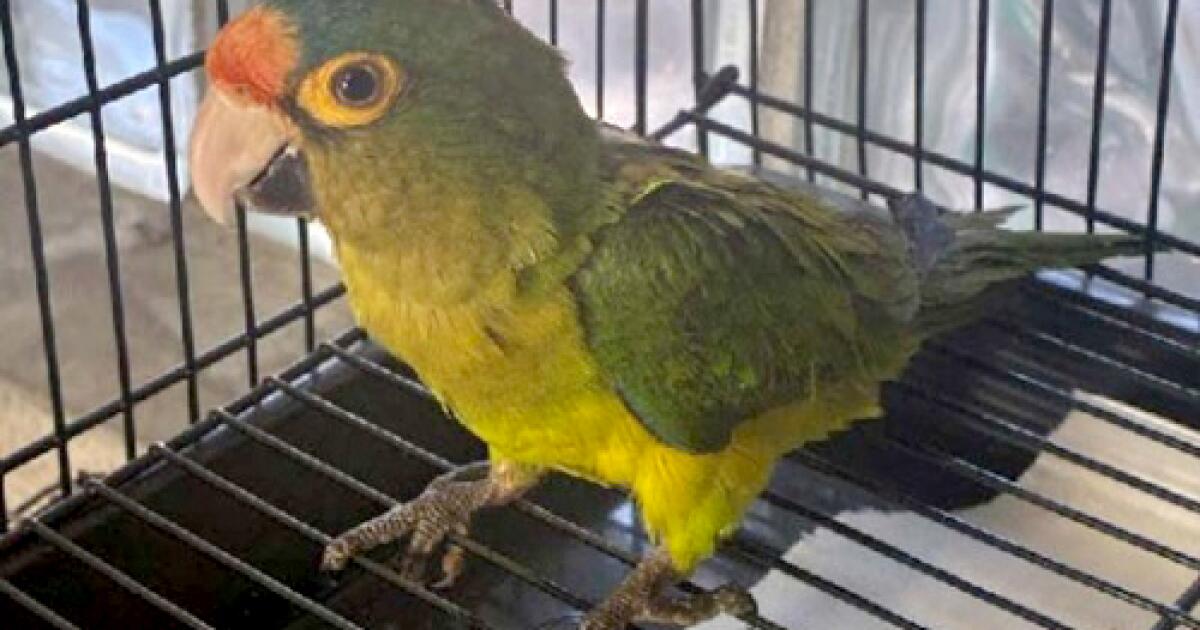
2 weeks agoFacebook shuts Indonesia groups after Mongabay and Bellingcat report illegal wildlife trade
Mongabay and Bellingcat discovered Facebook groups in Indonesia illegally selling protected species, exploiting the country's biodiversity through social media platforms.
European startups
fromTheregister
2 weeks agoIndia tests whether AI can stop trains hitting elephants
India's Ministry of Environment is implementing AI-based systems and infrastructure solutions to reduce elephant deaths on railway tracks, including thermal camera networks and acoustic intrusion detection systems.
Non-profit organizations
fromwww.theguardian.com
2 weeks agoWe cannot replace USAID, but we can do big things': conservation plots a future without American money
Liberia's eco-guard program, funded by USAID, faces collapse after the Trump administration dismantled the agency, threatening forest conservation and wildlife protection in one of Africa's most biodiverse regions.
Agriculture
fromwww.theguardian.com
3 weeks agoVillagers on Principe, the African Galapagos', to be paid for protecting the ecosystem
Principe islanders receive quarterly dividends for following environmental protection codes, with nearly 3,000 participants receiving their first payment of €816, creating economic incentive for conservation.
Environment
fromABC7 San Francisco
3 weeks agoTrump proposals will weaken and limit protection by Endangered Species Act, environmentalists say
Trump administration proposals would restrict the Endangered Species Act by narrowing harm definitions to exclude habitat protection, potentially reducing wildlife protection effectiveness by 99%.
fromwww.scientificamerican.com
1 month agoHow a teen's AI model could help stop poaching in rainforests
Both species are under threat. But while African savanna elephants are endangered, forest elephants are critically endangered. They're also highly elusive. Living in dense tropical rainforests in central Africa and parts of West Africa they're very hard to find and study.
Science
Environment
fromTruthout
3 weeks agoEnvironmental Activists Say the FBI May Be Investigating Them
FBI counterterror investigators are scrutinizing nonviolent climate activist groups like Extinction Rebellion NYC, raising concerns about federal law enforcement targeting constitutionally protected protest and free speech activities.
fromenglish.elpais.com
2 months agoSharks become easy prey for criminal groups
In February 2023, an article in the Mexican press announced the capture of a vessel some 195 nautical miles from the port of Lazaro Cardenas in the state of Michoacan. It had been carrying nearly 700 pounds of cocaine packaged in plastic-wrapped bricks, in addition to 1,650 liters of hydrocarbons in 33 plastic containers. Two Ecuadorian fishermen were among the five detainees, and their immigration records showed unusual activity.
Law
fromwww.theguardian.com
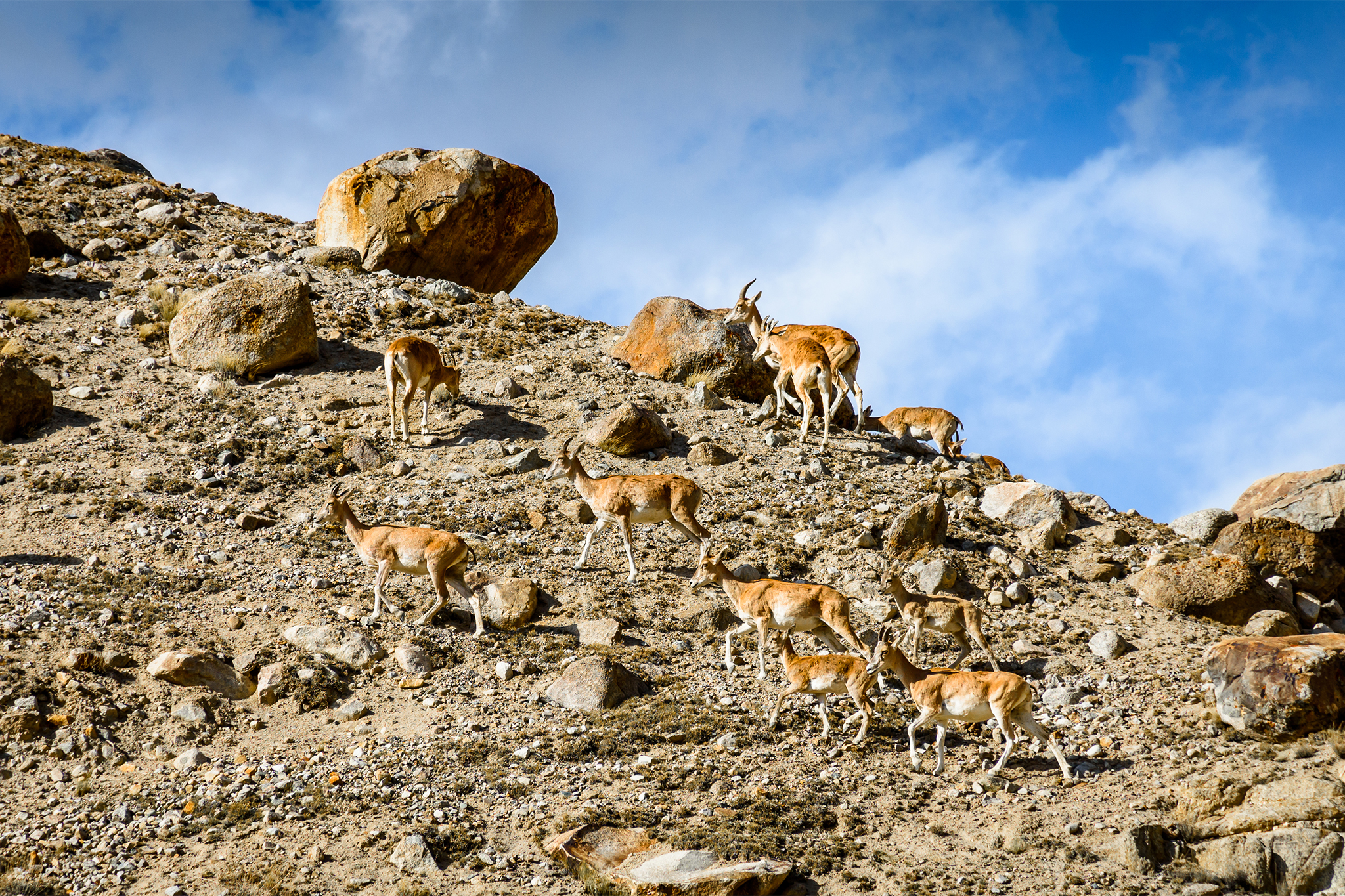
2 months agoBlack and white and sent back over: end of panda diplomacy as Japan returns bears to China
The panda house at Ueno Zoo in Tokyo is not due to open for several hours, but visitors are already milling around its entrance, pausing to pose for photographs in front of murals of the facility's most beloved residents. A short walk away the gift shop is doing a roaring trade in themed souvenirs from cuddly toys and stationery to T-shirts and biscuits. The visitors are here to say goodbye to Xiao Xiao and Lei Lei.
World news
fromFuturism
2 months agoTiny Deer Takes on 1.7-Ton Rhinoceros
In a naturalistic rendition of David vs. Goliath, a 28-pound Reeves's muntjac named Tata, a small deer species native to Asia, took on Maruśka, a 1.7-ton female rhinoceros, in a fierce head-to-head at the Wroclaw Zoo in Poland. A video that's gone viral on social media shows the miniature deer fiercely standing its ground and charging at the far more massive rhino, clashing into its horn-tipped snout with tiny antlers.
Miscellaneous
fromwww.independent.co.uk
2 months agoGovernment urged to make reckless' act of trail hunting illegal
From reproductive rights to climate change to Big Tech, The Independent is on the ground when the story is developing. Whether it's investigating the financials of Elon Musk's pro-Trump PAC or producing our latest documentary, 'The A Word', which shines a light on the American women fighting for reproductive rights, we know how important it is to parse out the facts from the messaging.
UK politics
Arts
fromCN Traveller
2 months agoCentral Africa's rainforest wilderness is the back-to-nature safari destination we're dreaming of
Gabon is a sparsely populated Central African country dominated by rainforest, preserving rich traditional spiritual practices like Bwiti closely tied to nature and community life.
World news
fromwww.theguardian.com
2 months agoIndia arrests environmental campaigners for activities against the national interest'
Indian authorities raided environmental activist Harjeet Singh's home over alleged foreign-funded advocacy for the Fossil Fuel Non-Proliferation Treaty that may threaten national interests.
Environment
fromwww.theguardian.com
1 month agoThat's a losing battle': baboon incursions cause tense human-wildlife standoff in Cape Town
Increasing baboon populations in Cape Town, driven by urban expansion and lack of predators, are causing frequent human-baboon conflicts and traumatic intrusions into communities.
Environment
fromFortune
1 month agoAnimal behavioralists saved a rhino with bleeding eyes by giving it eye drops, in a "ridiculous idea" gone right | Fortune
Voluntary training allowed caretakers to safely administer eyedrops to an endangered white rhino in Zimbabwe, preserving vision and protecting a community reintroduction program.
fromwww.theguardian.com
1 month agoCecil: The Lion and the Dentist review inside the horrific big cat killing that outraged the world
There are a lot of unanswered possibly unanswerable questions in the air at the moment. Questions such as what prompts a husband to drug his wife and, for a decade, invite strange men over to his house to rape her while she lies unconscious in the marital bed? Or: what kind of a person do you have to be to hang around with a convicted child sexual offender and billionaire who is exercising his perversions in plain sight,
Environment
Environment
fromwww.theguardian.com
2 months agoAfrica's great elephant divide: countries struggle with too many elephants or too few
Elephant numbers contrast sharply: catastrophic declines in South Sudan, with a lone collared bull in Badingilo, versus overabundance and human conflict in parts of Kaza.
fromIndependent
2 months ago'It's not about ticking off the Big Five' - Booking a safari this year? Here's how to make sure it's ethical
Demand for safari holidays is growing, so how can you do it without harming animals, people or the landscape? Last summer, images were shared of a scene in Tanzania's Serengeti National Park - a large group of jeeps and dozens of tourists standing outside taking pictures of 'The Great Migration' and blocking wildebeests' traditional crossing point. Jeep traffic jams have also been widely reported in other parks, including Sri Lanka's Yala, known for its high density of leopards.
Environment
fromwww.dw.com
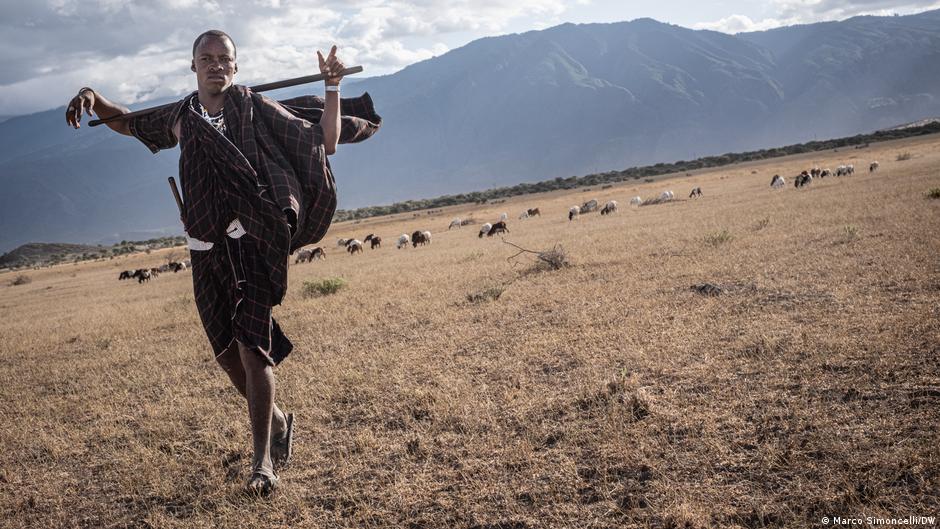
2 months agoThe business of saving nature
The world spends 30 times more money destroying nature than protecting it. That's according to a new report from the United Nations Environment Programme (UNEP) that exposes a massive gulf between so-called "harmful investments" and financing that promotes nature preservation. The global environment agency's latest "State of Finance for Nature" (SNF) report is calling to phase out the US$7.3 trillion (6.2 trillion) in global investments that damage nature including into high-emissions energy infrastructure and manufacturing, for example.
Environment
Environment
fromwww.theguardian.com
2 months agoIndonesia takes action against mining firms after floods devastate population of world's rarest ape
Indonesia revoked 28 company permits and sued six firms for environmental damage after floods and landslides devastated Batang Toru, killing 1,100 people and Tapanuli orangutans.
fromwww.theguardian.com
2 months agoThe Guardian view on risks from biodiversity collapse: warnings must be heeded before it's too late | Editorial
Originally due to be published in the autumn, the review appears to have had some sections removed. An earlier version is reported to have included warnings about the risks of eco-terrorism and the growing likelihood of war between China, India and Pakistan due to competition over a shrinking water supply from the Himalayas.
Environment
[ Load more ]