#political-missteps
#political-missteps
[ follow ]
#pam-bondi #reform-uk #trump-administration #jeffrey-epstein #politics #labour-party #trump #elections #leadership
fromIndependent
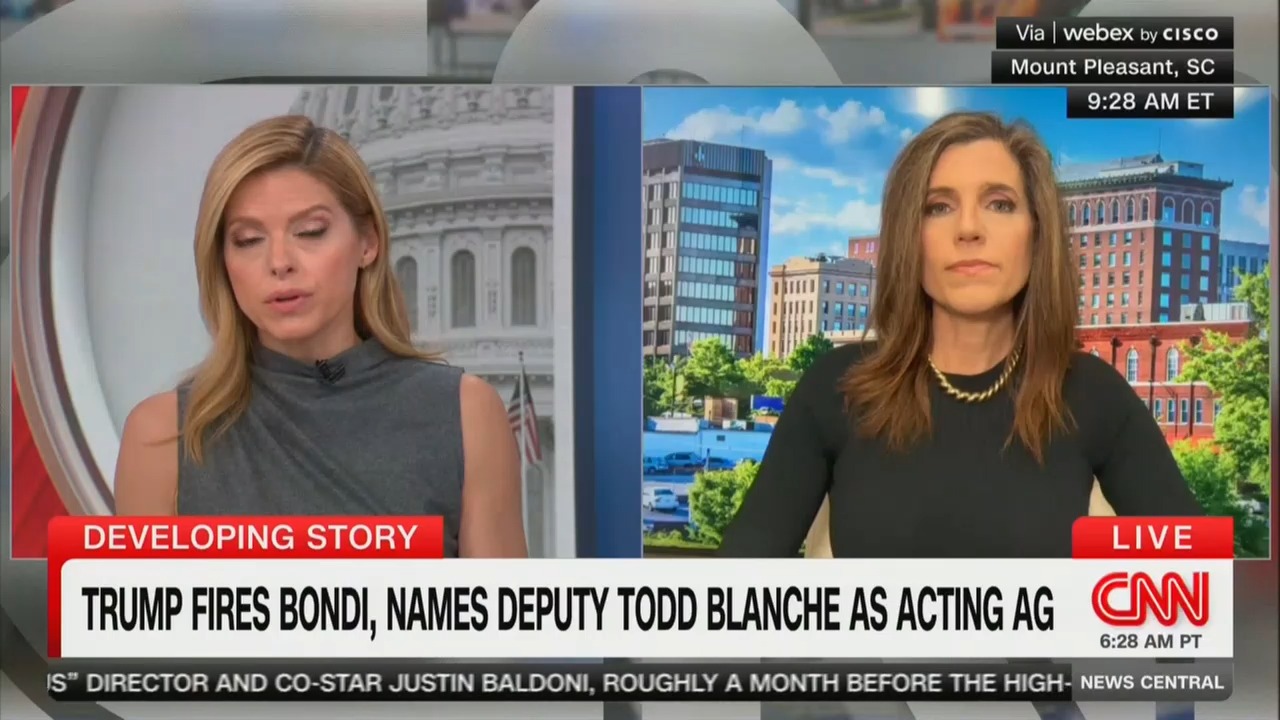
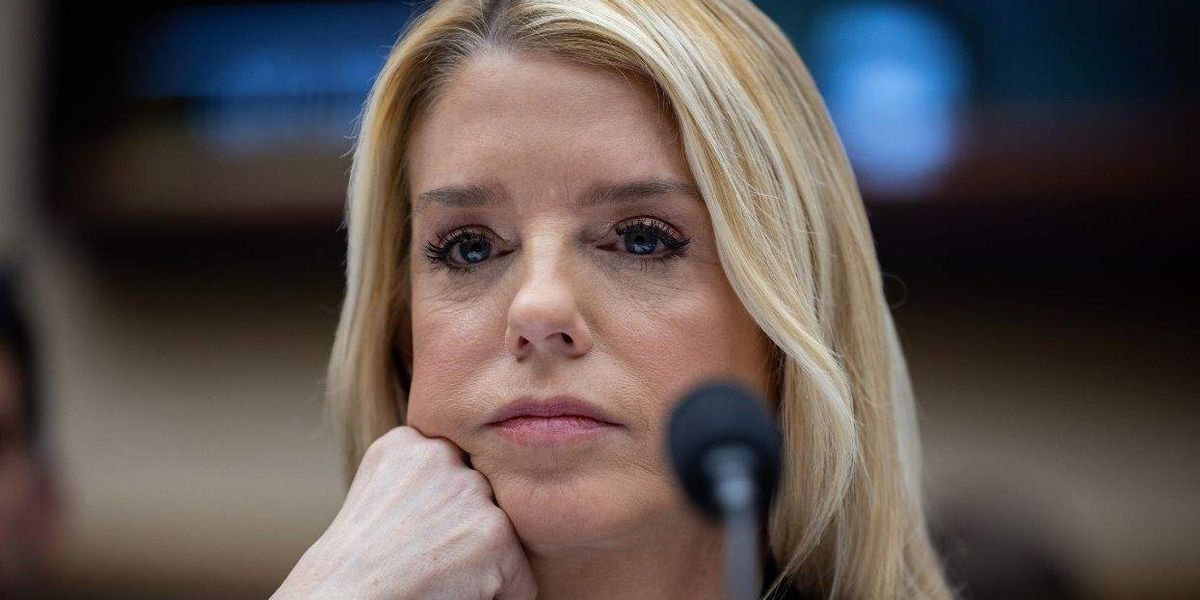
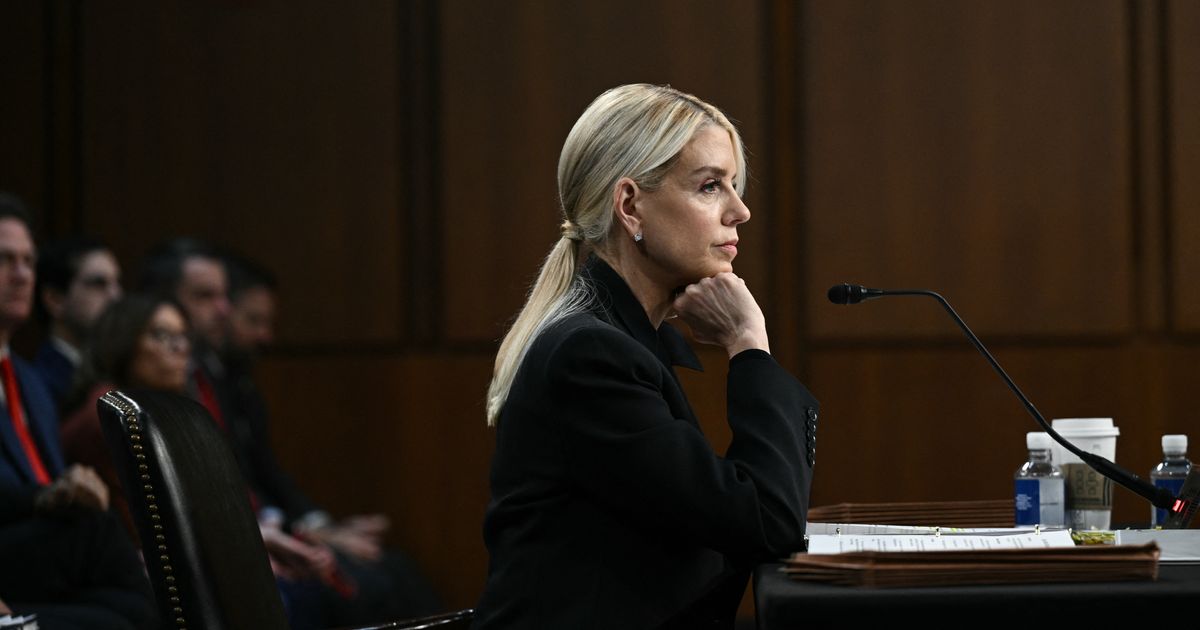
1 day agoCaitriona Perry: Pam Bondi's sacking shows that loyalty to Donald Trump is rarely returned
Loyalty seems to be a one-way street in Washington these days. Supporters vow to serve at the pleasure of the president, to march behind, or stand beside, a man that demands loyalty.
Washington DC
fromwww.dw.com
1 day agoKenya: Energy execs step down amid fuel manipulation prob
The manipulation of fuel stock data was intended to justify an emergency import of fuel even though Kenya has several standing contracts. Despite the war in Iran, Saudi Aramco Trading Fujairah and others were meeting their contractual obligations.
World news
Media industry
fromNonprofit Quarterly | Civic News. Empowering Nonprofits. Advancing Justice.
5 days agoPolitics in an Attention Economy | Nonprofit Quarterly | Civic News. Empowering Nonprofits. Advancing Justice.
Candidates must be cultural figures to succeed in today's American politics, navigating an attention economy shaped by algorithms.
fromCalifornia Post
5 days agoLefty SF Supervisor had been absent for several weeks before her leave of absence was made public
"She wants to regain stable health so she can thoughtfully and responsibly consider her options," her office told ABC7 Eyewitness News in a statement announcing her leave of absence and addressing the condition of her mental health.
Mission District
fromwww.theguardian.com
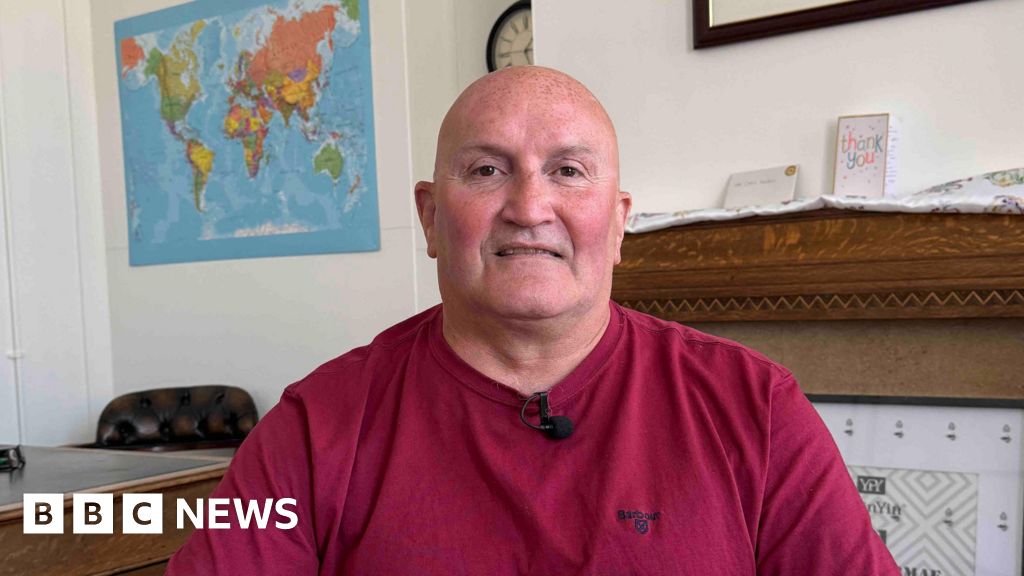
2 days agoVoters in Wales failed by inaccurate UK media reports on devolved issues, study finds
Prof Stephen Cushion stated that news reporting failing to differentiate between the UK's devolved governments neglects audiences' constitutional needs. He emphasized that issues like housing and healthcare are governed differently in Wales, which is often invisible in UK-wide news.
UK politics


US Elections
fromTruthout
2 weeks agoTrump Is Destroying US Democracy at Unprecedented Rate, Global Watchdog Finds
Trump's second term has dismantled U.S. democracy at an unprecedented rate, concentrating executive power while suppressing dissent and civil rights faster than autocratic leaders in other countries.
fromFast Company
4 weeks agoWhy strong leaders lose credibility in high-stakes moments
What most leaders label as a content problem is actually a presence problem. Leaders often assume credibility rises and falls based on wording alone. In reality, credibility is shaped by executive presence, which reflects the signals leaders send about confidence, clarity, and authority before their ideas are fully heard.
Psychology
US politics
fromwww.mediaite.com
5 days agoCNN Anchor Confronts House Democrat Over Congress Getting Paid During DHS Shutdown: Americans Feel You Guys Just Don't Get It'
The ongoing government shutdown is causing significant public frustration and hardship, with calls for Congress to feel the impact of their decisions.
Left-wing politics
fromwww.theguardian.com
1 month agoThe Your Party committee election was chaos. Why break the habit of a lifetime?
Your Party's internal dysfunction, marked by leadership conflicts, financial misconduct allegations, and organizational chaos, has become embedded in its corporate culture, exemplified by a failed livestreamed election results announcement.
UK politics
fromwww.theguardian.com
2 weeks agoBan corporate donations to UK political parties to protect elections, says thinktank
A thinktank warns that proposed UK election funding reforms inadequately address foreign interference through corporate donations and recommends banning corporate donations outright.
fromFast Company
2 months agoOur embrace of individuals over institutions isn't serving us well
In the early 20th century, sociologist Max Weber noted that sweeping industrialization would transform how societies worked. As small, informal operations gave way to large, complex organizations with clearly defined roles and responsibilities, leaders would need to rely less on tradition and charisma, and more on organization and rationality. He also foresaw that jobs would need to be broken down into specialized tasks and governed by a system of hierarchy,
History
Philosophy
fromApaonline
2 months agoIn the Midst of a Crisis: Relational Liberalism and the Contemporary Challenges to Democratic Legitimacy
Contemporary democracies face a legitimacy crisis driven by widespread erosion of trust, causing representation breakdowns, unchecked power, and extreme asymmetries in wealth, status, and influence.
fromPsychology Today
2 months agoHow to Have Better Political Conversations
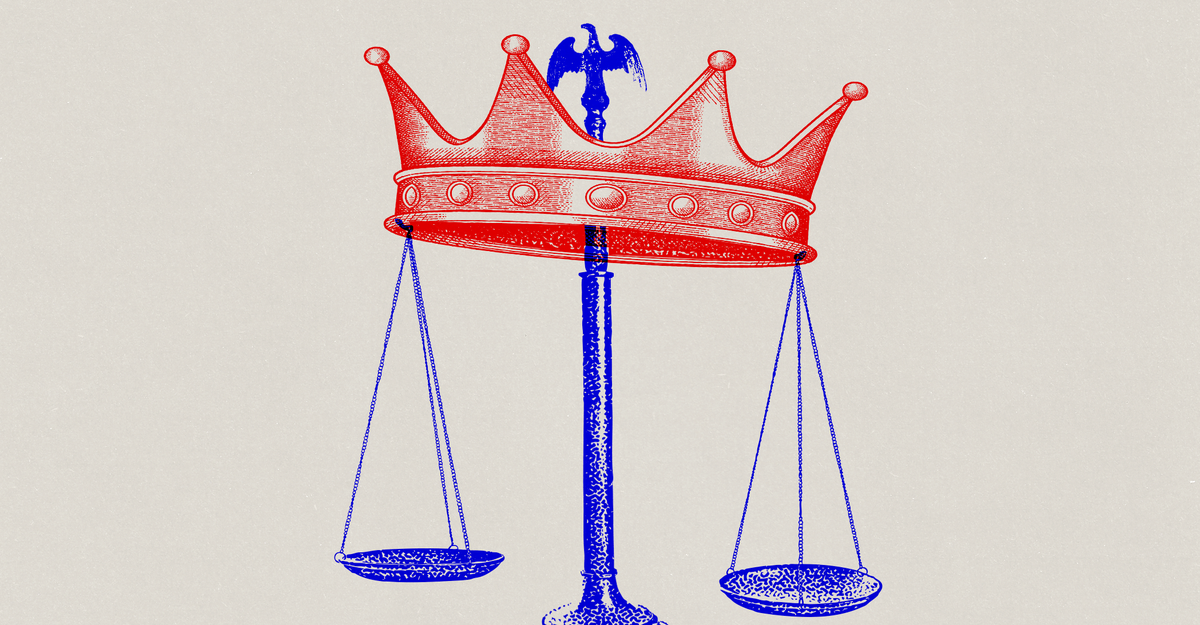
The principle of intellectual charity is fundamental to constructive political conversations. This principle states that, in any discussion, we should accept the best version of an opponent's ideas, not a distorted version or a "straw man." Exaggeration and distortion of opposing opinions (always present, to some degree, in political debates) have become the standard form of political argument in contemporary America.
Philosophy

UK politics
fromwww.theguardian.com
1 month agoThe Guardian view on violent online rhetoric: all politicians have a duty to set a civil tone | Editorial
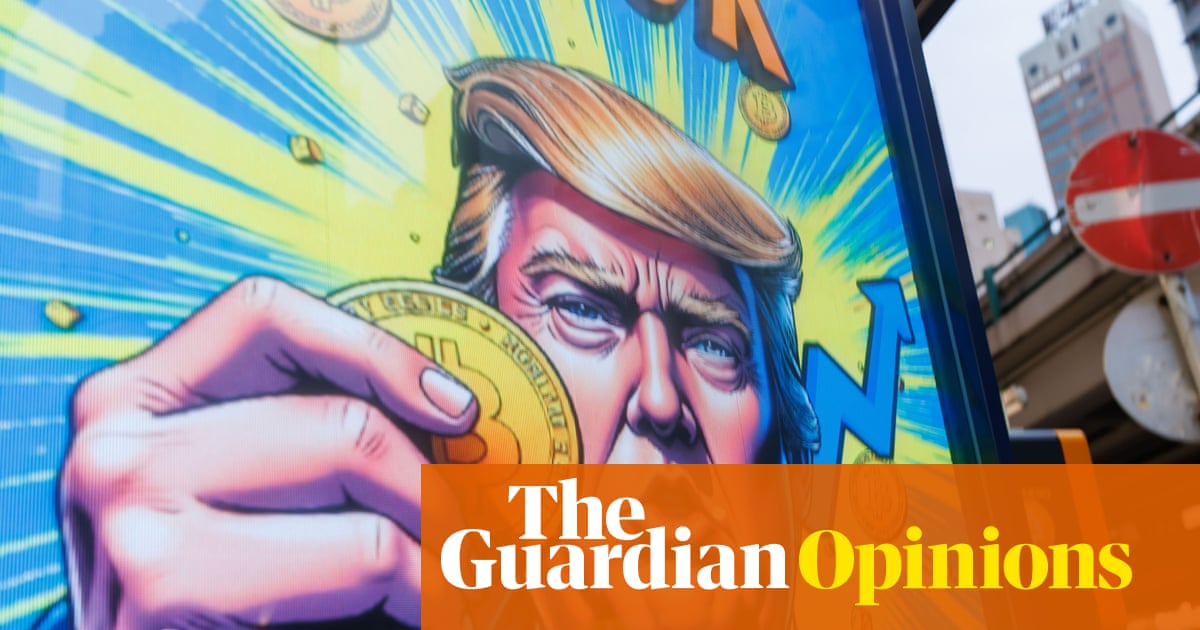
Politicians must exercise judgment before sharing social media content, as false posts and violent rhetoric endanger public figures and discourage political participation.

UK politics
fromwww.theguardian.com
1 month agoCouncil leader claims local authority bullied' to delay polls for extra funding and powers
Norfolk council leader withdrew from devolution and LGR after government reversed election postponement, accusing ministers of bullying by tying funding and powers to cancelling elections.
UK politics
fromwww.theguardian.com
2 months agoThe Guardian view on the Mandelson-Epstein emails: unavoidable questions of misconduct in public office | Editorial
Lord Mandelson should be investigated and stripped of his peerage for alleged financial payments and improper communications with Jeffrey Epstein while holding public office.
fromFuturism
2 months agoDemocracy Itself Is Falling Apart, Harvard Professor Warns
In the wake of ruthless arrests of journalists Don Lemon and Georgia Fort in Minneapolis, one Harvard political scientist is arguing something many of us have suspected for a long time: the US is moving away from its traditional democratic framework toward a fundamentally different system of governance. In an interview with the media industry publication Status, Harvard political scientist Steven Levitsky made the case that the Trump administration's assault on democratic norms has now become extreme, even by the standards of right-wing dictators.
US politics
fromwww.theguardian.com
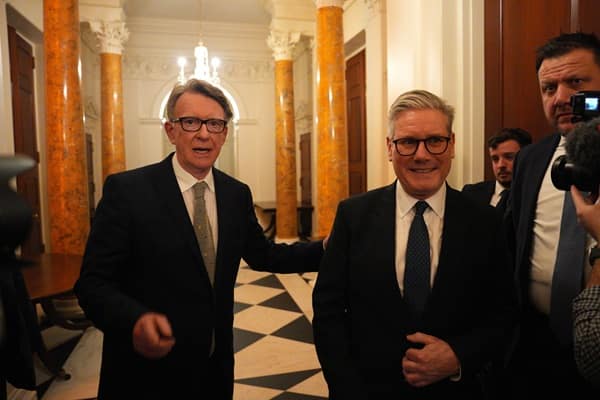
2 months agoPoliticians should take a tip from product managers and treat U-turns' as iterations | Letter
Kemi Badenoch's recent ridiculing of the prime minister over a supposed U-turn on digital ID plans (Keir Starmer denies change to digital ID plan is yet another U-turn, 14 January) is the latest example of a frustratingly narrow view of leadership. To the Conservative leader, adapting a policy is a sign of no sense of direction; to those of us who work in product management, it looks like necessary iteration of the process.
UK politics
[ Load more ]