#polluter-liability
#polluter-liability
[ follow ]
#public-health #epa #air-pollution #climate-policy #environmental-policy #sustainability #climate-change
fromFuturism
10 hours agoPolymarket Has Turned Our Climate Apocalypse Into a Casino
"Gambling on the weather has become an institution throughout a great part of the United States." This sentiment from the Fort Worth Star-Telegram in 1915 highlights the long-standing tradition of weather betting in American culture.
Poker
US politics
fromCommon Dreams
2 days agoAs Trump Pushes 'Polluters First Agenda,' 2027 Budget Blasted as 'Bloody New Deal' | Common Dreams
Trump's 2027 budget request prioritizes military spending while cutting social and scientific programs, raising concerns about accountability and environmental impact.

#911
NYC politics
fromwww.amny.com
6 days agoA moral injury': City sued over not releasing information on Lower Manhattan air quality danger after 9/11 attack | amNewYork
Advocates are suing New York City for transparency regarding air quality information post-9/11 to seek accountability and answers, not compensation.


fromLos Angeles Times
2 weeks agoIndustry groups sue California over Truth in Recycling law
SB 343 forces dairy product manufacturers to remove vital recycling guidance from the very cartons Californians rely on every day. This law ignores the reality of our recycling infrastructure and unconstitutionally restricts our right to provide transparent recycling instructions to consumers. We are seeking to stop this policy before it leads to more waste and disrupts our ability to deliver milk to California families and schools.
Intellectual property law
Agriculture
fromEarth911
2 weeks agoConvenience Comes at the Environment's Expense
Fast delivery convenience carries significant environmental costs through packaging waste, carbon emissions, and resource consumption, but individual yard management choices can meaningfully reduce environmental impact at a local scale.
fromwww.theguardian.com
3 days agoThe dark side of the balloon boom is it time they were banned?
In 2019, scientists found that balloons eaten by seabirds are more likely to kill them than other kinds of plastic yet they do not seem to have been earmarked in the same way as, for example, plastic straws.
Public health
SF politics
fromABC7 San Francisco
3 weeks agoEnvironmental groups sue to stop Trump's water diversions in California
Trump's executive order diverts more federal water to Central Valley farmers, bypassing state officials and environmental protections, prompting lawsuits from environmental groups claiming violations of the Endangered Species Act.
California
fromLos Angeles Times
1 month agoCalifornia's plastic bill faces challenges from federal court and GOP attorneys general
California's single-use plastic law faces legal challenges from federal courts and Republican attorneys general who claim plastic reduction initiatives violate antitrust laws and harm consumers through corporate collusion.
fromFortune
1 month agoExxon can sue California's AG for defamation over recycling comments, judge rules | Fortune
Here, the contribution request betrays the email's true nature: a campaign promotion. Campaigning is not within Bonta's scope of employment. The judge pointed to a campaign email Bonta sent to Texas residents saying that only 5% is recycled and the rest ends up in the environment and in our bodies: 'Exxon Mobil knew, and Exxon Mobil lied.'
US politics
fromEngadget
2 weeks agoStates are suing the EPA for relinquishing its role as a greenhouse gas emissions regulator
The lawsuit specifically argues that the EPA's decision to rescind a 2009 study that determined greenhouse gases are dangerous to public health was illegal. The study, which is the source of what's called the "Endangerment Finding," was one of several justifications - along with things like the Clean Air Act - for the agency's ability to regulate emissions.
Environment
Environment
fromwww.aljazeera.com
2 weeks agoUS states file lawsuit challenging Trump's revocation of climate finding
Twenty-three states filed a legal challenge against Trump's revocation of the 2009 endangerment finding that established climate change as a threat to human health and environment, which formed the basis for federal greenhouse gas emission regulations.
#climate-litigation
Environment
fromArs Technica
2 weeks agoEmerging legislation would shield polluters from liability for climate change
Republican lawmakers are advancing proposals to shield fossil fuel companies from climate liability lawsuits while communities and states pursue legal action for climate damages and deceptive practices.

Environment
fromArs Technica
2 weeks agoEmerging legislation would shield polluters from liability for climate change
Republican lawmakers are advancing proposals to shield fossil fuel companies from climate liability lawsuits while communities and states pursue legal action for climate damages and deceptive practices.
fromwww.cbc.ca
2 months agoTop court asked to reopen climate case after Ontario scraps emissions target law | CBC News
Young activists behind a legal challenge of Ontario's climate plan are set to ask the province's highest court to revive their case. Premier Doug Ford's government put the case in limbo late last year when it gutted its own climate legislation days before it was to answer for its weakened 2018 emissions target in court. Courts had previously found the gap between that target and what's required to help avoid severe climate impacts was large and without any apparent scientific basis.
Canada news
California
fromThe Mercury News
2 months agoLetters: If polluters paid for damage, state's deficit would be less
Fossil fuel companies should be held financially responsible for climate-driven damages to reduce taxpayer burdens and accelerate the transition to renewable electricity and all-electric buildings and vehicles.
fromwww.theguardian.com
1 month agoDirty water, death and decline: the inside story of a privatisation scandal
Sarah Lambert took her usual morning swim for 40 minutes off Exmouth town beach before her volunteer shift helping disabled people get access to the water. A wheelchair user herself, Lambert's regular sea swims twice a week between the lifeboat station and HeyDays restaurant were the perfect form of exercise for her disability.
Public health
Environment
fromwww.theguardian.com
3 weeks agoMining's toxic timebomb: dams full of poisonous waste are dotted around the world. What happens when they burst?
A tailings dam collapse at a Chinese copper mine in Zambia released over 50 million cubic liters of acid and heavy metals into the Kafue River, causing widespread environmental devastation, water supply shutdowns, and agricultural destruction affecting millions of people.
Environment
fromThe Nation
3 weeks agoRep. Summer Lee: The Fight for Environmental Justice Is Far From Over
The Trump administration has rolled back environmental protections, eliminated greenhouse gas regulations, and granted fossil fuel companies exemptions and tax breaks worth billions, prioritizing corporate donors over public health and climate action.
#epa-enforcement-decline
Environment
fromArs Technica
3 weeks agoWhat crackdown? Trump's EPA enforcement claims don't pass sniff test.
EPA criminal enforcement cases dropped 76 percent in Trump's first year compared to Biden's first year, with only 16 cases filed despite recent high-profile prosecutions and $17 million in criminal fines.
Environment
fromTruthout
4 weeks agoHouse Bill Could Weaken EPA Oversight of Hazardous Chemicals
House conservatives propose rolling back 2016 reforms to the Toxic Substances Control Act, weakening EPA authority to regulate hazardous chemicals despite ongoing groundwater contamination cases like Jones Road.
fromNonprofit Quarterly | Civic News. Empowering Nonprofits. Advancing Justice.
2 months agoEnvironmental Advocates Confront Trump's Fossil Fuel Agenda | Nonprofit Quarterly | Civic News. Empowering Nonprofits. Advancing Justice.
But to environmental advocates, the announcement sounded less like relief and more like a bill for working people, one that would result in higher fuel costs, increased pollution, and a slower path to clean energy. Critics warn that the decision represents a blow to the energy transition and a significant setback in the fight against climate change overall.
US politics
Public health
fromNonprofit Quarterly | Civic News. Empowering Nonprofits. Advancing Justice.
2 months agoThe Polluters Down the Street-EPA Changes Put Lives at Risk | Nonprofit Quarterly | Civic News. Empowering Nonprofits. Advancing Justice.
Air quality monitoring and Clean Air Act regulations have reduced PM2.5, prevented hundreds of thousands of early deaths, and improved average life expectancy.
fromLos Angeles Times
2 months agoA push to end a fractured approach to post-fire contamination removal
The patchwork efforts to identify and safely remove contamination left by the 2025 Eaton and Palisades fires has been akin to the Wild West. Experts have given conflicting guidance on best practices. Shortly after the fires, the federal government suddenly refused to adhere to California's decades-old post-fire soil-testing policy; California later considered following suit. Meanwhile, insurance companies have resisted remediation practices widely recommended by scientists for still-standing homes.
Public health
fromwww.mercurynews.com
1 month agoSupreme Court agrees to hear from oil and gas companies trying to block climate change lawsuits
The Supreme Court said Monday that it will hear from oil and gas companies trying to block lawsuits seeking to hold the industry liable for billions of dollars in damage linked to climate change. The conservative-majority court agreed to take up a case from Boulder, Colorado, among a series of lawsuits alleging the companies deceived the public about how fossil fuels contribute to climate change.
Environment
fromwww.theguardian.com
1 month agoThey pushed so many lies about recycling': the fight to stop big oil pumping billions more into plastics
Then she read an article in this newspaper, just over eight years ago, and discovered that fossil fuel companies had ploughed more than $180bn (130bn) into plastic plants in the US since 2010. It was a kick in the teeth, says Gardiner. You're telling me that while I am beating myself up because I forgot to bring my water bottle, all these huge oil companies are pouring billions She looks appalled. It was just such a shock.
Environment
fromTruthout
2 months agoNew Lawsuit Challenges Trump's Exemptions for Polluters
Last spring, the Environmental Protection Agency made a surprise announcement: President Donald Trump would consider giving some polluters exemptions from a handful of Clean Air Act rules. To get the ball rolling, all it would take was an email from a company making its case. The EPA set up a special inbox to receive these applications, and it gave companies about three weeks at the end of March to submit their requests for presidential exemption.
Environment
Environment
fromSocial Media Explorer
1 month agoEntorno Law and the Role of Public Interest Law in Protecting Communities and the Environment - Social Media Explorer
Public interest law ensures accountability and enforces environmental and consumer protections to safeguard public health, community welfare, and natural resources while promoting sustainability and fairness.
Environment
fromGlobal IP & Technology Law Blog
1 month agoGreenhushing: The Indirect Consequence of the Crackdown on Greenwashing?
Regulators increasingly enforce against vague or unsubstantiated environmental claims; advertisers must provide clear, high-level substantiation for "green" or "sustainable" statements.

fromAbove the Law
2 months agoJob Of The Month: Senior Attorney For Fossil Fuels - Above the Law
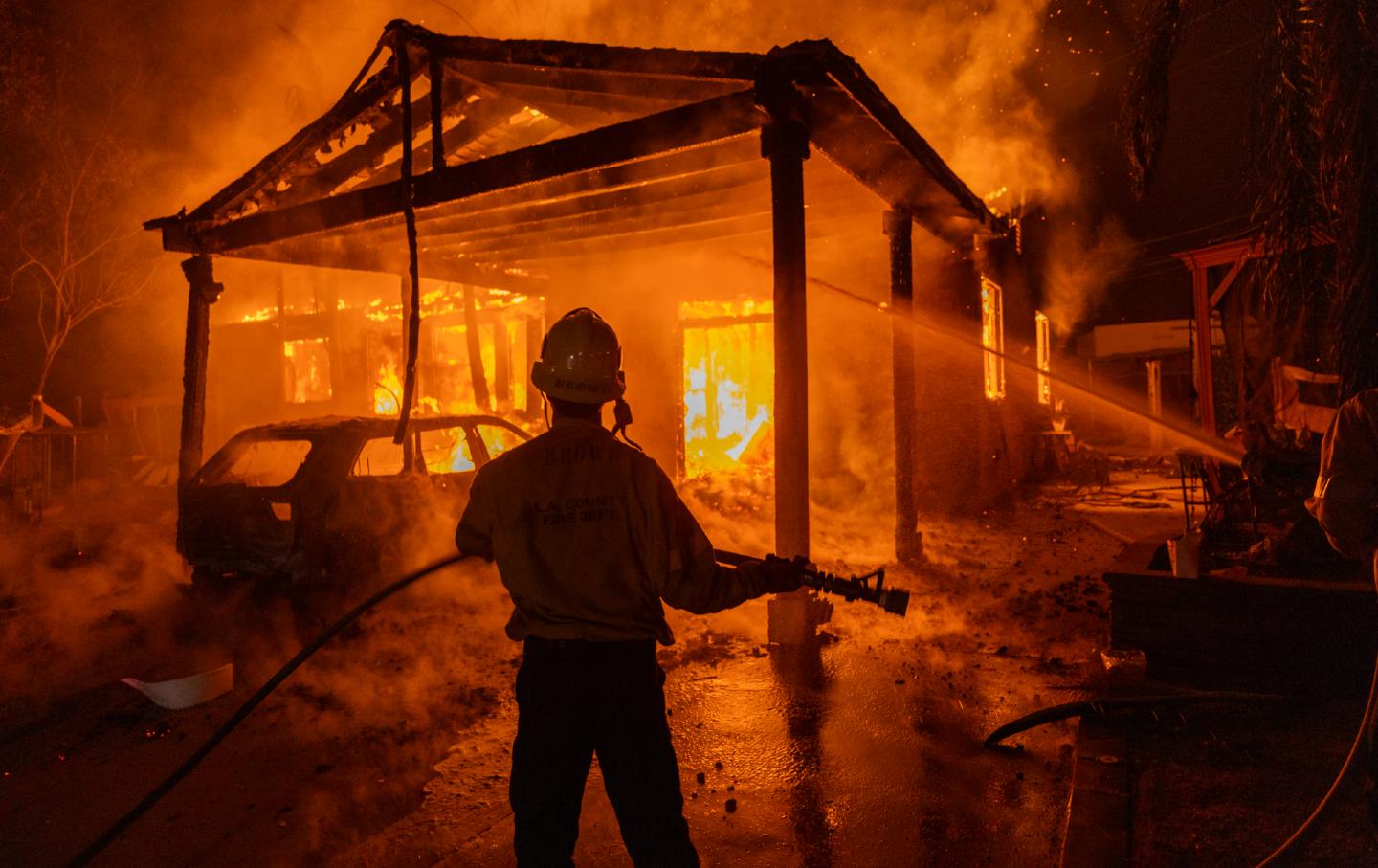
Earthjustice seeks a Senior Attorney to join the Fossil Fuels Program. We use the power of the law to challenge the onslaught of new oil and gas infrastructure development that threatens climate, communities, and the environment. This position will focus on oil and gas infrastructure and related projects in the U.S. Gulf region, particularly Louisiana and Texas. The attorney in this position will be place-based in the New Orleans' satellite office space shared
Environment
fromTruthout
2 months agoTrump's EPA Is Questioning Its Own Legal Authority to Regulate Pollutants
Ethylene oxide was once considered an unremarkable pollutant. The colorless gas seeped from relatively few industrial facilities and commanded little public attention. All that changed in 2016, when the Environmental Protection Agency completed a study that found the chemical is 30 times more carcinogenic than previously thought. The agency then spent years updating regulations that protect millions of people who are most exposed to the compound.
Environment
fromwww.dw.com
2 months agoThe business of saving nature
The world spends 30 times more money destroying nature than protecting it. That's according to a new report from the United Nations Environment Programme (UNEP) that exposes a massive gulf between so-called "harmful investments" and financing that promotes nature preservation. The global environment agency's latest "State of Finance for Nature" (SNF) report is calling to phase out the US$7.3 trillion (6.2 trillion) in global investments that damage nature including into high-emissions energy infrastructure and manufacturing, for example.
Environment

fromTechCrunch
1 month agoTrump administration undermines EPA enforcement of Clean Air Act | TechCrunch
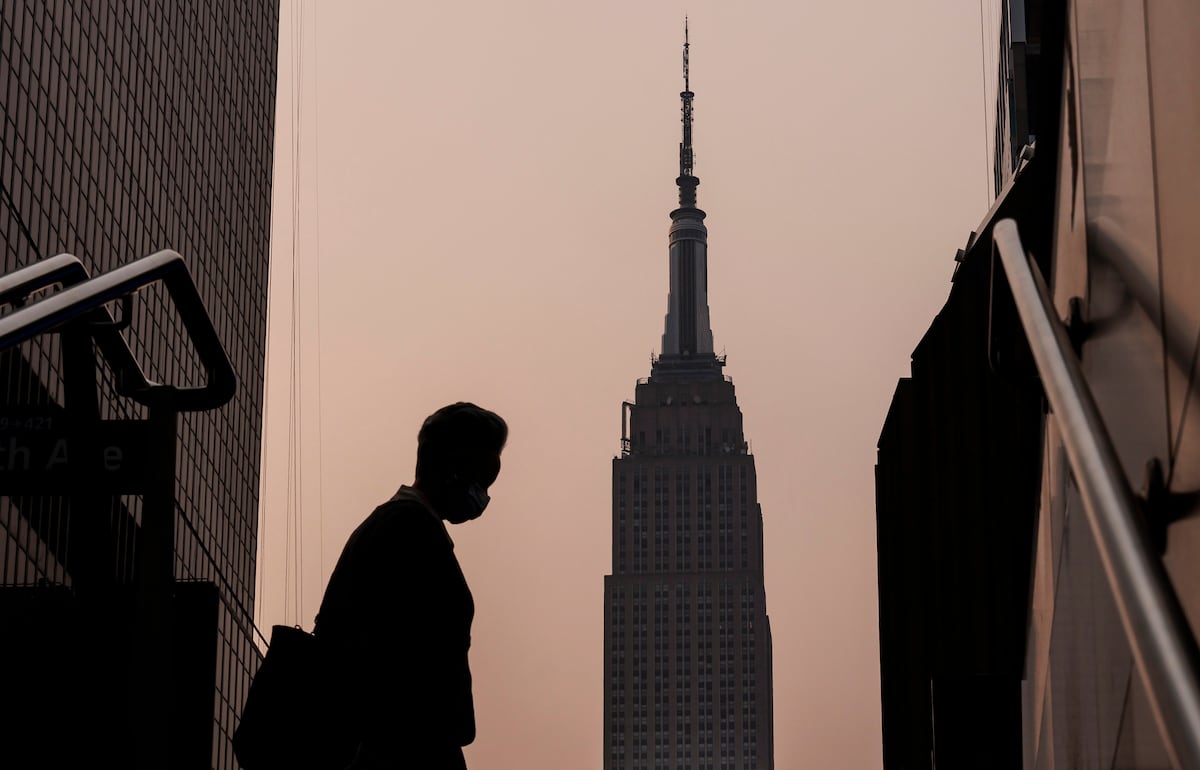
After months of telegraphing the move, the Trump administration today officially repealed the EPA's 2009 " endangerment finding," which found that greenhouse gases such as carbon dioxide and methane were a threat to human health and welfare. The finding had so far supported the agency's regulation of greenhouse gases under the Clean Air Act. Currently, the new rule only applies to car and truck tailpipe emissions, but it's expected to be the first of several similar changes to federal air pollution regulations.
Environment
[ Load more ]