#polylight-340mm
#polylight-340mm
[ follow ]
#smart-home #smart-lighting #lighting #home-improvement #interior-design #ambient-lighting #product-design



#lighting-design

fromRedfin | Real Estate Tips for Home Buying, Selling & More
3 weeks agoRenovation
5 Reasons Why Lighting Design Matters More Than You Think in Home Interiors
Thoughtful lighting design enhances home comfort, style, and well-being by supporting circadian rhythms and transforming how spaces feel and function.
fromYanko Design - Modern Industrial Design News
1 month agoDesign
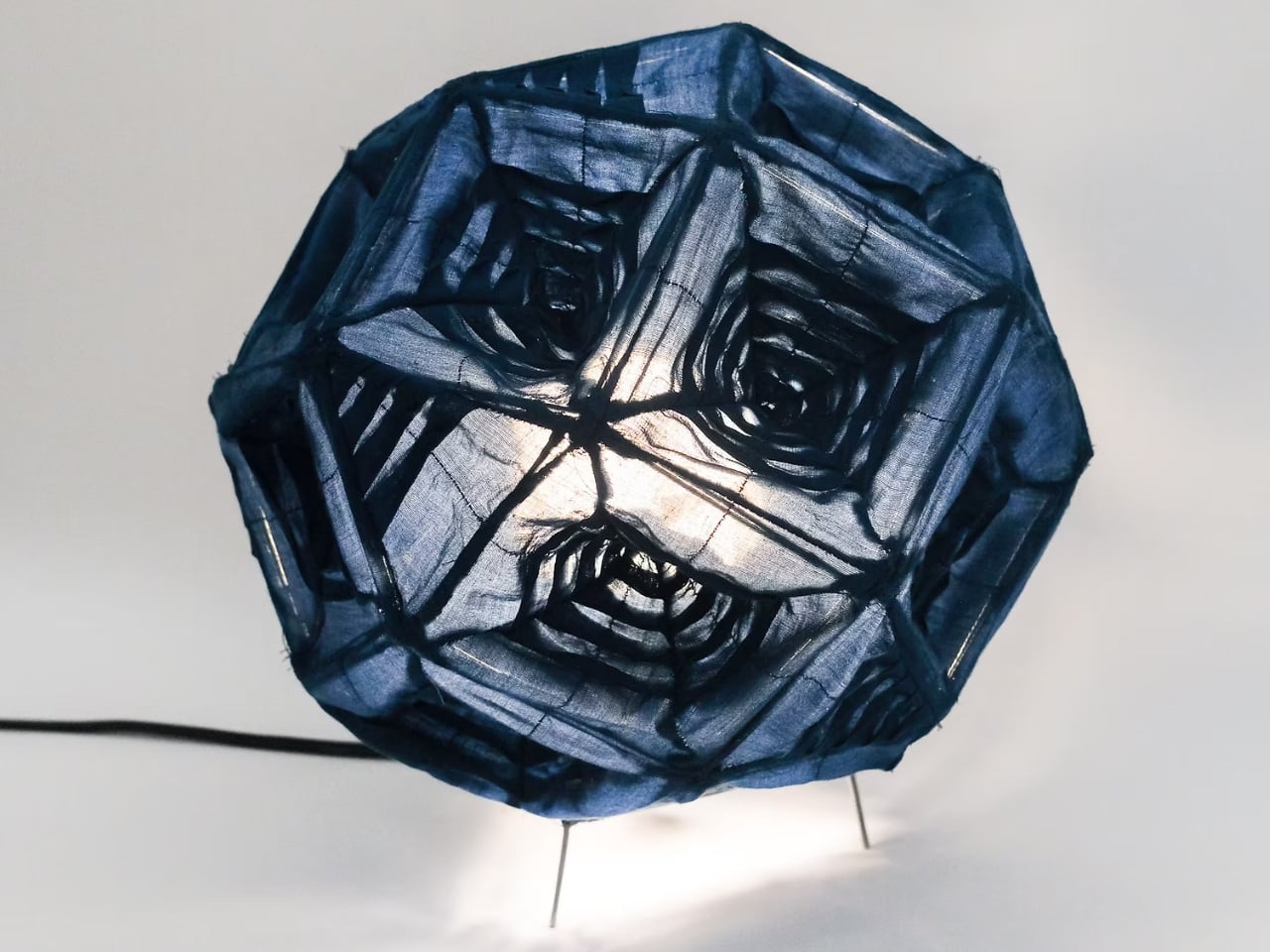
A 24-Sided Lamp That Reveals Hidden Colors When You Turn It On - Yanko Design
Aoi, a pleated lighting fixture by Ingrid Ng, combines traditional textile pleating techniques with geometric design to create a lamp that transforms through light interaction, balancing mathematical precision with human warmth.
Renovation
fromRedfin | Real Estate Tips for Home Buying, Selling & More
3 weeks ago5 Reasons Why Lighting Design Matters More Than You Think in Home Interiors
Thoughtful lighting design enhances home comfort, style, and well-being by supporting circadian rhythms and transforming how spaces feel and function.




UX design
fromYanko Design - Modern Industrial Design News
1 week agoYour Light Switch Is the Worst-Designed Thing in Your House. Inkslab Offers An Alternative - Yanko Design
Inkslab panel series transforms wall switches into a visually striking interface using irregular polygonal designs inspired by classical Suzhou gardens.

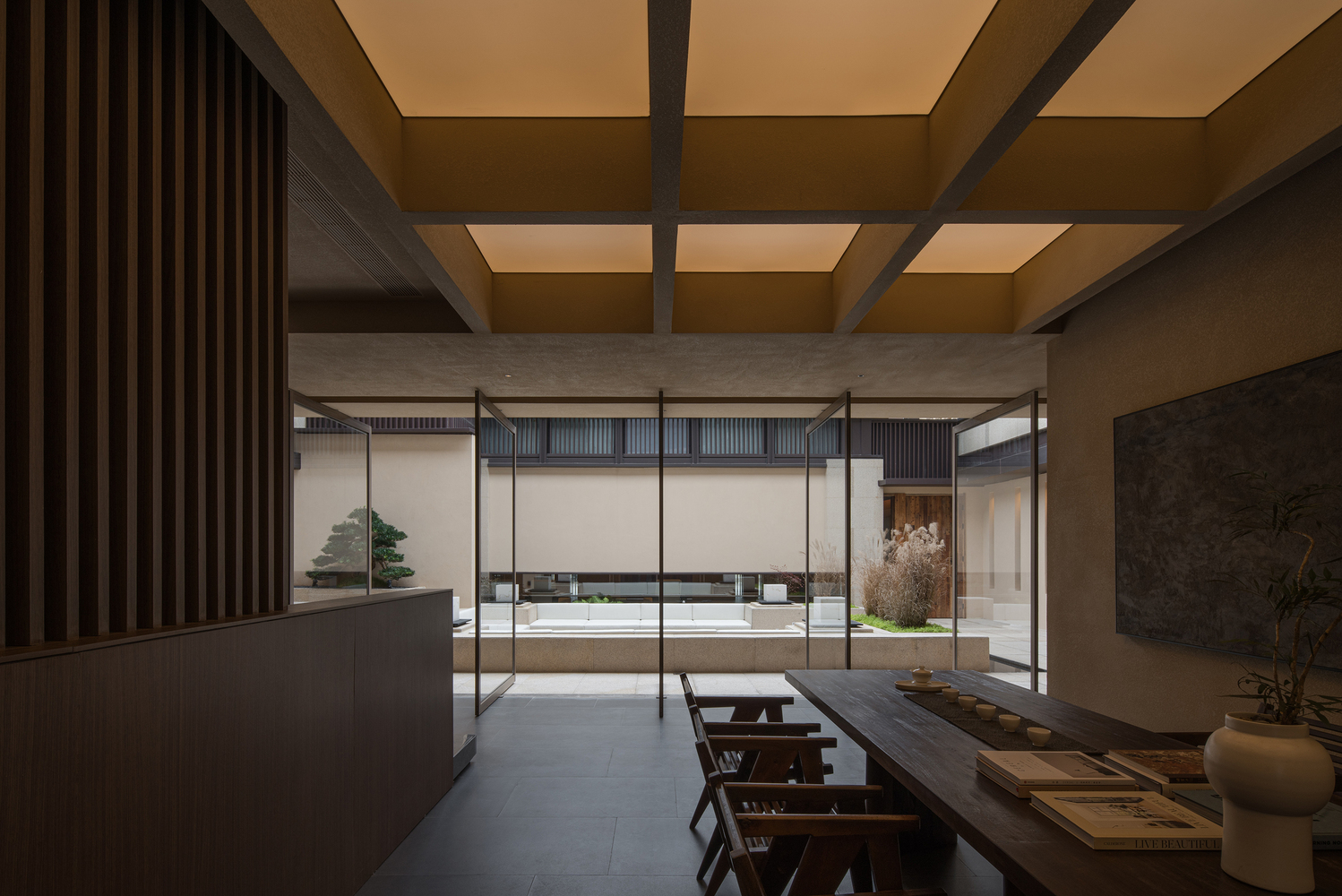
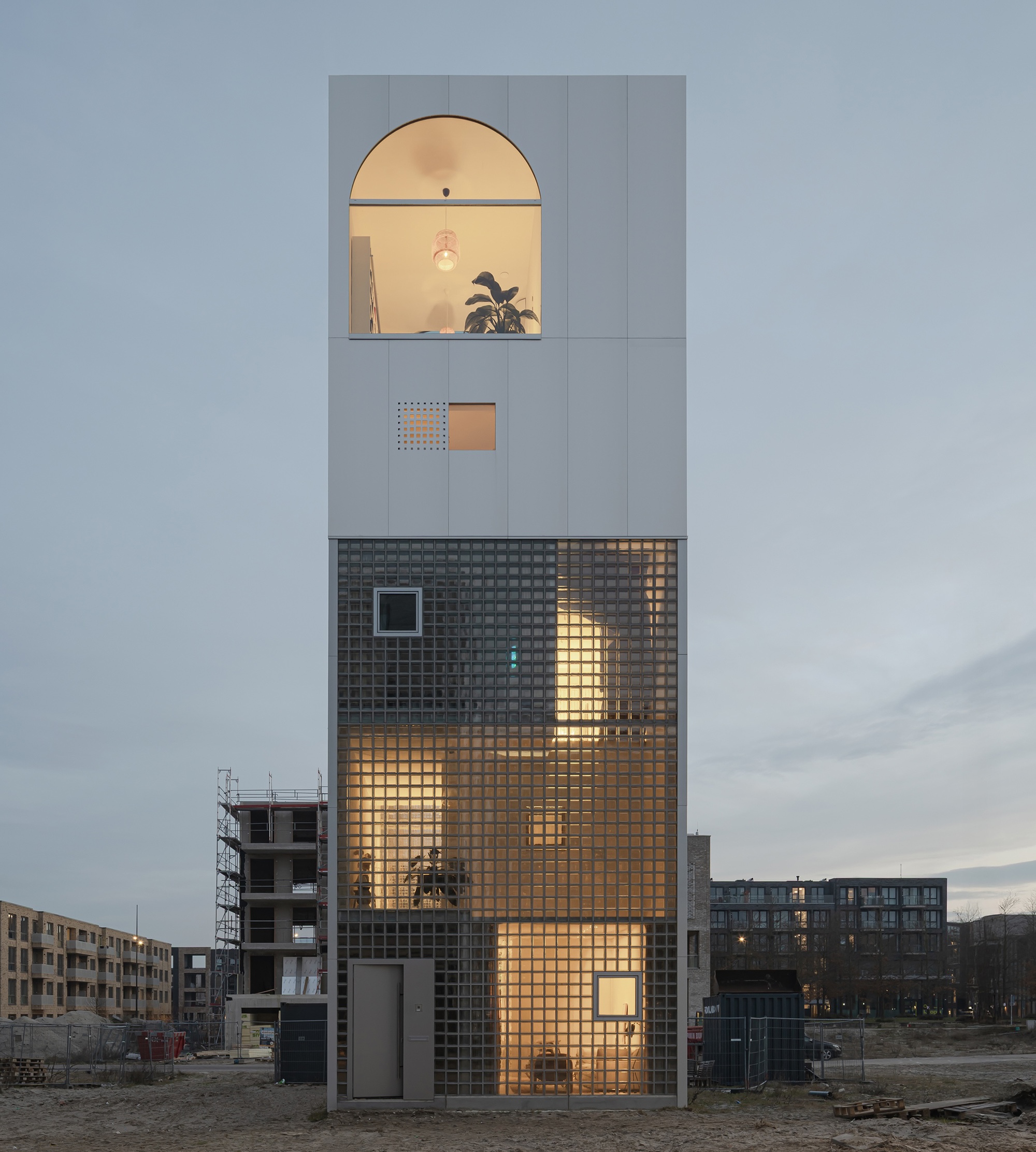
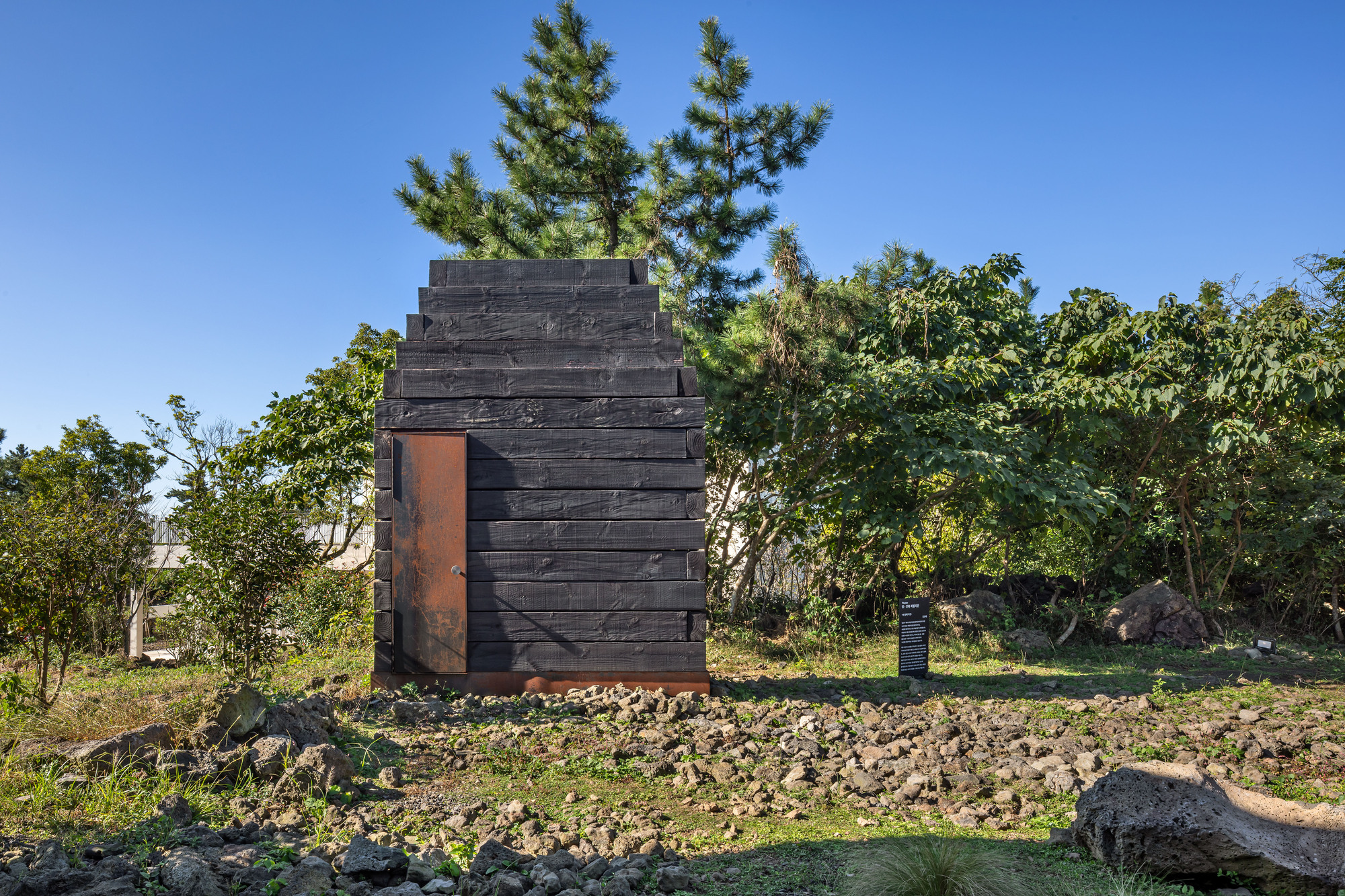
fromArchDaily
3 weeks agoLight from Above: Measuring and Designing Daylight Under Sloped Roofs
From Alpine chalets shedding snow to Mediterranean roof tiles mitigating summer heat, the slope responded to climate and construction challenges long before it became an aesthetic code. Although modern architecture has favored horizontal planes and orthogonal plans, the pitched roof requires a project to be conceived in section.
Miscellaneous
UX design
fromYanko Design - Modern Industrial Design News
2 weeks agoBuddy's Wind-Up Mood Lamp Is the Anti-App We All Need - Yanko Design
A portable mood lamp with a single mechanical winding key eliminates unnecessary technology complexity while providing eight science-informed light modes for different moods and activities.
fromNatural Health News
3 months ago"Bio-Veda" on BrightU: How to design a partially buried, self-sufficient home
Lynov's project, a hybrid design inspired by Earthship principles and geodesic domes, is designed to be partially buried in soil, leveraging the earth's natural insulation to create a stable, energy-efficient environment. The ambitious plan includes multiple vaulted rooms, a greenhouse tunnel entrance and a dedicated sauna.
Alternative medicine
#building-integrated-photovoltaics

Renovation
fromYanko Design - Modern Industrial Design News
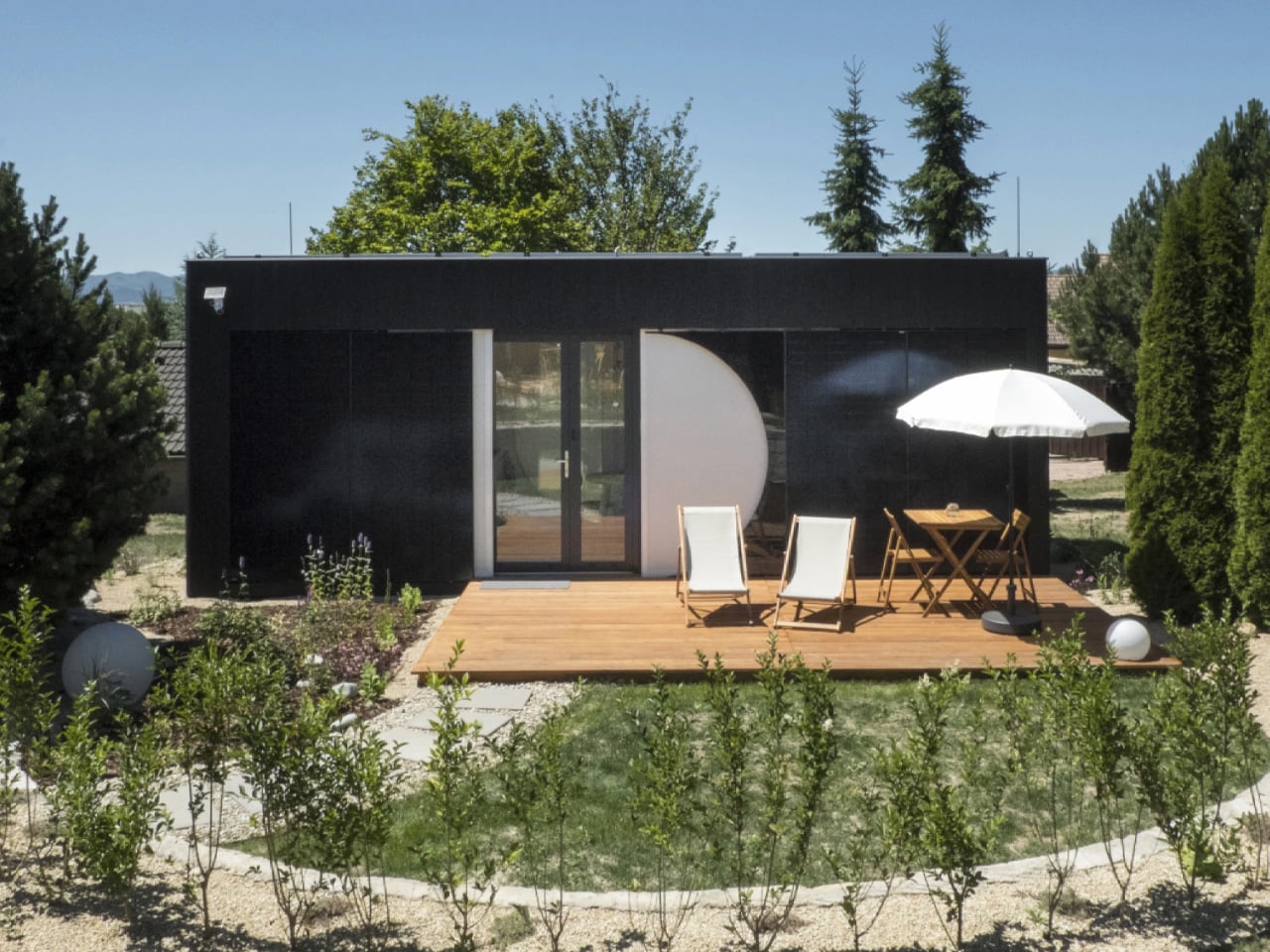
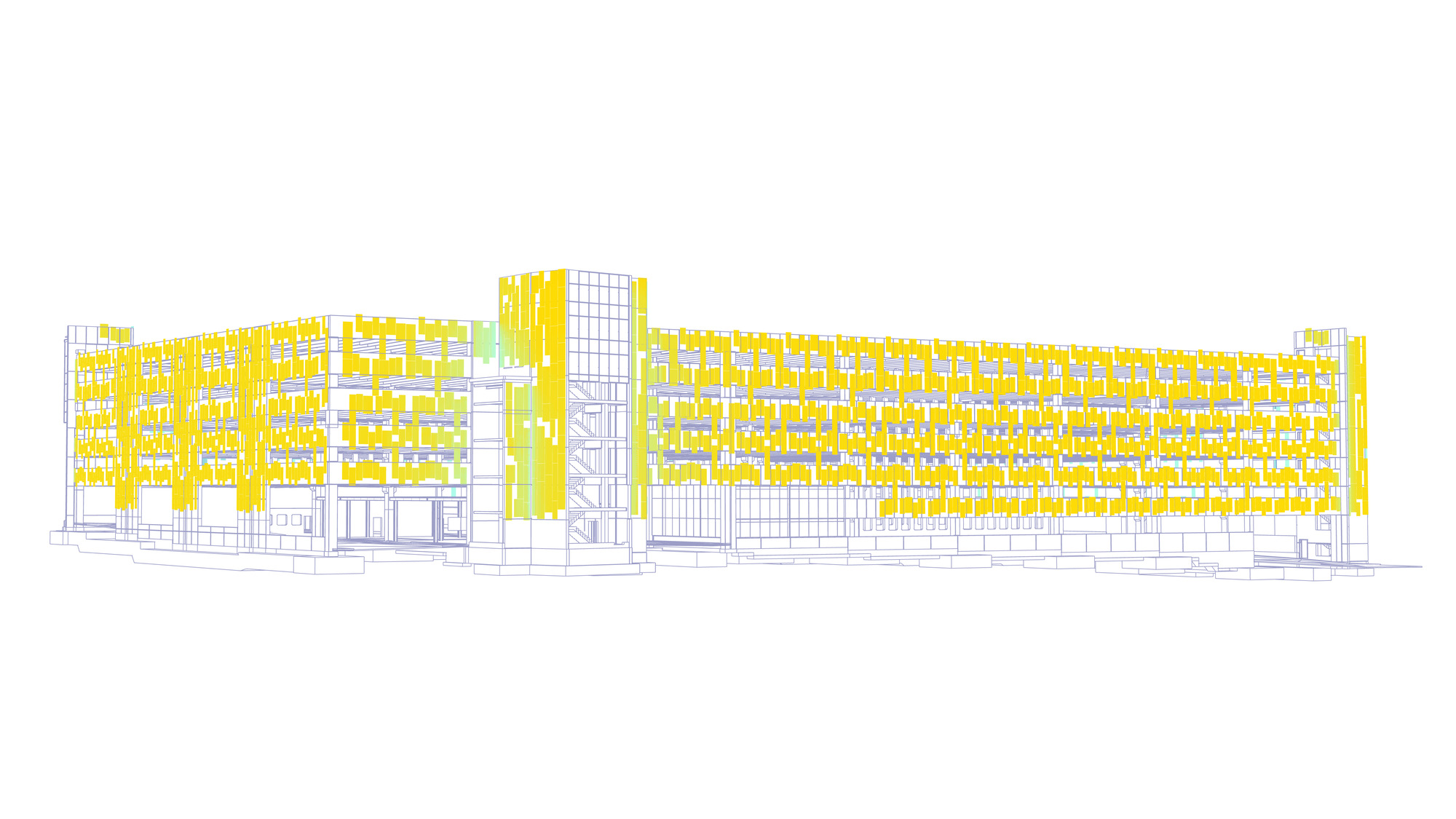
4 weeks ago5 Solar Panel Designs So Beautiful You'd Never Know They're Generating Power - Yanko Design
Buildings are evolving from energy-efficient structures into active power generators through integrated photovoltaic technology and aesthetic solar solutions.
fromdesignboom | architecture & design magazine
3 weeks agoegg-shaped bulbs tucked in ceramic bricks light up around modular wall and chair lamp
The collaboration between the Italian lighting brand and design studio works around two types: a square 15×15 centimeter tile and a rectangular 30×10 centimeter one. Both can be installed on walls or ceilings, arranged in grids, staggered patterns, or mixed configurations, the same freedom one can have with any standard tile system, but now with egg-shaped light diffusers built in.
UX design
Wearables
fromdesignboom | architecture & design magazine
1 month agomotion-activated IKEA nightlight sticks to any surface and glows without plugging in
IKEA's ANKARLÄGGA is a battery-powered LED nightlight with motion sensor that attaches to surfaces without wires or plugs, activating for 30 seconds when movement is detected in darkness.
fromThe Verge
2 weeks agoHarlowe has a cheaper solution for lighting 360-degree shoots
Harlowe, a company known for lighting accessories that cater to influencers and amateurs, has released a $95 alternative called the Omni 360 that evenly illuminates with a diffused soft glow in all directions. The Omni 360's 2W of light output can be boosted to up to 4W as needed but neither mode is quite bright enough to fully illuminate a dark environment.
Gadgets
fromYanko Design - Modern Industrial Design News
2 weeks agoThis Jellyfish-Inspired Lamp Transforms When You Switch It On - Yanko Design
The reference point is specific, not from a general impression of the ocean, but from the particular way jellyfish tentacles move: slow, layered, and almost meditative in repetition. That quality informs the lamp's layered construction and the dense organic lattice etched across its translucent shade. The pattern reads quietly in a lit room. Switch the lamp on and the whole surface activates, casting warm amber light through the texture in a way that feels atmospheric rather than task-driven.
Design
fromYanko Design - Modern Industrial Design News
3 weeks agoBeanue Mini Is the Lamp Your Body Has Been Waiting For - Yanko Design
As you dim the lamp, it does not just reduce brightness. It simultaneously shifts the color temperature from a crisp, clear white toward a warm amber tone. During the day, the light is sharp and cool, the kind that supports focus and keeps you alert. As evening arrives and you begin dimming down, it moves into amber territory, which is the spectrum that does not interfere with melatonin production.
Design
fromEarth911
1 month agoGuest Idea: Map Appliance Power to Identify and Tame Your Home's Top Electricity Consumers
Appliance power mapping means measuring each appliance's actual electricity consumption rather than relying on manufacturer estimates. Using tools like plug-in electricity monitors (such as a Kill-A-Watt meter) or whole-house energy monitors (like Sense or Emporia Vue), you collect real data on how much electricity each device draws-while running, in standby, and when nominally "off."
Remodel
fromArchDaily
4 weeks agoProject E Apartment / longwave studio
By utilizing this dual-entry condition, the design reorganizes the vertical circulation, placing the primary entrance on the upper level and redefining the ritual of returning home while transforming storage into an architectural façade.
Renovation
Design
fromYanko Design - Modern Industrial Design News
3 weeks agoThese Shell-Inspired Lamps Cast Wing-Like Shadows on Your Walls - Yanko Design
Pelk lamps prioritize sculptural form over functional invisibility, using shell-inspired curved metal arcs to create dramatic lighting effects and shadows that extend the fixture's visual presence.


Gadgets
fromYanko Design - Modern Industrial Design News
1 month ago5 Best Desk Lamps That Light Your Workspace Better Than Any Overhead Light Ever Could - Yanko Design
Targeted desk lamps provide intentional, focused lighting that reduces strain and improves concentration better than overhead fixtures, with five distinct models addressing different workspace needs and preferences.
Design
fromYanko Design - Modern Industrial Design News
1 month agoIKEA Built A $4 Stick-On Light That Lasts 6 Months - Yanko Design
IKEA's ANKARLÄGG is a motion-sensing LED nightlight that combines practical functionality with clever design, offering an affordable solution to navigating dark spaces without electrical installation.
fromFast Company
1 month agoThis paint acts like a dehumidifier for your walls
It looks like ordinary paint, but a new coating called Lilypad Paint has a hidden ability to pull moisture out of the air. It works like a dehumidifier, without the energy use. If it's on the wall in your bathroom, it can suck water vapor out of the air after you've taken a shower. The paint holds the humidity in nano-size pores, and then slowly releases it as humidity levels fall in the room.
Science
Gadgets
fromYanko Design - Modern Industrial Design News
1 month agoThis 7-Device Charging Station Glows Like a Lamp and Replaces One - Yanko Design
Nova is a sculptural charging station that combines aesthetic design with functional multi-device charging, featuring ambient lighting and wireless capabilities for up to seven devices.
Remodel
fromTasting Table
2 months ago12 Kitchens With Lighting Ideas You'd Never Think To Try - Until Now - Tasting Table
Statement lighting transforms kitchens from functional to striking, defining ambience and style; choose fixtures like iron chandeliers or natural woven lamps for cohesive, budget-friendly impact.

Design
fromYanko Design - Modern Industrial Design News
2 months agoILO Lamp Lets Soft Light Wander Between Rooms - Yanko Design
A portable lamp with a luminous donut and weighted base provides cordless, sculptural, induction-charged ambient light that follows people’s movements without visible cables.
fromWIRED
2 months agoThe Best Floodlight Security Cameras for Your Home
A floodlight security camera is a great way to add light and video surveillance to your property, and they work extremely well for dark areas. They can serve like motion-activated lights when you or your family are taking out the trash, adding safety and convenience to your property. The addition of a security camera enables you to receive alerts about intruders, record video events that you can review later, and drop in and check on the videofeed whenever you like from wherever you are.
Gadgets
fromArchDaily
1 month agoWhen Light Meets Energy in Glass Ceilings
From the large industrial roofs and galleries of the 19th century to the contemporary atriums of museums and public buildings, glass has been a recurring material in shaping large and monumental interior spaces. More than a technological or engineering solution, these horizontal glazed planes introduce a distinct luminous quality: light that comes from above. Unlike lateral daylight entering through façades, zenithal light is more evenly distributed, reduces harsh shadows, and lends spaces a sense of continuity and openness that is difficult to achieve otherwise.
Design
Design
fromdesignboom | architecture & design magazine
1 month agointeractive foldable cube lamp swings open and emits warm light from multiple corners
An interactive foldable cube lamp transforms from a closed white cube into a warm sculptural light source through hinged, adjustable painted-wood panels and diffused layers.


fromDesign Milk
2 months agoLeafyPod Is a Self-Watering Smart Planter That Saves Your Sanity
Enter the LeafyPod, a self-watering smart planter that utilizes AI to understand your leafy companions, and keep them well cared for. The system is simple: a connected app monitors hydration and nutrient levels, noting what's best for that specific type of plant. Recently named one of TIME's Best Inventions of 2025, the hydroponic system allows users to grow herbs, greens, or flowers all year long. LeafyPod is adaptive, responding to plant health and to changes in environment.
Gadgets
Design
fromdesignboom | architecture & design magazine
2 months agoperforated corrugated panels regulate light and ventilation at library in tanzania
Lei Wa Lakom Library in Kazole Village is an open, climate-responsive community hub combining Swahili shading principles, perforated panels, timber structure, and a water feature.
Gadgets
fromKotaku
2 months agoGovee LED Floor Lamp Drops Again to a New Record Low After Another Surprise Price Cut on Amazon - Kotaku
The Govee LED floor lamp delivers adjustable, indirect RGB lighting with many scene modes, softening rooms and creating cozy ambiance while currently discounted to $65.
fromThe Atlantic
1 month agoSmart Homes Are Terrible
All of the appliances and systems are brand-new: the HVAC, the lighting, the entertainment. Touch screens of various shapes and sizes control this, that, and the other. Rows of programmable buttons sit where traditional light switches would normally be. The kitchen even has outlets designed to rise up from the countertop when you need them, and slide away when you don't.
Gadgets
[ Load more ]