#portable-wind-turbines
#portable-wind-turbines
[ follow ]
#renewable-energy #solar-power #solar-energy #data-centers #energy-transition #wind-power #natural-gas
#renewable-energy

Environment
fromEarth911
5 days agoSustainability In Your Ear: Schneider Electric's Steve Wilhite Maps the Renewable Energy Transition
The global energy system is shifting to distributed renewables and digital optimization, with a significant gap between corporate sustainability ambitions and delivery capabilities.


fromEngadget
4 days agoToyota's still trying to make hydrogen fuel cells happen
"We are deeply grateful for the opportunity to soon be joining Daimler Truck and Volvo Group as partners in building a hydrogen society," Toyota President and CEO Koji Sato said. "cellcentric which possess deep expertise in commercial fields together with Toyota's over 30 years of fuel-cell development in the passenger car sector, can combine their strengths to deliver one of the world-leading fuel cell systems for heavy commercial vehicles."
Cars
SF politics
fromFortune
5 days agoHyperscalers often lack the "aptitude" on power as the political push picks up to expedite grid connections and pipelines | Fortune
Federal efforts to expedite power grid interconnections face challenges due to hyperscalers' communication issues and lack of understanding of processes.
fromFortune
2 days agoCountries are turning to 'structurally more resilient' energy sources as oil and gas crisis deepens, UN renewables chief says | Fortune
"A more decentralized energy system, with a growing share of renewables and more market players, is structurally more resilient. Countries that invested in the energy transition are weathering this crisis with less economic damage, as they boost energy security, resilience and competitiveness."
Environment
fromFast Company
1 week agoElectric cars? This company makes fully electric snowmobiles and personal watercraft
"If you're on the water, all you hear is the wind and the waves. And if you're on the snow, you hardly hear anything-just that track spinning through the snow at incredible speeds," says Taiga Motors cofounder and CEO Sam Bruneau.
Snowboarding

#portable-power-stations
Roam Research
fromZDNET
2 weeks agoWe tested 10 portable power stations in our lab - these two models were the most efficient
Portable power stations ranging from 15 to 100 pounds provide significant power for off-grid use, outages, and camping, with efficiency determined by round-trip energy conversion rates.
Alternative transportation
fromZDNET
2 weeks agoOupes Mega 1 review: I finally found a portable power station I can store in my truck
The Oupes Mega 1 is the most efficient portable power station in the 600-1,100Wh category, offering 1,024Wh capacity, 2,000W output, and weighs under 30 pounds for reliable portability.
fromwww.theguardian.com
2 weeks agoHow Pakistan's people-led solar boom is easing impact of Middle East energy crisis
People who could afford to do it at that time realised that it was much cheaper and cost-effective and better for them in the long run to do a one-time investment in rooftop solar as opposed to keep paying high electricity bills from a grid that is also unreliable, said Nabiya Imran, an associate at Renewables First, a Pakistani thinktank.
World news

fromEarth911
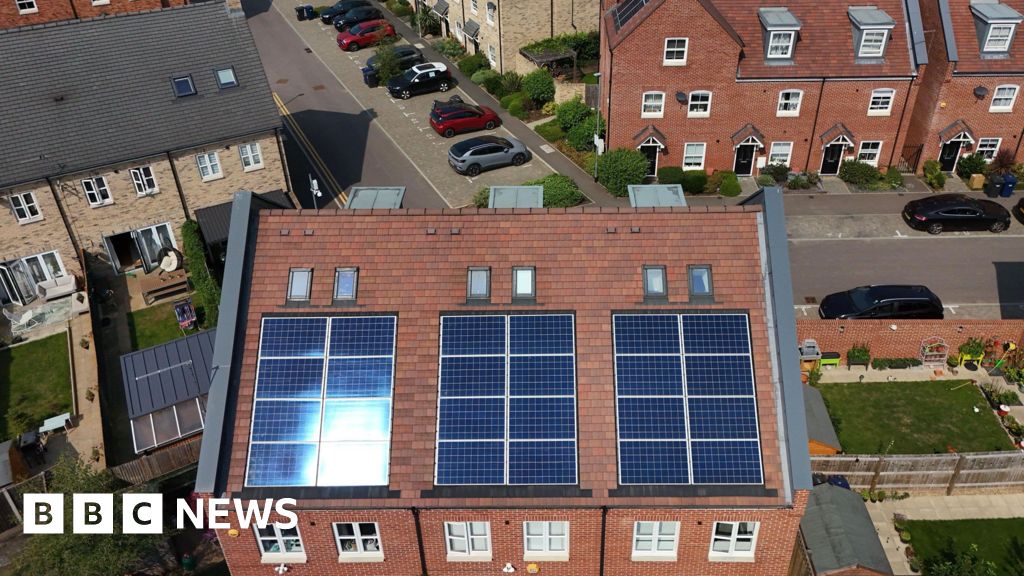
2 weeks agoShould You Go Solar In 2026?
The most consequential shift for anyone considering rooftop solar in 2026 is the expiration of Section 25D, the Residential Clean Energy Credit. That 30% credit, which was worth up to $9,000 on a $30,000 system, is no longer available for home solar installations. The One Big Beautiful Bill, signed July 4, 2025, accelerated the phase-out that the Inflation Reduction Act had originally extended through 2034.
SF real estate
UK politics
fromwww.independent.co.uk
2 weeks agoUK rules on installing wind turbines eased amid global energy crisis
UK government proposes allowing businesses, schools, and farms to install small wind turbines up to 30 metres tall without planning permission to reduce energy costs and increase clean energy capacity.
US news
fromwww.npr.org
3 weeks agoEasy-to-use solar panels are coming, but utilities are trying to delay them
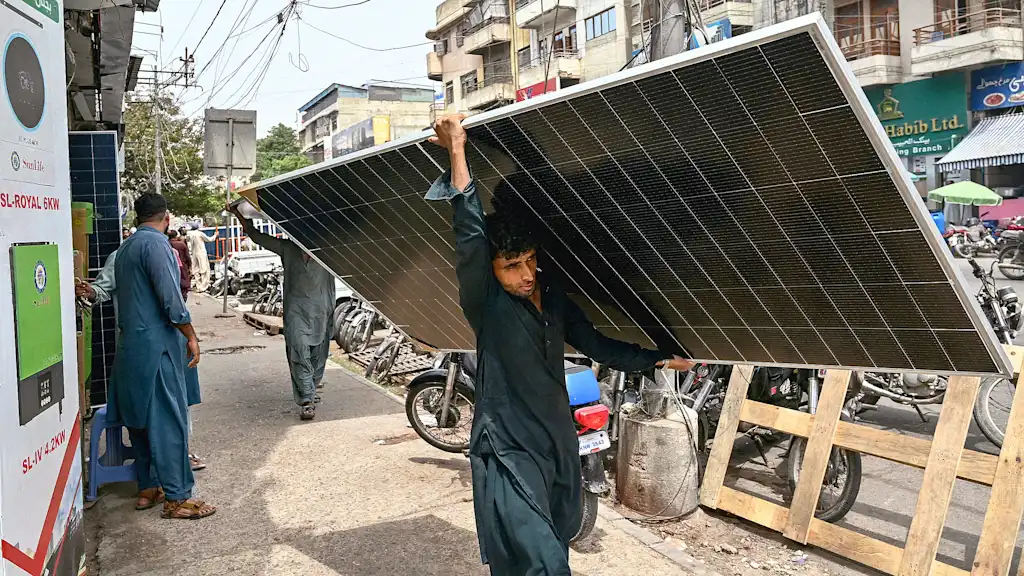
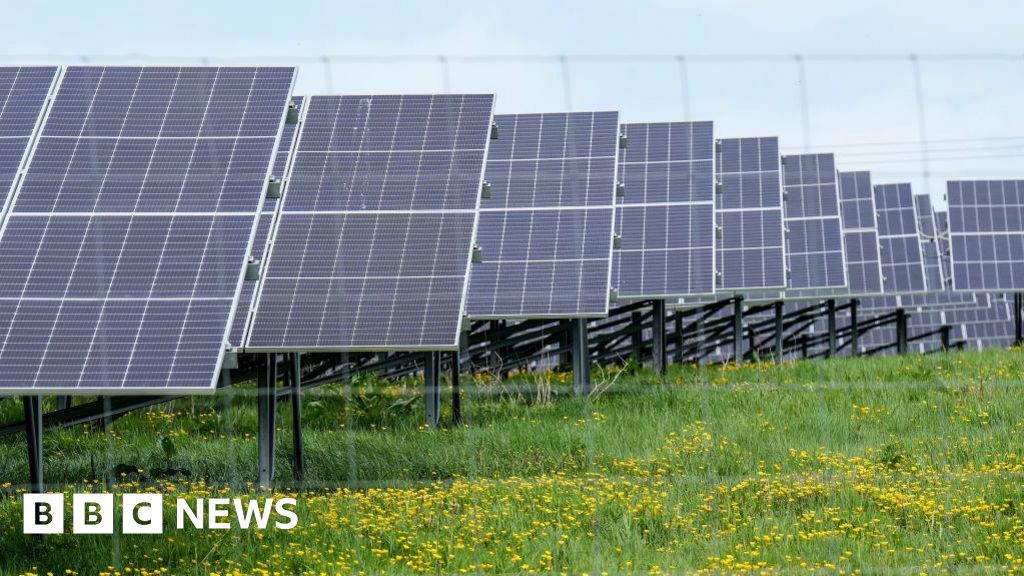
Plug-in solar panels that connect to standard outlets are gaining traction in the U.S. as a cost-effective alternative to traditional rooftop solar, though utility opposition based on safety concerns is slowing legislative adoption.
Renovation
fromYanko Design - Modern Industrial Design News
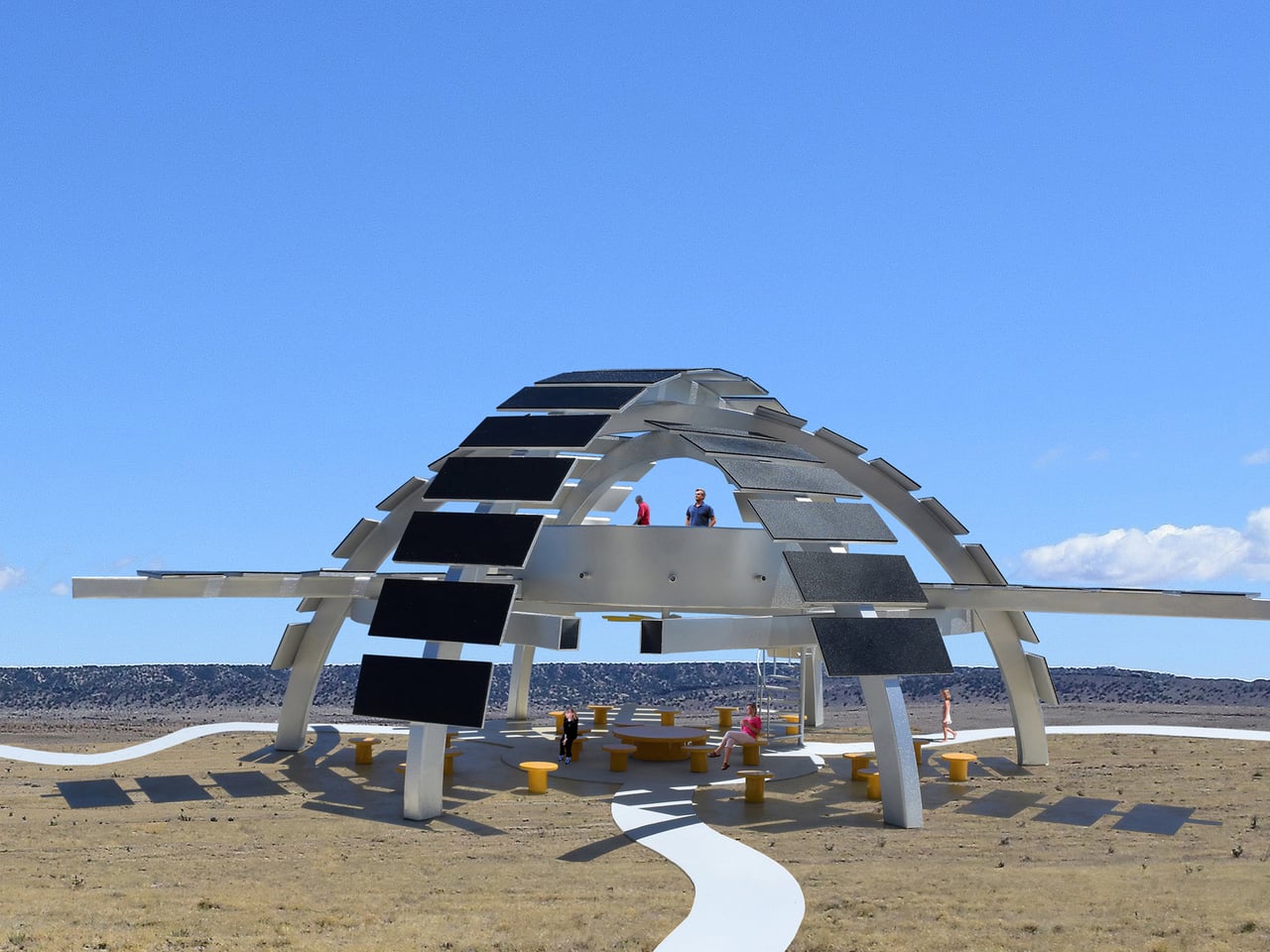
3 weeks ago5 Solar Panel Designs So Beautiful You'd Never Know They're Generating Power - Yanko Design
Buildings are evolving from energy-efficient structures into active power generators through integrated photovoltaic technology and aesthetic solar solutions.
Alternative transportation
fromNature
2 weeks agoAffordable mobility for all: why we need smaller, cheaper electric vehicles
Low-speed electric vehicles offer affordable, practical decarbonization for underserved populations but remain overlooked due to bias toward expensive, high-tech solutions and nationalist trade policies.
Gadgets
fromYanko Design - Modern Industrial Design News
1 month agoA Laptop With a Solar Panel Lid Just Showed Up at MWC 2026: Hands-on with Oukitel RG14-P - Yanko Design
Oukitel's RG14-P laptop ships with functional solar charging, delivering 10W from its photovoltaic lid to reach 50% battery in six hours under optimal sunlight, targeting field professionals in remote work environments.
fromArchDaily
3 weeks agoHow Architecture Is Learning to Generate Its Own Energy
Photovoltaic (PV) solar energy represents a modular technology that can be manufactured in large-scale facilities, generating economies of scale, while also being adaptable to small-scale applications. From residential rooftop systems to large-scale power generation installations, photovoltaic solar energy has established itself as a cost-effective option for electricity production in many countries around the world.
Environment
Gadgets
fromYanko Design - Modern Industrial Design News
1 month agoCustom-built 96,000mAh power bank charges your laptop, phone, and even runs small appliances off-grid - Yanko Design
A DIY Omnibus 4×8 portable power station using 32 18650 cells delivers roughly 345 Wh with multiple high-power outputs and a robust BMS for extended multi-device use.
fromArchDaily
2 months agoSelf-Sufficient Facades: Where Solar Protection Meets Renewable Energy
Spaces of light and darkness are conceived to enhance circulation and spatial directionality, as well as to highlight the colors, textures, and forms of specific architectural elements. That said, the impact of natural light on building facades reveals the need to develop strategies that support energy savings, improve the thermal and visual comfort of interior spaces, and promote the reduction of carbon emissions.
Design

Gadgets
fromYanko Design - Modern Industrial Design News
2 months agoThe MustHave Portable Power Station Setup Every Household Should Own For Storms And Blackouts - Yanko Design
Mid-size indoor-safe power stations can keep phones, medical devices, and essential lights running through multi-day winter outages when small units lack capacity.
fromwww.theguardian.com
2 months agoFirst of its kind high-density' hydro system begins generating electricity in Devon
The pioneering technology means one of the oldest forms of energy storage, hydropower, can be used to store and release renewable energy using even gentle slopes rather than the steep dam walls and mountains that are usually required. The design means the principles of hydropower could be used as a form of long duration energy storage in many more locations across the UK, and the world, than traditional hydropower dams. The projects could be quicker and cheaper to build too.
Science
fromYanko Design - Modern Industrial Design News
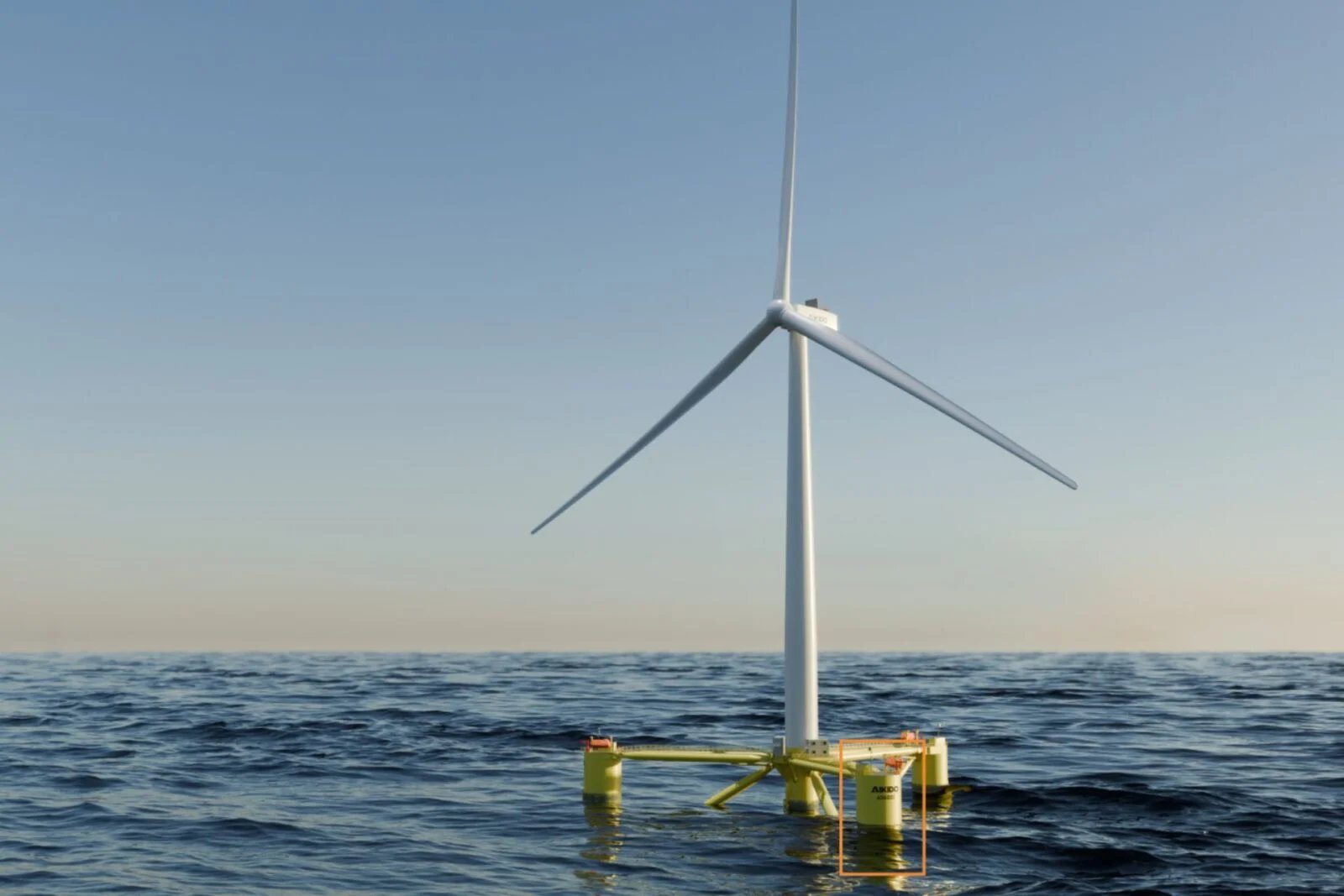
2 months agoThis Silent Wind Turbine Solves Sailing's Power Problem - Yanko Design
There's something romantic about sailboats that still speaks to us in this hyper-connected age. The idea that you can harness nothing but wind and water to glide across the ocean feels almost magical. But here's the reality check: even the most old-school sailor needs power these days. Your GPS has to stay on, your radar needs juice, those navigation lights aren't optional, and let's be honest, nobody wants to lose their phone charge mid-voyage.
Gadgets
fromZDNET
2 months agoI discovered a little-known way to power your home during an outage - here's how
While the abrupt end to your home chef experience is inconvenient, the bigger issue is that your gas furnace still needs electricity to run, and it's supposed to drop into the 20s overnight. Now imagine that while everyone else is rifling through their junk drawer for flashlights and batteries,
Gadgets


fromFast Company
1 month agoHow to meet the surging energy demand without needing as much new electricity
When Specian dug into the data, he discovered that implementing energy-efficiency measures and shifting electricity usage to lower-demand times are two of the fastest and cheapest ways of meeting growing thirst for electricity. These moves could help meet much, if not all, of the nation's projected load growth. Moreover, they would cost only half-or less-what building out new infrastructure would, while avoiding the emissions those operations would bring.
Environment
fromwww.benzinga.com
2 months agoHow BLUETTI Is Lowering The Barrier To Entry
For years, the idea of "energy independence" belonged to a narrow group of early adopters. Previously, reliable off-grid power meant involving professionals for electrical installation, a custom battery bank, and a web of wiring forms, thus rendering the project beyond an affordable reach for most people. Today, as mobile living, remote work, and outdoor lifestyles are creating new paradigms, so is the market.
Environment
fromwww.dw.com
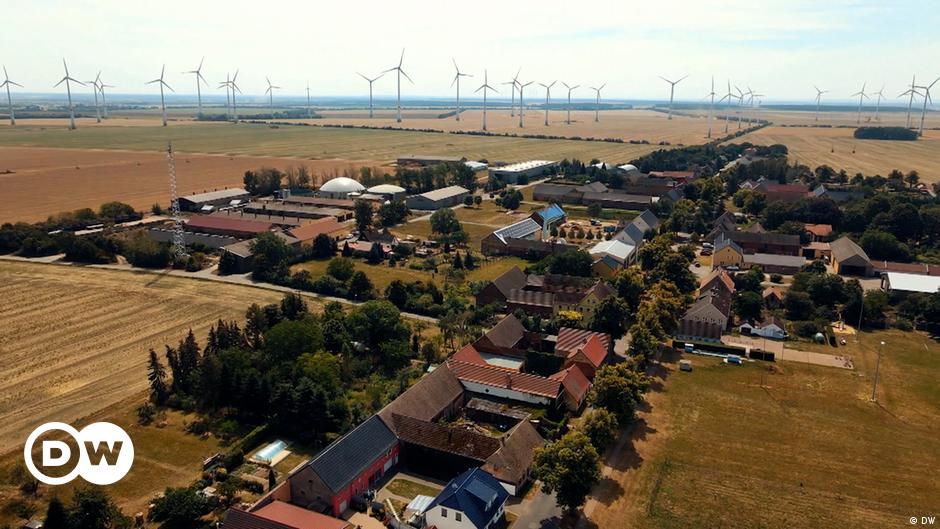
2 months agoHow clean energy could save us trillions DW 01/07/2026
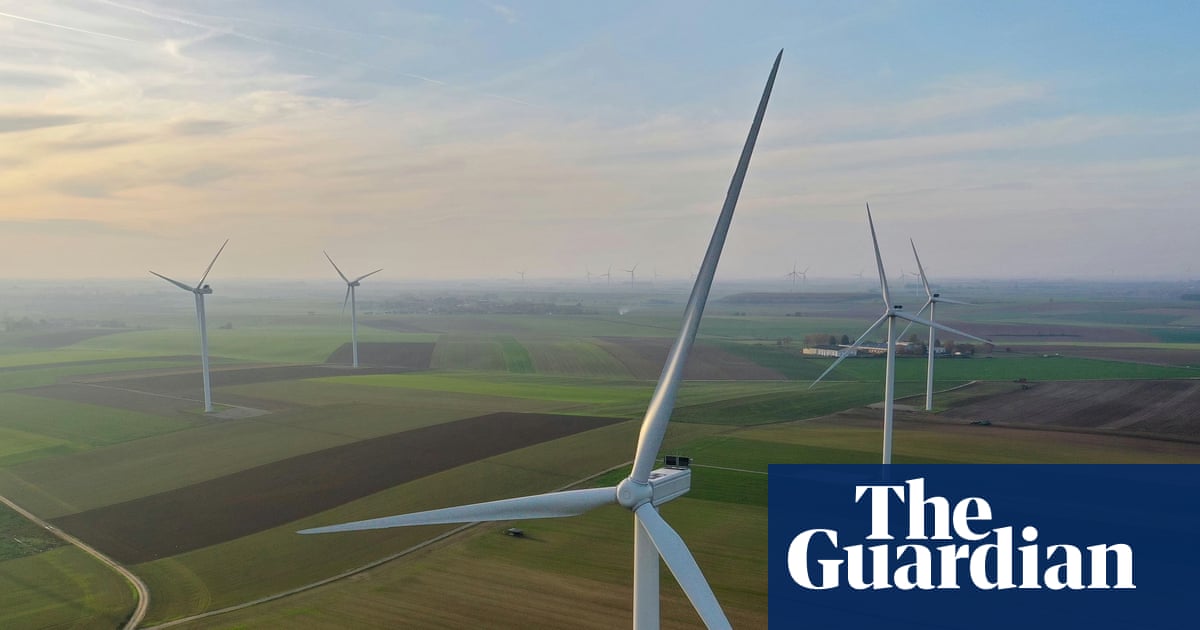
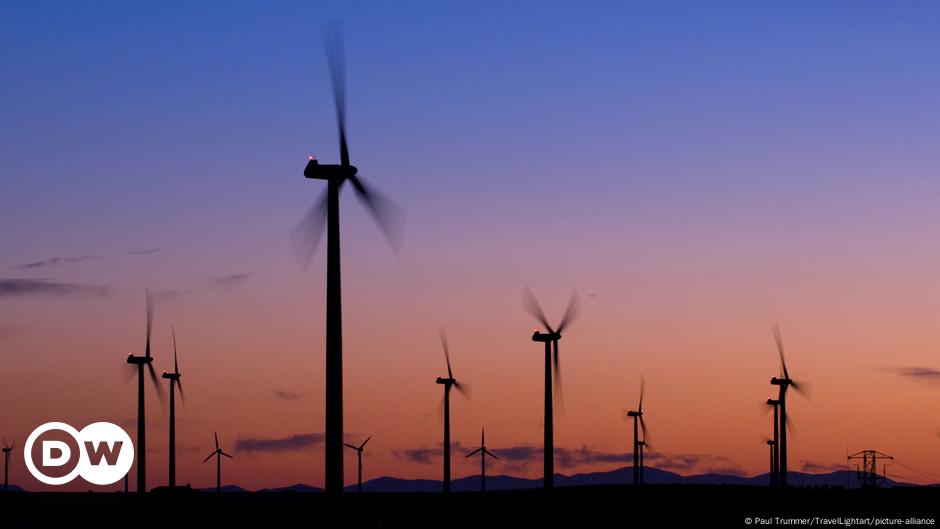
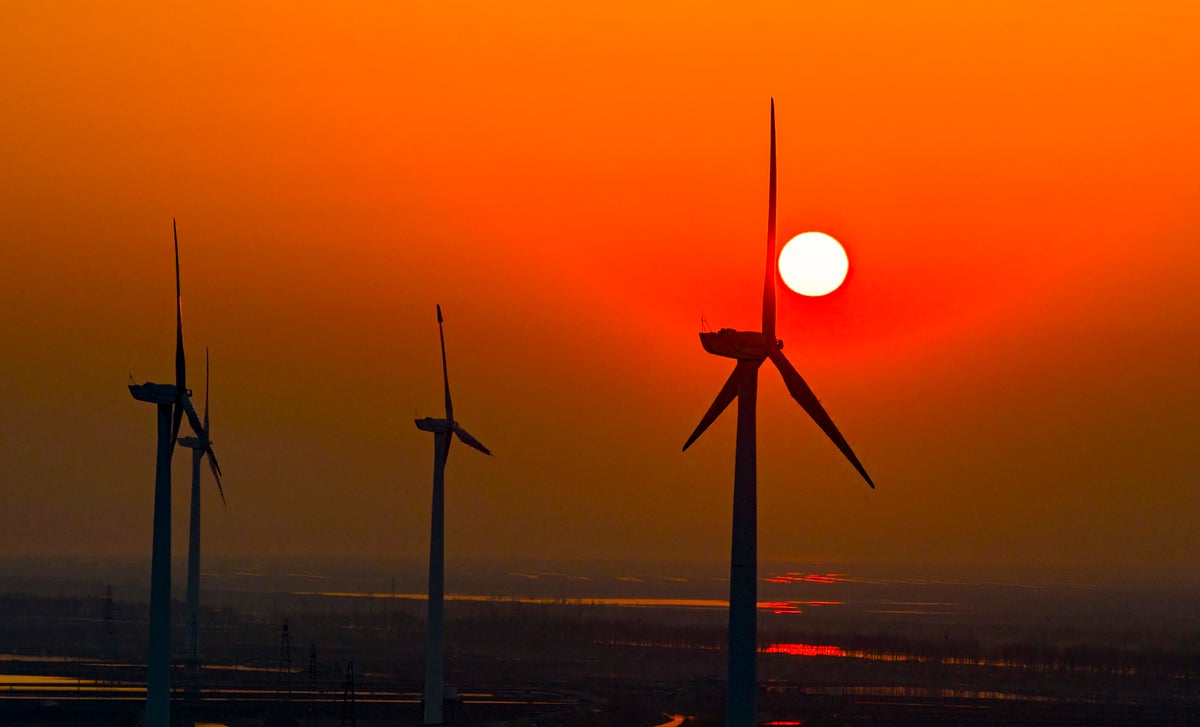
In the rolling hills of southeast Queensland, Australia, farmer and businessman Brent Finlay stands beneath turbines so tall they rival skyscrapers. "There's a lift inside that takes about 12 minutes to go from the bottom to the top," he said, pointing skyward. Forty-five of the giant turbines that now dot his property are part of the massive MacIntyre Wind Farm which will soon generate enough electricity to power 700,000 homes.
Environment
fromwww.aljazeera.com
2 months agoRenewables muscle fossil fuels out of EU electricity market, says research
Solar and wind power provided more electricity than coal and gas last year, leading a global trend, said think tank Ember. Solar and wind power outperformed fossil fuels in the European Union for the first time last year, a new high watermark on Europe's transition to green and autonomous energy. The two sources of energy generated 30 percent of EU electricity, compared with 29 percent for coal and gas, Ember, a global energy think tank, said on Thursday in its European Electricity Review.
Environment
[ Load more ]