#portfolio-emissions
#portfolio-emissions
[ follow ]
#sustainability #renewable-energy #fuel-prices #middle-east-conflict #climate-change #business-strategy #ai
#windfall-tax
Europe news
fromFortune
17 hours agoEuropean ministers urge EU to impose windfall taxes on energy companies as prices spike 'to ensure that this burden is distributed fairly' | Fortune
European finance ministers are urging a bloc-wide windfall tax on energy companies to address rising oil and gas prices and inflation concerns.
fromFuturism
23 hours agoEPA Now Values Human Lives at $0
When lives are assigned a higher dollar value, stricter pollution standards tend to clear the 'economic efficiency' sniff test, resulting in cleaner air. But that improved air quality comes at the expense of America's industrial industries, which have to invest in pricey systems to reduce the amount of these pollutants they spew down to acceptable levels.
US Elections
#ai
Artificial intelligence
fromThe Nation
2 days agoThe AI Boom Is a Climate Bust
AI is increasingly being used to spread climate change disinformation, complicating efforts to combat the climate crisis.

fromwww.theguardian.com
3 days agoThe dark side of the balloon boom is it time they were banned?
In 2019, scientists found that balloons eaten by seabirds are more likely to kill them than other kinds of plastic yet they do not seem to have been earmarked in the same way as, for example, plastic straws.
Public health

SF politics
fromFortune
5 days agoHyperscalers often lack the "aptitude" on power as the political push picks up to expedite grid connections and pipelines | Fortune
Federal efforts to expedite power grid interconnections face challenges due to hyperscalers' communication issues and lack of understanding of processes.
fromIndependent
1 day agoCarpool, slow down and do your laundry at night - Government to warn public on energy use if Iran crisis persists
Officials from the Department of Energy are meeting daily as the Iran war drives up the price of fuel. A public awareness campaign is urging citizens to 'save energy, save your pocket.'
UK politics
#sustainability
Artificial intelligence
fromFast Company
1 week agoSustainability is dead-long live purpose
Sustainability has been deprioritized, while purpose remains essential for long-term business success amidst the rise of AI.


Environment
fromFast Company
2 months agoAfter a rough year, what will will corporate impact and sustainability look like in 2026?
Impact and sustainability leaders will shift from visible commitments to grounded, performance-linked strategies and adaptive risk management amid political, economic, and technological pressures.
Online Community Development
fromDaily Coffee News by Roast Magazine
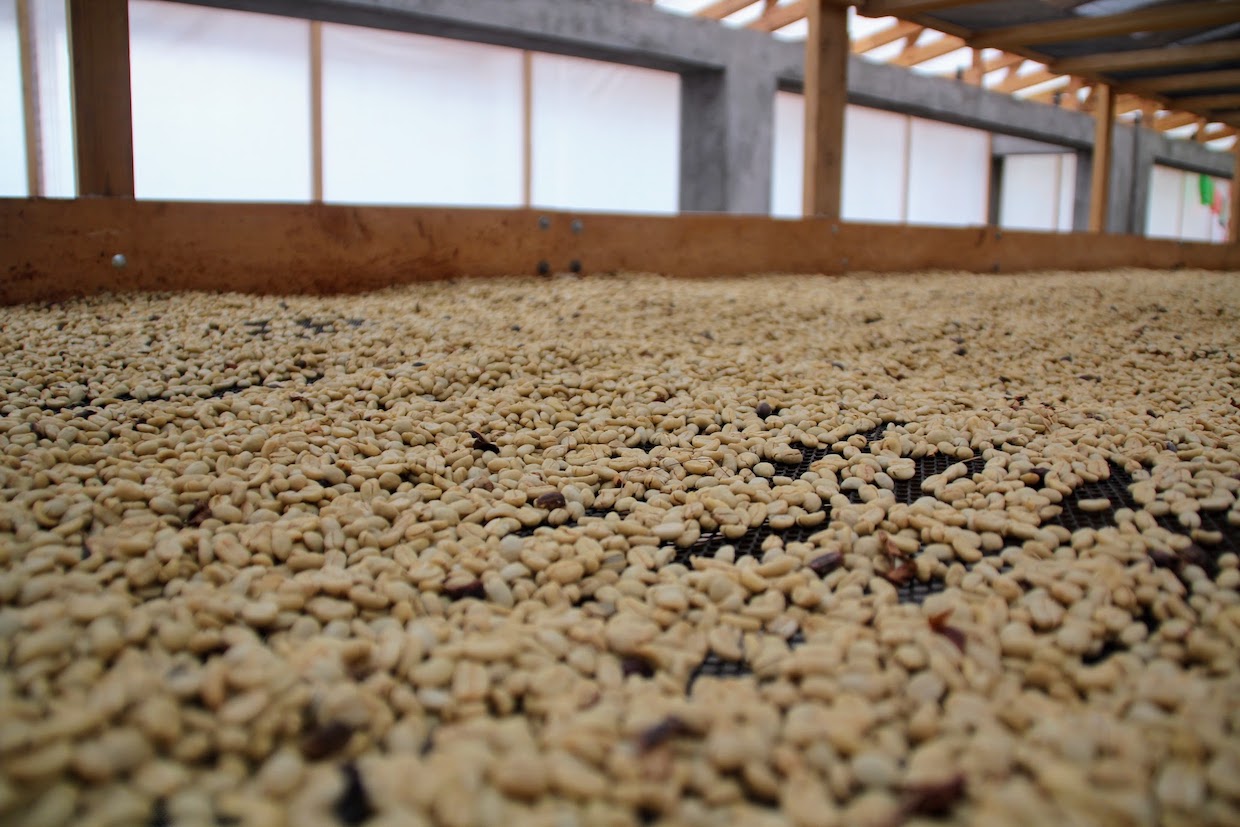
1 week agoStudy: Social Enterprises Beat Corporate Sustainability in Farmer Well-Being
Social enterprises significantly enhance farmer well-being compared to traditional corporate sustainability programs and cooperatives in the coffee and cocoa sectors.

#renewable-energy
Environment
fromEarth911
5 days agoSustainability In Your Ear: Schneider Electric's Steve Wilhite Maps the Renewable Energy Transition
The global energy system is shifting to distributed renewables and digital optimization, with a significant gap between corporate sustainability ambitions and delivery capabilities.


Social media marketing
fromPR Daily
3 weeks ago6 steps for creating GEO friendly social posts - PR Daily
Social media managers must optimize content structure with frontloaded questions, lists, and clear formatting to improve discoverability in AI-driven search and recommendation systems across platforms.
fromState of the Planet
5 days agoFrom Classrooms to Climate Impact: Two Careers Flourish in Singapore
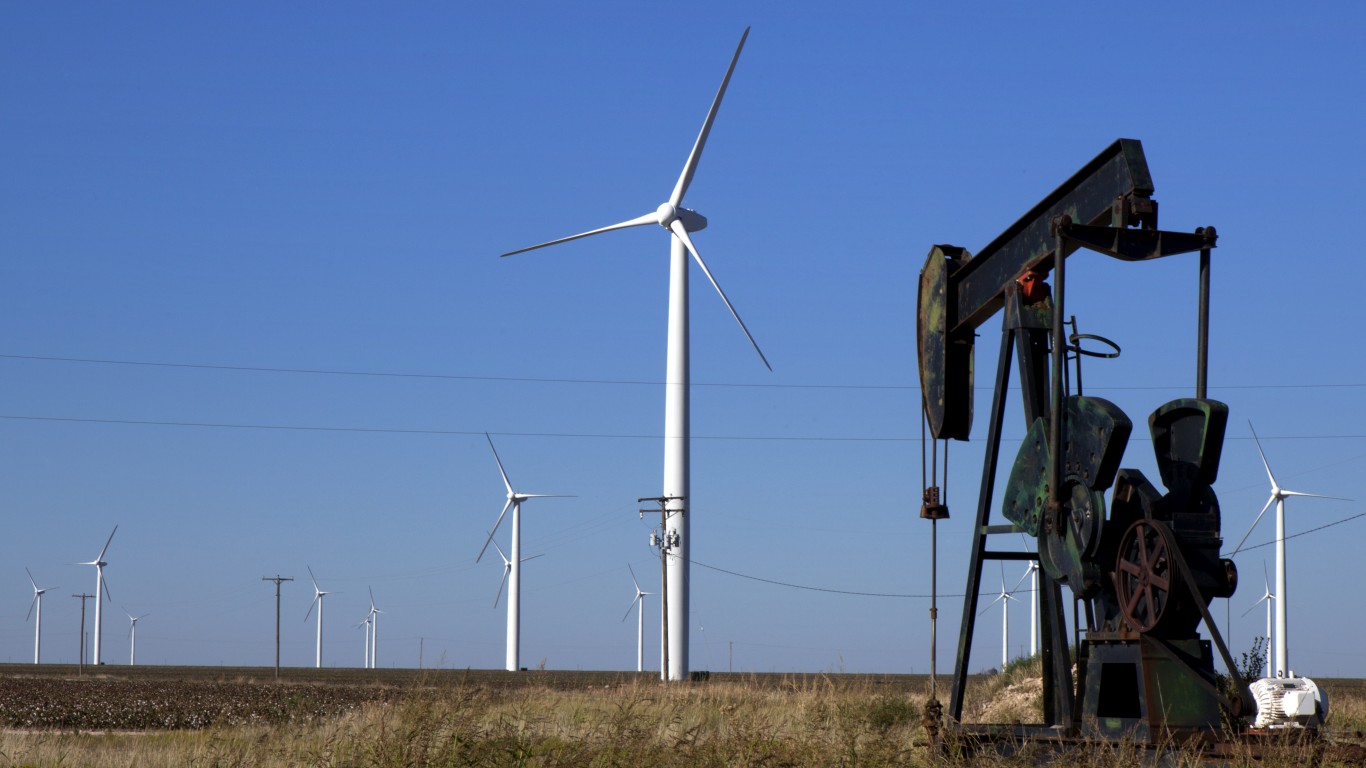
"Singapore is in a very unique position because they face a lot of land constraints, so there are few ways for them to generate their own renewable energy. Singapore is pushing for integrated energy systems throughout ASEAN, so that renewable energy produced in other countries can be brought back to Singapore. There's a very distinct, coordinated effort for countries to come together to work on climate change and energy security in a way that I haven't really seen."
Environment
fromHarvard Business Review
2 weeks agoHow To Deliver on ESG Initiatives in Emerging Market
Multinational firms are under rising pressure-from investors, regulators, and employees-to demonstrate positive societal impact in the places where they do business. With ESG-focused institutional investments projected to reach nearly $34 trillion this year and roughly 90% of large U.S. companies now disclosing ESG reports, these pressures are now a central part of corporate strategy.
Business
fromwww.theguardian.com
1 week agoFossil fuel companies finally accept the climate crisis just not their role in it
Chevron and Shell, in separate cases on different continents, cited the same passage from the IPCC's Fifth Assessment Report that greenhouse gas emissions are driven by population size, economic activity, lifestyle, energy use to argue that responsibility lies with modern industrial society as a whole.
Environment
from24/7 Wall St.
2 weeks agoBrookfield Renewable vs. Clean Harbors: Two Clean Economy Plays, One Better Buy
Brookfield Renewable pays a quarterly distribution of $0.392 per unit, annualizing to roughly $1.57. With the stock trading around $39.36, that puts the yield in the neighborhood of 4%, and the company just announced a 5% distribution increase. The next payment hits March 31, 2026.
Business
fromDaily Coffee News by Roast Magazine
1 month agoReport: Sustainability Must Be Embedded Into Core Buying Practices to Drive Change
"Ironically, many if not most of these 'sustainability' projects remain disassociated from companies' core procurement strategies, meaning the coffee produced from these projects is not necessarily bought by the companies involved, or only in minimal quantities," the paper states. "And for the coffee that is purchased, prices do not factor into the project design, despite the fact that price is the single variable impacting farmer income that is in the direct control of companies."
Coffee
fromFast Company
1 month agoThis venture capital firm believes investing in climate is 'Obvious'-and just raised another $360 million to prove it
When Obvious Ventures launched 12 years ago with a focus on "world positive" companies, the idea was a contrarian bet: that startups tackling climate, health, and economic resilience could deliver big returns, not just feel-good impact. Founded by Twitter cofounder Ev Williams and others, the firm backed companies like Beyond Meat, the AI drug discovery company Recursion Pharmaceuticals, and Diamond Foundry, which makes sustainable lab-grown diamonds.
Venture

Environment
from24/7 Wall St.
1 month agoThis Clean Energy ETF Bundles 38 Stocks Into One High Growth Bet
ACES is a thematic growth ETF providing broad North American clean energy exposure across solar, batteries, EVs, hydrogen, and lithium, delivering 38.2% annual returns but requiring patient, long-term investment commitment.
Environment
fromLondon Business News | Londonlovesbusiness.com
1 month agoHow to reduce carbon emissions from business heating - London Business News | Londonlovesbusiness.com
Choosing efficient heating, improving insulation, monitoring energy use, and switching to low-carbon technologies reduces costs and carbon without disrupting operations.
Environment
fromLondon Business News | Londonlovesbusiness.com
1 month agoEnergy transition investing in family portfolios - London Business News | Londonlovesbusiness.com
Clean energy investment spans generation, grids, storage, electrification, and critical minerals, requiring investors to balance public and private exposures, infrastructure scale, geopolitics, and execution risks.
Environment
fromEarth911
2 months agoGuest Idea: Climate Risk Has Become A Defining Economic Issue
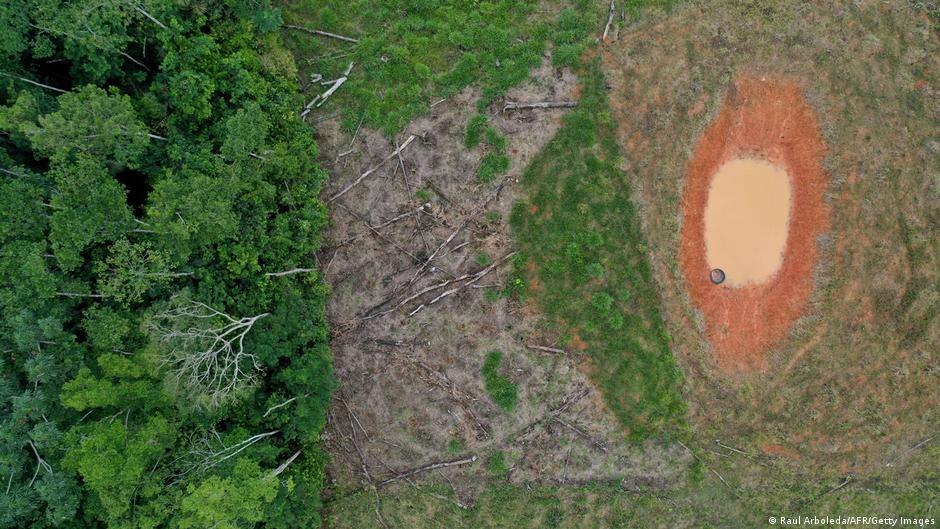
Climate-driven financial risks threaten housing and public budgets while large-scale clean-energy and durable carbon-removal investments (geothermal, biochar, novel hydrogen) accelerate to build resilience.
[ Load more ]