#post-conflict-recovery-fund
#post-conflict-recovery-fund
[ follow ]
#humanitarian-crisis #displacement #conflict #humanitarian-aid #sudan #lebanon #gaza #syria #refugees






#nonprofits

Non-profit organizations
fromNonprofit Quarterly | Civic News. Empowering Nonprofits. Advancing Justice.
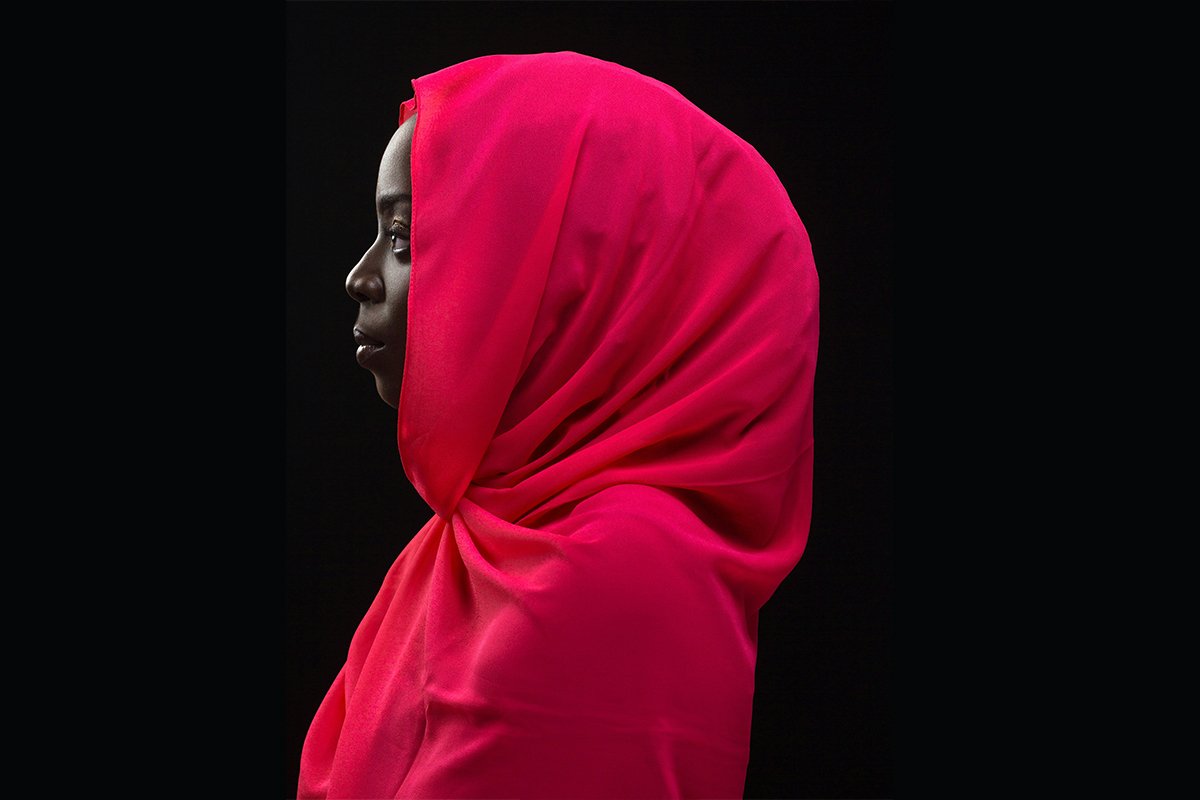
1 week agoThe Women Who Logged on Anyway and Would Not Be Silenced by War | Nonprofit Quarterly | Civic News. Empowering Nonprofits. Advancing Justice.
Nonprofits play a crucial role in supporting communities during crises, particularly in providing education to women in conflict zones.
Russo-Ukrainian War
fromPsychology Today
2 weeks agoUkraine's Other Battle: Healing the Invisible Wounds of War
Ukraine's war veterans face severe psychological trauma, with psychedelic-assisted therapy emerging as a potential treatment for combat-related mental health conditions affecting millions of soldiers and civilians.
Psychology
fromPsychology Today
1 month agoHow to Help Communities Rebound from Crisis and Disaster
Disaster psychology provides an empirically-based framework for building community resilience and growth during crises through understanding predictable psychological phases and natural recovery mechanisms.
France politics
fromwww.aljazeera.com
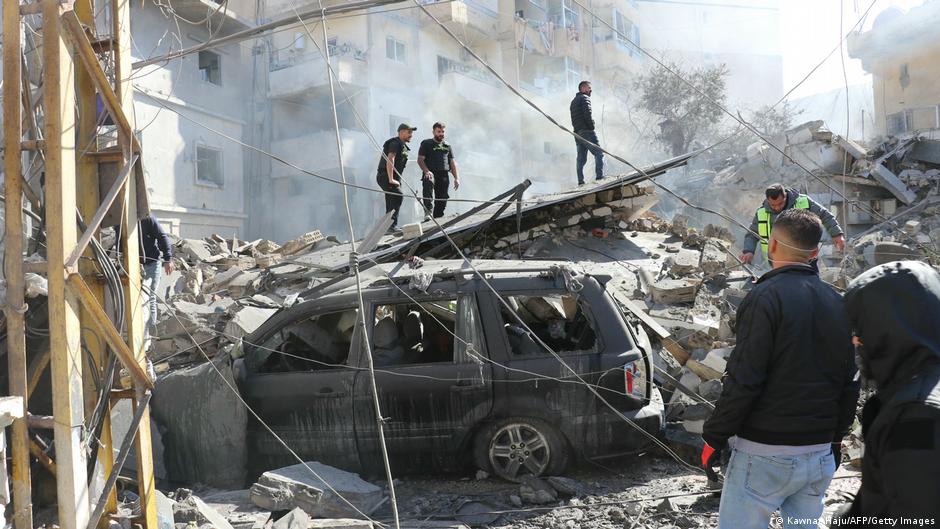
2 weeks agoPalestinian refugees face new displacement as Israel's bombs hit Lebanon
Palestinian refugees in Lebanon, displaced since 1948, face renewed trauma and displacement as Israeli military operations intensify, forcing families from camps into further uncertainty.
Mental health
fromPsychology Today
1 month agoNavigating the Messy Middle of Disaster Recovery
Disaster recovery extends beyond the initial crisis phase; year two brings psychological challenges including chronic stress, financial strain, and bureaucratic delays that impair functioning and compound trauma.
Social justice
fromwww.theguardian.com
4 weeks agoHistory longs to heal': how Africa hopes to advance campaign for reparative justice
The African Union declared 2025 the year of reparations and extended it through 2036, advancing a continental push for justice and redress for colonialism, slavery, and their lasting impacts.
fromIndependent
1 month agoKsenia Samotiy: My fellow Ukrainians were never ones for mucking in, but now I have seen them embrace it
Four years into Russia's full-scale invasion, Ukraine continues to fight a war that has reshaped every aspect of its public and private life. Since returning from my recent brief journey to my home city, I have found myself having the same conversation repeatedly: Lviv is far from the frontlines, so is life simply normal there?
Russo-Ukrainian War

World news
fromThe Nation
3 weeks agoHaiti Doesn't Need War. It Needs Peace.
Haitian police and international forces launched a major offensive against armed groups in Port-au-Prince, killing civilians alongside gang members, while displaced residents faced barriers to relocation due to neighborhood stigma.
fromwww.dw.com
1 month agoKLA veteran: 'Life is hard in Kosovo but we are free.'
On the table are photos from another time: young men in uniform, barely older than 20, with serious expressions on their faces. Haxhimusa runs his fingers over one of the pictures. "That was us," he says quietly. The 58-year-old ethnic Albanian was once a member of the Kosovo Liberation Army, an ethnic Albanian separatist militia that fought against the Serbian police and the Yugoslav Army in the Kosovo War at the end of the 1990s.
Miscellaneous


fromArchitectural Digest
2 months agoDesigning When Your City Is Under Siege
Life doesn't pause for grief or fear. You might be going through something devastating but you're still packing lunches, still driving your kids to baseball practice, still showing up to work. One minute I find myself prepping for a whole home presentation and the next minute I'm checking the news, hoping and praying that no one has been killed on the streets today.
Design
fromwww.bbc.com
1 month ago'I nearly died on the streets - then found a new family'
"I thought I was going to die in the street on this day." Moses describes the moment his health deteriorated to the point where he collapsed outside Victoria Station, having lived on the streets for several months. "I was there for maybe one hour on my knees with my suitcase, and crying in a lot of pain. I was broken." Moses now says he has found a "new family" at the Salvation Army church in Chalk Farm but is still trying to find a permanent home.
UK news
fromwww.aljazeera.com
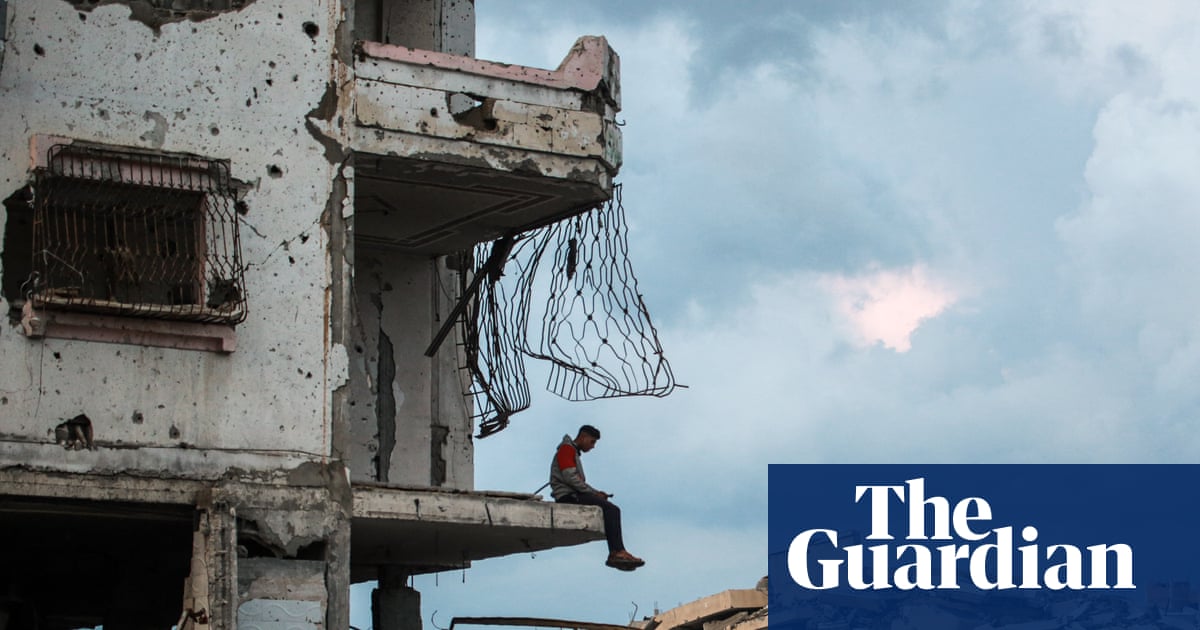
2 months agoUN's Albanese: Israel treats storm-hit Palestinians of Gaza as expendable'
Francesca Albanese, the United Nations special rapporteur on Palestine, has accused Israel of treating Palestinian lives as expendable, linking the hellish impact of a deadly winter storm in Gaza directly to the deliberate destruction of the enclave's infrastructure. Speaking to Al Jazeera Arabic on Tuesday as a deep weather depression pummelled the Gaza Strip, killing at least seven children, Albanese said the weather disaster had exposed the depth of Israel's disregard for civilian survival.
World politics
Fundraising
fromwww.theguardian.com
2 months agoActionAid to rethink child sponsorship as part of plan to decolonise' its work
Child sponsorship models can be racialised and paternalistic; ActionAid UK will transform funding toward community-shaped, decolonised partnerships emphasizing solidarity and women's rights funding.
fromwww.aljazeera.com
2 months agoWill the Board of Peace live up to its name?
United States President Donald Trump launched the Board of Peace on Thursday, saying it's one of the most consequential bodies ever created in the history of the world. This is all part of the agreement to reach a ceasefire in Gaza after more than two years of Israel's genocidal war on Palestinians in the territory. Trump said the board will work in partnership with the United Nations to address crises far beyond Gaza.
US politics
fromThe Atlantic
2 months agoThe Logical End Point of 'America First' Foreign Aid
Last summer, the Dalai Lama was having a party in Dharamshala for his 90th birthday, and Bethany Morrison, a newly appointed State Department official, was eager to meet with him there. Inconveniently, the United States had recently canceled about $12 million worth of annual foreign aid benefiting Tibetan-exile communities as part of the implosion of USAID. This, Morrison and other State officials thought, would not make a particularly good impression on His Holiness, according to a former State and a former USAID official.
US politics
fromwww.dw.com
1 month agoFamilies call for truth on Kosovo War's missing people
"My mother and sisters were killed on that day. For 26 years, I have not known where their bodies are buried. Every time I see a pit, I think they might be lying there," Gashi says. For more than two decades, he has been haunted by the feeling that the truth could lie right beneath his feet, but remains out of reach.
Miscellaneous
fromwww.aljazeera.com
1 month agoThree aid workers killed, 4 wounded in RSF drone attack in Sudan's Kordofan
At least three aid workers have been killed and four others wounded in a drone attack by the paramilitary Rapid Support Forces (RSF) on an aid convoy in Sudan's South Kordofan state, according to the Sudan Doctors Network, in the latest carnage against civilians caught up in the nation's brutal civil war. The convoy of trucks carrying food and humanitarian supplies was targeted by the RSF, and its ally, the Sudan People's
World news
fromwww.theguardian.com
2 months agoAll these souls deserve a dignified rest': Ukraine's body seekers' bring home the fallen
Alexei clears his throat without showing the slightest expression on his face. Squatting and wearing gloves, he shakes the military uniform that once belonged to a man. The jacket and trousers still hold their shape, but inside there is nothing. Just air. Alexei pulls out a worn, stained piece of paper from one of the pockets. Andrei. Moscow, he reads aloud. There's a phone number written here. Good. It helps us trace his origin. Whoever he was, he was a Russian soldier.
Miscellaneous
fromwww.dw.com
1 month agoGerman government pushes Syrians to return to their homeland
Of these, 3,678 of them have already gone back to their home country. For German Interior Minister Alexander Dobrindt, this is proof of the migration policy that he has been promoting: "Those who have no prospect of staying receive targeted support for their voluntary repatriation." This "targeted support" includes the cost of the flights and 1,000 (ca. $1200) per adult and 500 for minors.
Miscellaneous
fromNature
1 month agoHow to rescue the aid industry: focus on conflict prevention, not just relief
In 2025, the administration of US President Donald Trump ordered the US Agency for International Development to be closed; this year, it withdrew the country from 66 international organizations. Other Western nations that are plagued with high levels of debt and pressure to prioritize domestic challenges have slashed their foreign aid, too. According to projections, official development assistance dropped by 9-17% in 2025, amounting to some US$55 billion.
World news


fromwww.aljazeera.com
1 month agoAs Sudanese city returns to life after two-year siege, drone threat lingers
Life is cautiously returning to the streets of Dilling, the second largest city in South Kordofan state, after the Sudanese army broke a suffocating siege that had isolated the area for more than two years. For months, the city had been encircled by the paramilitary Rapid Support Forces (RSF) and the Sudan People's Liberation Movement-North (SPLM-N), cutting off vital supply lines and trapping civilians in a severe humanitarian crisis.
World news
fromwww.aljazeera.com
2 months agoGlobal conflicts pushing humanitarian law to breaking point, report warns
In the full glare of the world's media spotlight, Israel has been conducting its genocidal war against Palestinians in Gaza while the mass killing of civilians in Sudan has not stopped since the outbreak of that country's war in 2023. Violence is ongoing elsewhere from Myanmar's civil war to conflict in Nigeria. Drone attacks targeting noncombatants have become commonplace in Ukraine while massacres of civilians across multiple conflicts continue, including in Ethiopia, Haiti, Myanmar, Yemen all with apparent impunity.
World news
fromwww.aljazeera.com
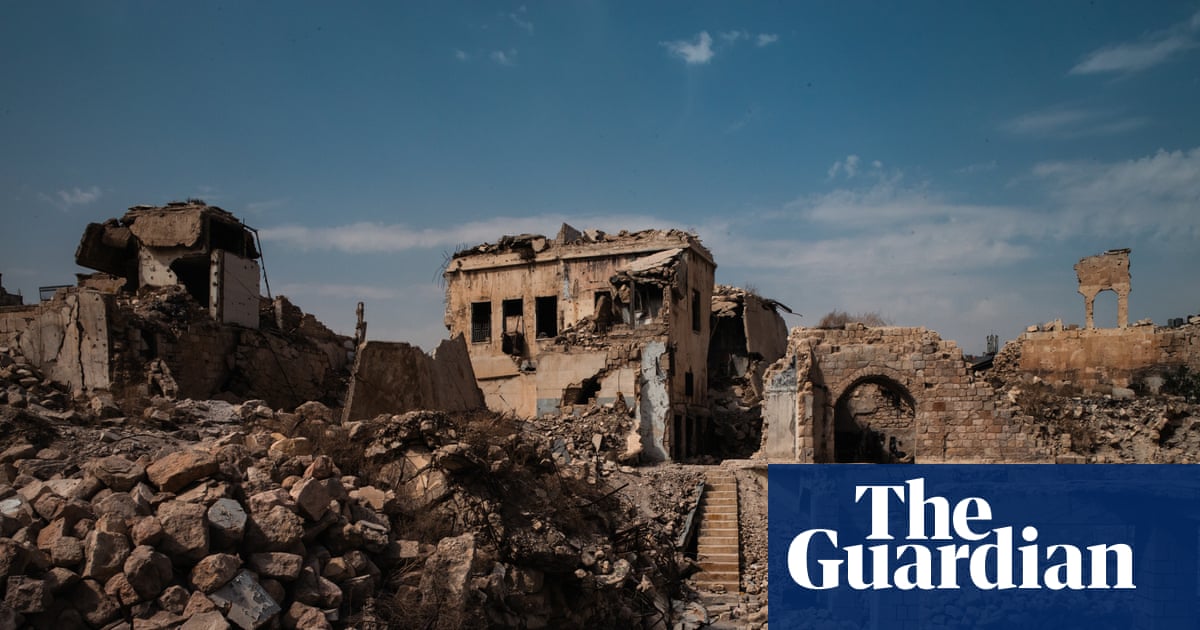
2 months agoSyrians greet extended army-SDF ceasefire with guarded optimism
Government troops have seized large swaths of northern and eastern territory in recent weeks from the SDF in a rapid turn of events that has consolidated President Ahmed al-Sharaa's rule, as Syria seeks internal stability and secures the external lifeline of reintegration into the international fold and the economic revival that comes with it. The eruption of fighting has rocked a nation trying to recover from nearly 14 years of ruinous civil war.
World news
[ Load more ]