DevOps
fromTNW | Offers
3 hours agoNinjaOne free trial. Test the unified IT operations platform
NinjaOne is a unified IT operations platform that consolidates multiple IT management functions into a single cloud-native console.
Lydia noticed the machine's battery was running low and told two other team members. The more senior went to fetch the backup battery, while the junior team member suggested a quicker method that Lydia firmly rejected.
The Harness Resilience Testing platform extends the scope of the tests provided to include application load and disaster recovery (DR) testing tools that will enable DevOps teams to further streamline workflows.
This extends to the software development community, which is seeing a near-ubiquitous presence of AI-coding assistants as teams face pressures to generate more output in less time. While the huge spike in efficiencies greatly helps them, these teams too often fail to incorporate adequate safety controls and practices into AI deployments. The resulting risks leave their organizations exposed, and developers will struggle to backtrack in tracing and identifying where - and how - a security gap occurred.
For years, reliability discussions have focused on uptime and whether a service met its internal SLO. However, as systems become more distributed, reliant on complex internet stacks, and integrated with AI, this binary perspective is no longer sufficient. Reliability now encompasses digital experience, speed, and business impact. For the second year in a row, The SRE Report highlights this shift.
To find the typical example, just observe an average stand-up meeting. The ones who talk more get all the attention. In her article, software engineer Priyanka Jain tells the story of two colleagues assigned the same task. One posted updates, asked questions, and collaborated loudly. The other stayed silent and shipped clean code. Both delivered. Yet only one was praised as a "great team player."
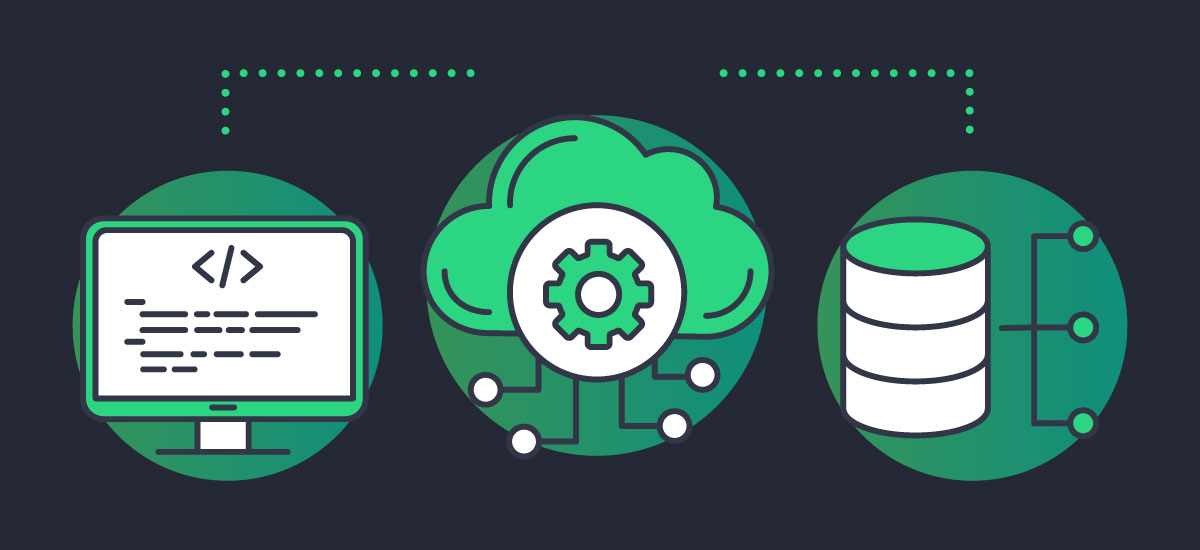
Manual database deployment means longer release times. Database specialists have to spend several working days prior to release writing and testing scripts which in itself leads to prolonged deployment cycles and less time for testing. As a result, applications are not released on time and customers are not receiving the latest updates and bug fixes. Manual work inevitably results in errors, which cause problems and bottlenecks.
A secure software development life cycle means baking security into plan, design, build, test, and maintenance, rather than sprinkling it on at the end, Sara Martinez said in her talk Ensuring Software Security at Online TestConf. Testers aren't bug finders but early defenders, building security and quality in from the first sprint. Culture first, automation second, continuous testing and monitoring all the way; that's how you make security a habit instead of a fire drill, she argued.
Industry professionals are realizing what's coming next, and it's well captured in a recent LinkedIn thread that says AI is moving on from being just a helper to a full-fledged co-developer - generating code, automating testing, managing whole workflows and even taking charge of every part of the CI/CD pipeline. Put simply, AI is transforming DevOps into a living ecosystem, one driven by close collaboration between human judgment and machine intelligence.
DBmaestro is a database release automation solution that can blend the database delivery process seamlessly into your current DevOps ecosystem with minimal fuss, and without complex installation or maintenance. Its handy database pipeline builder allows you to package, verify, and deploy, and gives you the ability to pre-run the next release in a provisional environment to detect errors early. You get a zero-friction pipeline, which is often not the case with database delivery process.