#post-earthquake-recovery
#post-earthquake-recovery
[ follow ]
#earthquake #hawaii #usgs #flooding #california #bay-area #seismic-activity #pacific-palisades #wildfire-recovery




#hawaii
:max_bytes(150000):strip_icc()/TAL-flood-haleiwa-hawaii-HELPHAWAIIFLOODS0326-3b8954b11813487caf57f7ef754684d1.jpg)


Agriculture
fromwww.theguardian.com
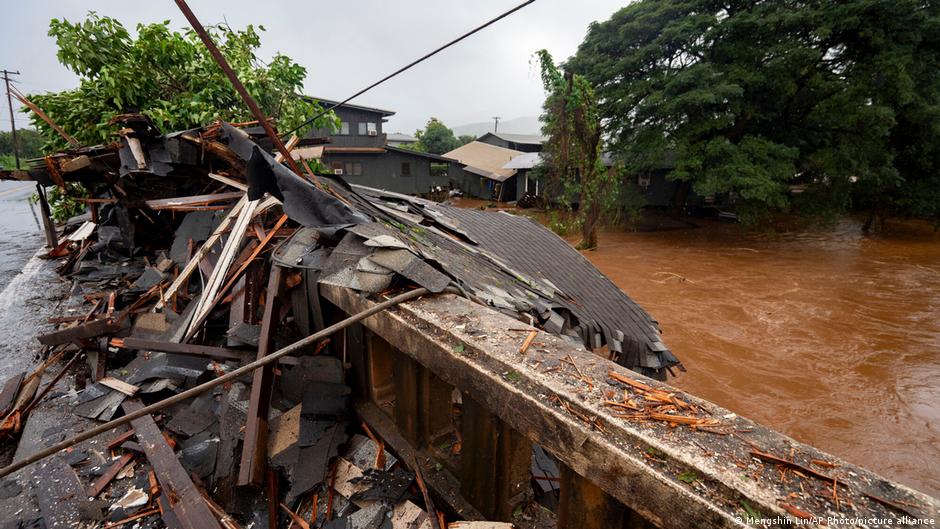
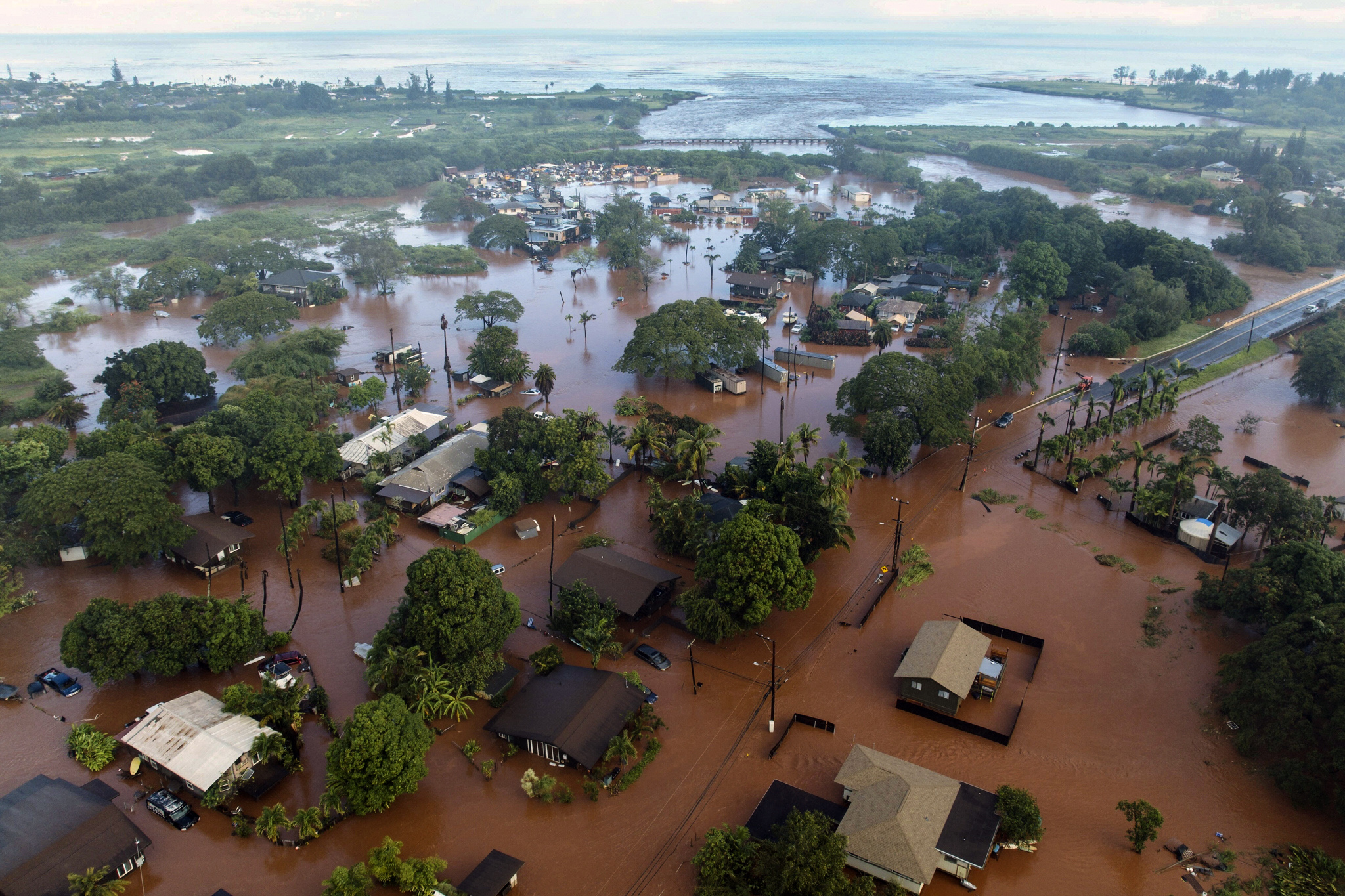
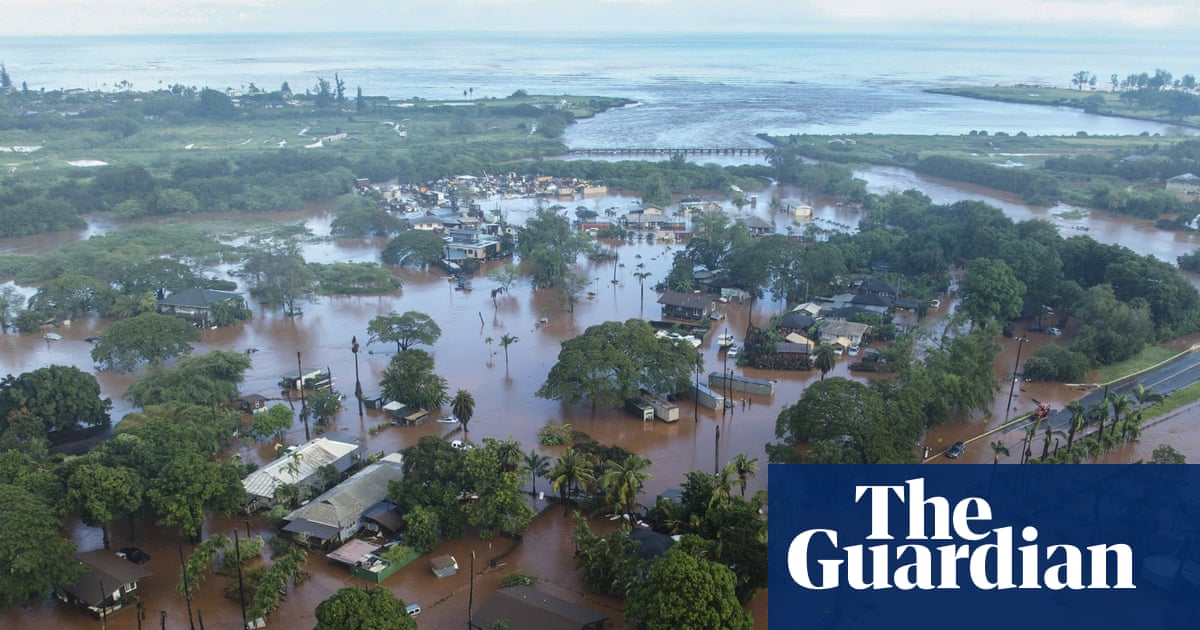
1 week agoI've never seen anything like it': Hawaii's small farmers begin recovery after catastrophic flooding
Severe storms devastated LewaTerra Farm, leading to significant crop loss and extensive damage across Oahu, with recovery efforts expected to be lengthy and costly.
fromSan Jose Inside
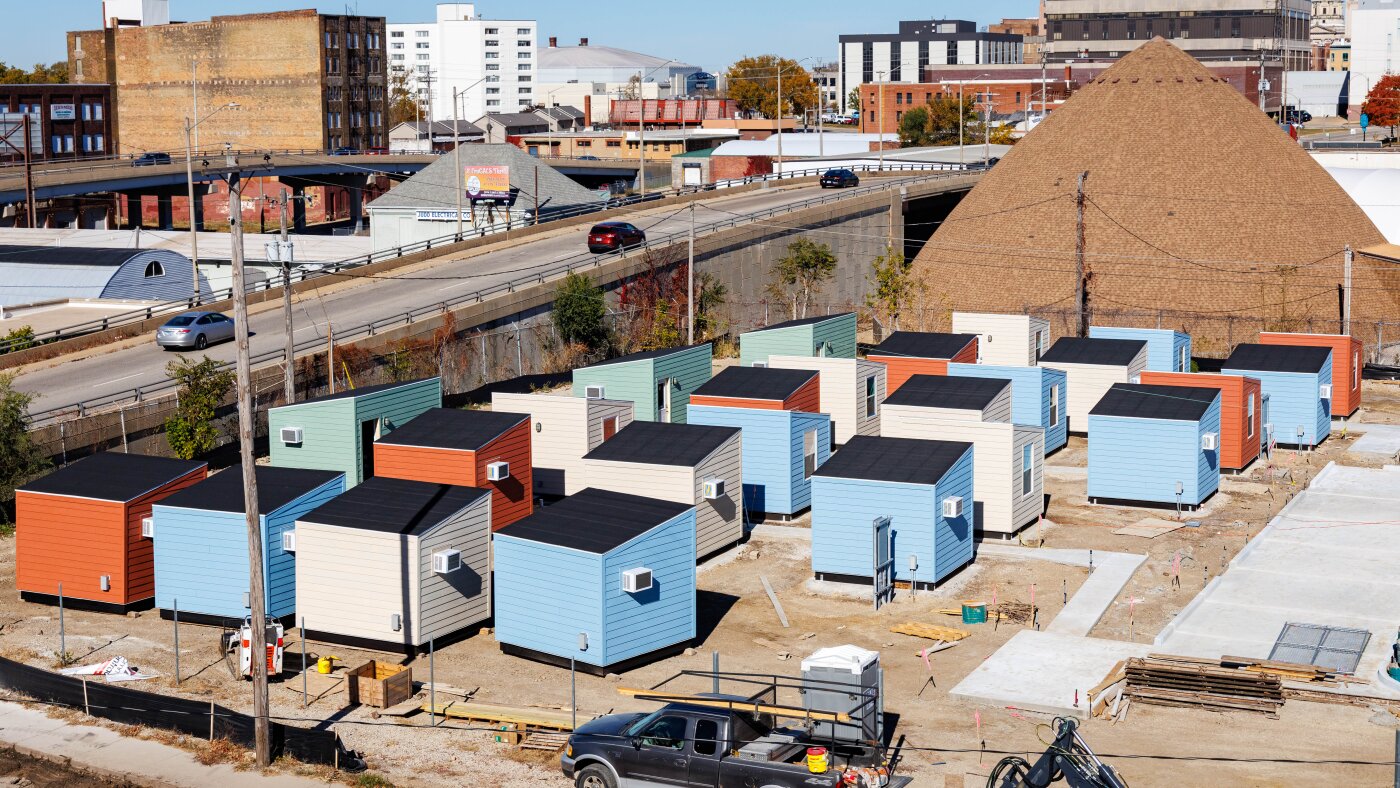
3 days agoCounty and Partners Celebrate Completion of Unique Affordable Housing Project
"To address housing affordability in our community, we need all types of affordable housing options, including affordable ownership opportunities that allow individuals and families an opportunity to build equity alongside housing stability," said Santa Clara County Supervisor Betty Duong.
East Bay real estate
fromwww.theguardian.com
6 days agoEvery child wants to find joy': the scheme designing playground equipment for disaster zones
Meininger, who grew up in Germany but now lives in London, likes making things. So when he saw how much his young sons enjoyed the jungle gym and play forts at the local park, he made an indoor treehouse for them.
Parenting

fromArchitectural Digest
4 days agoSarah Solis Helps Fashion Stylist Maeve Reilly Start Over After the Palisades Fire
"The hardest thing for both of us was losing home-the place you go that's safe, that provides comfort," Reilly says. The emotional toll was immediate, but the material losses were staggering in their own right: 'I lost the craziest archive of fashion and notes from Karl Lagerfeld'-pieces that, by their nature, are irreplaceable.
Renovation
fromSFGATE
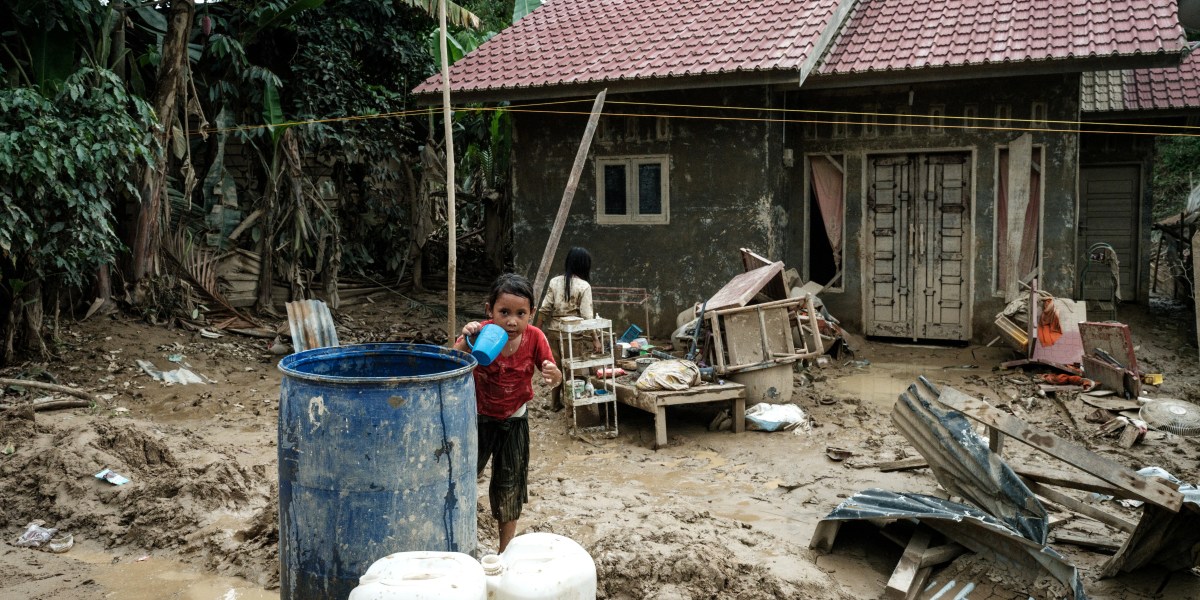
2 weeks agoHawaii braces for new storm as it still recovers from the last
We're not expecting much in terms of winds, mainly just going to be flood potential. And thinking that the focus is going to be Oahu, Maui County and Big Island, with Kauai kind of being on the fringes of it versus, you know, all the Islands were impacted last time.
Environment
Psychology
fromPsychology Today
1 month agoHow to Help Communities Rebound from Crisis and Disaster
Disaster psychology provides an empirically-based framework for building community resilience and growth during crises through understanding predictable psychological phases and natural recovery mechanisms.
Mental health
fromPsychology Today
1 month agoNavigating the Messy Middle of Disaster Recovery
Disaster recovery extends beyond the initial crisis phase; year two brings psychological challenges including chronic stress, financial strain, and bureaucratic delays that impair functioning and compound trauma.
Mission District
fromwww.mercurynews.com
1 month ago130 residents of Santa Clara condo complex displaced due to building damage
Over 60 residents evacuated from a Santa Clara condo complex due to structural concerns, though engineers determined the building was not in imminent danger of collapse but requires repairs before reoccupancy.
fromFast Company
1 month agoThis Berkeley building can snap back into place after a major earthquake
The rods are the central element of a novel seismic-responsive structural system that is designed to help the building snap back to its original shape in the event of a major earthquake. Their trick is an embedded cluster of taut cables made from a highly flexible compound called a shape-memory alloy that's capable of bending under tension-like the lateral shaking in a California earthquake-and then straightening out.
Science


World news
fromBusiness Insider
3 weeks agoSee what Fukushima looks like 15 years after the nuclear disaster
Fifteen years after Fukushima Daiichi's 2011 nuclear disaster, cleanup efforts continue with some areas recovered while others remain destroyed, prompting international collaboration to improve nuclear safety protocols and organizational structures.
LA real estate
fromtherealdeal.com
1 month agoArdie Tavangarian eyes disaster-prone markets for his fire-resistant homes
Arya Group founder builds fire-resistant luxury home in Pacific Palisades using steel framing, specialized materials, and AI-powered fire detection systems as proof of concept for post-wildfire reconstruction.
fromwww.mercurynews.com
2 months agoBracing for the next big earthquake, San Jose plans to test out seismic retrofit financing program
The city passed legislation nearly 18 months ago requiring property owners to retrofit their multi-story, wooden-frame buildings with at least three units constructed before 1990. It delayed implementation, however, when the federal government rolled back significant funding to facilitate the repairs. But after a court-granted injunction required the release of some of those federal funds, the city approved a $1.6 million pilot financing program in hopes of rolling out a larger critical life-safety initiative in the future.
Real estate
fromArchitectural Digest
2 months agoDesigning When Your City Is Under Siege
Life doesn't pause for grief or fear. You might be going through something devastating but you're still packing lunches, still driving your kids to baseball practice, still showing up to work. One minute I find myself prepping for a whole home presentation and the next minute I'm checking the news, hoping and praying that no one has been killed on the streets today.
Design


fromFast Company
2 months agoThese $1,000 bamboo homes survived a major earthquake
When a 7.7-magnitude earthquake hit Myanmar last year, roads buckled and thousands of buildings collapsed. But a group of small, ultra-low-cost homes made from bamboo survived without any damage. Finished just days before the quake, the houses are emergency shelters for some of the millions of people displaced by Myanmar's ongoing civil war. Myanmar-based architecture studio Blue Temple worked with its spinoff construction company Housing Now to make the simple prefab homes as low-cost as possible while still able to withstand natural disasters.
Design

Mental health
fromwww.mercurynews.com
2 months agoOpinion: It took a village' to heal her trauma and homelessness. Will California keep funding this help?
Trauma-informed community services, consistent care, and compassionate housing support enabled recovery from long-term abuse, addiction, homelessness, and estrangement.


Environment
fromFast Company
2 months agoIn California, developers are building the country's first wildfire resilient neighborhoods
A Sacramento-area neighborhood uses IBHS Wildfire Prepared Neighborhoods standards to build ember-resistant homes and layout designs that reduce wildfire ignition and spread.
fromwww.mercurynews.com
2 months agoWhy earthquake swarms happen and what they mean for California
Earthquakes usually strike without warning. But sometimes they come in clusters dozens or even hundreds of small quakes concentrated in one area over days or weeks. Geologists call these clusters earthquake swarms, and while they can be unsettling, scientists say they rarely signal that a major quake is imminent. Unlike the familiar pattern of a single large earthquake followed by aftershocks, swarms consist of many small quakes without a clear mainshock.
Science
fromwww.dw.com
2 months ago6.2-magnitude earthquake jolts western Japan DW 01/06/2026
A magnitude 6.2 earthquake hit western Japan on Tuesday, the country's meteorological agency said. The quake was relatively shallow, the meteorological service said, and struck around 10:18 a.m. local time (0118 GMT). There was no tsunami threat, the agency added. The US Geological Survey measured the quake at magnitude 5.7. The quake occurred in Shimane prefecture in northwestern Japan, impacting the cities of Matsue and Yasugi and nearby areas in Tottori prefecture.
World news


[ Load more ]