#postpartum-complications
#postpartum-complications
[ follow ]
#mental-health #maternal-health #pregnancy #maternal-mortality #postpartum-depression #motherhood #breastfeeding











US news
fromNonprofit Quarterly | Civic News. Empowering Nonprofits. Advancing Justice.
1 week agoMississippi Leads the Nation in Gun Deaths Among Pregnant and Postpartum People | Nonprofit Quarterly | Civic News. Empowering Nonprofits. Advancing Justice.
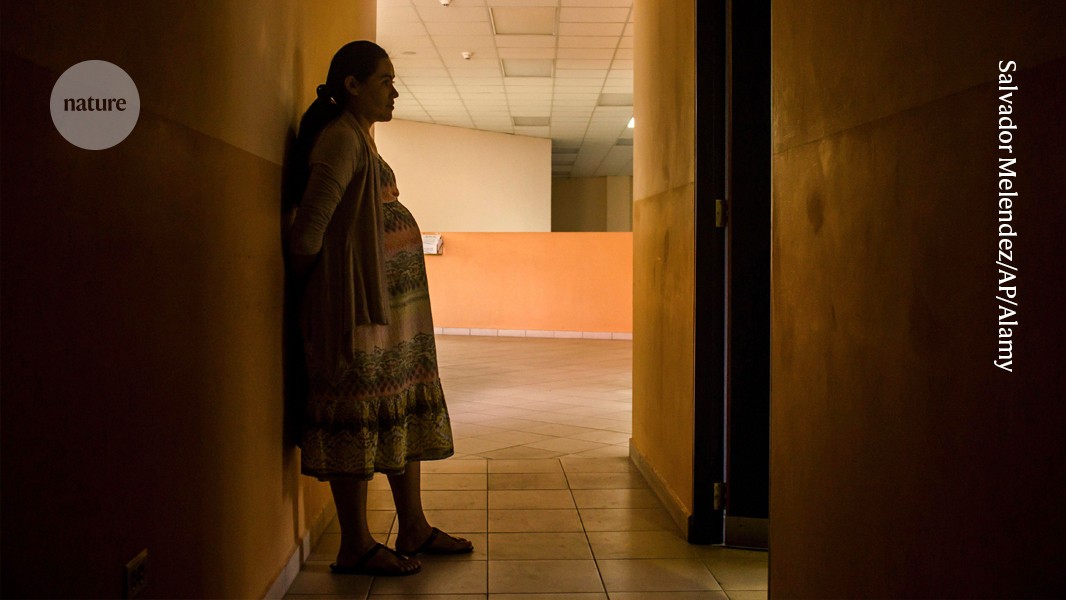
Mississippi has the highest rate of pregnancy-related gun deaths in the U.S., with many linked to domestic violence and firearms.

fromJezebel
1 week agoMore Pregnant Women Around the World Die When the U.S. Has a GOP President
Since 1985, every time the U.S. elects a Republican president, global maternal mortality increases by about 10.5%, or about 44.7 additional deaths per 100,000 live births. This erodes roughly one-fifth of the average worldwide decline in maternal mortality achieved since 1985.
Right-wing politics
fromwww.bbc.com
2 weeks agoI spent five months in a mother and baby mental health unit - here's what I want mums to know
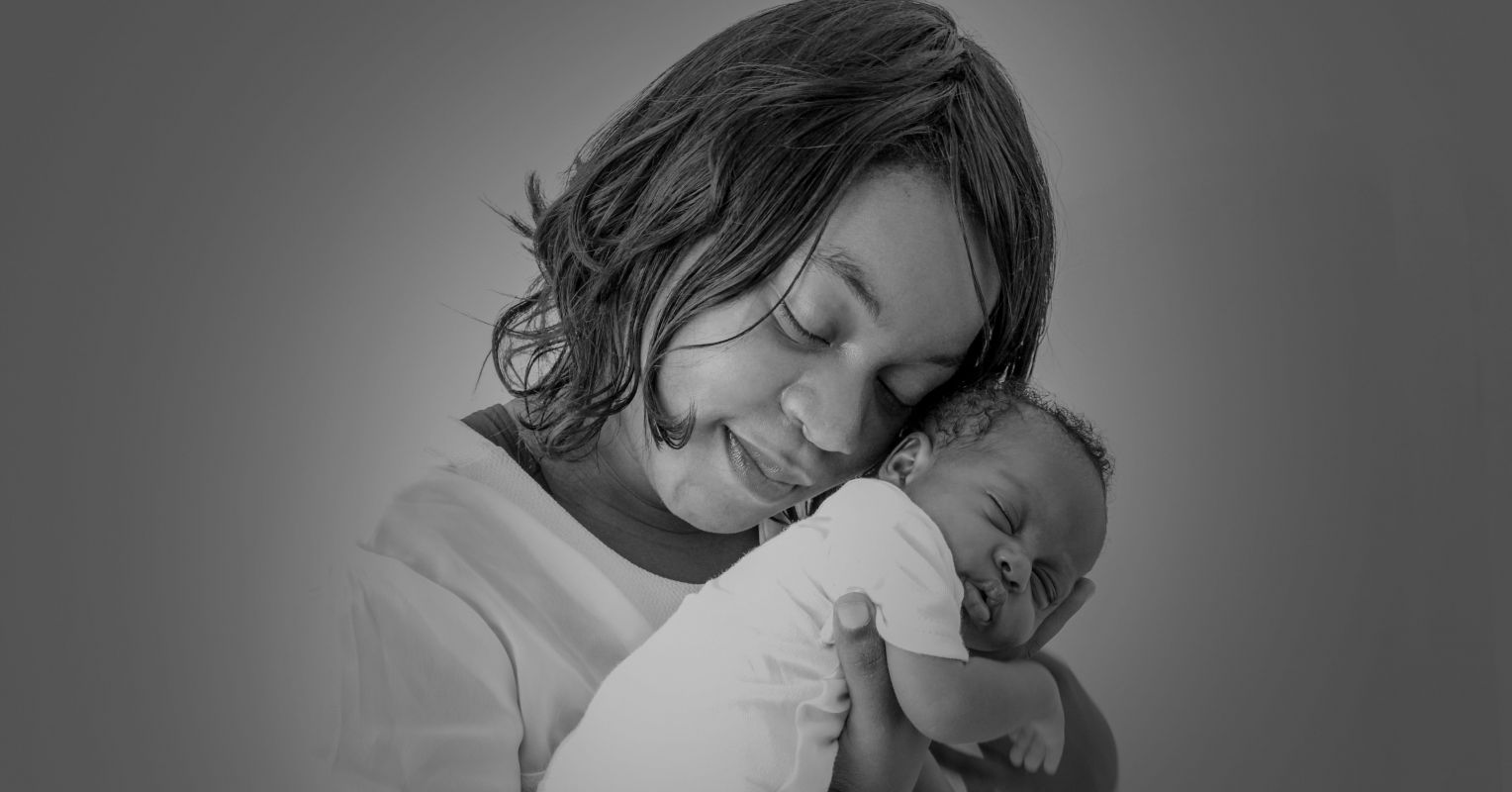
Sofii Lewis described her experience, stating, "I knew I wasn't safe. But I didn't think I was out of control." This highlights the confusion many face with postpartum psychosis.
Mental health
#maternal-health

Public health
fromwww.independent.co.uk
2 weeks agoWomen almost 150 times more likely to die from maternal sepsis in Africa than Europe
Women in sub-Saharan Africa are 150 times more likely to die from maternal sepsis than mothers in developed nations due to inadequate water, sanitation, and hygiene infrastructure in maternity wards.
Women in technology
fromIndependent
3 weeks agoMotherhood unfiltered: 'There was fear the entire time. It's probably the reason I don't think I'll have another child'
Mother's Day presents emotional complexity for many women, particularly those experiencing infertility, miscarriage, stillbirth, or unfulfilled motherhood desires.
fromJezebel
2 weeks agoFlorida Forced 2 Black Women to Have C-Sections They Didn't Want
Pregnancy is the only condition where Florida courts have ruled that a patient can be forced to undergo unwanted treatment. Even a state prisoner on a hunger strike has more rights to make medical decisions.
Medicine
Mental health
fromwww.bbc.com
3 weeks agoSent 90 miles after giving birth while 'soaked in urine'
A new mother with postpartum psychosis was forced to travel 90 miles for emergency care due to insufficient specialist mother and baby units, highlighting critical gaps in mental health service accessibility across the UK.
Wellness
fromCN Traveller
1 month ago"It also took so much pressure off me": I spent three days at London's leading postpartum retreat - here's my honest review as a new mum
Postpartum retreats provide new mothers with specialized care including meditation, reflexology, lactation support, and community connection during the vulnerable fourth trimester period.
fromwww.bbc.com
1 month agoUnder-fire maternity services still need to improve
While noting women 'were treated with kindness and compassion', a 'requires improvement' rating was given. Inspectors said hospital management 'did not always support staff well-being' and 'were not always visible within the service and were sometimes perceived as unsupportive'. Staff reported they were confident to report incidents, however, were not always assured action would be taken.
Healthcare
Women in technology
fromNature
1 month agoUncharted: Understanding women's health across the body
Women's health remains largely understudied due to historical exclusion from clinical research, creating significant gaps in understanding disease prevention, diagnosis, and treatment across most health conditions.
Mental health
fromSocial Media Explorer
1 month agoBeyond the Clinic: Practical Support for New and Expecting Moms - Social Media Explorer
Prenatal care must address mental health and emotional resilience alongside medical monitoring, with peer support and practical community resources essential for maternal wellness.
Parenting
fromScary Mommy
2 weeks agoFor The Overwhelmed Moms Trying To Do It All, You Can Blame "Institutional Lag"
Afternoon chaos for working mothers stems from institutional lag—outdated systems designed for single-income households with stay-at-home parents that fail to accommodate modern dual-income families.
Parenting
fromSlate Magazine
3 weeks agoI Had a Strange, Unsettling Experience Breastfeeding Each of My Four Children. I Finally Figured Out Why.
Breastfeeding triggered intense emotional distress including dread, sadness, and panic for the author across four children, despite lacking physical pain, leading her to switch to formula after brief periods.
fromNonprofit Quarterly | Civic News. Empowering Nonprofits. Advancing Justice.
1 month agoGiving Birth Under Surveillance: Migrants, ICE, and Obstetric Violence | Nonprofit Quarterly | Civic News. Empowering Nonprofits. Advancing Justice.
Fear of detention or deportation is leading many immigrants to avoid medical appointments, even when those visits are essential. This chilling effect is particularly acute among pregnant individuals, who may delay or forgo prenatal check‑ups out of concern that seeking care could expose them to immigration enforcement. The result is a growing public health crisis: expectant patients are left without consistent medical oversight, and communities face widening disparities in maternal and infant health outcomes.
Public health
fromHuffPost
1 month agoMy Abusive Partner Might Have Killed Me - This Controversial Choice Saved My Life
When I took the assessment, shortly after leaving my partner, he scored an 8/10. If I had gone through with our pregnancy, he would have scored a 10. But we didn't have children because five years earlier, in a Chicago clinic, I'd had a medication abortion. At the time, the danger only registered as a faint sense of unease, nothing like the five-alarm fire my life would later become.
Relationships
fromDaily Mom magazine
1 month agoPlanning A Nursing Career That Still Fits Family Life
Balancing a nursing career with family life means thinking a few steps ahead, without blowing everything up in the process. Many experienced nurses reach a stage where growth needs to be practical, not disruptive. The appeal lies in finding ways to widen responsibility and keep doors open while staying employable across different settings, all while working around real-world schedules and family commitments. It is less about chasing status and more about building a future that still works on a Tuesday afternoon.
fromDaily Mom magazine
1 month ago5 Pros & Cons To Birth At Home: Home Birth Vs Hospital Birth
When I first found out I was pregnant, I did what most moms do-I started researching. I wanted to make the best possible choices for my baby and myself, and giving birth in a hospital just didn't feel like the safest option. So many women do it, but the more I learned, the more I realized that the reality of hospital birth in the U.S. is even less reassuring than I had thought. I wanted to birth at home.
Public health
fromPsychology Today
1 month agoWho Gets to Be a Mother?
We'd been working together for years to make my medication regimen-treatment for schizoaffective disorder-safe for potential pregnancy. Under her care, I was tapering off an antidepressant known to cause respiratory distress and hypertension in a newborn. I'd been experiencing wild mood swings, even suicidal thoughts. My beloved doctor's eyes were sad. "I'm saying no to a pregnancy, Meg." Even in the moment, I understood her priority as a physician was to keep me safe. Still, part of me hated her.
Mental health
fromScary Mommy
2 months agoNo, PPD Isn't Just "Baby Blues" - Here's How To Tell The Difference
I just want to talk to whoever has romanticised the idea of being a new mom. When you're in a flurry of diaper changes, following a two-hourly pumping schedule and meticulously cleaning and mixing up bottles while running on less sleep than you've ever had, mommyhood ends up being more of a frenzied checklist of tasks to get done and not enough time snuggling and making babytalk with a babbling infant.
Mental health
fromwww.theguardian.com
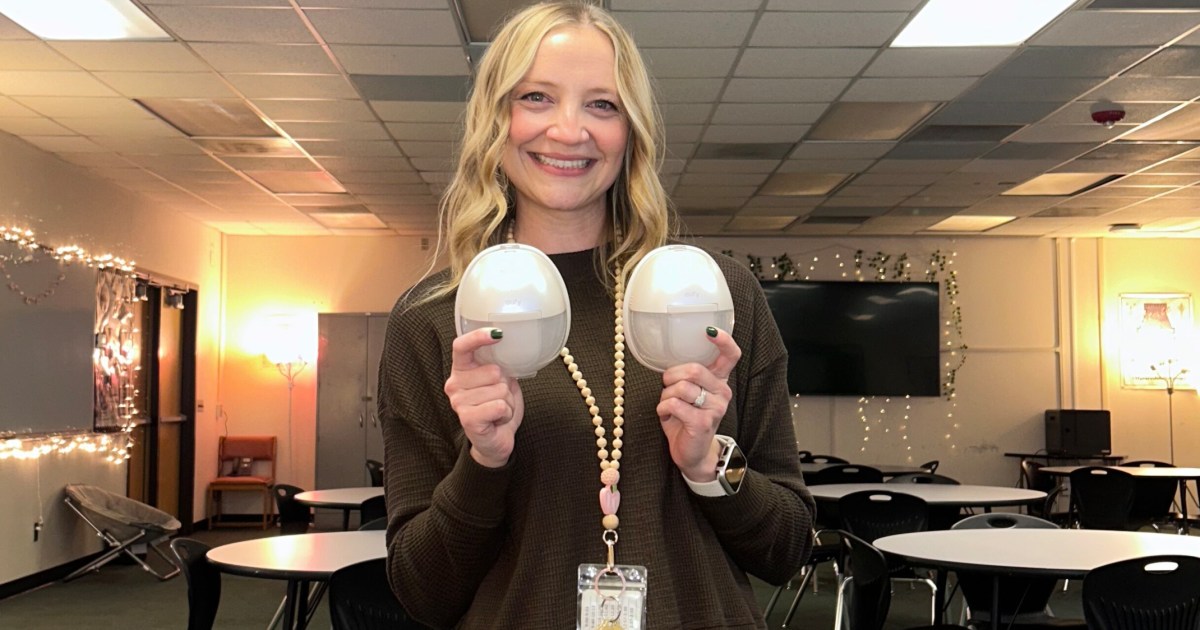
2 months agoGlobal midwife shortage raises rates of maternity intervention, report warns
Anna af Ugglas, chief executive of the International Confederation of Midwives (ICM) and one of the study's authors, said: Nearly 1 million missing midwives means health systems are stretched beyond capacity, midwives are overworked and underpaid, and care becomes rushed and fragmented. Intervention rates rise, and women are more likely to experience poor-quality care or mistreatment, she said. This is not only a workforce issue, it is a quality and safety issue for women and babies.
Public health
fromTODAY.com
2 months agoThe Best Present for Your Labor and Delivery Nurse is Absolutely Free
Hamilton makes it very clear that she and her fellow nurses are endlessly grateful for the gifts they have received from patients (like energy drinks, mints, donuts and hair ties). But at the same time, they don't expect them. And most importantly, the service they provide to their patients remains the same regardless of whether or not you give them a gift.
Public health
Public health
fromwww.theguardian.com
2 months agoAs LA maternity wards close, patients are giving birth in ERs: There's no system to care for these women'
Hospital maternity ward closures in Los Angeles are increasing emergency-room labor and delivery visits, straining remaining public hospitals and forcing longer travel for pregnant patients.
[ Load more ]