#power-promise
#power-promise
[ follow ]
#renewable-energy #climate-change #energy-crisis #solar-power #clean-energy #energy-transition #data-centers
#renewable-energy
Environment
fromEarth911
6 days agoSustainability In Your Ear: Schneider Electric's Steve Wilhite Maps the Renewable Energy Transition
The global energy system is shifting to distributed renewables and digital optimization, with a significant gap between corporate sustainability ambitions and delivery capabilities.
#windfall-tax
Europe news
fromFortune
1 day agoEuropean ministers urge EU to impose windfall taxes on energy companies as prices spike 'to ensure that this burden is distributed fairly' | Fortune
European finance ministers are urging a bloc-wide windfall tax on energy companies to address rising oil and gas prices and inflation concerns.
fromFuturism
17 hours agoPolymarket Has Turned Our Climate Apocalypse Into a Casino
"Gambling on the weather has become an institution throughout a great part of the United States." This sentiment from the Fort Worth Star-Telegram in 1915 highlights the long-standing tradition of weather betting in American culture.
Poker
#ai
Artificial intelligence
fromThe Nation
2 days agoThe AI Boom Is a Climate Bust
AI is increasingly being used to spread climate change disinformation, complicating efforts to combat the climate crisis.

#trump-administration
Non-profit organizations
fromLos Angeles Times
2 days agoTrump's 2027 budget would cut billions from clean energy and climate programs while boosting military spending
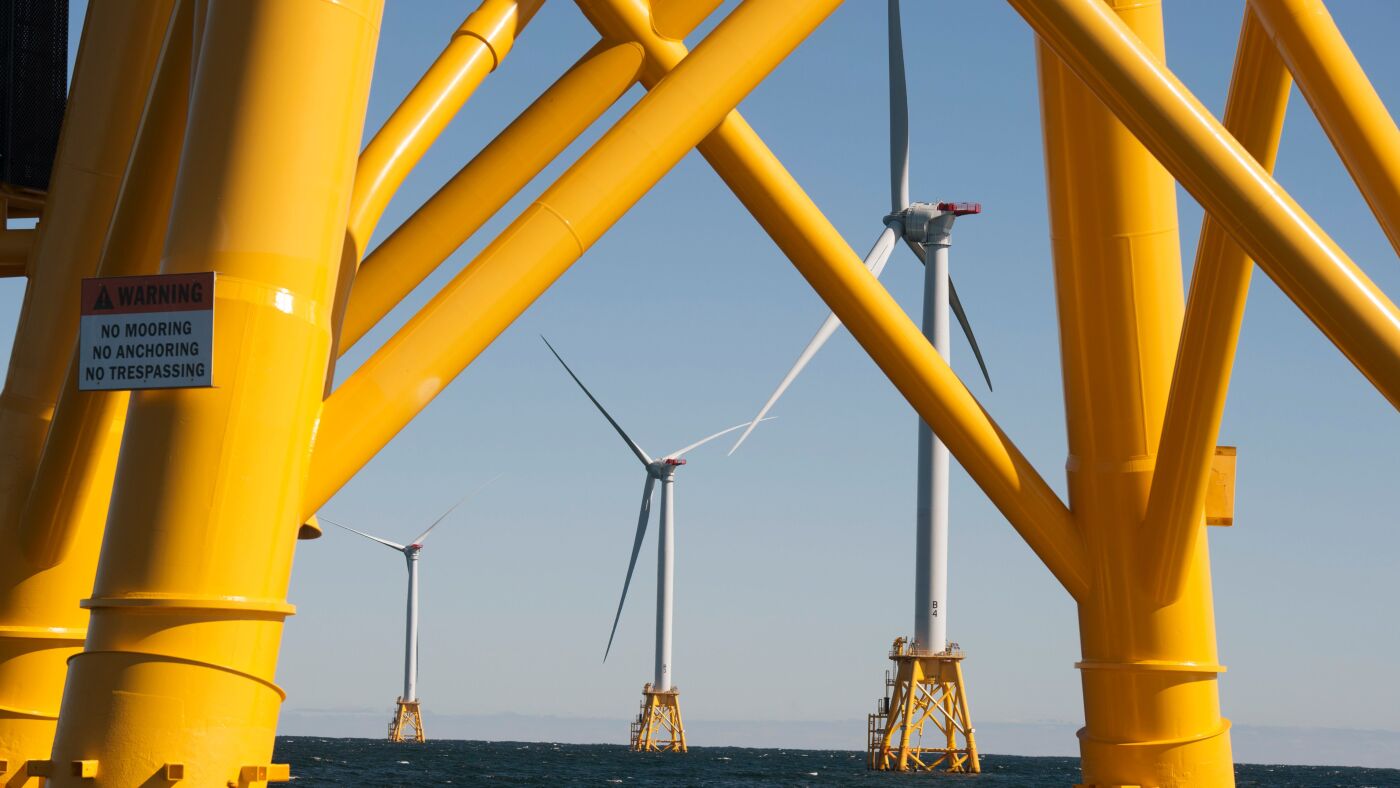
Trump's 2027 budget proposal includes significant cuts to clean energy and environmental programs, aiming to eliminate funding for the 'green agenda.'
World news
fromIrish Independent
2 days agoEU warns it's 'preparing for worst scenarios' and assessing 'all possibilities' including fuel rationing as energy crisis deepens
Tehran plans to charge for passage through the Strait of Hormuz, aiming to ensure safe navigation amid rising tensions with the US.


SF politics
fromFortune
6 days agoHyperscalers often lack the "aptitude" on power as the political push picks up to expedite grid connections and pipelines | Fortune
Federal efforts to expedite power grid interconnections face challenges due to hyperscalers' communication issues and lack of understanding of processes.
#energy-transition
Environment
fromFortune
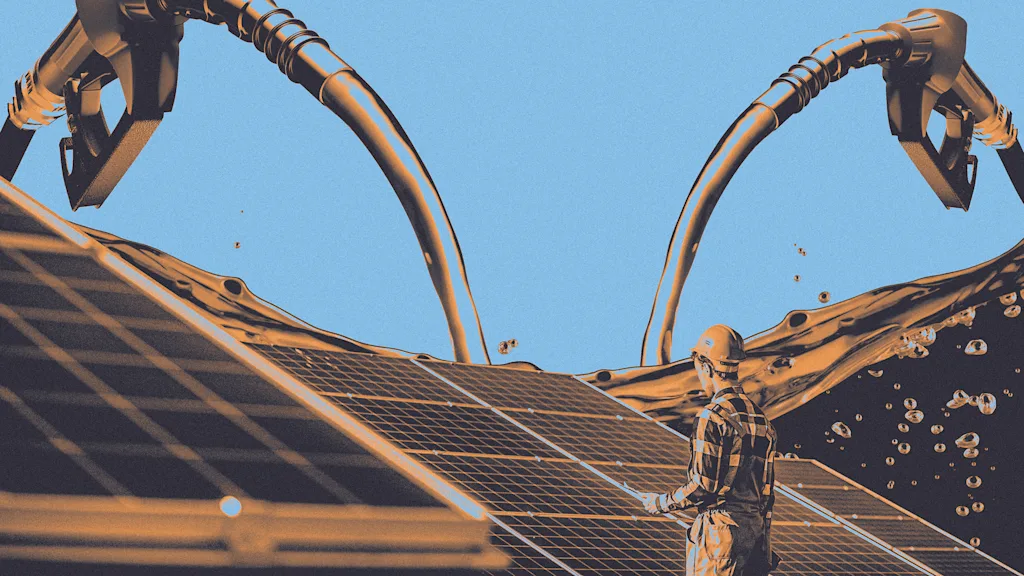
3 days agoCountries are turning to 'structurally more resilient' energy sources as oil and gas crisis deepens, UN renewables chief says | Fortune
The energy transition is accelerating, with renewables now comprising 49.4% of global energy capacity, driven by geopolitical factors and decreasing costs.
Environment
fromFortune
3 days agoCountries are turning to 'structurally more resilient' energy sources as oil and gas crisis deepens, UN renewables chief says | Fortune
The energy transition is accelerating, with renewables now comprising 49.4% of global energy capacity, driven by geopolitical factors and decreasing costs.
fromEarth911
3 weeks agoShould You Go Solar In 2026?
The most consequential shift for anyone considering rooftop solar in 2026 is the expiration of Section 25D, the Residential Clean Energy Credit. That 30% credit, which was worth up to $9,000 on a $30,000 system, is no longer available for home solar installations. The One Big Beautiful Bill, signed July 4, 2025, accelerated the phase-out that the Inflation Reduction Act had originally extended through 2034.
SF real estate

US news
fromwww.npr.org
3 weeks agoEasy-to-use solar panels are coming, but utilities are trying to delay them
Plug-in solar panels that connect to standard outlets are gaining traction in the U.S. as a cost-effective alternative to traditional rooftop solar, though utility opposition based on safety concerns is slowing legislative adoption.
Environment
fromwww.theguardian.com
5 days agoAsia ramps up use of dirty fuels to cover energy shortfall triggered by Iran war
Asian governments are increasing coal use to address energy shortages caused by geopolitical conflicts, raising environmental concerns and calls for renewable energy investment.
fromwww.theguardian.com
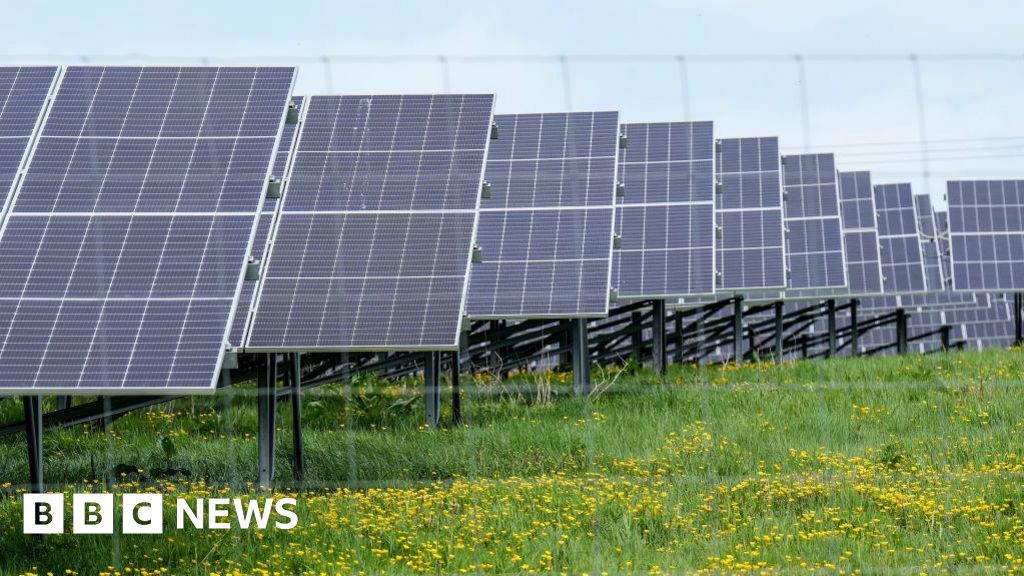
2 weeks agoYes to fields of wheat, no to fields of iron': how the world's greenest country soured on solar
We say yes to fields of wheat, and we say no to fields of iron! Jernmarker, or iron fields, was chosen as the Danish word of the year in December after the solar backlash swayed municipal elections and prompted some councils to pull projects.
Environment
fromEngadget
2 months agoMeta announces a slew of nuclear energy agreements
The company's agreement with TerraPower will fund the development of two new reactors capable of delivering up to 690 megawatts of power as early as 2032. The deal also gives Meta rights to energy from six other reactors that could deliver an additional 2.1 gigawatts by 2035. All this power would come from TerraPower's "Natrium" reactors, which use sodium instead of water as a coolant.
Artificial intelligence
fromFast Company
1 month agoHow to meet the surging energy demand without needing as much new electricity
When Specian dug into the data, he discovered that implementing energy-efficiency measures and shifting electricity usage to lower-demand times are two of the fastest and cheapest ways of meeting growing thirst for electricity. These moves could help meet much, if not all, of the nation's projected load growth. Moreover, they would cost only half-or less-what building out new infrastructure would, while avoiding the emissions those operations would bring.
Environment
fromwww.aljazeera.com
2 months agoRenewables muscle fossil fuels out of EU electricity market, says research
Solar and wind power provided more electricity than coal and gas last year, leading a global trend, said think tank Ember. Solar and wind power outperformed fossil fuels in the European Union for the first time last year, a new high watermark on Europe's transition to green and autonomous energy. The two sources of energy generated 30 percent of EU electricity, compared with 29 percent for coal and gas, Ember, a global energy think tank, said on Thursday in its European Electricity Review.
Environment
Environment
fromHarvard Gazette
1 month agoYes, China has embraced renewables - but don't call it a transition, expert says - Harvard Gazette
China is expanding renewable energy while simultaneously increasing fossil fuel capacity, driven by growing energy demand and security concerns, raising CO2 emissions.
[ Load more ]