#poynter
#poynter
[ follow ]
#journalism #misinformation #fact-checking #local-news #media-literacy #social-media #artificial-intelligence







Non-profit organizations
fromNonprofit Quarterly | Civic News. Empowering Nonprofits. Advancing Justice.
2 days agoHow Dissolving Your Nonprofit Can Strengthen the Sector | Nonprofit Quarterly | Civic News. Empowering Nonprofits. Advancing Justice.
Nonprofit leaders must sometimes choose to dissolve organizations intentionally rather than forcing survival in a weakened state.
Non-profit organizations
fromNonprofit Quarterly | Civic News. Empowering Nonprofits. Advancing Justice.
3 days agoAI in the Nonprofit Sector Is a Question of Governance, Not Just Technology | Nonprofit Quarterly | Civic News. Empowering Nonprofits. Advancing Justice.
Nonprofits face a critical choice in shaping AI governance or risk external control over its implementation and impact.

Higher education
fromPoynter
1 month agoSome of the best news stories start with a public records request - Poynter
Student journalists at Michigan State University used Freedom of Information Act requests to investigate university operations, winning legal battles against institutional resistance and receiving a 2025 Student Freedom of Information Award.
fromwww.theguardian.com
3 days agoEx-Alex Jones employee reflects on job at Infowars: It was nonsense. It was lies'
Owens described how Infowars aimed to create a cinematic experience, stating, 'We would go out there, we would shoot videos like we were in the weeds, we were showing what was really going on. But it was nonsense. It was lies.'
Media industry
#journalism


Media industry
fromPoynter
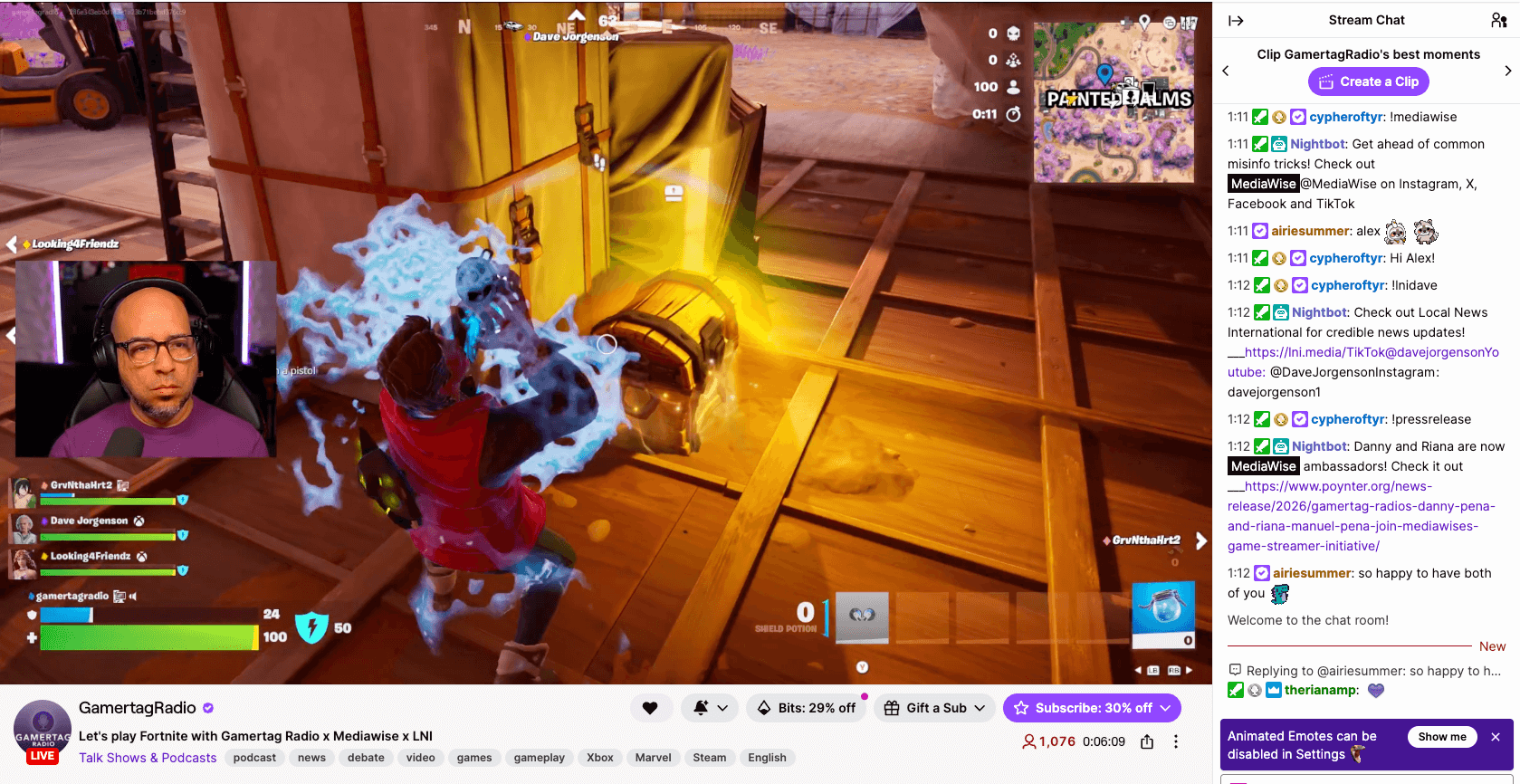
5 days agoASU's Cronkite School and Poynter Institute launch training collaboration to support journalists and media professionals - Poynter
A collaboration between Arizona State University and the Poynter Institute enhances professional development for journalists through integrated resources and training opportunities.


Media industry
fromNonprofit Quarterly | Civic News. Empowering Nonprofits. Advancing Justice.
4 days agoPolitics in an Attention Economy | Nonprofit Quarterly | Civic News. Empowering Nonprofits. Advancing Justice.
Candidates must be cultural figures to succeed in today's American politics, navigating an attention economy shaped by algorithms.
#creator-economy
Media industry
fromPoynter
3 weeks agoAs newsroom jobs shrink, some journalism schools teach students to go solo - Poynter
Journalism schools are integrating creator economy and entrepreneurial curriculum to prepare students for independent publishing and subscription-based business models in a transformed media landscape.
fromPoynter
2 months agoPoynter and Hacks/Hackers partner to keep fast AI adoption aligned with journalism ethics - Poynter
As AI rapidly reshapes the media landscape, Poynter is helping people understand how the technology works and how it should be used responsibly. Through practical AI training, ethical guidance and media literacy programs, Poynter's work supports transparent, trustworthy adoption as the technology continues to evolve. The Poynter Institute has hosted two summits on AI, ethics and journalism that have established guidelines to encourage responsible innovation and minimize risk of damage to newsrooms' reputations.
Artificial intelligence

Media industry
fromPoynter
2 weeks agoThis writer wants to prevent freelancers from floundering on story pitches - Poynter
Brendan O'Meara created Pitch Club to teach writers how to craft effective story pitches by sharing real pitches from published authors with detailed breakdowns and audio explanations.

Media industry
fromPoynter
2 weeks agoPoynter names 35 journalists selected for competitive 2026 Leadership Academy for Women - Poynter
The Poynter Institute's Leadership Academy for Women, now in its 11th year, has transformed nearly 700 journalists' careers by developing strategic leaders who prioritize talent development and empathy in managing journalists.
fromJezebel
4 weeks agoWhen AI Tools Yield Bad Journalism, Who Is Held Accountable?
A reporter at Ars Technica, whose beat was specifically reporting on AI, was fired after it turned out that a piece he had co-authored contained quotes fabricated by the AI tools he was using. Ars Technica has subsequently retracted the original story entirely, publishing an editor's note, stating that it was 'a serious failure of our standards,' but that they believe it to be an 'isolated incident.'
Media industry
fromPoynter
1 month agoWant to be a better editor? Start here. - Poynter
"Editing is as much about knowing and growing your team as it is about elevating their copy," said Kathleen McGrory, an editor with The New York Times Local Investigations Fellowship. "As an editor, a key part of your job is understanding what makes your reporters tick and helping them reach their goals beyond any one story. It requires open communication, deep trust and really listening."
Media industry
fromNieman Lab
1 month agoJournalism lost its culture of sharing. Here's how we rebuild it
If you've worked in a technical role in news for long enough, you likely remember when the "show your work" spirit was everywhere. Newsroom nerds shared code on GitHub, swapped tips on social media and unfurled long blogs guiding others on how to get things done. You might also have a vague sense that - like reaction GIFs, demotivational posters, and that guy who sang "Chocolate Rain" - you're seeing less of it these days.
Media industry
fromwww.mediaite.com
1 month agoThe Washington Post Disaster is an Indictment of Both Publishers and Society
The shocking diminishment of The Washington Post, which has just announced it is cutting a third of its staff, is not just another story of a great paper succumbing to algorithms, social media, and the march to idiocracy. In their zeal to be seen as fair and evenhanded, journalists tend to accept the common criticism that they failed to adapt that, basically, they didn't produce enough viral TikTok videos. There's some truth to that, but the main problem lies elsewhere.
Media industry
[ Load more ]