#prefabricated-timber
#prefabricated-timber
[ follow ]
#architecture #sustainability #sustainable-construction #sustainable-design #sustainable-architecture #design
#tiny-house
Renovation
fromYanko Design - Modern Industrial Design News
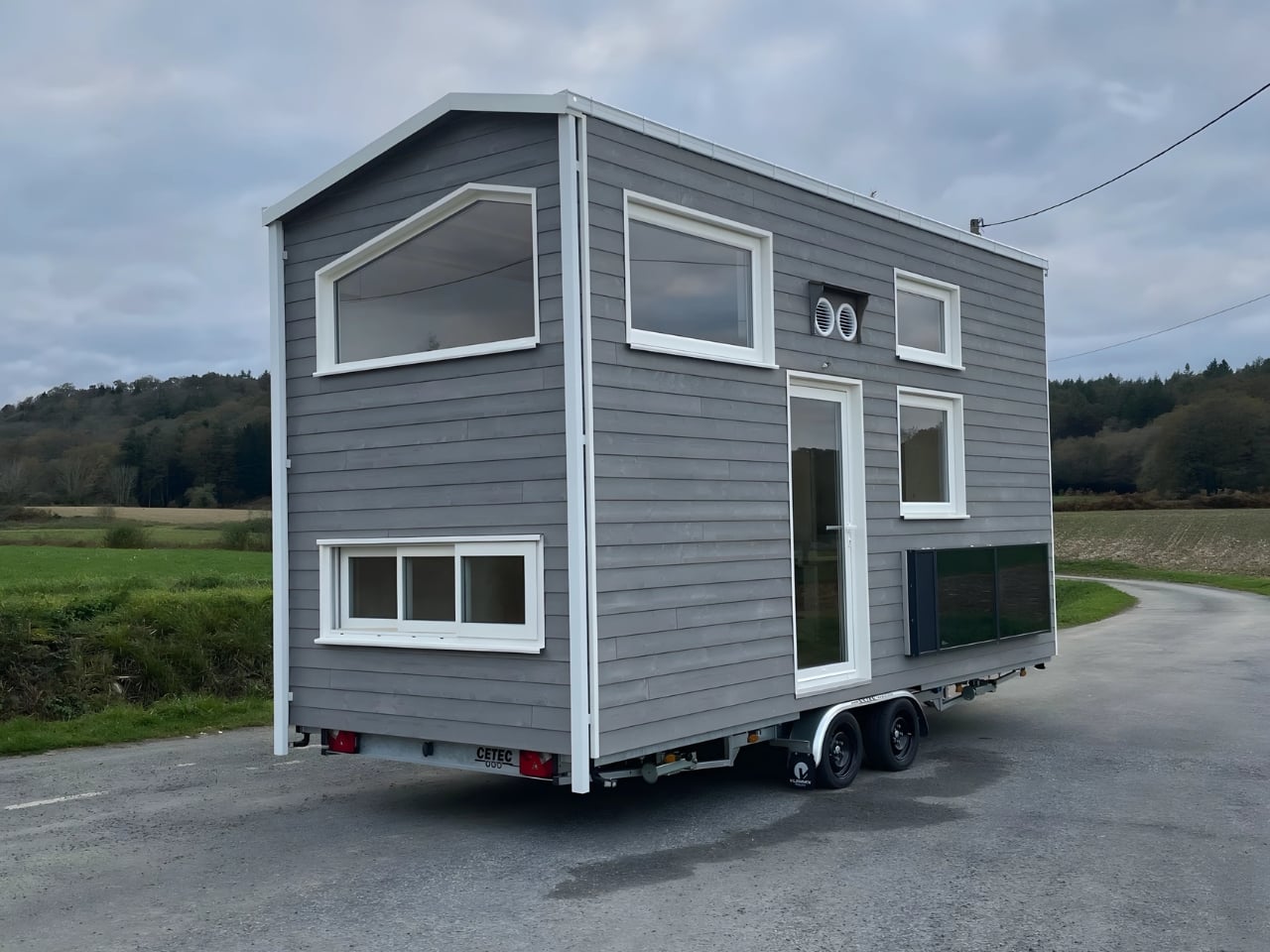
3 days agoThis Tiny House Has 30 Feet of Glass and Feels Nothing Like a Tiny House - Yanko Design
The Shoreline Glass House redefines tiny living with spacious, light-filled design and single-floor layout, offering a unique blend of comfort and openness.

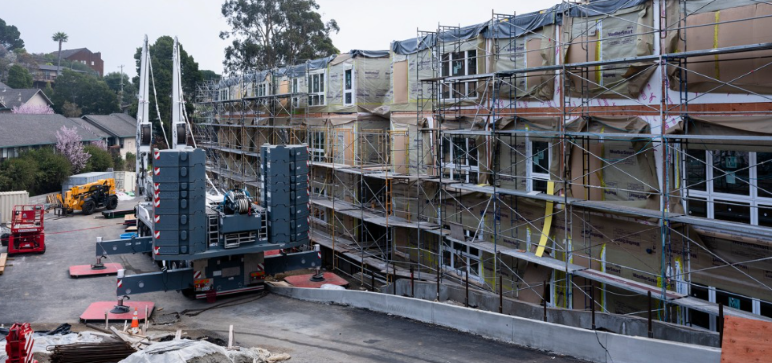
fromwww.theguardian.com
5 days agoEvery child wants to find joy': the scheme designing playground equipment for disaster zones
Meininger, who grew up in Germany but now lives in London, likes making things. So when he saw how much his young sons enjoyed the jungle gym and play forts at the local park, he made an indoor treehouse for them.
Parenting
#architecture


Design
fromYanko Design - Modern Industrial Design News
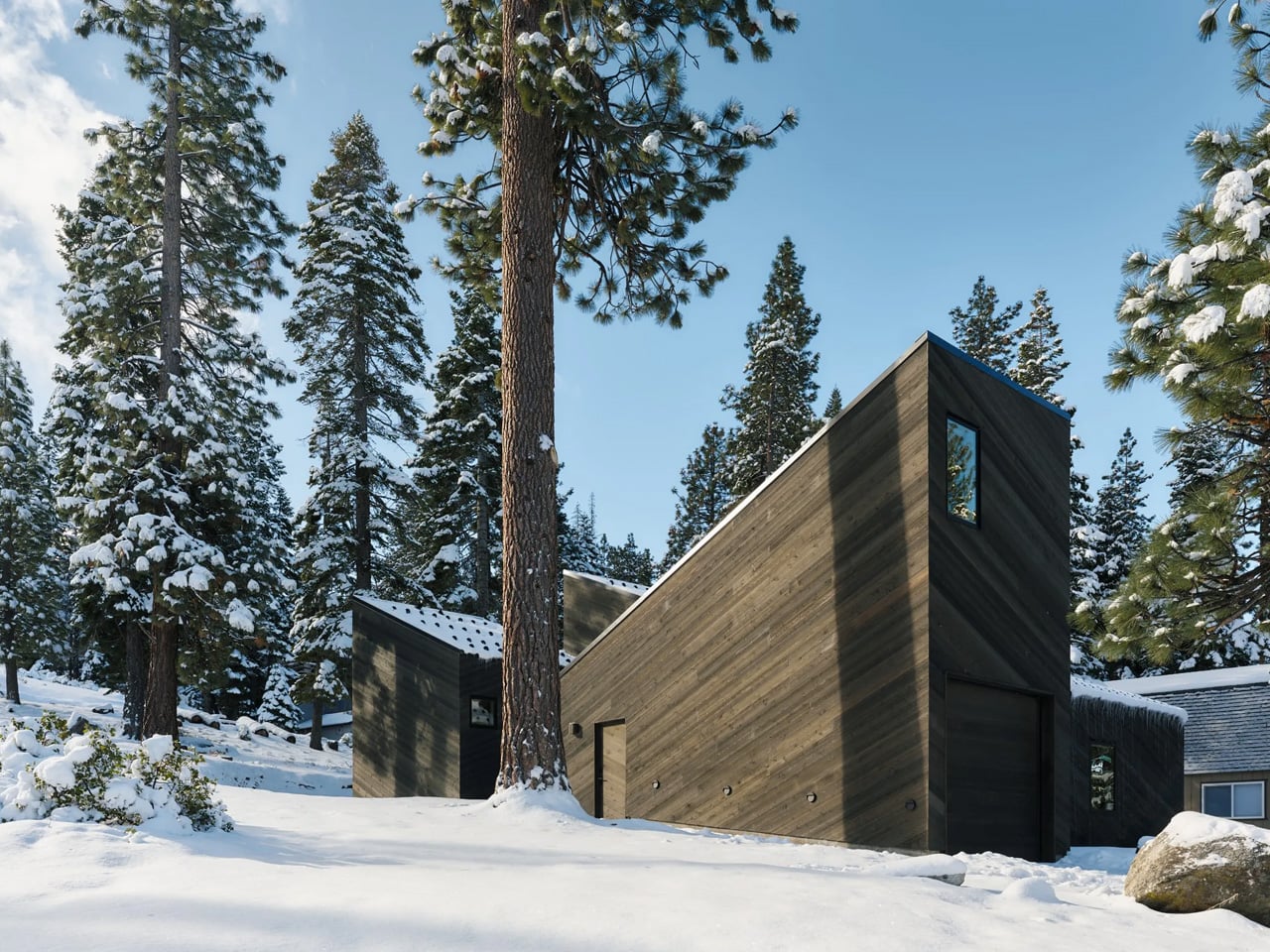
2 days agoFour Dark Cedar Volumes Stepping Down a Tahoe Slope - This Is What a Smart Cabin Looks Like - Yanko Design
Mork-Ulnes Architects' Staggered Cabin integrates with the landscape, preserving natural features and creating usable outdoor spaces.
Renovation
fromdesignboom | architecture & design magazine
3 days agoarthur casas adapts speculative structure into wood-lined coastal house in brazil
Arthur Casas transforms an unfinished structure into Bravíssima House, integrating it with the landscape and enhancing family living through design and materials.


OMG science
fromYanko Design - Modern Industrial Design News
1 week agoResearchers turned Sawdust Waste and Watermelon Seeds into Recyclable Fire-resistant Panels - Yanko Design
Sawdust can be transformed into a strong, fire-retardant composite material using struvite and an enzyme from watermelon seeds.


Design
fromYanko Design - Modern Industrial Design News
3 days agoBiomimetic Architecture Reaches New Heights With This Bird-of-Paradise Yoga Space - Yanko Design
Thilina Liyanage's architecture translates animal gestures into functional designs, exemplified by the Rifle Bird Yogashala inspired by the Victoria's riflebird's courtship display.
#tiny-homes
Remodel
fromYanko Design - Modern Industrial Design News
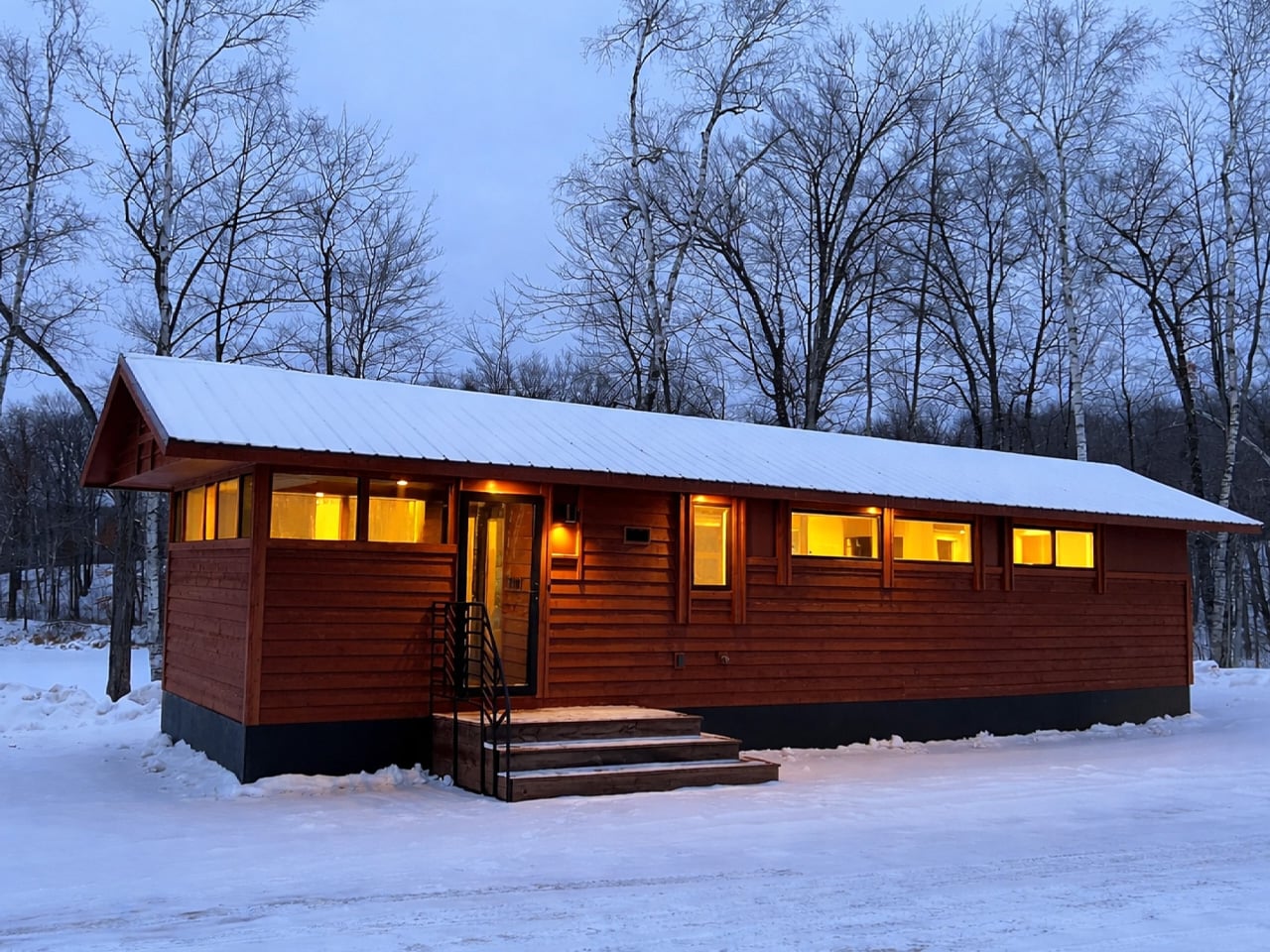
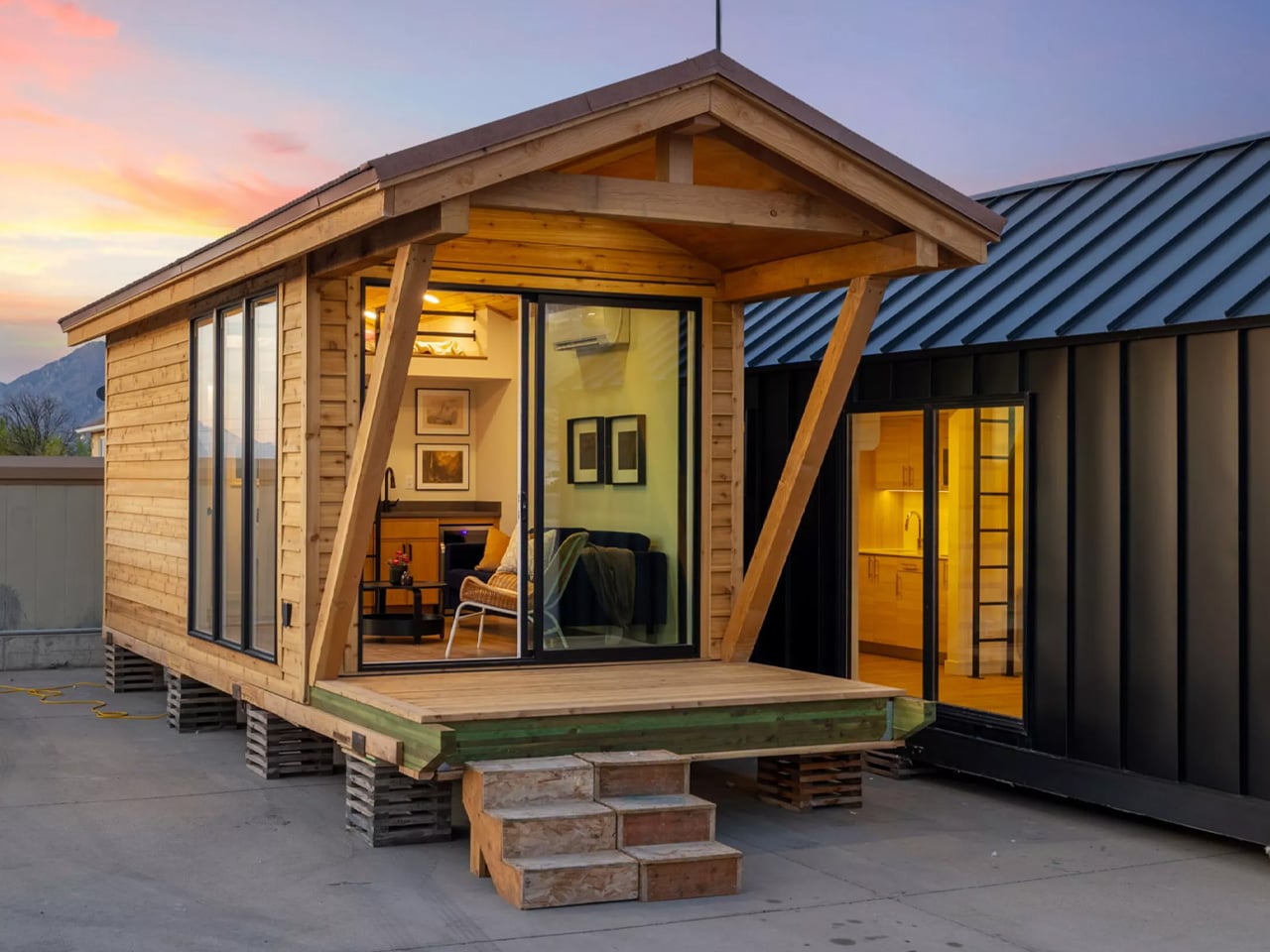
1 week agoIrontown Modular Built a Tiny Cabin With Vaulted Ceilings & Warm Wood Walls for Under $50K - Yanko Design
The Sledhaus 200 is a compact cabin that maximizes 200 square feet with thoughtful design and versatility for various living situations.
Arts
fromArchDaily
1 month agoBuildFest Introduces "Acts of Construction," a Three-Year Exploration of Timber Installations
Bethel Woods launches BuildFest, a three-year initiative featuring large-scale timber installations and multimedia experiences on the historic 1969 Woodstock festival grounds, organized sequentially around construction, choreography, and performance themes.
Design
fromdesignboom | architecture & design magazine
5 days ago317studio transforms taiwan classroom into forest-like learning space for scouting education
317studio transforms a conventional classroom into a flexible, forest-like learning environment that promotes active participation and adaptability.
fromArchDaily
3 weeks agoHow Architecture Is Learning to Generate Its Own Energy
Photovoltaic (PV) solar energy represents a modular technology that can be manufactured in large-scale facilities, generating economies of scale, while also being adaptable to small-scale applications. From residential rooftop systems to large-scale power generation installations, photovoltaic solar energy has established itself as a cost-effective option for electricity production in many countries around the world.
Environment
fromArchDaily
1 week agoDesigning for Obsolescence in an Age of Perpetual Upgrades
In the nineteenth century, entire railway networks became obsolete almost overnight, not due to physical deterioration, but because of changes in the technical standards that supported them. The expansion of railroads across Europe and North America adopted different track gauges, and as a dominant standard gradually emerged, these infrastructures became incompatible with one another.
Renovation
#sustainable-architecture

fromArchitectural Digest
2 months agoEnvironment
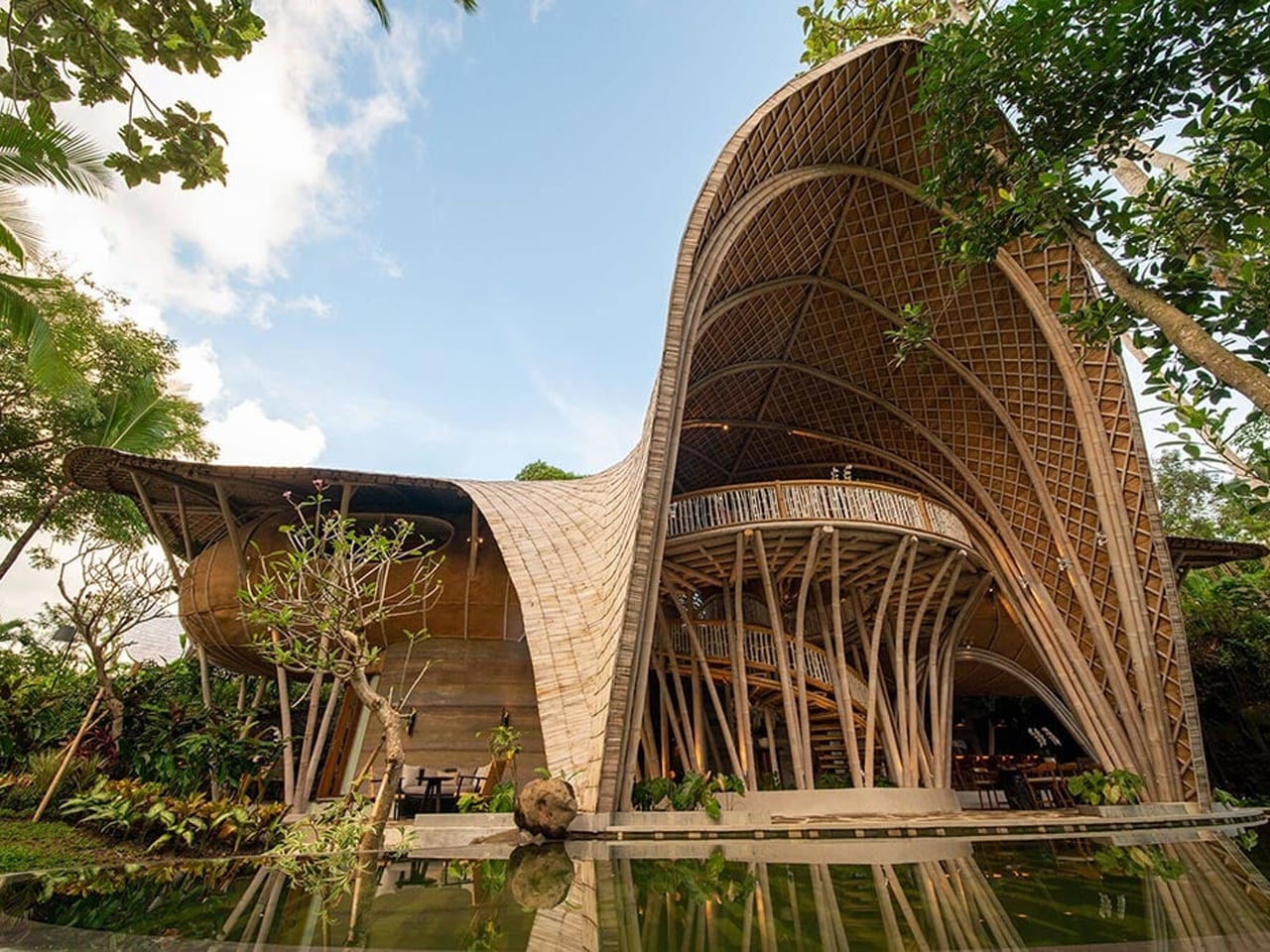
Sustainable Architecture Is More Needed Than Ever-Here's What It Actually Means
Sustainable architecture prioritizes life-cycle performance, embodied carbon reduction, material provenance, adaptability, and long-term usefulness over superficial greenwashing.
fromFast Company
2 months agoDesign
'People need to ask more of their buildings': 6 ideas that will define architecture in 2026
Buildings designed in 2026 will emphasize sustainability, adaptability, biophilic integration, and technological systems driven by climate, materials, and shifting work/life demands.

fromLos Angeles Times
35 years agoStress-Skin Paneling Makes Airtight House
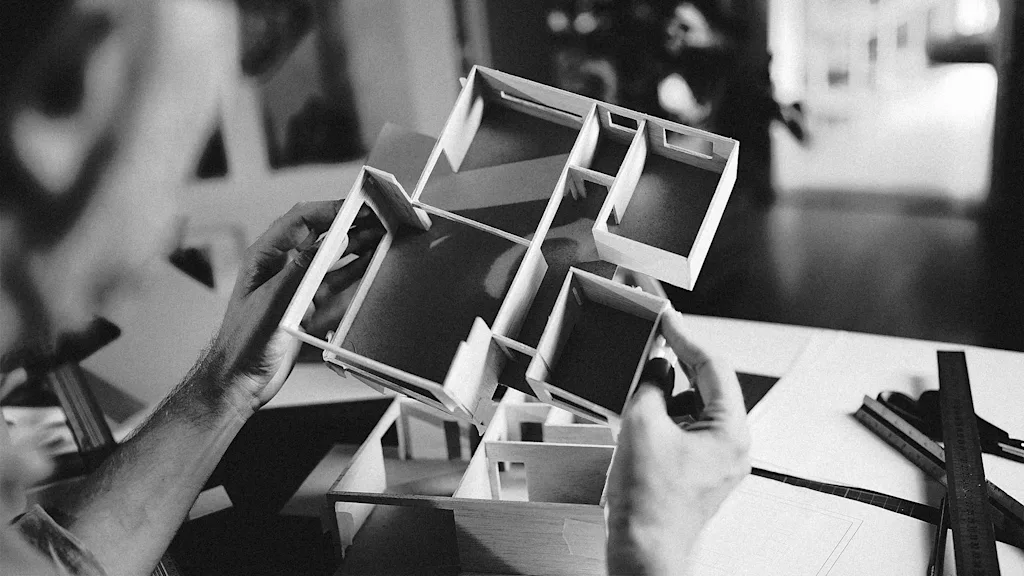
Stress-skin panel construction is probably the most energy-efficient and cost-effective building method available today. With super-high insulation levels and airtightness, a stress-skin panel house should have extremely low heating and cooling costs. A reduction of 50% on utility bills as compared to a typically constructed house is reasonable.
Remodel
fromFast Company
1 month agoThese designers made a sustainable new building material from corn
This corn-based construction material was made by Manufactura, a Mexican sustainable materials company, and it imagines a second life for waste from the most widely produced grain in the world. The project started as an invitation by chef Jorge Armando, the founder of catering brand Taco Kween Berlin, to find ways he could reintegrate waste generated by his taqueria into architecture. A team led by designer Dinorah Schulte created corncretl during a residency last year in Massa Lombarda, Italy.
Science
fromArchDaily
3 weeks agoBuilding with Earth: Traditional Knowledge in Contemporary Architecture
Rather than representing a simple return to the past, this renewed interest reflects a broader reconsideration of how architecture engages with materials, local resources, and environmental conditions.
Renovation
fromdesignboom | architecture & design magazine
1 month agocan desert sand with plant-based materials be used to build houses and roads?
Researchers at the Norwegian University of Science and Technology and the University of Tokyo have made a prototype of botanical cement made of desert sand and plant-based additives in hopes that it can be used to build houses and roads. Once mixed, the team adds tiny pieces of wood together and presses them all with heat to produce the cement.
Science
Design
fromArchDaily
3 weeks agoFacing the Age of Robots? Material Innovation in Architectural Structures
Robotic technology in construction extends beyond automation and cost reduction to fundamentally reshape architectural design, material experimentation, and construction methodologies through collaborative human-robot workflows.
fromwww.archdaily.com
3 weeks agoWood House / JAK Architecture
What began as a modest brief for a young and growing family soon evolved into a considered renovation that reimagines an existing Barwon Heads home. The original house had endured several unsympathetic alterations over the years, leaving it disjointed and built to a poor standard.
Renovation
Renovation
fromYanko Design - Modern Industrial Design News
3 weeks agoThe World's Tallest Timber Skyscraper Is in Sydney, and It Rises 600 Feet Into the Sky - Yanko Design
Atlassian Central in Sydney will become the world's tallest hybrid timber tower at 183 meters, more than double the current record holder, using a combination of concrete, steel, and engineered wood.
#sustainable-design
Design
fromYanko Design - Modern Industrial Design News
3 weeks agoMIT Finally Built the House Your Great-Grandkids Will Inherit - Yanko Design
MIT's Heirloom House project uses nine modular concrete components engineered to last 1,000 years, assembled through gravity and friction rather than permanent fasteners.
fromInsideHook
1 month agoCould Recycled Plastic Lead to More Housing?
When you think about building a house, what materials come to mind? Brick, wood and metal all come to mind; there are also some very distinctive glass houses out there. (Even if their occupants should refrain from throwing stones - though honestly, that's a good tip for indoor living in general.) A group of MIT researchers have come up with a very different way of making buildings, and it's one that also addresses an ongoing waste issue."We've estimated that the world needs about 1 billion new homes by 2050. If we try to make that many homes using wood, we would need to clear-cut the equivalent of the Amazon rainforest three times over," explained AJ Perez, who conducts his research in the MIT Office of Innovation. The title of a paper written by Perez and his colleagues - "Design, Manufacture and Testing of Structural Trusses Using Additively Manufactured Polymer Composites" - gives a sense of the solution that they have in mind.
Environment
Renovation
fromdesignboom | architecture & design magazine
3 weeks ago3D printed street furniture recycles concrete and brick waste from demolished urban villages
Construction waste from demolished urban villages is converted into 3D printable composite material containing up to 85% solid waste, creating functional urban furniture through a closed-loop production system.
fromBusiness Matters
2 months agoWhy Thermally Modified Timber Has Moved Into the Construction Mainstream
Thermal modification is not a new invention, but its relevance has increased as expectations around performance, sustainability, and predictability have tightened. Developers, architects, and contractors are no longer just asking whether timber looks good or performs well initially. They want to know how it behaves after ten, twenty, or thirty years, and how much risk it introduces into a project once the scaffolding is gone.
Remodel
fromArchDaily
2 months agoCircular Composites: Designing for a Sustainable Future
One of the earliest large-scale examples of composite materials can be found in the Great Wall of China, where stone, clay bricks, and organic fibers such as reeds and willow branches were blended to create a resilient and lasting structure. These early techniques reveal a timeless intuition: distinct materials, when combined thoughtfully, produce properties unattainable by any single element.
Environment
Real estate
fromLondon Business News | Londonlovesbusiness.com
1 month agoThree common myths about modular construction (debunked) - London Business News | Londonlovesbusiness.com
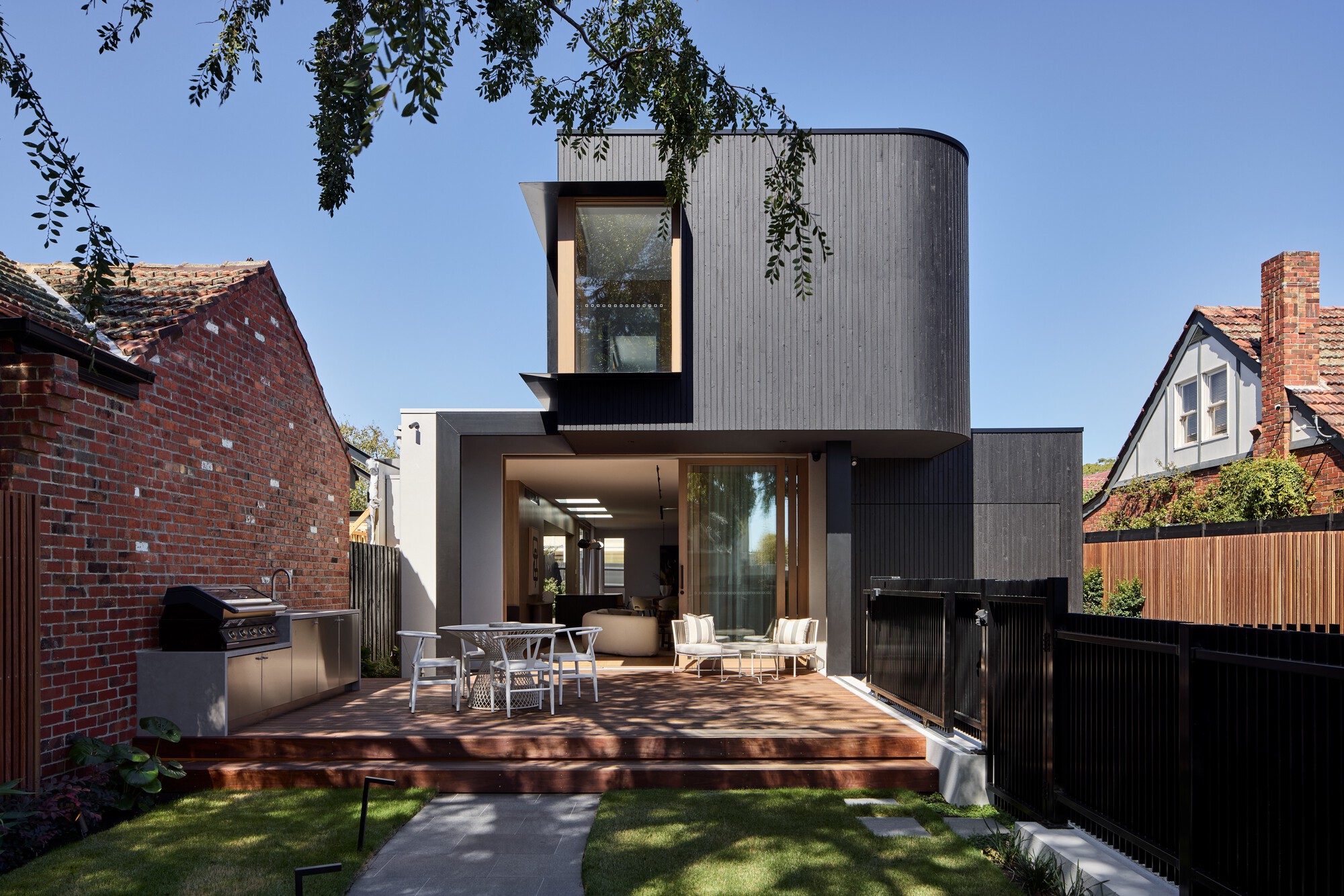
Modern panelised off-site construction delivers permanent, energy-efficient, high-performance buildings that rival or exceed traditional construction.
Renovation
fromLos Angeles Times
1 month agoCan fire-resistant homes be sexy? 'You be the judge,' says this Palisades architect
A Pacific Palisades architect designed a fire-resistant home with steel framing, foot-thick exterior walls, automated shutters, and advanced water and foam suppression systems after losing his previous home to wildfire.
Environment
fromwww.theguardian.com
1 month agoWe can learn from the old': how architects are returning to the earth to build homes for the future
Unstabilised rammed earth provides a low-carbon, locally sourced building method with thermal mass, moisture control and potential for circular construction.
fromwww.theguardian.com
2 months agoSchools, airports, high-rise towers: architects urged to get bamboo-ready'
For many years, bamboo has been mostly known as the favourite food of giant pandas, but a group of engineers say it's time we took it seriously as a building material, too. This week the Institution of Structural Engineers called for architects to be bamboo-ready as they published a manual for designing permanent buildings made of the material, in an effort to encourage low-carbon construction and position bamboo as a proper alternative to steel and concrete.
Environment
Real estate
fromwww.housingwire.com
1 month agoOffsite building faces scalability hurdles as Builders First Source expands
Offsite construction economics are fragile because factories need high utilization, face logistics and regulatory complexity, and cannot flex quickly with cyclical, regional housing demand.
Design
fromdesignboom | architecture & design magazine
1 month agofran silvestre arquitectos develops timber-and-steel home conceived for dismantling in spain
NIU N230 is a prefabricated, dismantlable compact house prototype emphasizing assembly-based construction, material coherence, precision, cost control, and reduced lifecycle carbon footprint.
fromArchDaily
1 month agoWhen Light Meets Energy in Glass Ceilings
From the large industrial roofs and galleries of the 19th century to the contemporary atriums of museums and public buildings, glass has been a recurring material in shaping large and monumental interior spaces. More than a technological or engineering solution, these horizontal glazed planes introduce a distinct luminous quality: light that comes from above. Unlike lateral daylight entering through façades, zenithal light is more evenly distributed, reduces harsh shadows, and lends spaces a sense of continuity and openness that is difficult to achieve otherwise.
Design
fromLondon Business News | Londonlovesbusiness.com
2 months agoTimber cladding in the UK: Materials, performance, and regulatory reality - London Business News | Londonlovesbusiness.com
Timber cladding has become a defining feature of contemporary construction across the UK. Once associated mainly with rural housing and architectural one-offs, it is now widely used across residential developments, commercial buildings, education projects, and urban regeneration schemes. Its appeal is often described in visual terms, but appearance alone does not explain its continued growth. Timber offers flexibility in design, a lower embodied carbon profile than many alternatives, and the ability to integrate effectively within modern wall systems when specified correctly.
Renovation
Design
fromwww.archdaily.com
2 months agoFrom Material Intelligence to Circularity: Lessons from Architecture in 2025
Architects prioritize material innovation in 2025—agricultural waste, recycled plastics, and living materials—balancing tradition, circularity, and material intelligence for resilient, low-carbon construction.
fromFast Company
2 months agoThese $1,000 bamboo homes survived a major earthquake
When a 7.7-magnitude earthquake hit Myanmar last year, roads buckled and thousands of buildings collapsed. But a group of small, ultra-low-cost homes made from bamboo survived without any damage. Finished just days before the quake, the houses are emergency shelters for some of the millions of people displaced by Myanmar's ongoing civil war. Myanmar-based architecture studio Blue Temple worked with its spinoff construction company Housing Now to make the simple prefab homes as low-cost as possible while still able to withstand natural disasters.
Design
fromArchDaily
2 months agoA Responsible Addition: HIMACS Shapes Achieve SCS Certification for Recycled Content
In a balance of aesthetics, performance, and versatility, HIMACS shows a solid surface material of choice for many architects and designers. Taking a further step forward, the entire range of standard HIMACS sinks and basins is now officially SCS certified, containing a minimum of 8% pre-consumer recycled content. This certification enhances the material's technical and visual appeal by providing a more sustainable option without compromising quality or functionality.
Design
fromdesignboom | architecture & design magazine
2 months agobartlett architecture students use robots to build arkhive reconfigurable timber pavilion
Arkhive is a full-scale developed by master's students from the Design for Manufacture (DfM) program at the Bartlett School of Architecture, UCL. The project explores fabrication and reconfigurable construction systems through an adaptable truss structure assembled using interlocking joinery. The pavilion was conceived as a demonstrator for construction systems that can be fully disassembled, reconfigured, and . Designed and built by students and staff, the free-standing structure is organized around two twisting timber arches anchored to plinths.
Design
[ Load more ]