#pressure-cooker
#pressure-cooker
[ follow ]
#cooking-tips #kitchen-appliances #food-safety #flavor-enhancement #air-fryer #food-preparation #kitchen-hacks
Remodel
fromTasting Table
3 weeks ago'Burping' Isn't Just For Infants. Turns Out It Benefits Your Kitchen, Too - Tasting Table
House burping, a trend of regularly ventilating homes by opening windows and doors, originated in Germany centuries ago and may help reduce mold and improve indoor air quality.
fromTasting Table
3 weeks agoThis Is What You Should Do With Potatoes That Have Sprouted - Tasting Table
Potato sprouts contain compounds (specifically glycoalkaloids like solanine and chaconine), which stick in the potatoes' skin and become toxic in the body when consumed in large quantities, leading to an upset stomach or indigestion. However, it's worth noting that potatoes already contain glycoalkaloids - the compound is just more concentrated in the sprouts.
Agriculture
Berlin food
fromTasting Table
1 month agoThe One Container You Should Never Use For Raw Meat, According To A Food Scientist - Tasting Table
Plastic food storage containers are porous and harbor bacteria more readily than glass or stainless steel, making them less safe for storing raw meat and other foods.
fromBon Appetit
1 week ago10 Chefs Share the Pans They Use Most in Their Restaurants
When churning out cover after cover at the saute station you can't exactly be picky about what's on the shelf above the stove. But that doesn't mean professional chefs don't have opinions about the pans they use every day during service.
Cooking
Everyday cooking
fromTasting Table
2 weeks agoAlton Brown's Method For Drying Steak In The Fridge Uses This Household Gadget - Tasting Table
Dry-brining steak with kosher salt on a wire rack in the fridge for 8-12 hours, enhanced by a small fan for air circulation, creates a crispy crust and tender, flavorful meat.
fromTasting Table
2 weeks agoCan You Use Aluminum Foil In The Broiler? - Tasting Table
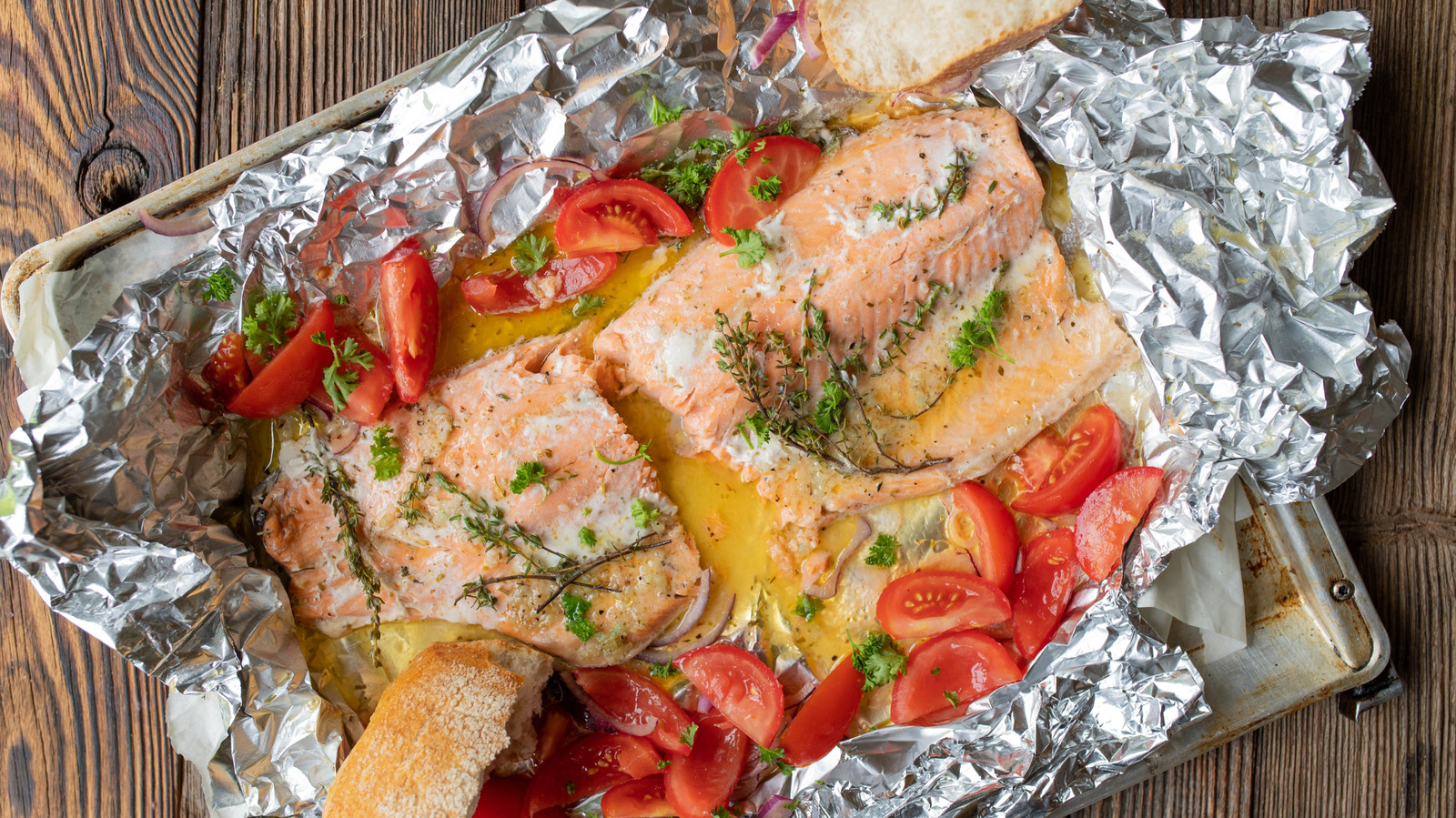
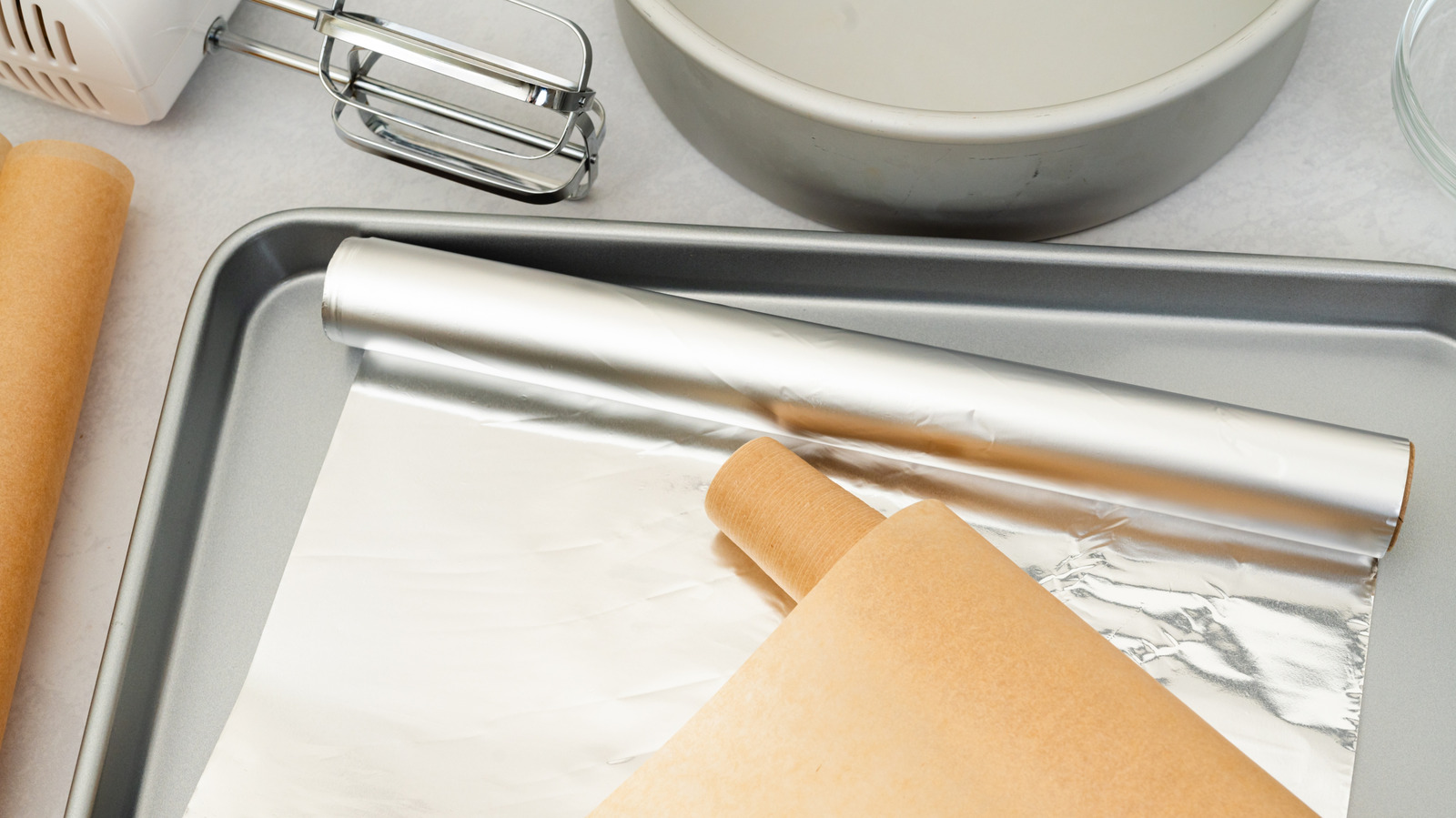
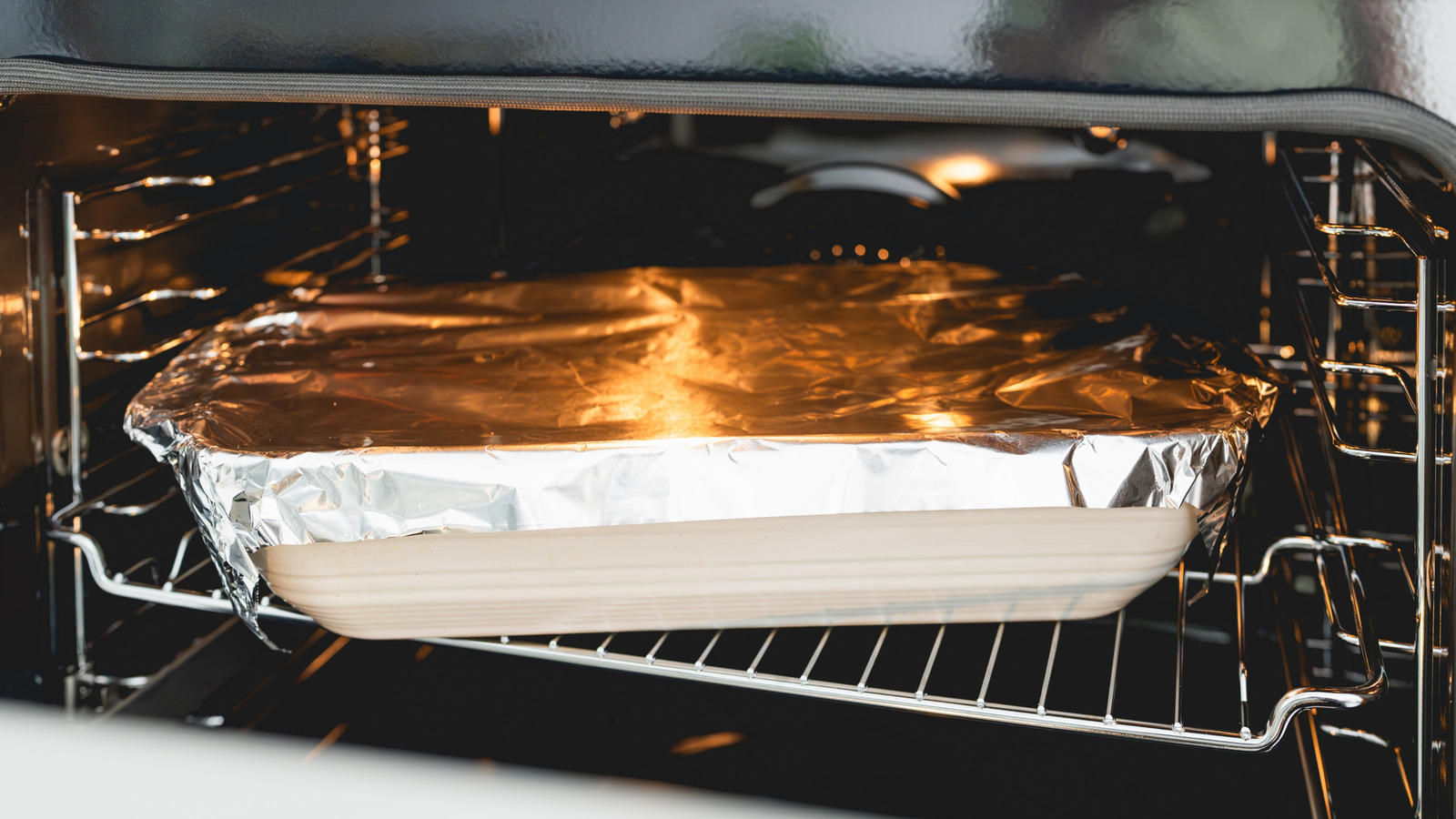
The average oven broiler generally reaches 500 to 550 degrees Fahrenheit. As well as being an incredibly tough material and, despite its malleability, aluminum foil is well within its range to handle the high heat of a broiler. At 1,220 degrees Fahrenheit, it has a melting point over double the average temperature your broiler can reach.
Cooking
Gadgets
fromTasting Table
2 months agoSteam Cleaning Your Stovetop Is Actually Genius, And Not Enough Of Us Are Doing It - Tasting Table
Handheld steam cleaners remove grease, water stains, and burnt food from glass, gas, and electric stovetops while avoiding control panels, electrical connections, and unsealed burners.
Everyday cooking
fromTasting Table
1 month agoSkip The Microwave And Reheat Leftovers This Way For Even Heating - Tasting Table
Convection ovens reheat leftovers more effectively than microwaves by circulating hot air for even heating and crispy exteriors, and air fryers function as accessible convection ovens for home kitchens.
Gadgets
fromLondon Business News | Londonlovesbusiness.com
2 months agoUsing instant read thermometers for better meal prep - London Business News | Londonlovesbusiness.com
An instant-read meat thermometer delivers fast, accurate internal temperature readings to ensure safe, consistent, and perfectly cooked meats and other foods.
Everyday cooking
fromwww.mercurynews.com
1 month agoThese dual fuel ranges offer the ultimate cooking precision
Dual fuel ranges combine gas stovetops with electric convection ovens, offering precise temperature control and versatile cooking capabilities including roasting, baking, air frying, and broiling.
fromTasting Table
1 month agoThe 10 Mistakes Everybody Makes When Cooking With Stainless Steel - Tasting Table
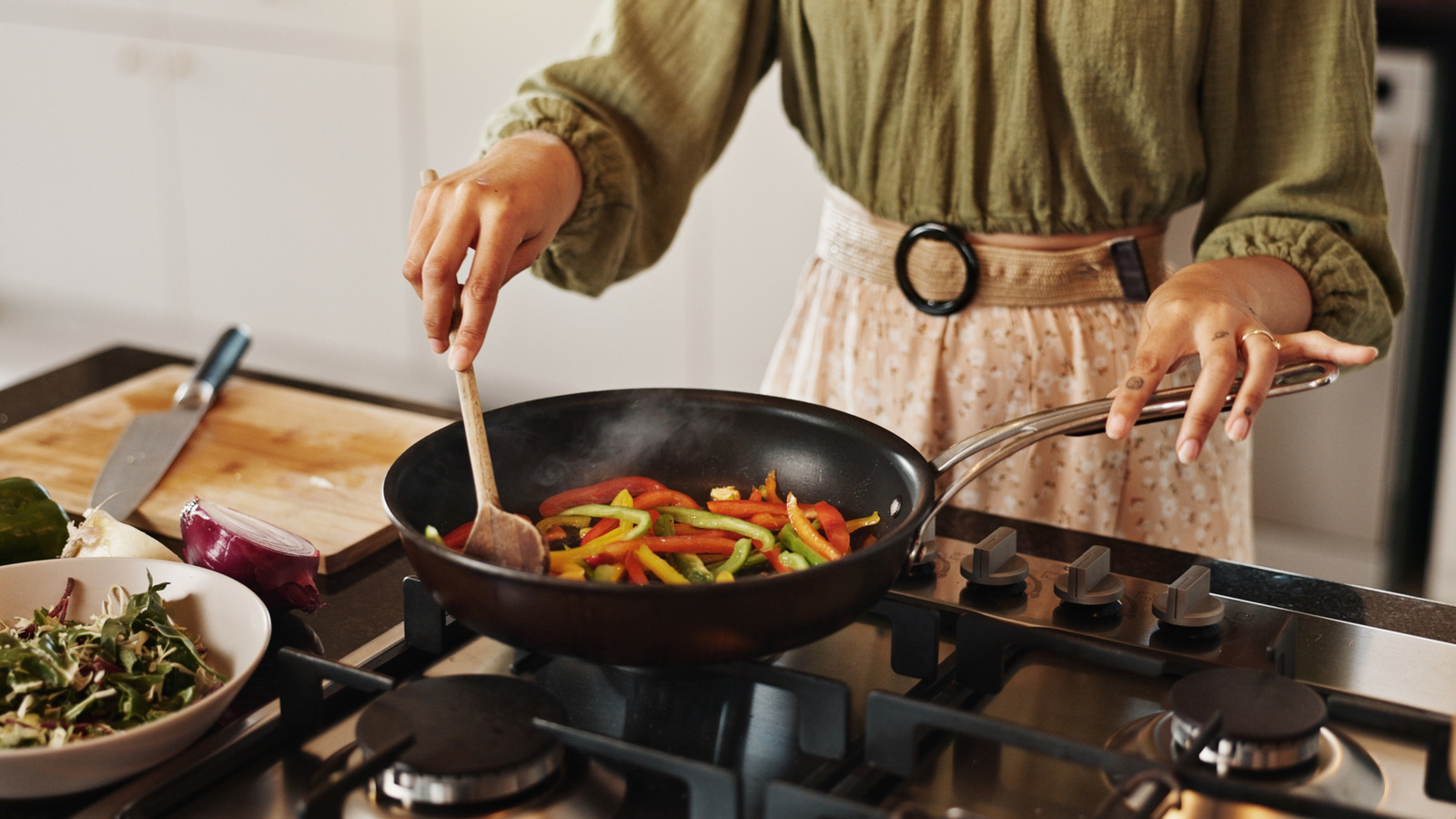
others are more likely to damage your pan and may even shorten its lifespan. It turns out that some of the main complaints you have about cooking with stainless steel might be because of user error, even if you're a seasoned cook. In fact, once you correct what you've been doing wrong with your stainless steel cookware, you might use them just as often or more than your non-stick pans, especially if you're worried about non-stick forever chemicals.
Everyday cooking
fromTasting Table
1 month agoA Personal Chef Explains The Problem With Eggs And Cast Iron - Tasting Table
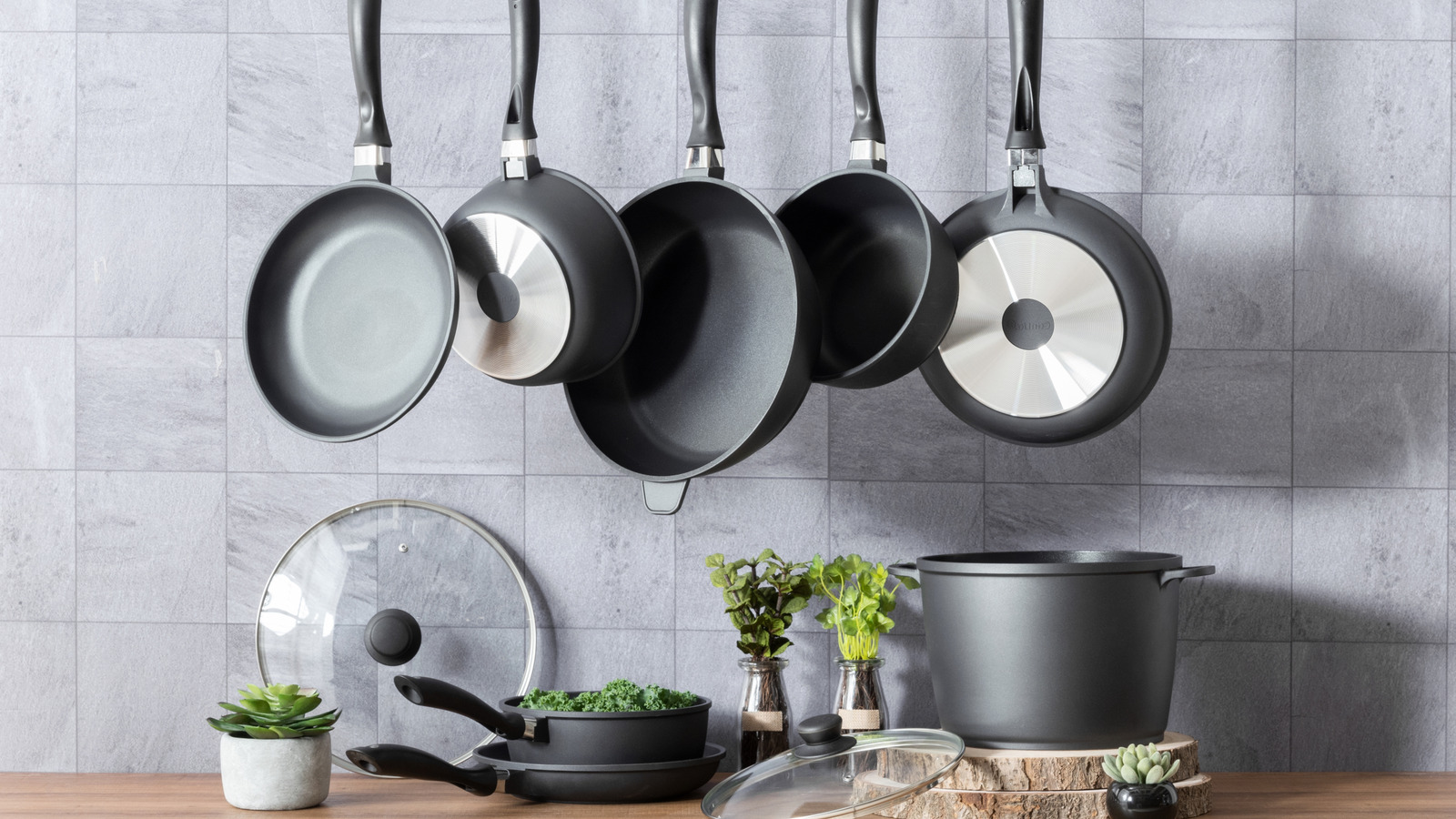
Whether donning an apron at home or in a Michelin-starred restaurant, pretty much everyone agrees on the merits of cooking with cast-iron pans. They've been around for generations, passed down like an heirloom and fired up for all kinds of meals, from everyday comfort food to special company-is-coming fare. But there's one thing that needs to be acknowledged: it's not ideal for everything - specifically, cooking eggs.
Cooking
fromTasting Table
1 month agoDon't Serve Rice Right After Cooking - Here's Why - Tasting Table
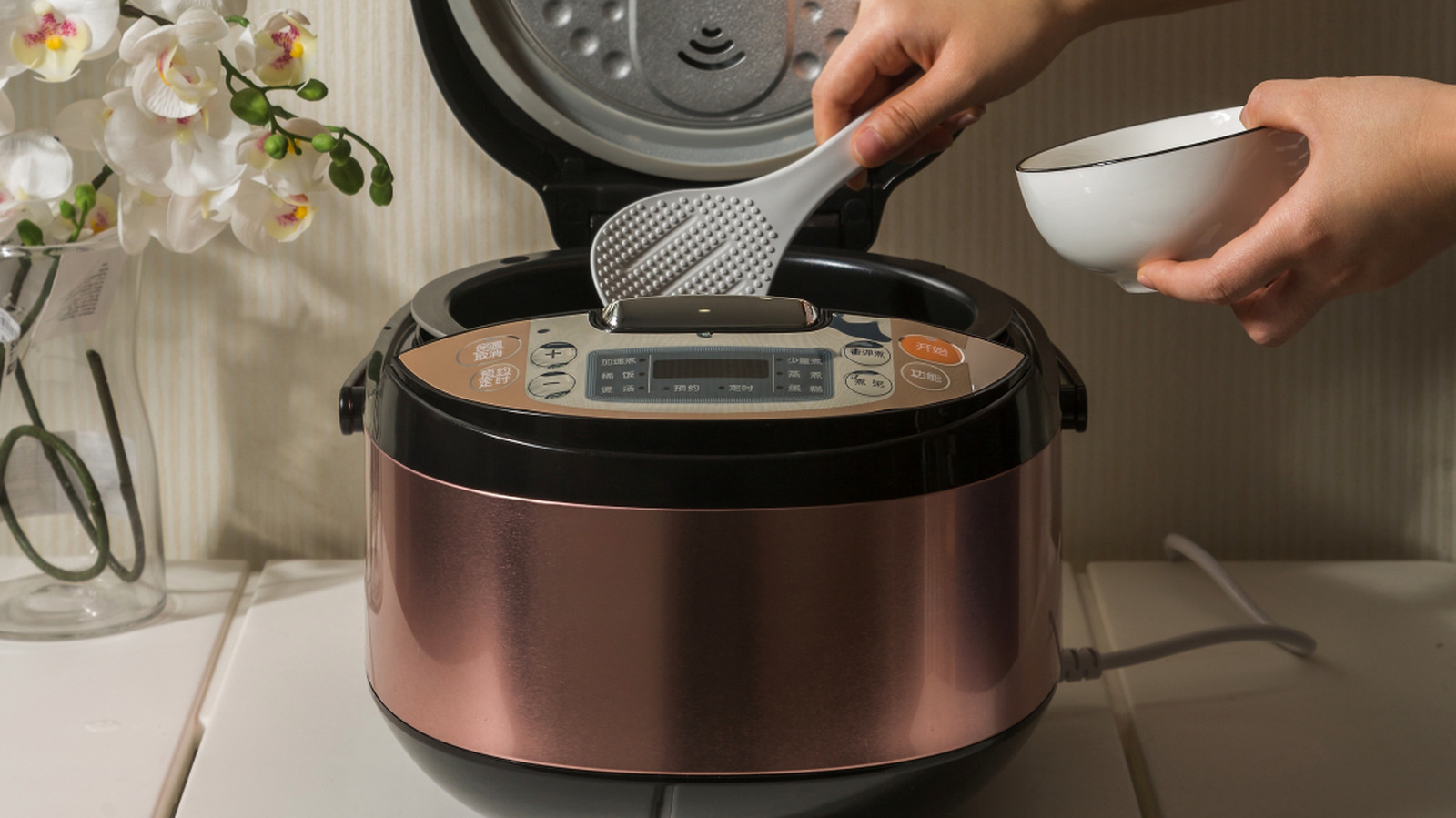
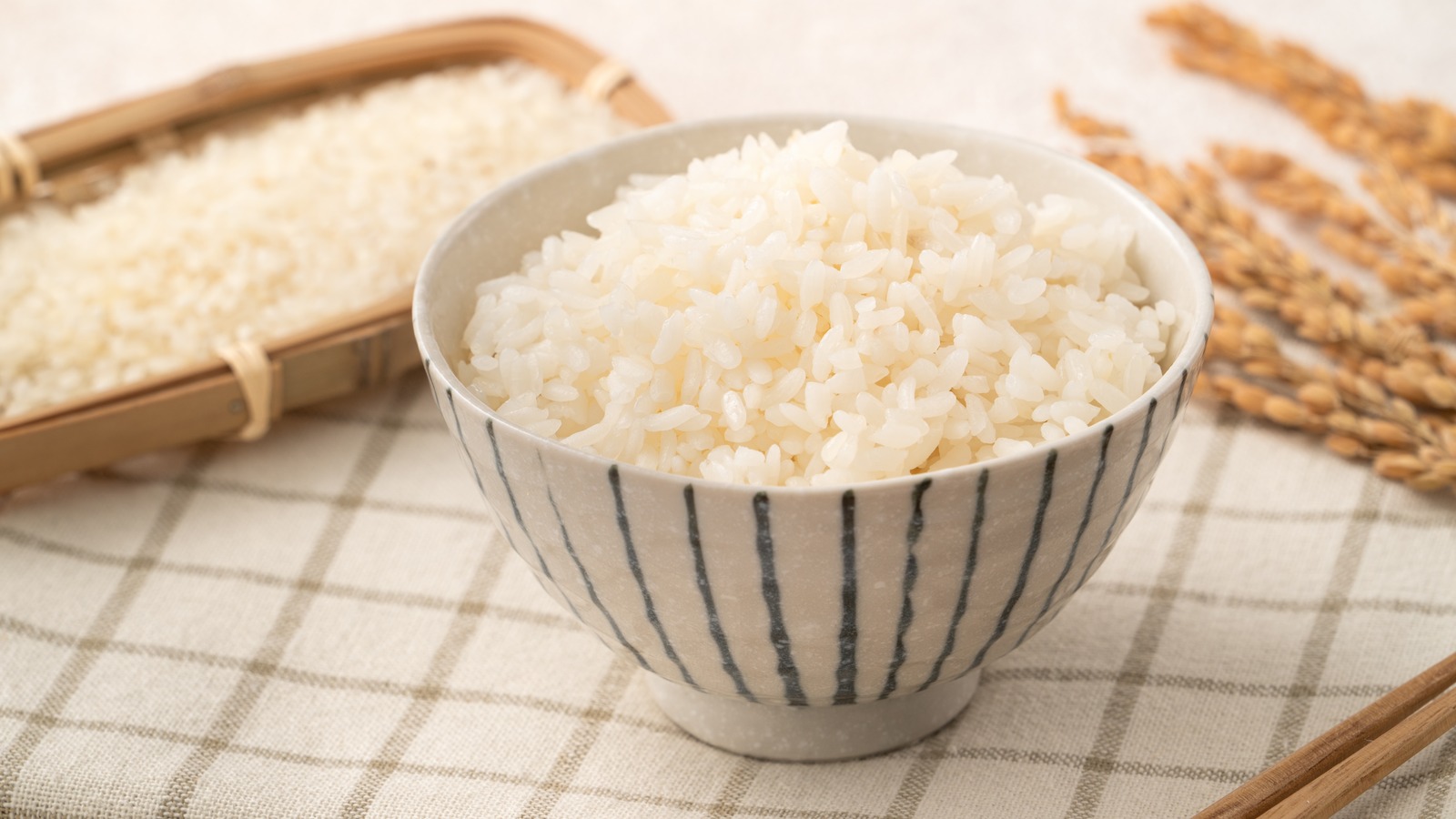
"Even just a few minutes makes a difference," Daud explains. "Resting lets the excess steam escape and gives the starches time to settle, so the rice ends up fluffy instead of wet or clumpy." Daud adds that the go-to time is 10 minutes for a standard amount of rice, but larger batches can require a longer rest. "If I'm making a bigger batch for a dinner party," she says. "I usually give the rice around 30 minutes to rest." However, when making certain "cultural dishes" like maklouba, Daud notes that she will "let it rest up to an hour or even a bit more before serving."
Cooking
Cooking
fromTasting Table
2 months agoNever Struggle To Chop Butternut Squash Again After Using This Little Microwave Trick - Tasting Table
Microwaving a butternut squash for three to four minutes softens the skin and flesh slightly, making peeling and chopping easier and reducing overall cooking time.
[ Load more ]