#preventive-vaccination
#preventive-vaccination
[ follow ]
#public-health #vaccination #measles #vaccine-policy #vaccine-hesitancy #outbreaks #childhood-vaccination
fromenglish.elpais.com
1 day agoFollowing the initial trials in Africa of the groundbreaking drug that could put an end to AIDS
On that sunny March morning, in a small health center in Lobamba, a rural area of Eswatini, this 32-year-old sex worker has just become one of the first people in the world to receive lenacapavir, a drug that, administered twice a year, offers nearly 100% protection against HIV.
Medicine
US politics
fromThe Atlantic
2 weeks agoWho's In Charge of Vaccines Now?
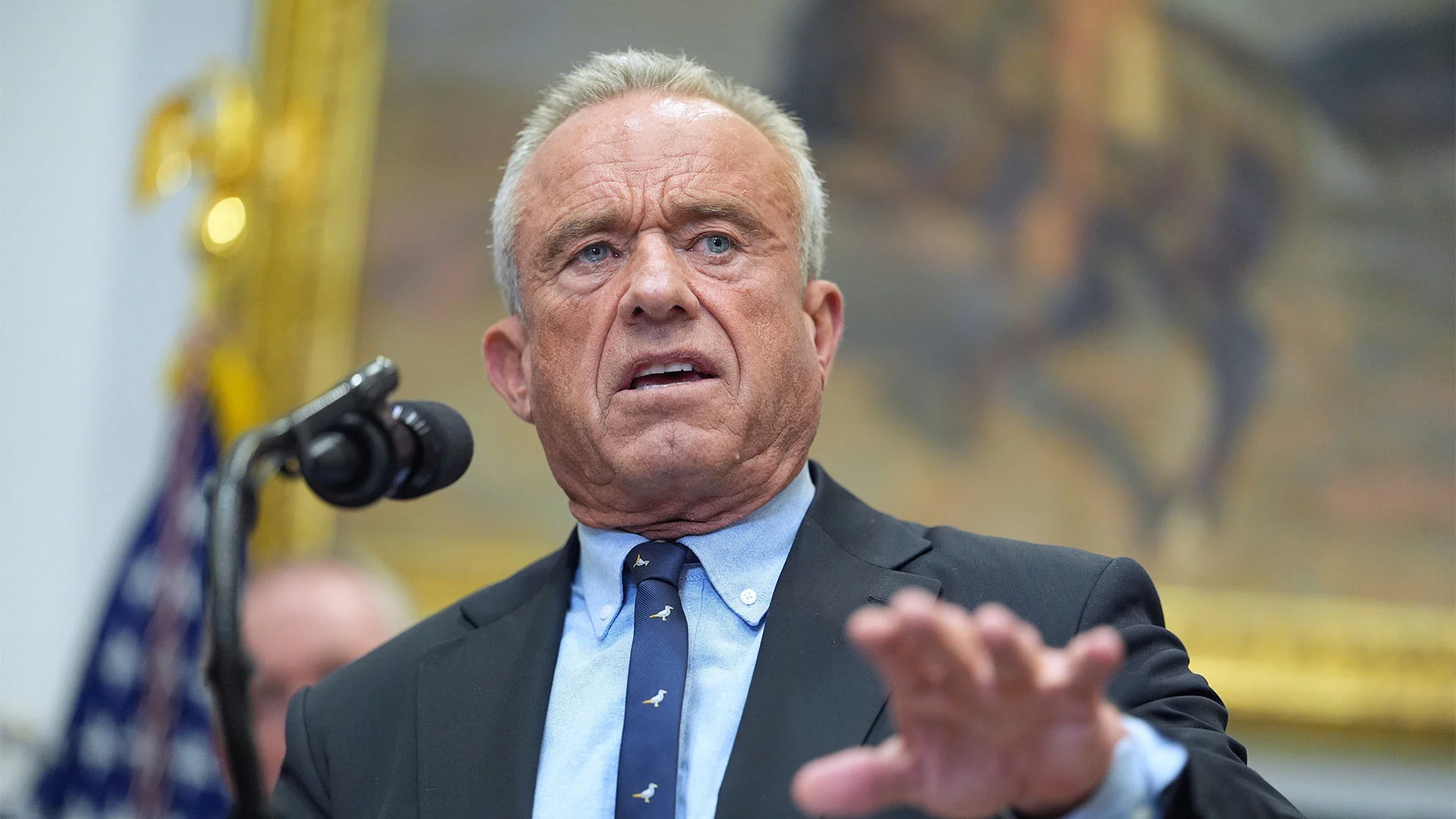
A federal judge ruled the Trump administration likely violated the law by dismissing the CDC's vaccine advisory panel and replacing it with vaccine-skeptical members, then altering childhood immunization schedules without proper input.
#meningitis-outbreak
Public health
fromwww.bbc.com
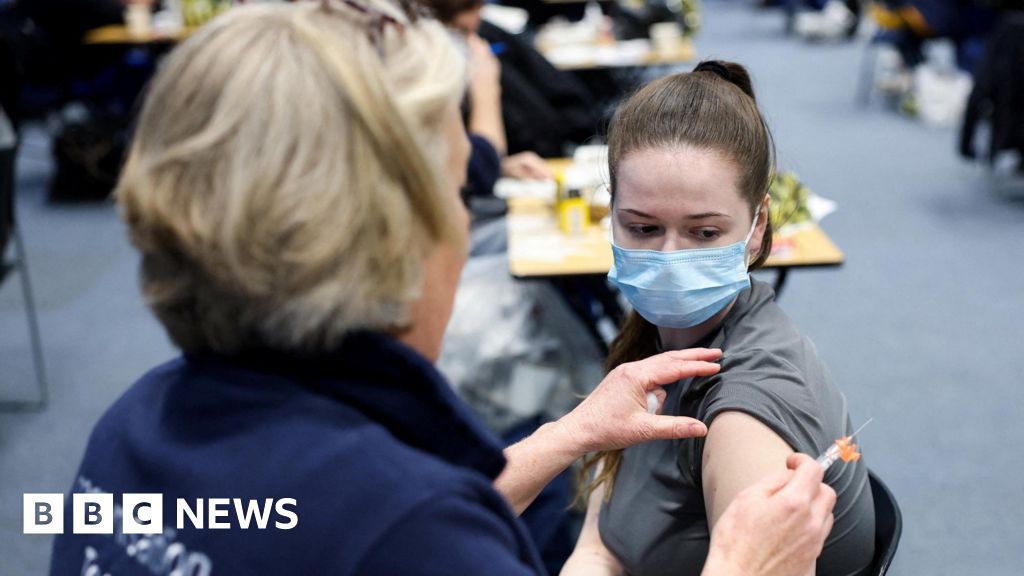
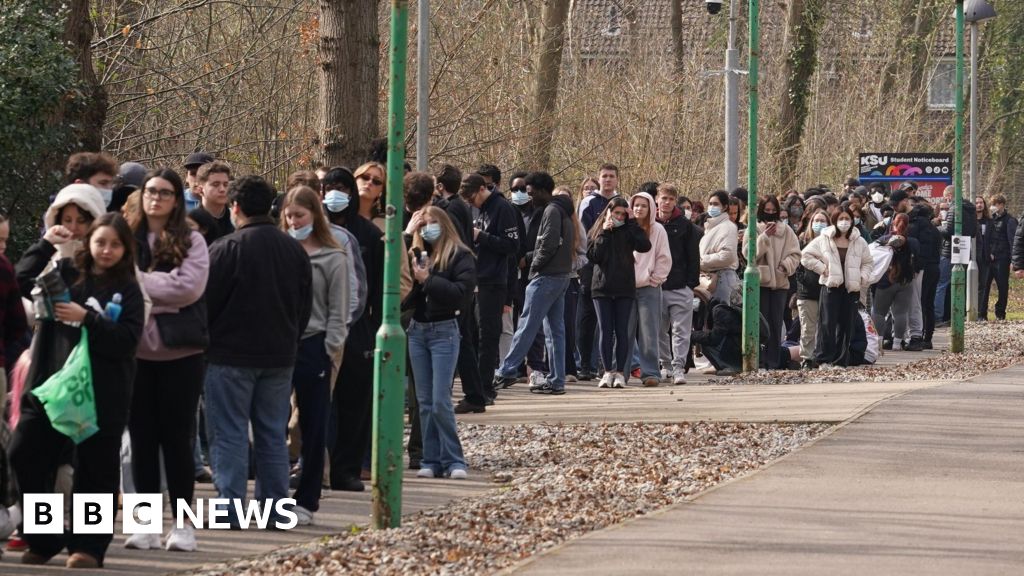
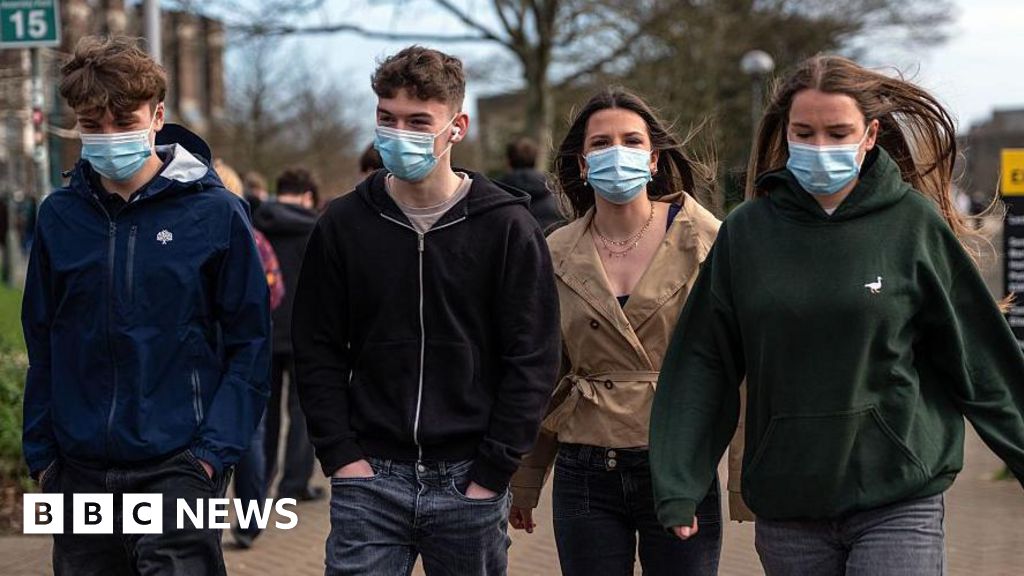
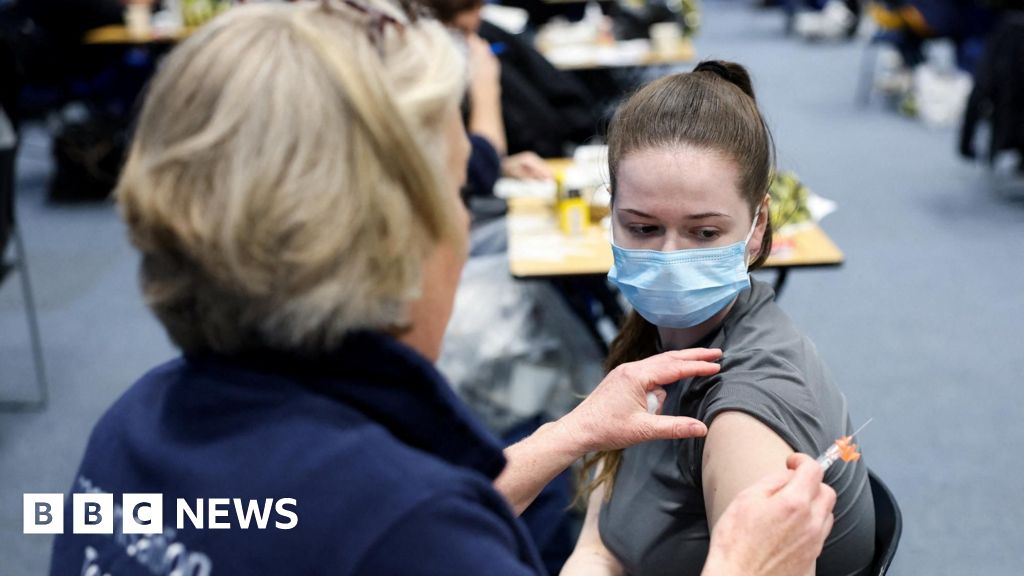
2 weeks agoPeople don't need to buy a meningitis vaccine, Streeting says
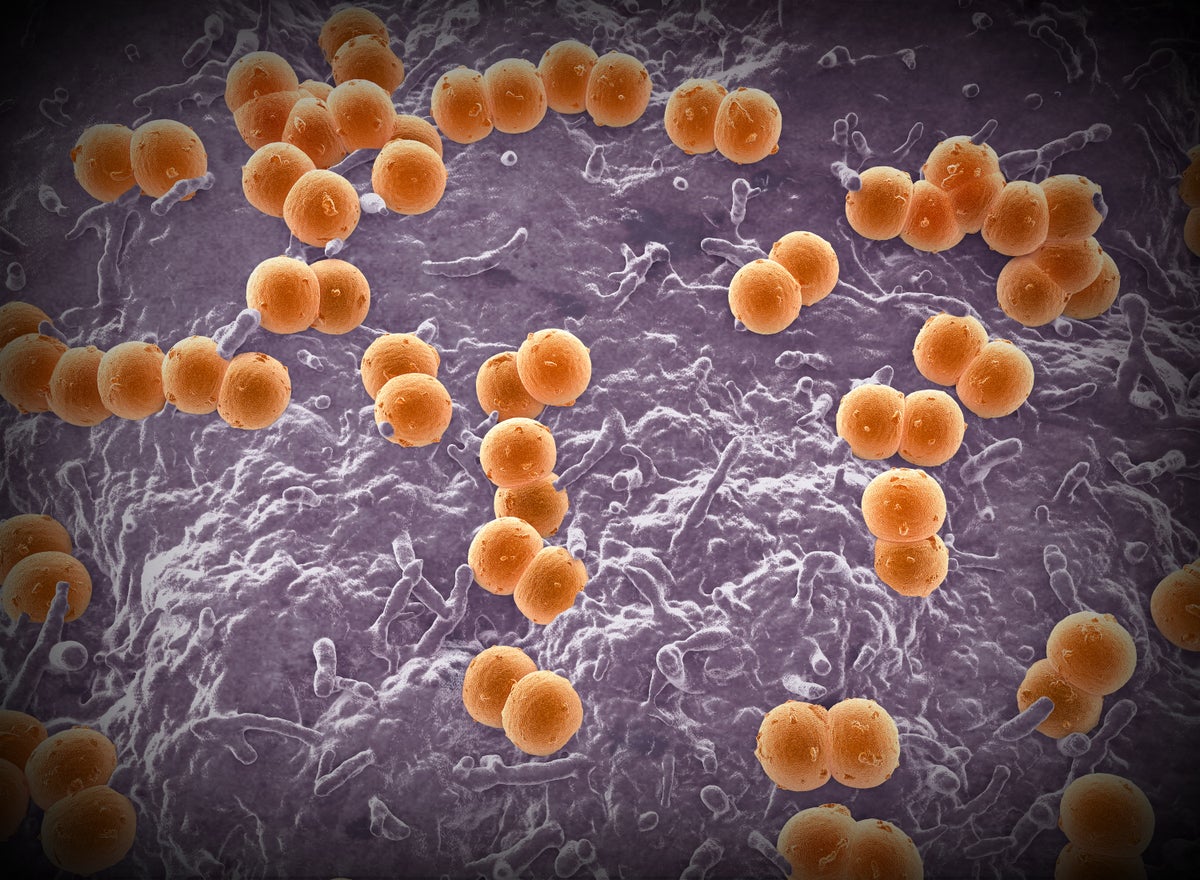
Private meningitis vaccination is unnecessary for the general public despite an unprecedented outbreak in Kent; targeted vaccination and antibiotics are being provided to affected university students.
fromThe Atlantic
2 weeks agoI Remember a World Without Vaccines
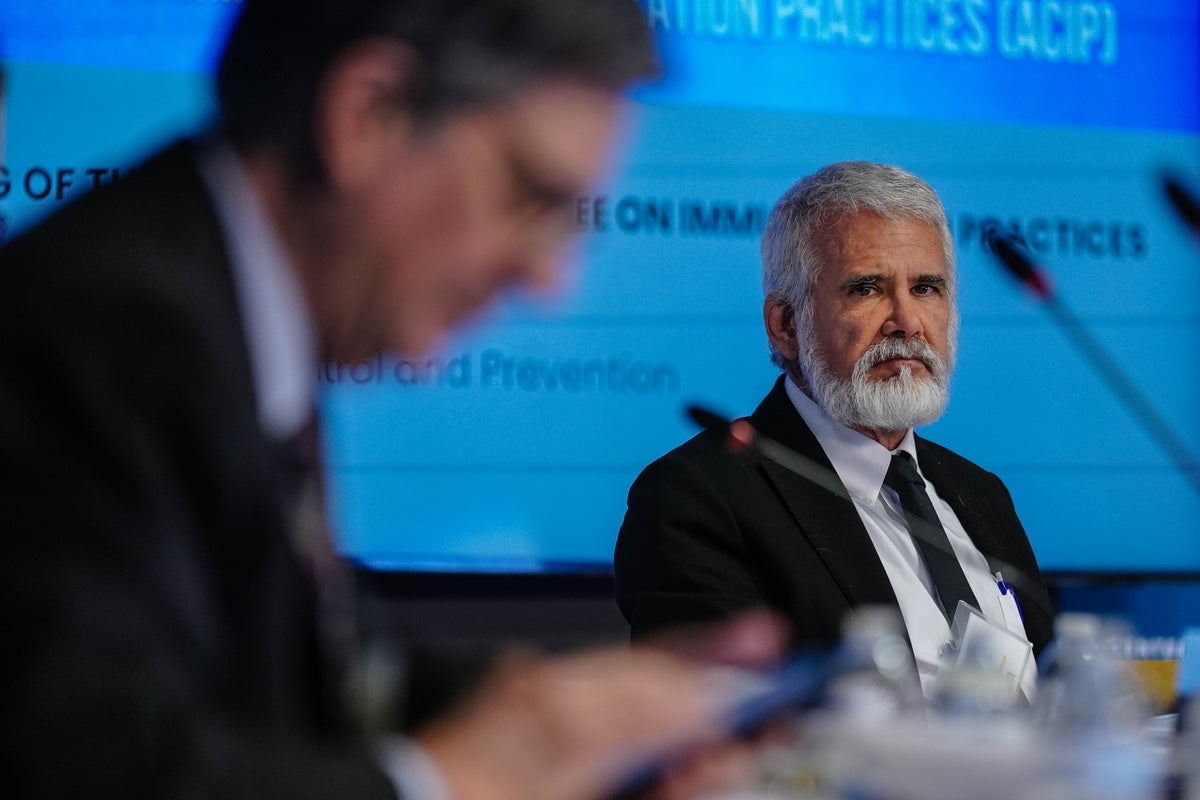
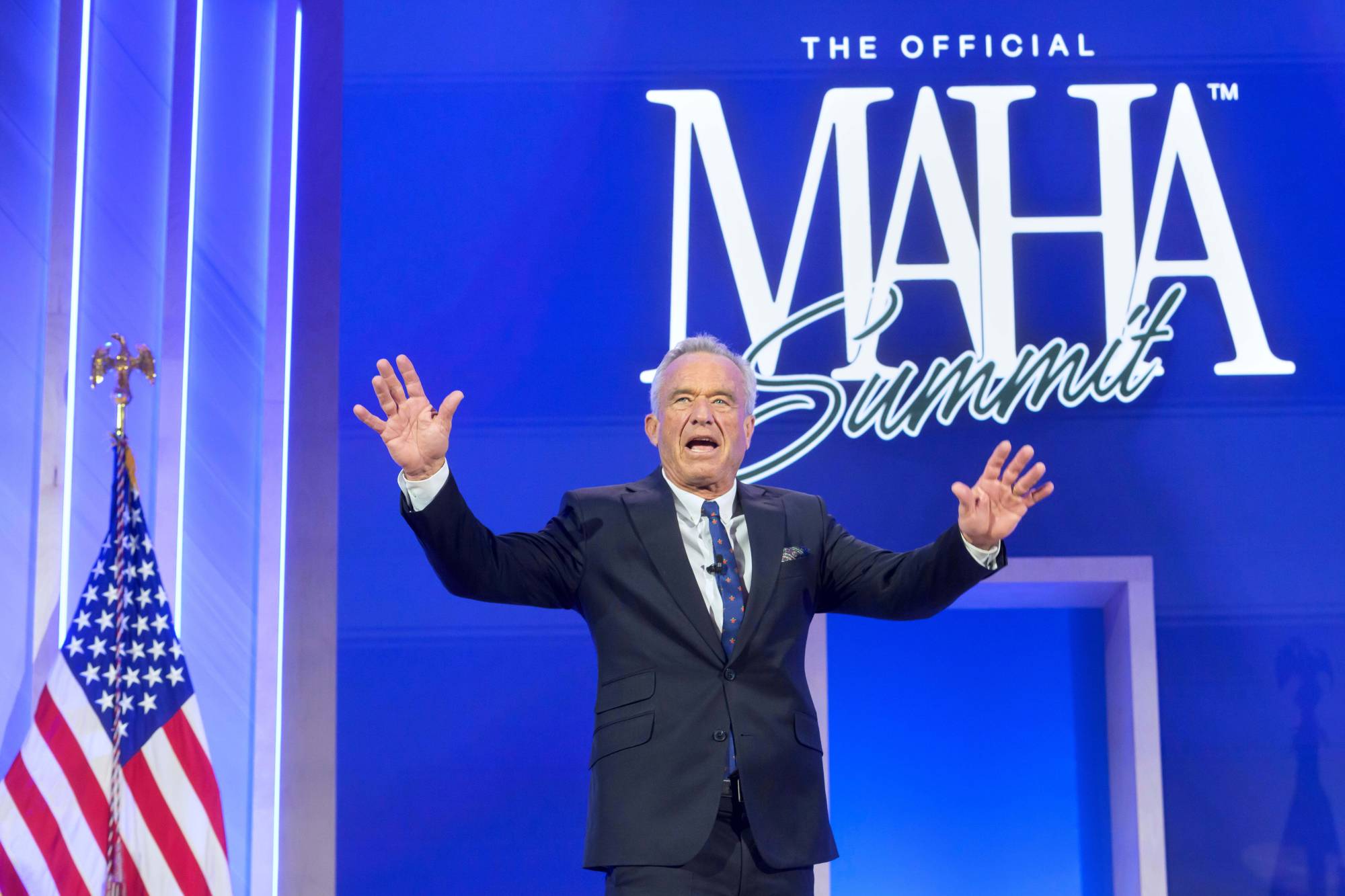
I am open-minded; I believe in integrative practices, and I agree that the medical establishment can be arrogant and unduly influenced by the pharmaceutical industry, which now funds so much of medical research. But I fully understand Scherer's frustration with his interminable discussions with Kennedy about scientific articles.
Coronavirus

#measles-outbreak

Public health
fromwww.npr.org
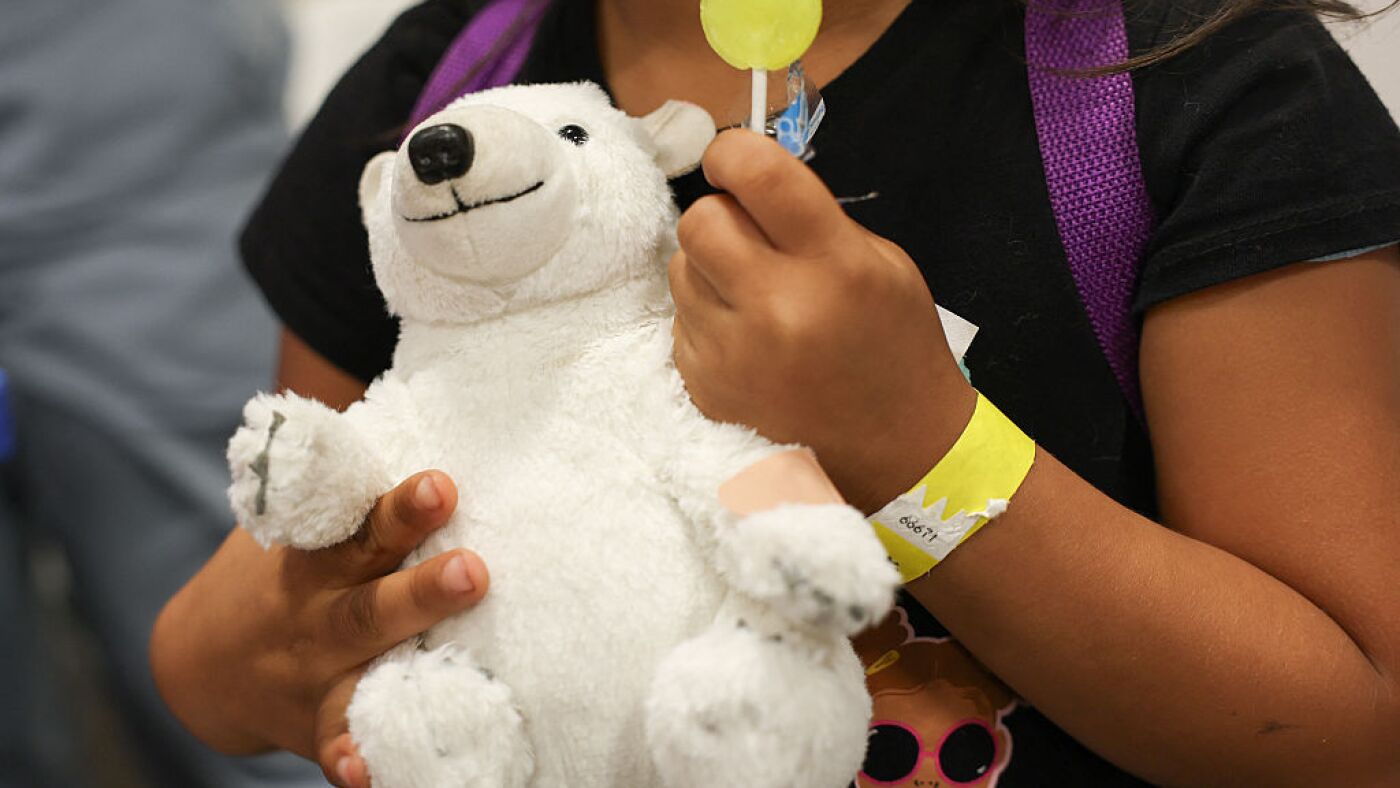
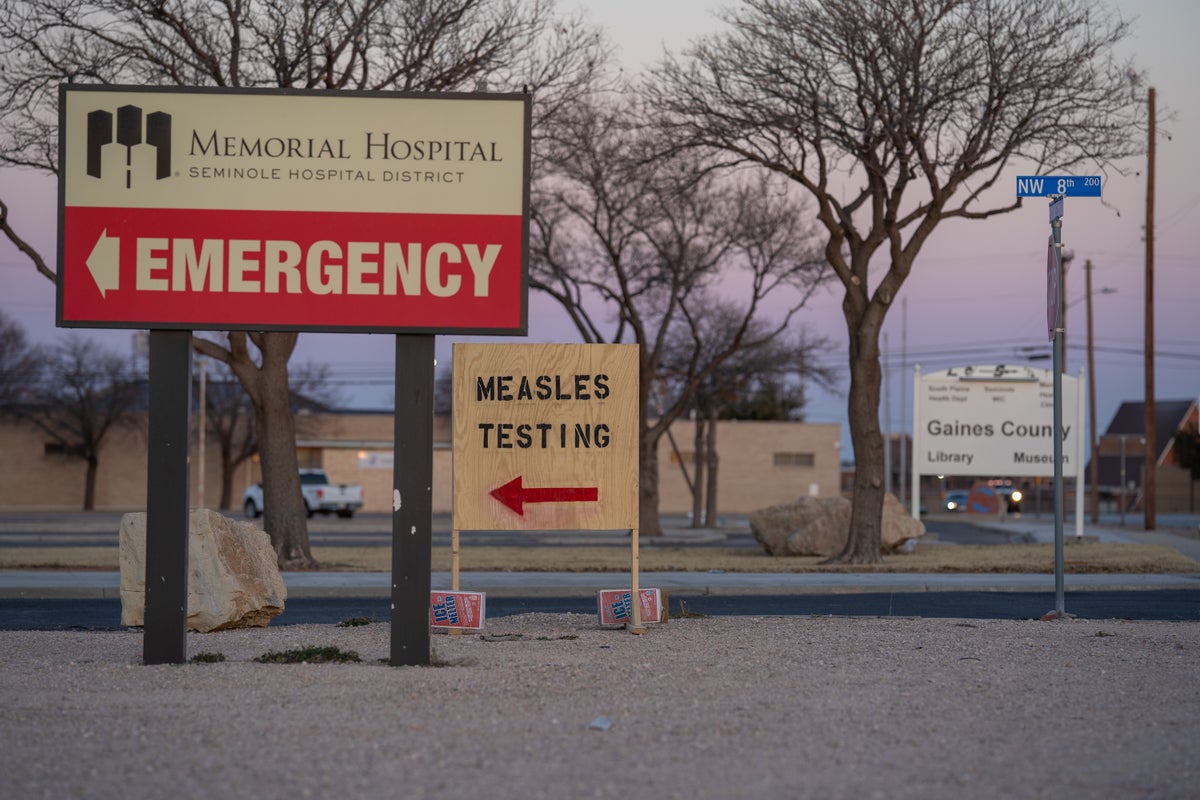
3 weeks agoAs the risk of measles grows, why are parents so divided on vaccines?
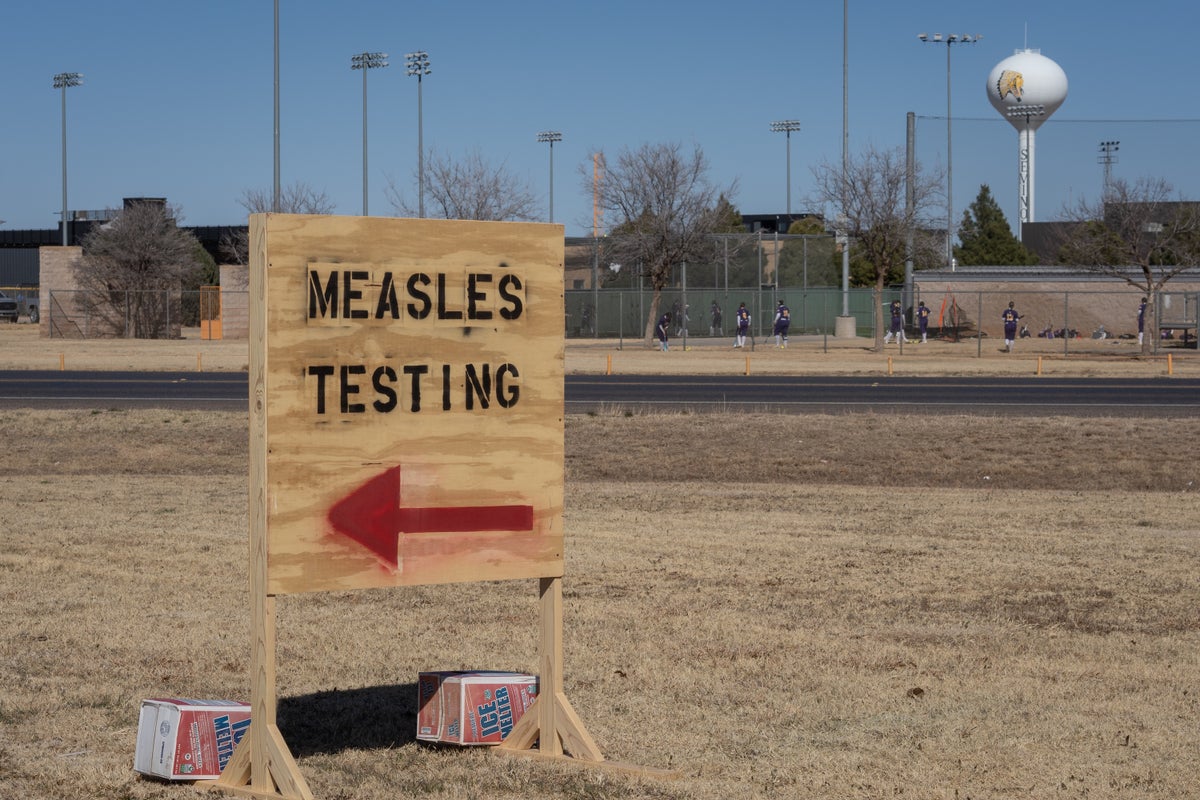
Measles outbreak in Spartanburg County, South Carolina has reached nearly 1,000 cases due to vaccination rates falling below the 95% threshold needed for community protection, threatening the U.S. elimination status achieved in 2000.
Public health
fromwww.theguardian.com
1 month agoTrump administration is failing to address spread of measles, experts say
The Trump administration has inadequately responded to accelerating measles spread exceeding 1,000 cases, with CDC leadership dismissing the outbreak as routine business costs while messaging confusion undermines vaccine confidence.
Coronavirus
fromArs Technica
3 weeks agoWe study pandemics, and the resurgence of measles is a grim sign of what's coming
Measles outbreaks impose substantial economic costs through containment, medical expenses, and productivity losses, while declining vaccination coverage threatens control of multiple infectious diseases.
fromwww.scientificamerican.com
3 weeks agoFirst-of-its-kind vaccine protects children from deadly intestinal infections
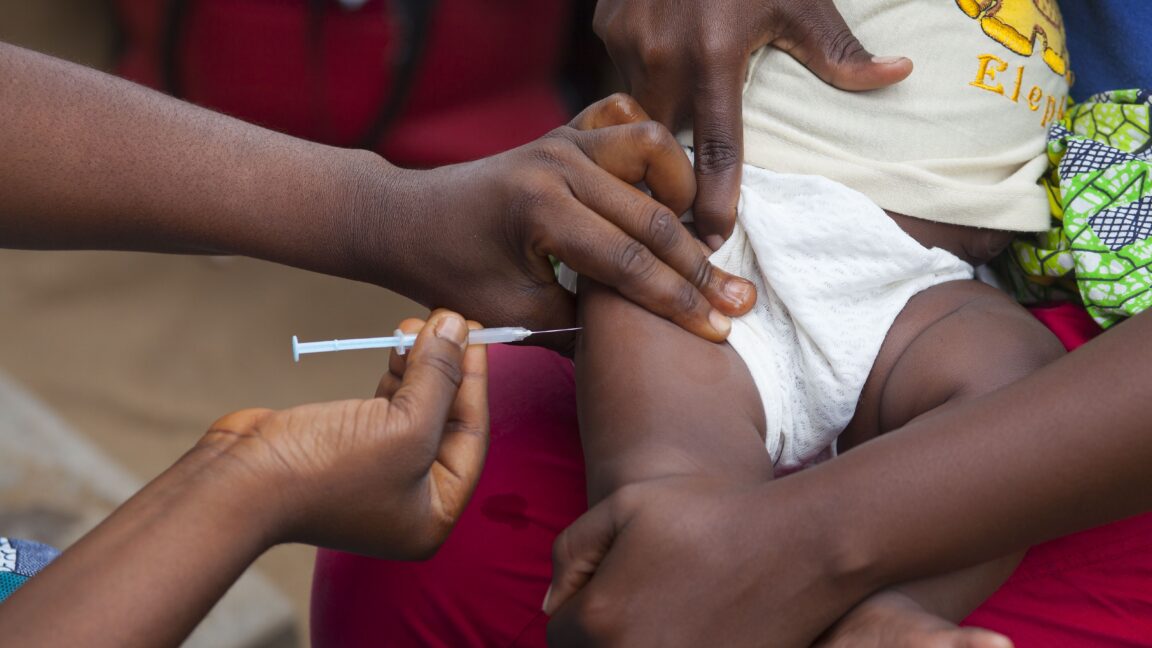
In children below the age of five, whose immune systems are still developing, the infections can lead to malnourishment; they cause up to 42,000 deaths annually. Soon there may be a vaccine to protect against these infections. In the Lancet Infectious Diseases last month, scientists shared the results of the first study to evaluate the safety and efficacy of an ETEC-controlling vaccine in a large pediatric population in Gambia.
Public health

fromwww.theguardian.com
1 month agoViruses don't know borders': US anti-vaccine rhetoric could impact global measles crisis
The World Health Organization announced in late January that six European countries: the United Kingdom, Spain, Austria, Armenia, Azerbaijan and Uzbekistan had all officially lost their measles elimination status, which means the virus has been circulating continuously in those countries for more than 12 months.
Public health
fromwww.npr.org
1 month agoWhy it's a bit surprising that the U.S. is attending a key global flu meeting
Each day, they pore over reams of data about how the virus is evolving worldwide, how well last year's shot performed, and which strains might be easiest to mass produce for a vaccine. The meeting, convened by the World Health Organization twice a year, is a critical moment for the WHO's Global Influenza Surveillance and Response System.
Public health

fromLos Angeles Times
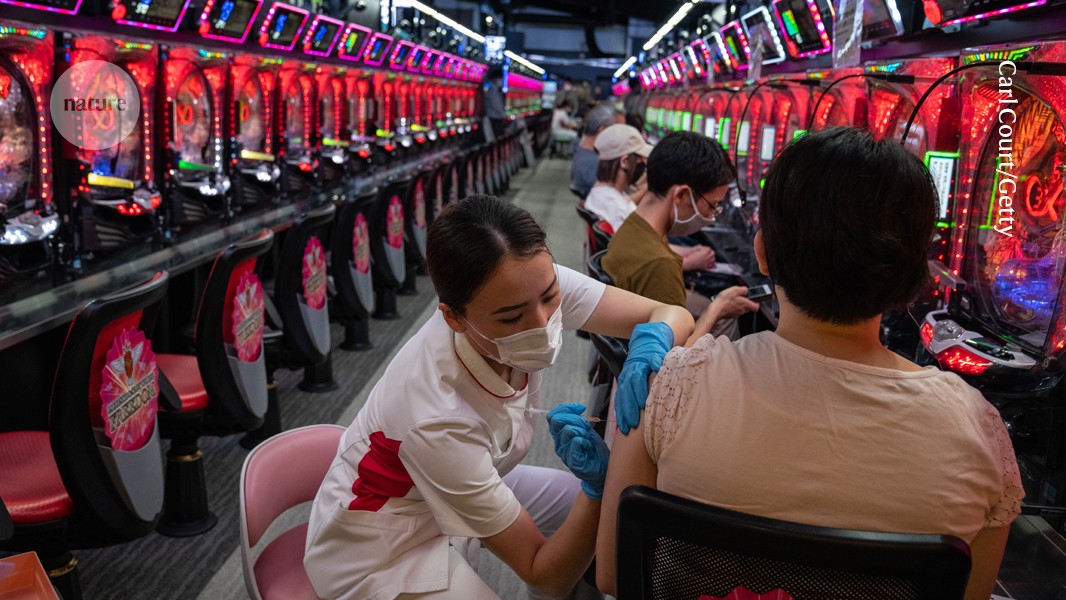
2 months agoHealth department slashes number of diseases U.S. children will be regularly vaccinated against
Under the new guidelines, the U.S. still recommends that all children be vaccinated against measles, mumps, rubella, polio, pertussis, tetanus, diphtheria, Haemophilus influenzae type B (Hib), pneumococcal disease, human papillomavirus (HPV) and varicella, better known as chickenpox. Vaccines for all other diseases will now fall into one of two categories: recommended only for specific high-risk groups, or available through "shared clinical decision-making" - the administration's preferred term for "optional."
Public health

fromwww.aljazeera.com
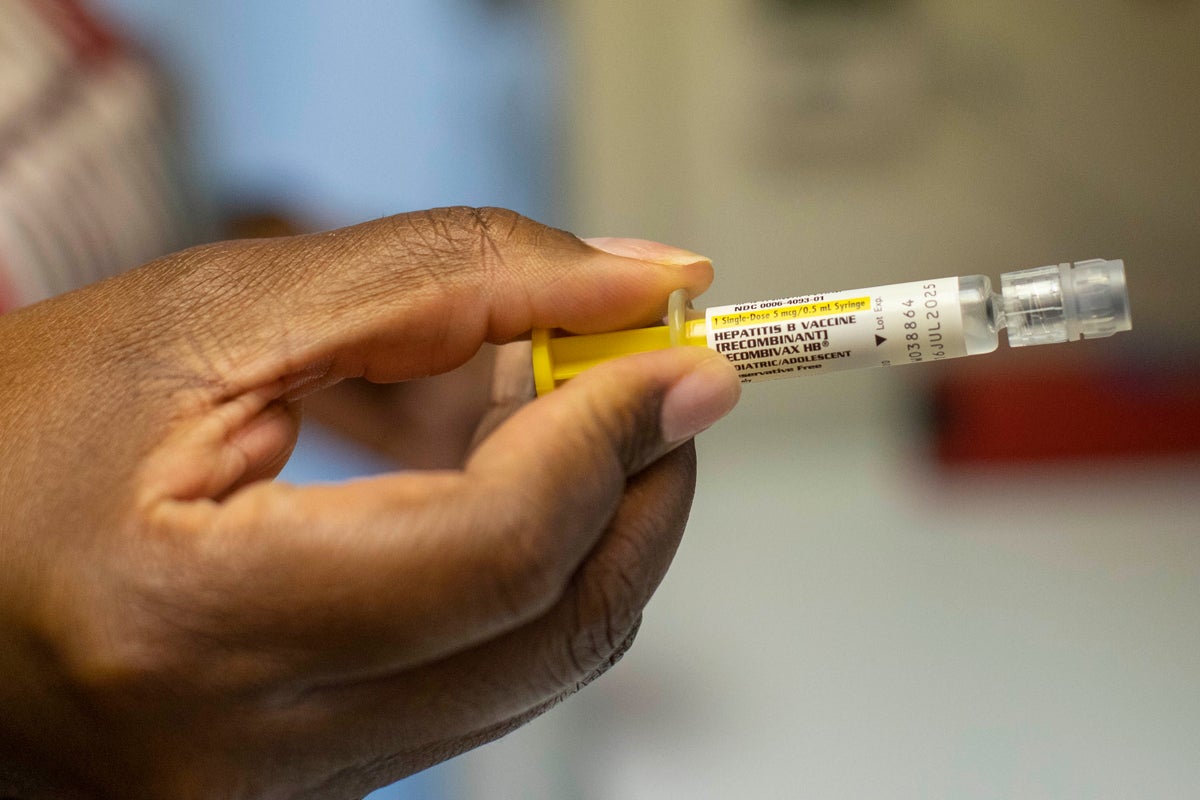
2 months agoGlobal health's defining test
Perhaps the most significant milestone was the adoption by WHO Member States of the Pandemic Agreement, a landmark step towards making the world safer from future pandemics. Alongside this, amendments to the International Health Regulations came into force, including a new pandemic emergency alert level designed to trigger stronger global cooperation. And to sustainably finance the WHO's work, governments in a historic show of support increased their contributions to our core budget.
Public health

fromTruthout
2 months agoCDC Slashes Vaccine Recommendations for Children, Alarming Health Experts
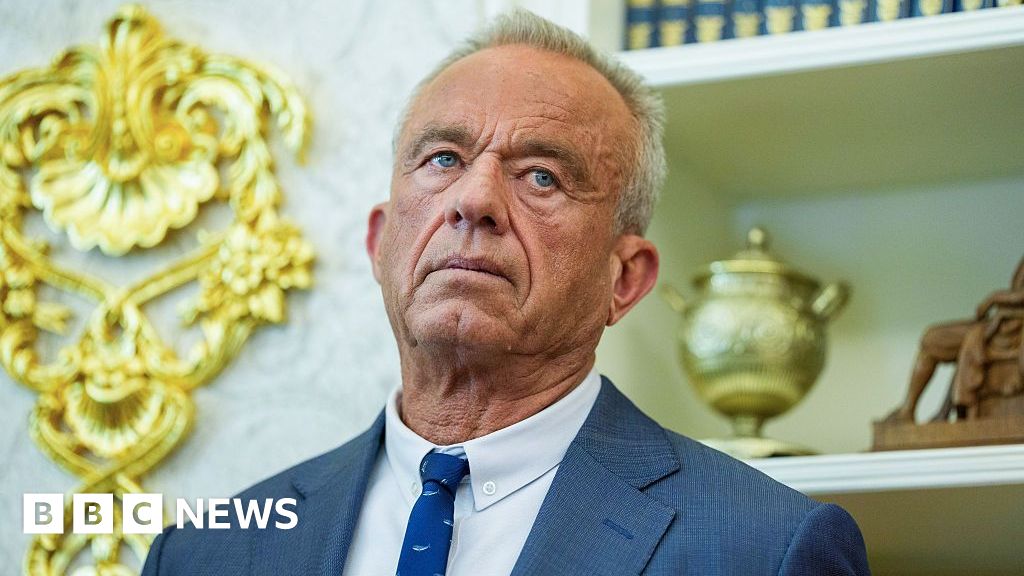
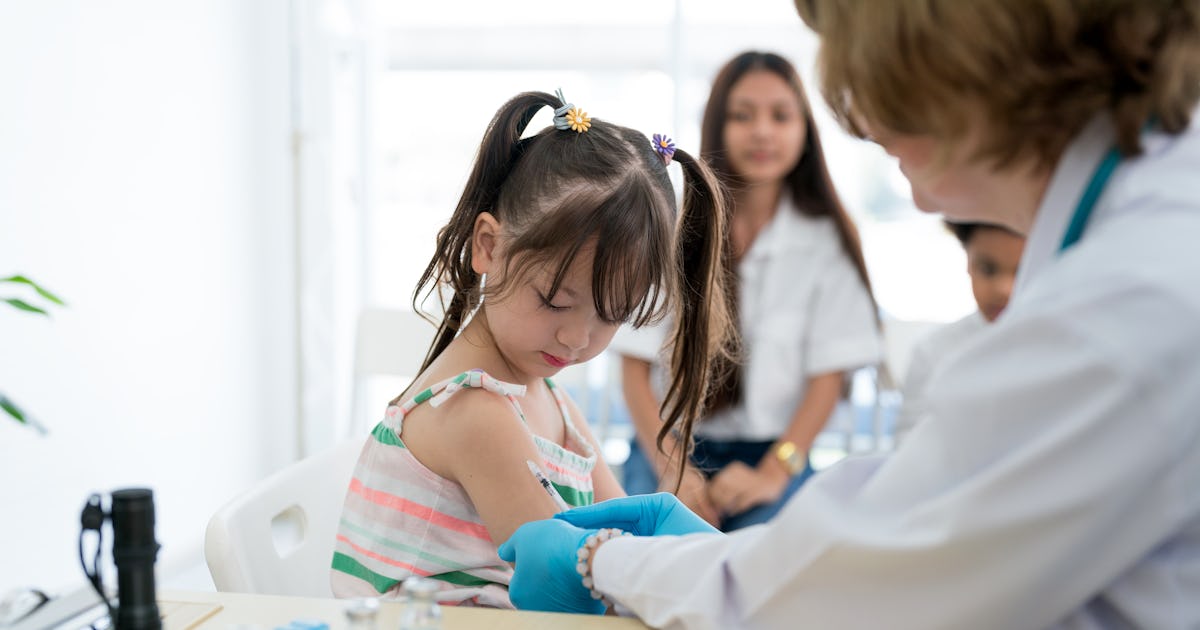
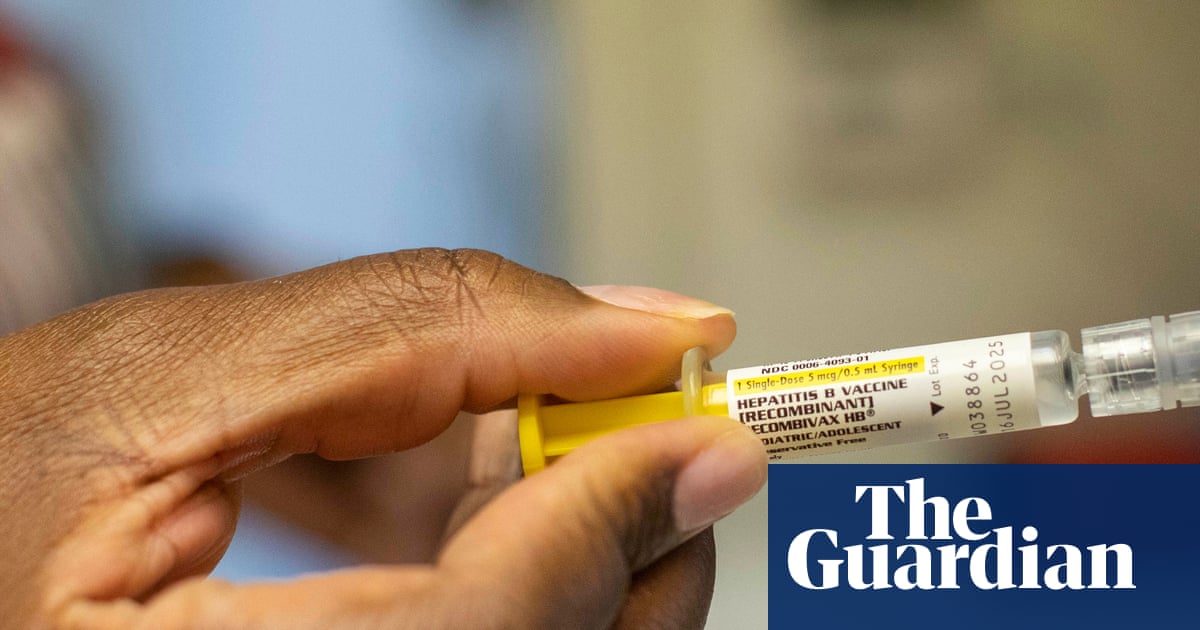
The Centers for Disease Control and Prevention (CDC) announced on Monday that it is reducing the number of vaccinations it is recommending for young children, immediately dropping the number of diseases and ailments covered by the vaccine regimen from 17 to 11. States are technically the authority on what vaccines children should or are required to get when they are born and in the years beyond. But the CDC recommendation is very influential in what vaccines officials end up choosing.
Public health
fromwww.npr.org
2 months agoAbout Us: Global Health and Development
NPR's global health and development team tells stories about life in our changing world, focusing on low- and middle-income countries also referred to as the Global South. And we keep in mind that we're all neighbors in this global village. NPR receives financial support for this team from the Gates Foundation. NPR is solely responsible for all content. Find more about NPR's standards and practices at NPR.org/ethics, as well as a list of our philanthropic supporters in our annual report.
Public health
[ Load more ]