#price-and-calories
#price-and-calories
[ follow ]


Psychology
fromSilicon Canals
5 days ago6 things people who grew up lower middle class instinctively calculate before entering any restaurant, and none of them involve whether they're actually hungry - Silicon Canals
Growing up lower middle class instills lasting mental habits that influence decision-making and risk assessment, even after financial circumstances improve.





Marketing tech
fromAdExchanger
2 weeks agoMyFitnessPal Wants To Start The Health And Wellness Subsector Of Retail Media | AdExchanger
MyFitnessPal launches a data-driven advertising business leveraging user meal planning and nutrition data, expanding from single mobile display ads to multiple formats including video, native ads, and branded integrations through direct sales channels.
Exercise
fromSlate Magazine
2 weeks agoAll Kinds of Drinks Have a Strange New Number on Their Label. Here's What It Means-and Why You Should Take It Seriously.
Protein-enhanced beverages are rapidly expanding across all drink categories, from coffee and smoothies to alcoholic beverages, targeting health-conscious consumers seeking convenient nutrition.
fromBoston.com
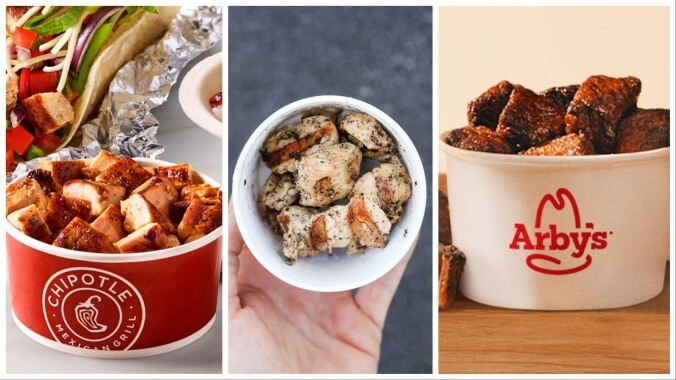
3 weeks agoThe allure of 'slop bowls' fades as consumers tighten spending
Not that long ago, restaurant chains like Cava, Chipotle and Sweetgreen had lines streaming out of their doors at lunchtime. But last year, traffic and sales at many of them softened considerably, and their stock prices plunged. Still, don't look for this restaurant segment to slash menu prices any time soon. It's simply not part of its DNA, some restaurant analysts say.
US news

fromBoston Herald
3 weeks agoIf you're struggling to lose weight, could chilling your carbs help?
Most of the carbohydrates in these foods - as well as most of the calories - come from starch, of which there are two types: hard-to-digest amylose and easily digested amylopectin. The latter is processed quickly and spikes blood sugar. The former is processed slowly and moderates blood sugar.
Health
fromNatural Health News
3 months agoCalifornia Moves to Eliminate Ultraprocessed Foods from School Lunches - by 2035
California's "Real Food, Healthy Kids Act" represents the first law in the U.S. to define and ban ultraprocessed foods (UPFs) from public school lunches. As reported by CNN, the bill requires scientists and public health experts to determine which ingredients and additives are most damaging to children's health. These "foods of concern" will then be systematically phased out of school meal programs that serve over 1 billion lunches annually.
Alternative medicine
Dining
fromTasting Table
1 month agoHow Buffets Visually Trick You Into Filling Up On Cheap Food Items - Tasting Table
Buffets use psychological tactics like smaller plates, strategically sized utensils, and selective food placement to control costs by encouraging customers to fill up on cheaper items rather than expensive ones.
fromTasting Table
1 month agoThe Fast Food Chain To Hit For Fiber-Rich Options - Tasting Table
Featuring a menu brimming with black bean and avocado-forward foods, Taco Bell has always been a frontrunner among the best fast food chains for vegetarians, but its animal protein-based dishes are particularly rich in fiber, too. For example, at minimum, menu items like the chicken soft taco have at least one gram of fiber. The dish with the highest amount of fiber, the beef nachos bell grande, has about 13 grams.
Food & drink
fromFood & Beverage Magazine
1 month agoSlash Your Food Costs: Essential Tricks for Foodservice Success - Food & Beverage Magazine
Building strong relationships with your suppliers can lead to better pricing and exclusive deals. Negotiate contracts and explore bulk purchasing options to reduce costs. Utilizing seasonal ingredients not only enhances the freshness of your dishes but also reduces costs. Seasonal produce is often cheaper and more readily available.
Food & drink
Food & drink
fromFast Company
1 month agoWhy are Europeans eating more plant-based meat than Americans? It's not why you think
Major European and UK supermarkets are deliberately shifting shoppers toward plant-based proteins, driving strong private-label sales and reducing food-related carbon footprints.
fromwww.independent.co.uk
2 months agoWhy some people find it harder to lose weight, according to science
Whether it's investigating the financials of Elon Musk's pro-Trump PAC or producing our latest documentary, 'The A Word', which shines a light on the American women fighting for reproductive rights, we know how important it is to parse out the facts from the messaging. At such a critical moment in US history, we need reporters on the ground. Your donation allows us to keep sending journalists to speak to both sides of the story.
US politics


fromwww.bbc.com
1 month agoChildren 'bombarded' with weight loss drug ads online, says commissioner
Laura CressTechnology reporter Fiordaliso via Getty Images Children are routinely exposed to adverts for weight loss injections and pills online, according to a report by the children's commissioner for England. It found young people were "routinely bombarded" with ads for products which claimed to change their bodies and appearance, despite this kind of advertising being banned. Dame Rachel de Souza said the posts were "immensely damaging" to young people's self-esteem and called for a ban on social media advertising to children.
UK news




fromBusiness Insider
2 months agoA doctor says 'genetics aren't destiny' when it comes to fat loss and shares 3 simple ways to boost metabolism
"I can't tell you how many times I've had patients who have had so much trouble losing weight complain to me that their friends can eat whatever they want and never put weight on," Perlman, an integrative and functional medicine doctor and former chief medical officer for Mayo Clinic's integrative medicine program, told Business Insider. It's also one of the biggest misconceptions he hears about metabolic health.
Medicine
Health
fromSilicon Canals
1 month agoDietitians explain why eating the same breakfast daily might be sabotaging your metabolism - Silicon Canals
Eating the same breakfast daily can reduce metabolic efficiency, cause nutrient gaps, increase early hunger and weight plateaus; adding variety supports metabolism and sustained energy.
fromwww.denverpost.com
1 month agoIs takeout dying? The middle ground between the cost of eating out and cooking is disappearing
My house used to have Thai Tuesday. We'd order takeout from our favorite local spot, happily trading time at the stove and a sink full of dishes for curries and noodles that arrived hot and delicious. At a little more than $10 a plate, it felt like a splurge but a manageable one. An easy-to-rationalize indulgence on a random weeknight when everyone was tired and hungry, and no one wanted to talk about quinoa.
Food & drink


Food & drink
fromTasting Table
1 month agoOatmeal Is A Budget-Friendly Food, But Frugal Shoppers Avoid This Type At All Costs - Tasting Table
Individually-packaged microwaveable oatmeal cups cost significantly more per ounce than bulk or paper-envelope oatmeal, making them a poor value for budget-conscious shoppers.
Public health
fromLondon Business News | Londonlovesbusiness.com
2 months agoGovernment ban on food advertising is misguided, says consumer group - London Business News | Londonlovesbusiness.com
UK ban on pre-9pm TV and online junk-food advertising restricts consumer choice and free expression, harms small businesses, and sets a dangerous regulatory precedent.
fromBusiness Matters
2 months agoWeight loss jabs are changing how Britain eats - and Greggs is feeling the impact
Britain's love affair with sausage rolls and steak bakes is being quietly reshaped by the rise of weight loss injections, according to the boss of Greggs. Roisin Currie, chief executive of the FTSE-listed bakery chain, said there was "no doubt" that appetite-suppressing drugs such as GLP-1 treatments were influencing how much, and what, customers want to eat, contributing to softer sales and a more cautious outlook for the year ahead.
Food & drink
fromTasting Table
2 months agoWhat Happens To Leftovers At 10 Chain Restaurants - Tasting Table
Food waste in America is a significant and persistent problem that often goes unnoticed. According to a 2010 USDA study, 30-40% of our country's entire food supply winds up in landfills each year - almost 70 million tons. That's about $161 billion worth of food, meaning the average family's food waste totals around $3,000 a year. And while an enormous portion of our food supply is simply thrown away, roughly 48 million Americans - including one in five children - experience food insecurity.
Food & drink
[ Load more ]