#privacy-rights
#privacy-rights
[ follow ]
#surveillance #data-protection #law-enforcement #fourth-amendment #age-verification #government-surveillance
#fbi-surveillance
Privacy professionals
fromwww.theguardian.com
2 weeks agoWhy is the FBI buying people's location data and how is it using the information?
The FBI resumes purchasing commercially available location data on Americans, circumventing warrant requirements and Fourth Amendment protections against warrantless surveillance.
Privacy professionals
fromArs Technica
2 weeks agoFBI started buying Americans' location data again, Kash Patel confirms
The FBI has restarted purchasing Americans' location data without warrants, with Director Kash Patel defending the practice as valuable for national security despite previous claims of stopping it.
#fourth-amendment



Privacy professionals
fromElectronic Frontier Foundation
1 month agoEFF to Third Circuit: Electronic Device Searches at the Border Require a Warrant
EFF and ACLU filed an amicus brief arguing that border searches of electronic devices require warrants under the Fourth Amendment, citing increasing warrantless searches at borders.



EU data protection
fromPrivacy International
3 weeks agoJoint Statement on New Finnish Social Welfare Laws' Human Rights Implications
Finland's social welfare legal reforms threaten human rights, particularly privacy rights, through increased surveillance powers and financial data access without consent.
Privacy professionals
fromWIRED
3 weeks agoUS Lawmakers Move to Kill the FBI's Warrantless Wiretap Access
Bipartisan Congress members introduced legislation requiring FBI warrants for backdoor searches of Americans' communications, aligning with a 2025 federal court ruling against warrantless surveillance practices.
fromTechCrunch
3 weeks agoA writer is suing Grammarly for turning her and other authors into 'AI editors' without consent | TechCrunch
I have worked for decades honing my skills as a writer and editor, and I am distressed to discover that a tech company is selling an imposter version of my hard-earned expertise. This statement from Julia Angwin encapsulates the core concern: unauthorized commercial use of professional reputation and expertise developed over years of dedicated work.
Privacy professionals
fromwww.theguardian.com
3 weeks agoInvasive' AI-led mass surveillance in Africa violating freedoms, warn experts
This large-scale and invasive AI-enabled surveillance of public spaces is not legal, necessary or proportionate to the legitimate aim of providing security. History shows us that this is the latest tool used by governments to invade the privacy of citizens and stifle freedom of movement and expression.
Privacy professionals
#government-surveillance



Privacy professionals
fromElectronic Frontier Foundation
1 month agoThe Anthropic-DOD Conflict: Privacy Protections Shouldn't Depend On the Decisions of a Few Powerful People
Privacy protection depends on corporate contract negotiations rather than legal frameworks, requiring Congress and courts to establish enforceable restrictions on government surveillance and data use.
LGBT
fromPinkNews | Latest lesbian, gay, bi and trans news | LGBTQ+ news
3 weeks agoChappell Roan films paparazzi 'harassing' her at Paris Fashion Week
Chappell Roan confronted paparazzi outside a Paris restaurant by recording them after repeatedly asking them to respect her boundaries and stop following and harassing her.
fromConsequence
1 month agoJustin Timberlake Sues to Block Release of Body Cam Footage of DWI Arrest
The footage at issue depicts petitioner in an acutely vulnerable state during a roadside encounter with law enforcement, capturing intimate details of petitioner's physical appearance, demeanor, speech, and conduct during field sobriety testing, the subsequent arrest, and petitioner's confinement following arrest over the next several hours.
Law
US news
fromABC7 Los Angeles
1 month agoJustin Timberlake sues to block release of police video from 2024 drunken driving arrest in New York
Justin Timberlake is suing to block release of police body camera footage from his 2024 drunken driving arrest in the Hamptons, claiming it would damage his privacy and reputation.
#data-control

Privacy professionals
fromAol
1 month agoWhy is WhatsApp's privacy policy facing a legal challenge in India?
India's Supreme Court is scrutinizing WhatsApp's 2021 privacy policy, requiring the platform to give users greater control over data sharing with Meta and allow continued app use without sharing data for advertising.
Privacy professionals
fromwww.bbc.com
1 month agoWhy is WhatsApp's privacy policy facing a legal challenge in India?
India's Supreme Court is scrutinizing WhatsApp's 2021 privacy policy, requiring the platform to give users greater control over data sharing with Meta and allow continued app use without sharing data for advertising.
#license-plate-readers
California
fromLos Angeles Times
1 month agoHe saw an abandoned trailer. Then, he uncovered a surveillance network on California's border
California permitted federal agencies to install hidden license plate readers on border roads, creating a surveillance network that tracks all drivers despite privacy concerns and potential conflicts with state law.

Brooklyn
fromwww.amny.com
1 month agoPrivacy advocates urge Mamdani to use his mayoral powers and scale back the NYPD's surveillance programs | amNewYork
Privacy advocates urge Mayor Mamdani to use mayoral powers to dismantle NYPD surveillance infrastructure, including blocking ICE access, abolishing discriminatory databases, grounding drones, and banning facial recognition.
EU data protection
fromComputerWeekly.com
1 month agoEurope's data protection supervisors warn over plans to 'narrow' privacy rights | Computer Weekly
Narrowing the definition of personal data in EU reforms risks eroding privacy rights, creating legal uncertainty, and weakening protections against automated decision-making.

Digital life
fromElectronic Frontier Foundation
3 months agoEFF and 12 Organizations Urge UK Politicians to Drop Digital ID Scheme Ahead of Parliamentary Petition Debate
UK digital ID plan threatens privacy rights, enables mission creep, security risks, discrimination, exclusion, and shifts power from individuals to the state.
fromwww.scientificamerican.com
4 months agoYour Face and Voice Should Belong to You, Not AI
Generative artificial intelligence can now counterfeit reality at an industrial scale. Deepfakesphotographs, videos and audio tracks that use AI to create convincing but entirely fabricated representations of people or eventsaren't just an Internet content problem; they are a social-order problem. The power of AI to create words and images that seem real but aren't threatens society, critical thinking and civilizational stability.
Science
Privacy professionals
fromElectronic Frontier Foundation
6 months agoHow Meta Is Censoring Abortion | EFFector 37.13
ALPR-enabled police drones, First Amendment challenges to a TikTok ban, privacy protections for abandoned phones, and findings on abortion-related social media censorship are central digital rights concerns.
fromwww.berkeleyside.org
6 months agoBerkeley will look into buying drones for police and firefighters
Berkeley could soon start planning how to equip the Berkeley Police Department and other first responders with drones to track fleeing suspects, provide reconnaissance during standoffs and gain a bird's-eye view of disasters like earthquakes and fires, among other uses. A proposal from Councilmember Terry Taplin would task the City Manager's Office with developing an acquisition report and use policy for drones.
Privacy professionals
fromwww.dw.com
7 months agoSexual harrassment: German jogger fights back against voyeur DW 08/29/2025
Looking behind, she noticed a cyclist following her and filming her backside with his smartphone. Gentsch confronted the man and forced him to delete the footage. She in turn took out her smartphone and filmed the perpetrator. Her own footage shows that this voyeur appears overwhelmed by her determination to hold him accountable. He stammers excuses and claims that "nothing happened," while ultimately blaming her. "Why are you wearing pants like that?"
Germany news
Privacy professionals
fromPrivacy International
7 months agoPI rings the alarm bell and alerts ICO about the use of algorithms by the Home Office and their impact on migrants
Home Office's use of automated tools in immigration enforcement raises concerns about privacy and compliance with data protection laws.


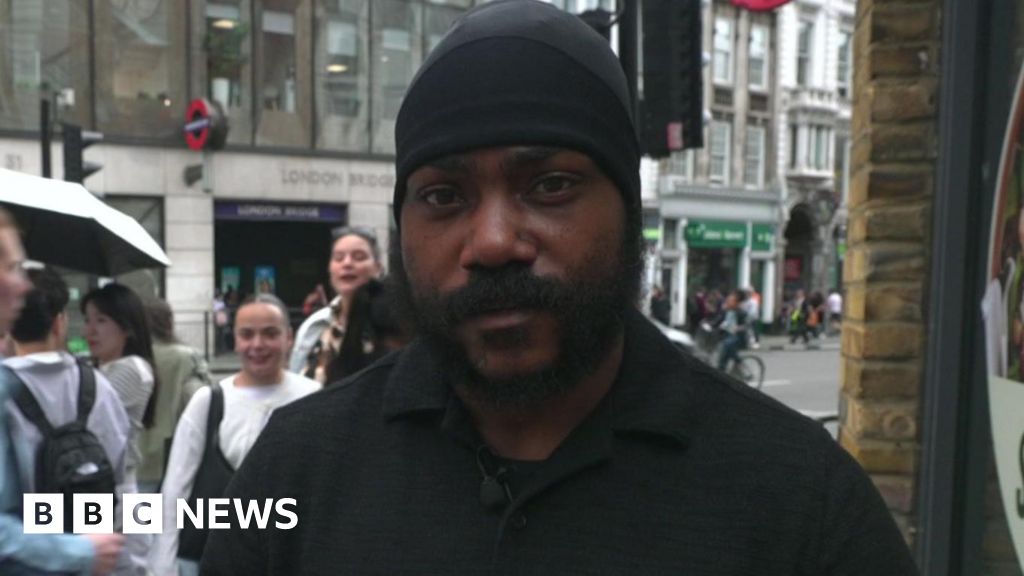
fromElectronic Frontier Foundation
7 months agoNo Walled Gardens. No Gilded Cages.
Sometimes technology feels like a gilded cage, and you're not the one holding the key. Most people can't live off the grid, so how do we stop data brokers who track and exploit you for money? Tech companies that distort what you see and hear? Governments that restrict, censor, and intimidate? No one can do it alone, but EFF was built to protect your rights.
Privacy professionals
fromGothamist
7 months agoSurveillance tech could identify your walk. A NYC lawmaker wants that info protected.
"In 2025, surveillance is everywhere. From how we move through the city to how we use our phones, nearly every action leaves a digital trace," Gutiérrez said in a statement. "Right now, the city can collect and share information about how you walk, type or browse - without treating it as sensitive. That needs to change."
Privacy professionals
fromArs Technica
8 months agoA power utility is reporting suspected pot growers to cops. EFF says that's illegal.
SMUD's disclosures invade the privacy of customers' homes. The whole exercise is the digital equivalent of a door-to-door search of an entire city. The home lies at the 'core' of constitutional protections.
Privacy professionals
fromFast Company
8 months agoCourt greenlights Mississippi's social media age verification law
A tech industry group, NetChoice, plans to continue legal challenges against a Mississippi law requiring age verification for social media users, arguing it infringes on user privacy rights.
Privacy professionals

EU data protection
fromElectronic Frontier Foundation
9 months agoProtecting Minors Online Must Not Come at the Cost of Privacy and Free Expression
The European Commission's draft guidelines for online safety must prioritize privacy and free expression for minors.
There are concerns that age verification technologies may lead to discrimination and invasion of privacy.
fromThe Verge
9 months agoTrump's protest threats raise surveillance alarms around his military parade
President Trump’s explicit warning that demonstrators will face "very heavy force" might deter individuals from exercising their right to protest, emphasizing the necessity for caution.
Privacy technologies

fromwww.independent.co.uk
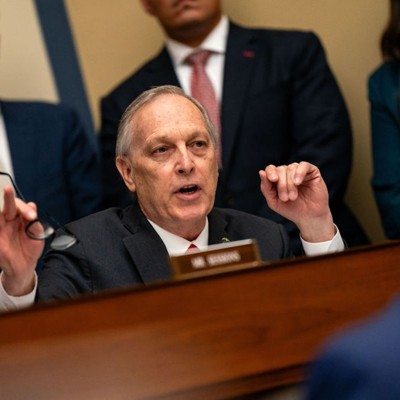
10 months agoVillagers fed up of tourists' drones call for ban after man filmed in bath
Retired police officer Hilary Baker, 69, expressed concern over drone usage in Castle Combe, stating, "It’s almost like some of the visitors have lost their moral compass, they have lost their boundaries."
UK news
Privacy professionals
fromTruthout
10 months agoIllinois Bars Trump Admin From Using Residents' Medical Data in Autism Registry
Illinois Governor J.B. Pritzker signed an executive order to protect the medical records of autistic individuals, enhancing privacy rights and addressing federal database concerns.
fromComputerWeekly.com
10 months agoEssex Police discloses 'incoherent' facial recognition assessment | Computer Weekly
Essex Police allegedly failed to adequately assess the potentially discriminatory effects of its live facial recognition technology despite claiming to have considered such issues in their equality impact assessment.
EU data protection
Privacy technologies
fromNew York Post
10 months agoRep. Nancy Mace shares 'naked' photos of herself - allegedly taken without her consent - during House hearing
Rep. Mace advocates against video voyeurism, sharing personal experience of alleged unauthorized filming, emphasizing personal freedom and consent.
Privacy technologies
fromFast Company
10 months agoWhy governments keep losing the 'war on encryption'
The rise of encrypted messaging apps is a response to government surveillance and global authoritarian policies.
The debate over encryption pits government interests against individual privacy rights, illustrating a conflict that is challenging for governments to control.
fromNextgov.com
10 months agoIntel agencies doubled use of US person-tied search terms under disputed spying power last year
In 2024, U.S. intelligence agencies significantly increased their use of search terms to query communications of U.S. persons, igniting privacy concerns and calls for reform.
US news
fromHomebuilding
10 months agoHome CCTV laws - the rules on using cameras to boost a home's security
Even if the primary purpose of your CCTV is to secure your property, if the cameras capture detailed images of areas where others have a reasonable expectation of privacy - such as a neighbour's garden or interior windows - this could be seen as a breach of that right.
EU data protection
fromwww.standard.co.uk
10 months agoWagatha Christie battle appears to come to an end after latest costs ruling
In written submissions, David Sherborne, for Mrs Rooney, stated: "In short, the claimant is someone who has secretly provided, or sought to provide, to the press private information which she has been privy to..."
UK news
fromIndependent
10 months ago'My body had been violated and then a court ordered the violation of my mind. I'm still not over that'
When Sarah Grace made the difficult phone call to organise her first counselling appointment after a violent sexual assault, she didn't know her therapist's notes could be used against her in court.
Privacy professionals
UK politics
fromwww.theguardian.com
11 months agoShould benefit claimants risk having their bank accounts spied upon and driving licences revoked? I don't think so | Neil Duncan-Jordan
The government plans to implement mass surveillance on welfare recipients, potentially infringing on their privacy rights.
fromwww.mercurynews.com
11 months agoSeattle officers who attended Jan. 6 rally ask US Supreme Court to keep their identities anonymous
The officers argue that revealing their identities would violate their privacy and deter them from expressing unpopular opinions, posing a threat to free speech.
Privacy professionals
[ Load more ]