NYC real estate
fromtherealdeal.com
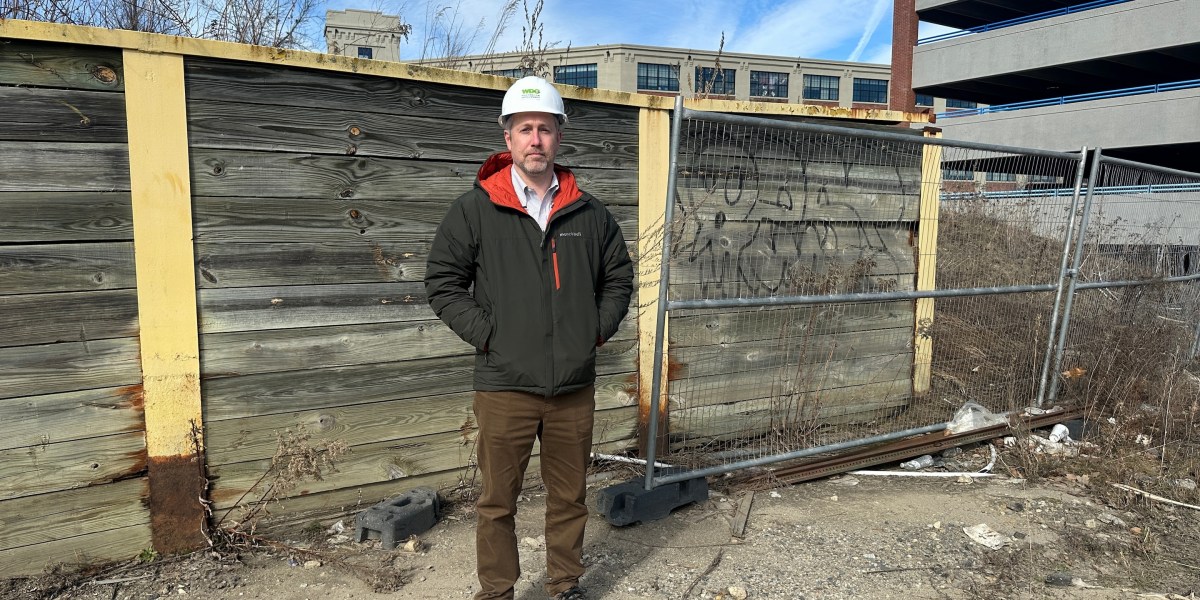
2 days agoThe Daily Dirt: One man's quest for a STAR rebate
The STAR property tax rebate application was denied due to an income error, which took months to resolve despite a quick fix being possible.
A recent analysis from Tufts University's Center for State Policy Analysis estimates it would reduce state tax revenue by roughly $5.1 billion per year - about a 10% overall decline - while saving the median Massachusetts household around $1,250 annually.
Through Community Facilities Districts (CFD), Municipal Utility Districts (MUD), Public Improvement Districts (PID), Community Development Districts (CDD) and reimbursement districts (RD), builders can potentially shift infrastructure costs off their balance sheets and onto special districts that homebuyers ultimately absorb through property taxes without potentially adding debt to the builder's books.
One of the biggest takeaways is that from a national perspective, the largest investors account for a really small proportion of single-family home purchases and that share has decreased in recent years. So the ban is going to have less of a bite now than it would have had it been enacted a few years ago. It is attacking a trend that is already decreasing as opposed to one that is becoming increasingly part of the market.
With these arrangements sometimes called subscriptions or power purchase agreements (PPAs), a third party owns the panels and leases them back to the homeowner. But last summer, President Trump signed legislation that ended federal tax incentives that had cut at least 30% off the price of purchased panels. Similar incentives for leased panels remain.
At a time when affordability remains one of the state's most pressing challenges, adding additional transaction costs makes it harder for buyers and sellers to participate in the market that so desperately needs participation. New Jersey Realtors said the state should consider reducing or reforming the fee as it applies to residential housing.
House Bill 1001's final version broadens by-right approval for certain housing types and reduces some local zoning, design and fee authority. However, it permits communities to opt out of key provisions and introduces new rules for impact fees, residential tax-increment financing and state housing infrastructure financing.
Whether it's investigating the financials of Elon Musk's pro-Trump PAC or producing our latest documentary, 'The A Word', which shines a light on the American women fighting for reproductive rights, we know how important it is to parse out the facts from the messaging. At such a critical moment in US history, we need reporters on the ground. Your donation allows us to keep sending journalists to speak to both sides of the story.
"If we don't get what we need [in terms of extra government help] then a Section 114 Notice will come in, which is effective bankruptcy. We'd then get administrators come in, in effect - they'd then make a plan for where the money gets spent in Worcestershire. It would be a catastrophe. We're going to have to halt projects that were put into the budget by the previous administration, things that maybe were 'nice to have', but we can't afford them."
It's very nice for Larry Stone if he's paying only $3,000 a year in property taxes on a $3.8 million home. I'm guessing he has a very nice pension, too. However, property taxes are a significant burden on other seniors like me, who pay more than five times as much on a much cheaper house, and with a limited fixed income. In fact, my Social Security income isn't even sufficient to cover my property taxes.
According to the proposal, the cost of the program would equal approximately 3% of Tennessee's annual state budget. It could be funded by the state's recurring surplus estimated at $1.5 billion to $2.5 billion per year. Mitchell asserted that Tennessee has the fiscal capacity to support the initiative without cutting existing services or raising taxes. The money is there. The question is priority, he said.
including seeing membership of the Congressional Real Estate Caucus, a bipartisan group working to tackle housing supply and affordability, grow to 100 members; having over 1000 grants, programs and initiatives funded to advance pro-housing policies and elect legislators focused on housing at the state and local level; defeating 11 harmful tax proposals over the past decade, which NAR said prevented $1.3 trillion in new taxes on real estate;
The legislation focuses on reducing regulatory and procedural barriers to housing development, aiming to accelerate the construction of both market-rate and affordable housing nationwide. The Housing for the 21st Century Act is the House counterpart to the ROAD to Housing Act. The bill seeks to accelerate housing development by encouraging zoning reforms, supporting accessory dwelling units and small multifamily projects, and lowering costs tied to permitting and design. It also includes grants for preapproved building plans intended to shorten approval timelines.










.jpeg?trim=0,8,0,7&width=1200&height=800&crop=1200:800)