#prosthetic-eyes
#prosthetic-eyes
[ follow ]
#assistive-technology #brain-computer-interface #accessibility #brain-computer-interfaces #ray-ban #ai-glasses


fromTNW | Startups-Technology
1 day agoWearable Robotics raises 5M to expand its arm exoskeleton
The ALEX RS is a bilateral upper-limb exoskeleton designed for post-stroke rehabilitation, covering 92% of the human arm's natural range of motion and is CE certified as a Class IIa medical device.
European startups

.jpg)
fromdesignboom | architecture & design magazine
4 days agobody agency and the ways wearable devices let people regain control of their physical forms
Body agency is a power returned after an incident took it away from the user's physical form, and some wearable devices and technologies have this exact goal in mind.
Wearables
fromBig Think
1 month agoThe brain after blindness: How newly-sighted people build a visual world
If we told them to look at the face, they could usually manage it. But they were mostly looking at the hands. The Prakash children eventually learn to look at faces when spoken to - usually a few months after their surgeries. Their experiences reveal that seeing doesn't come naturally the moment a person is cured of blindness. Newly-sighted people must learn to see.
Science
#brain-computer-interfaces

Medicine
fromNature
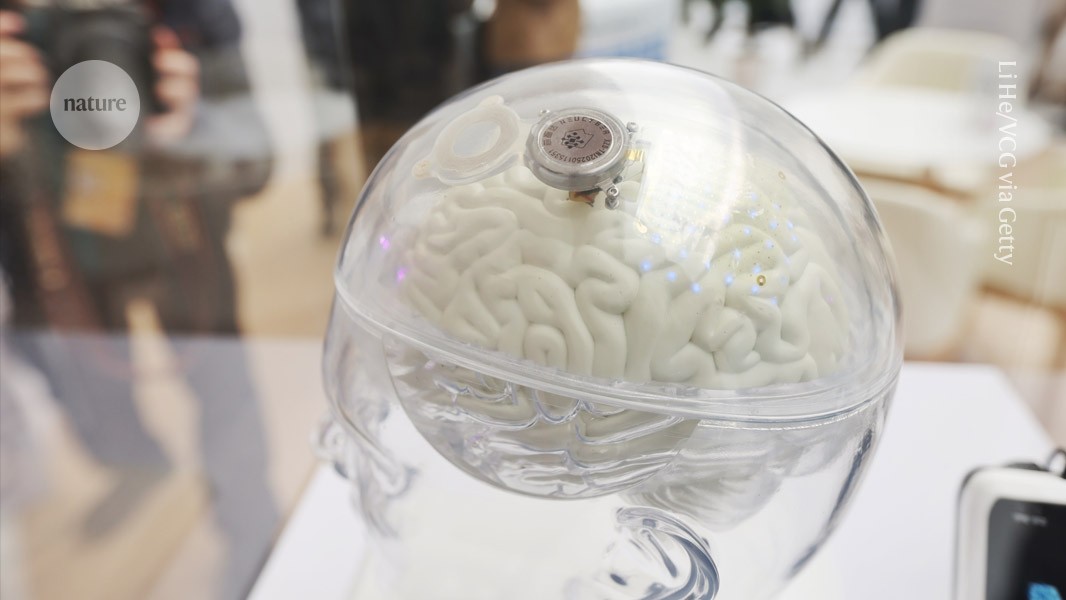
2 weeks agoDaily briefing: China approves world-first brain-computer interface device
China approved the first brain-computer implant outside clinical trials for paralyzed patients, while US courts blocked vaccine schedule changes and AI leaders warn against manipulative chatbot design.
US news
fromwww.npr.org
1 month agoScientists make a pocket-sized AI brain with help from monkey neurons
Scientists compressed an AI visual system model from 60 million to 10,000 variables while maintaining performance, revealing how biological brains achieve efficiency and potentially advancing both neuroscience and artificial intelligence.
fromwww.scientificamerican.com
1 month agoHow LabOS AI-powered smart goggles could reduce human error in science
Laboratory safety goggles have finally joined the ranks of smart devices. That's the promise behind LabOS, an AI operating system for scientific laboratories built by the Stanford-Princeton AI Coscientist Team, a group led by Stanford University bioengineer Le Cong and Princeton University computer scientist Mengdi Wang, with founding partners that include NVIDIA. Powered by NVIDIA's vision-language models to process visual data, the system is designed to provide AI with real-time knowledge of lab work so it can determine what causes experiments to fail or succeed and rapidly train new scientists to expert levels by guiding them through experimental protocols.
Artificial intelligence
fromMail Online
2 weeks agoAI glasses that can help dementia patients live independently
The glasses, developed over ten years, can guide people living with early-stage dementia through daily activities by identifying everyday objects and providing audio commentary and putting up visual prompts.
Wearables
fromPsychology Today
2 months agoHow to (and How Not to) Help People Who Are Blind
When I take a walk in my neighborhood, my white hair, dark glasses, and white cane shout to the world that I am an older blind man. Some passers-by assume that I am lost and ask if I need help. It is true that blind people sometimes need help when using a mobility aid (a white cane or guide dog) to navigate their physical environment. However, once a person becomes proficient at traveling with a mobility aid, they typically need much less help.
Social justice
Gadgets
fromTechRepublic
2 months agoHow AI Mirrors Are Changing the Way Blind People See Themselves - TechRepublic
AI tools enable blind individuals to receive detailed, personalized visual feedback about their appearance, creating new practical opportunities and emerging emotional and psychological consequences.
fromPsychology Today
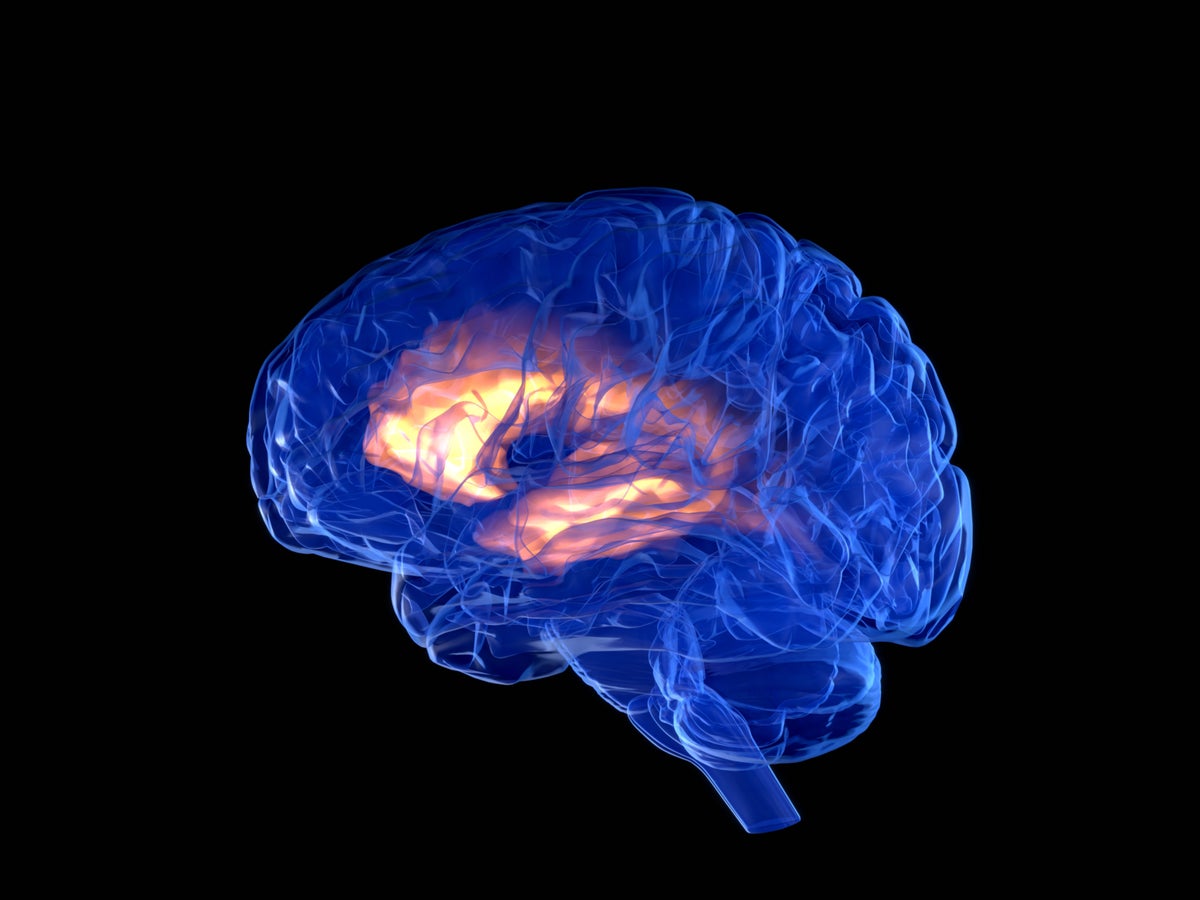
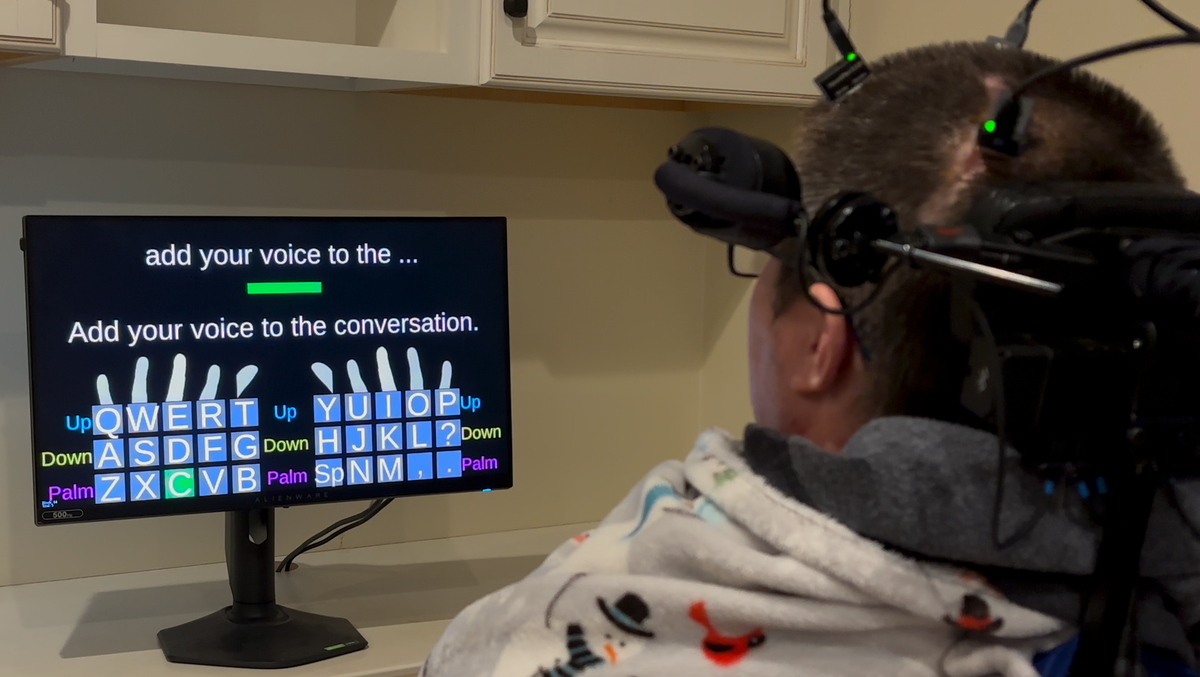
1 month agoAI-Decoded Brain Signals May Help Paralyzed Regain Movement
Artificial intelligence (AI) machine learning is making a difference in assistive technology to help restore movement for the paralyzed. A new study in the American Institute of Physics journal APL Bioengineering shows how AI has the potential to restore lower-limb functions in those with severe spinal cord injuries (SCIs) by identifying patterns in brain signals captured noninvasively via electroencephalography (EEG).
Artificial intelligence
fromSocial Media Today
2 months agoMeta Announces Funding Grants for Research Into AI Glasses Use
There are two types of grants that U.S.-based organizations can apply for: Accelerator Grants for those who are already leveraging our AI glasses to scale their impact, and Catalyst Grants for organizations proposing new, high-impact applications using our Device Access Toolkit. We will award 15 Accelerator Grants of $25,000 and 10 of $50,000 USD, depending on the scale of the project. We'll also award five Catalyst Grants of $200,000. In total, we'll grant nearly $2 million to more than 30 organizations and developers.
Agriculture
fromFast Company
1 month agoThis AI-powered machine turns photos into smells
One scientist at MIT, Cyrus Clarke, is working to do just that. Alongside a team of fellow researchers, Clarke has developed a physical machine called the Anemoia Device, which uses a generative AI model to analyze an archival photograph, describe it in a short sentence, and, following the user's own inputs, convert that description into a unique fragrance. The word "anemoia" was coined by author John Koenig and included in his 2021 book, The Dictionary of Obscure Sorrows.
Artificial intelligence
fromWIRED
2 months agoWe Strapped on Exoskeletons and Raced. There's One Clear Winner
An exoskeleton is a relatively new class of wearable device designed to enhance, support, or assist human movement, strength, posture, or even physical activity. The main piece goes around your waist like a belt, and from it, a pair of hinged, mechanized splints extend down over the hips to strap onto each thigh, where they provide some robotic assistance to normal movements like walking, running, or squatting.
Medicine
fromenglish.elpais.com
1 month agoBrain implant restores vision to a man blinded by an optic nerve injury
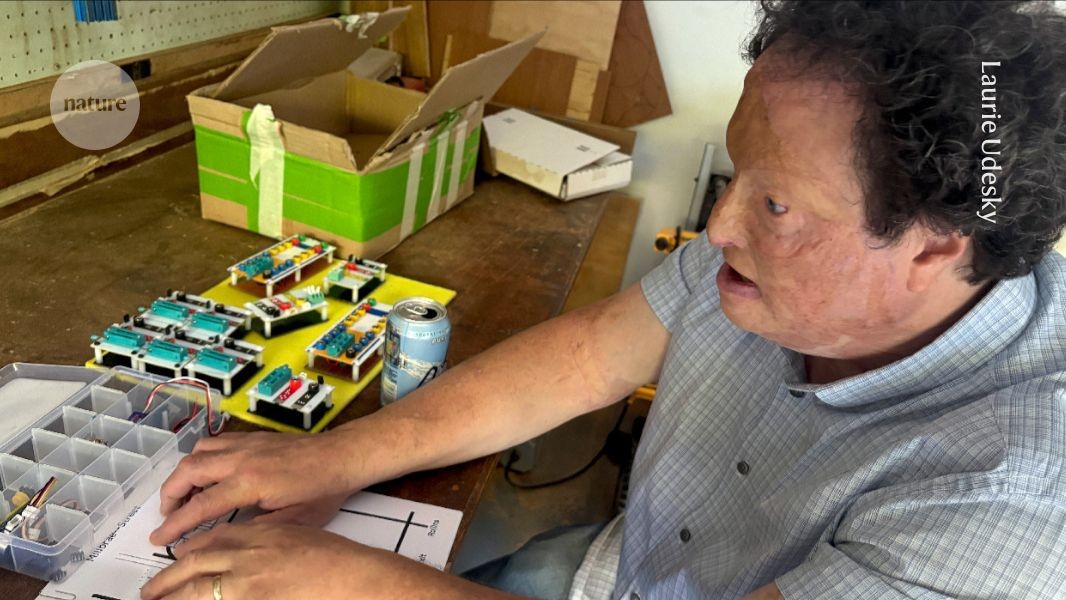
A 4x4 mm microneedle implant in the visual cortex restored partial vision in a NAION patient, enabling light perception, movement detection, object identification, and reading large characters.

fromPsychology Today
1 month agoWhy Your Eyes Like What Your Eyes Like
Real estate with ocean views, stunning mountain vistas, and wide-open green spaces sell at premium prices because humans find those settings pleasing [1-5]. Certain color combinations in fashion-such as brown and forest green-blend harmoniously, while others, such as hot pink and orange, clash. And our eyes like certain proportions in visual objects (like buildings and human faces) but not others.
Science

Medicine
fromNews Center
2 months agoOphthalmology Grant Supports Unrestricted Research, Innovation - News Center
Department of Ophthalmology received an increased Research to Prevent Blindness unrestricted grant of $150,000 to support priority research initiatives, collaborations, and innovative vision science projects.
fromZDNET
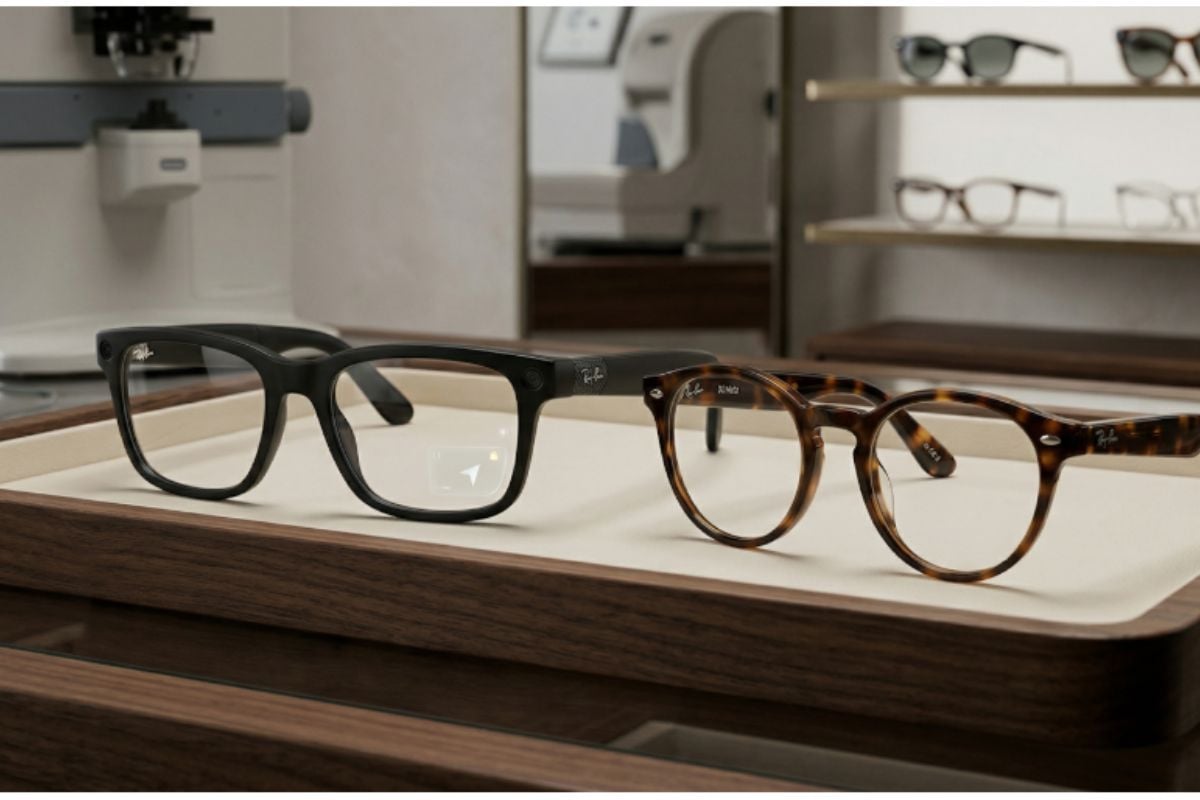
2 months agoThe makers of Meta Ray-Ban Display glasses showed me what's next for AR, and it's wild
The company is building directly on its major success supplying its waveguide technology to glasses, and proving that geometric waveguides work at consumer scale with standard glass. At CES, Lumus showcased a ZOE prototype with a field of view of more than 70 degrees, an optimized Z-30 with 40% more brightness, and a Z-30 2.0 preview that's 40% thinner. David Goldman, VP of marketing, walked me through each demo with clear enthusiasm about the progress Lumus is making.
Wearables
fromBusiness Insider
1 month agoFor brain surgery patients, a robot could be the key to faster recovery
When Dr. Homoud Aldahash started the three-hour process of removing a tumor about the size of a walnut from a patient's brain, it was an experience unlike any other in his 25 years as a neurosurgeon. It wasn't Aldahash's gloved hands slicing 68-year-old Mohammed Almutrafi's right frontal lobe, but surgical instruments attached to a set of robotic arms, which Aldahash controlled from a console where he sat three meters away.
Medicine
[ Load more ]