Mental health
fromPsychology Today
17 hours agoCognitive Impairment After Psychosis
Recovery from cognitive impairment is possible, and new opportunities can arise despite challenges.
The Stanley Family Foundation announced another $280 million for the Stanley Center for Psychiatric Research at Broad Institute earlier this month, bringing its total contributions to the Massachusetts-based nonprofit over $1 billion.
There is a unique kind of pain in losing your mind, not just once, but over and over. Losing your perception of reality, of your emotions, of your closest relationships-both across months and multiple times a day. Knowing deep down that something is wrong but being unable to stop it.
We found no evidence any form of cannabis is effective in treating anxiety, depression or post-traumatic stress disorder, which are three of the leading reasons for which cannabis is prescribed. The cannabis medications being administered in these studies were largely oral formulations, such as capsules, sprays or oils. In real life, people typically use smoked cannabis, and there is even less evidence of its effectiveness for mental health.
Some clinicians have an uncanny quality. A colleague describes herself and others with this instinct as "witchy"-a capacity to know things about patients they haven't said yet, to follow a stray association to a song lyric or a half-remembered cultural reference and arrive, reliably, at something the patient urgently needed to say but couldn't reach on their own. We see with artificial intelligence these intriguing possibilities for discovery, especially as connections that human beings never would see pop out of apparently unrelated data.
If we treat ADHD as binary (you have it or you do not), we are missing the possibility that we all lie somewhere on a continuum with diagnosed ADHD towards one end (and perhaps an ability to focus and concentrate at the other). A diagnosis of ADHD then depends on where the line is drawn. I suggest that this line has been moved in recent years, so that a large group of people have been caught up in the positive ADHD group, who would not have been previously.
Anyone who is under psychiatric care, or loves someone who is, may want to read the book The Devil's Castle: Nazi Eugenics, Euthanasia, and How Psychiatry's Troubled History Reverberates Today, by Susanne Paola Antonetta. If you care about history, particularly the history of eugenics, you may be interested as well. The book may offer us more respect for the mind, for consciousness, and its diversity.
Anyone living with schizophrenia understands the true limitations of current treatment options. Antipsychotics remain the single leading treatment for the disorder, and they are riddled with undesirable side effects. Weight gain, tardive dyskinesia, and excessive drowsiness are a few. Much research is devoted to expanding the range of medication options, and few academics have pursued other avenues. However, there is a possibility that treatment for schizophrenia can be approached through cellular methods if long-term research validates early signs of hope.
Yes, there has been a shocking lack of progress in developing transformative psychiatric medicine (We need new drugs for mental ill-health, 5 February), but this may be because in mental health, drugs are not always the answer (see, for example, Richard P Bentall's Doctoring the Mind). Huge progress has been made in the effectiveness of talking therapies for example, free effective treatment for post-traumatic stress disorder (PTSD) is available to all UK army veterans through the charity PTSD Resolution.
They arrive on time, think clearly, and care about their clients. Outwardly, everything seems fine. In private, though, things can feel very different. A clinician's depression may not show up as clear despair. More often, it feels like emotional numbness, quietly withdrawing, or slowly losing interest in things that once mattered. Pleasure fades, curiosity lessens, and the work goes on, but it feels heavier and less alive.
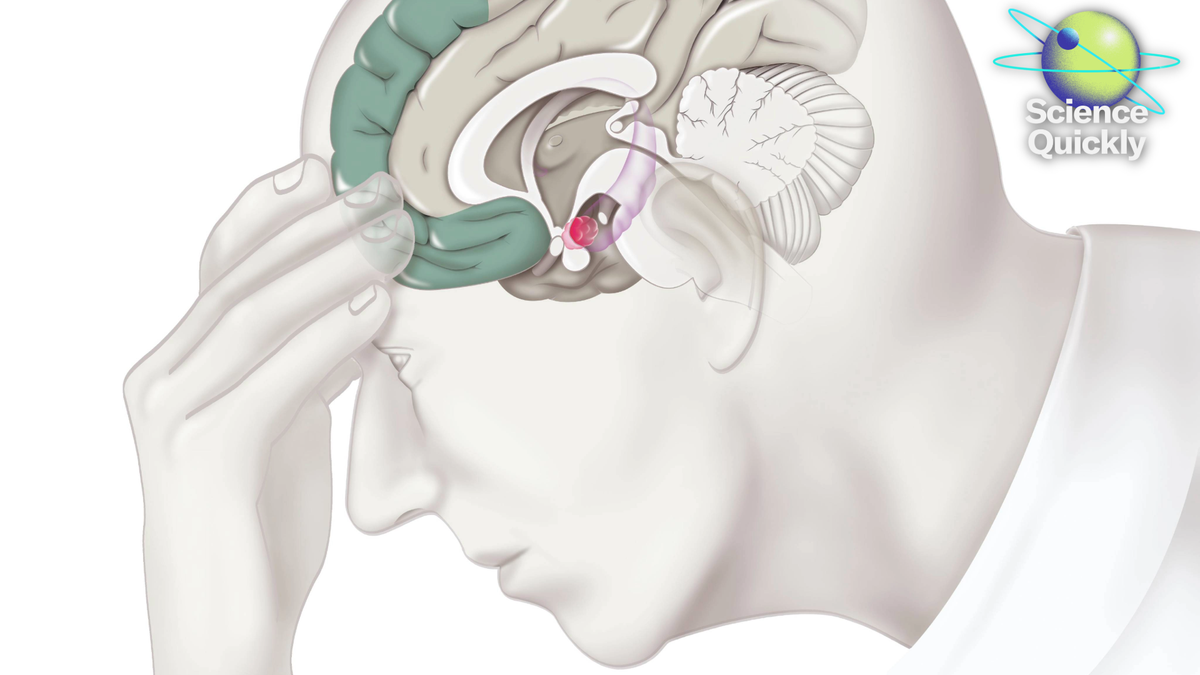
A recent study published in Biological Psychiatry identified a distinct subtype of psychiatric illness marked by brain inflammation, one that cuts across traditional diagnoses and may explain why standard treatments fail for some people (Tang et al., 2025).This new brain imaging study offers an interesting clue. It turns out that across different psychiatric disorders, some people show clear signs of brain inflammation, visible on scans and confirmed through immune system tests.
When the Danish psychiatrist Søren Dinesen Østergaard published his ominous warning about AI's effects on mental health back in 2023, the tech giants fervently building AI chatbots didn't listen. Since that time, numerous people have lost their lives after being drawn into suicide or killed by lethal drugs after obsessive interactions with AI chatbots. More still have fallen down dangerous mental health rabbit holes brought on by intense fixations on AI models like ChatGPT.