#psychopharmacology
#psychopharmacology
[ follow ]
#mental-health #adhd #depression #clinical-trial #mental-health-treatment #dsm #dopamine #psychiatry






Cannabis
fromwww.theguardian.com
2 weeks agoCannabis is not an effective treatment for common mental health conditions, says review
Cannabis lacks sufficient evidence for treating anxiety, anorexia nervosa, psychotic disorders, PTSD, and opioid use disorder despite widespread patient use for mental health conditions.


from6abc Philadelphia
2 weeks agoScientists say marijuana doesn't ease anxiety or other mental health conditions
We found no evidence any form of cannabis is effective in treating anxiety, depression or post-traumatic stress disorder, which are three of the leading reasons for which cannabis is prescribed. The cannabis medications being administered in these studies were largely oral formulations, such as capsules, sprays or oils. In real life, people typically use smoked cannabis, and there is even less evidence of its effectiveness for mental health.
Cannabis
Medicine
fromenglish.elpais.com
2 weeks agoWhy some people get hooked and others don't: genetics, childhood and brain circuits explain addiction
Addiction is a mental disorder requiring professional treatment, not a matter of willpower or personal choice, yet society continues to stigmatize it as a moral failing.
Medicine
fromNews Center
2 weeks agoSchizophrenia Study Finds New Biomarker, Drug Candidate to Treat Cognitive Symptoms - News Center
Northwestern researchers identified a novel schizophrenia biomarker in cerebrospinal fluid that could enable new treatments for cognitive symptoms through a synthetic protein therapeutic approach.
Mental health
fromPsychology Today
2 weeks agoCan Hyperbaric Oxygen Treat Psychiatric Disorders?
Hyperbaric oxygen therapy improves PTSD, depression, anxiety, and cognitive impairment by restoring cellular energy, reducing neuroinflammation, and stimulating neuroplasticity through oxygen pressurization and cycling.
Medicine
fromwww.npr.org
2 weeks agoSparse evidence for cannabis to treat mental health conditions highlights research gap
A comprehensive review of 45 years of cannabis research finds little to no high-quality evidence supporting marijuana's effectiveness for treating anxiety, depression, or PTSD, despite widespread medical use for these conditions.
fromNature
2 weeks agoDopamine takes a hit: how neuroscience is rethinking the 'feel-good' chemical
Dopamine is one of the most extensively studied neurotransmitters, chemicals that convey signals from cell to cell. It's the one with the highest profile outside neuroscience: often known as the 'pleasure chemical', it's depicted as the hit of reward that people get from recreational drugs or scrolling through social media. That's a gross simplification of what dopamine does; on that, researchers agree.
Medicine
fromPsychology Today
1 month agoHow Science Is Learning to Explore Ground Truth
Some clinicians have an uncanny quality. A colleague describes herself and others with this instinct as "witchy"-a capacity to know things about patients they haven't said yet, to follow a stray association to a song lyric or a half-remembered cultural reference and arrive, reliably, at something the patient urgently needed to say but couldn't reach on their own. We see with artificial intelligence these intriguing possibilities for discovery, especially as connections that human beings never would see pop out of apparently unrelated data.
Science
Medicine
fromwww.theguardian.com
2 weeks agoThe Guardian view on weight-loss jabs and addiction: there is too much moralising about these remarkable medicines | Editorial
Weight-loss drugs show promise in reducing addiction risk, suggesting they may address shared biological mechanisms between food and drug cravings in the brain.
#gene-therapy
Medicine
fromNews Center
3 weeks agoFirst Gene Regulation Clinical Trials for Epilepsy Show Promising Results - News Center
Zorevunersen, a gene-regulation therapy, demonstrates safety and effectiveness in reducing seizures and improving developmental outcomes in Dravet syndrome patients by targeting the underlying genetic cause.
fromFast Company
17 years agoTalking About Nerve!
I received an email recently that claims Wal-Mart senior management has been calling mandatory meetings for the company's employees in which the employees are told they "cannot" vote for the Obama-Biden ticket "or any other employee-friendly, union-friendly candidates for political office". It's not an urban legend, according to the sources I checked. This makes me so angry I just boil. When it comes to the Constitution, I am a rabid supporter.
Medicine
fromwww.theguardian.com
1 month agoWeight loss drugs may stop people getting addicted to drugs and alcohol, study finds
GLP-1 receptor agonists reduce addiction risk to alcohol, tobacco, cannabis, cocaine, and opioids while decreasing overdose, hospitalization, and mortality rates in people with substance use disorders.
fromPsychology Today
1 month agoWe Need to Talk About the Fenfluramine Study
In the mid-1990s, child mental health researchers at top New York institutions injected grade-school boys with fenfluramine, also known as the diet drug "fen-fen," a substance that was later banned by the Food and Drug Administration, due to its links to valvular heart disease and pulmonary hypertension. The boys were all Black or Hispanic by design: Eligible participants were required to be African American or Hispanic because they were deemed to be at higher risk for developing disruptive behaviors.
Medicine
fromPsychology Today
1 month agoCould Glial Cells Be the Key to New Schizophrenia Treatments?
Anyone living with schizophrenia understands the true limitations of current treatment options. Antipsychotics remain the single leading treatment for the disorder, and they are riddled with undesirable side effects. Weight gain, tardive dyskinesia, and excessive drowsiness are a few. Much research is devoted to expanding the range of medication options, and few academics have pursued other avenues. However, there is a possibility that treatment for schizophrenia can be approached through cellular methods if long-term research validates early signs of hope.
Mental health
fromwww.theguardian.com
1 month agoPsychiatric drugs aren't always the answer | Letter
Yes, there has been a shocking lack of progress in developing transformative psychiatric medicine (We need new drugs for mental ill-health, 5 February), but this may be because in mental health, drugs are not always the answer (see, for example, Richard P Bentall's Doctoring the Mind). Huge progress has been made in the effectiveness of talking therapies for example, free effective treatment for post-traumatic stress disorder (PTSD) is available to all UK army veterans through the charity PTSD Resolution.
Mental health

fromPsychology Today
1 month agoMore on Low-Dose Sublingual Ketamine
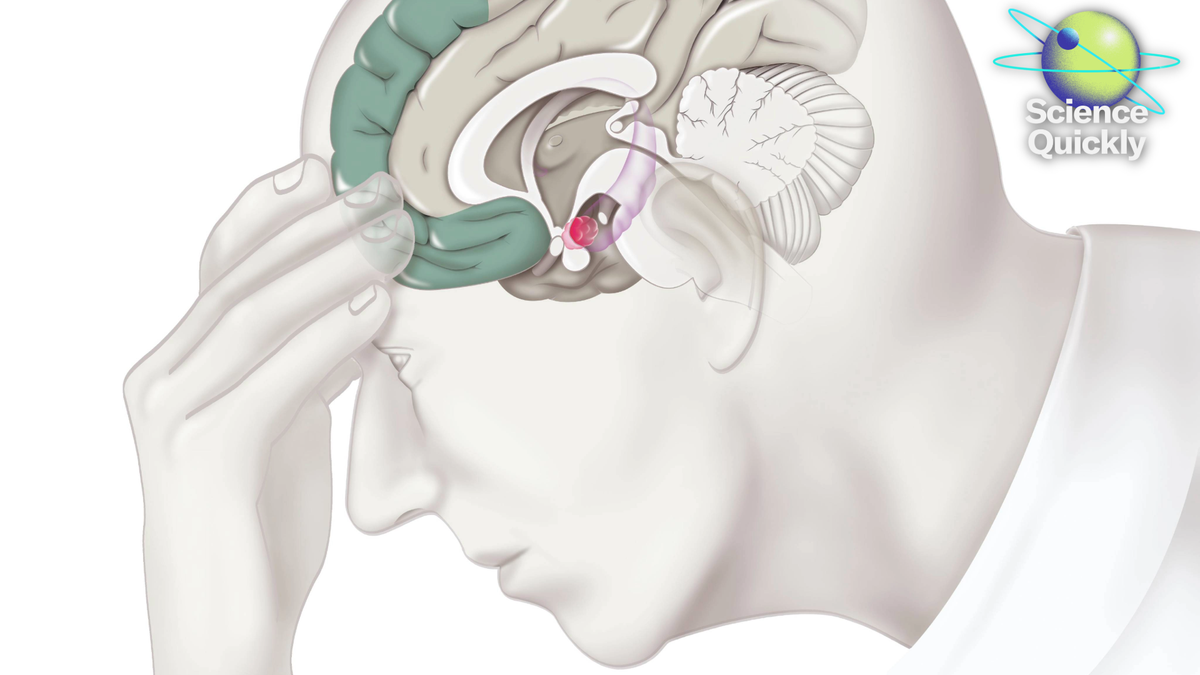
The standard explanation is that ketamine blocks NMDA receptors. These receptors bind glutamate, which is a chemical messenger found throughout the brain and body. By blocking NMDA receptors, ketamine increase "brain-derived neurotrophic factor" (BDNF), a protein which I refer to as "Miracle-Grow for the brain." BDNF promotes neuroplasticity-which is the growth of new connections (synapses) in the brain. This has traditionally been viewed as the primary mechanism responsible for ketamine's therapeutic benefits. But ketamine does so much more!
Mental health


fromPsychology Today
1 month agoLow Dose Sublingual Ketamine
Statistics show that about one-third of people with depression achieve remission-meaning their symptoms are gone-with traditional antidepressant medications. This matched my experience treating people, and I had grown to accept that this was as good as it gets. Although I wasn't thrilled with the fact that many people continued to struggle with significant symptoms of persistent depression, it seemed this was as good as we could do.
Mental health
fromPsychology Today
2 months agoTo Medicate or Not To Medicate Your Child or Teenager
Every day, many thousands of parents across the U.S. face the difficult question of whether to place their child or teenager on a psychotropic medication. Receiving a diagnosis of a mental disorder can be scary and confusing, for the youth as well as their parents/caretakers. What is ADHD? Depression? Anxiety? OCD? Bipolar? What are the available treatments? Do we have to use medications to treat the symptoms?
Mental health
fromSilicon Canals
1 month agoA brain-based AI test could point to the best antidepressant for you - Silicon Canals
Before treatment began, participants underwent neuroimaging. Instead of relying on a single modality, the researchers fused structural connectivity (how regions are physically wired) with functional connectivity (how regions co-activate at rest). The goal was not to throw every possible feature at a black box, but to learn a constrained pattern-what the authors call structure-function "covariation"-that carries the most predictive signal for outcome. In other words, the model tries to find the smallest set of connections that meaningfully forecasts symptom change.
Mental health
fromPsychology Today
2 months agoExercise Alone Is Not an Effective Treatment for Depression
That sounds impressive; however, the devil is in the details that the popular media completely ignored. For example, only 11 of those studies were focused on depression. The authors concluded that exercise had a medium effect on depression. It is impossible to know how a "medium" effect compares with drug therapy since the studies were not head-to-head comparisons. The study also reported that exercise benefited many other health conditions, including HIV or kidney disease, various mental disorders, and cancers.
Mental health
fromPsychology Today
2 months agoThe Inflamed Brain in Psychiatric Disorders
A recent study published in Biological Psychiatry identified a distinct subtype of psychiatric illness marked by brain inflammation, one that cuts across traditional diagnoses and may explain why standard treatments fail for some people (Tang et al., 2025).This new brain imaging study offers an interesting clue. It turns out that across different psychiatric disorders, some people show clear signs of brain inflammation, visible on scans and confirmed through immune system tests.
Mental health
fromPsychology Today
2 months agoWhat If the Real Antidepressant Is You?
That question may sound provocative, but it has fascinated scientists for decades. Despite the billions of dollars spent each year on antidepressant drugs, a striking body of research suggests that much, and possibly all, of their benefit may come not from chemistry, but from expectation: the simple belief that the pill will help. 1,2 That phenomenon has a name: the placebo effect.
Mental health
[ Load more ]