#public-health-governance
#public-health-governance
[ follow ]
#public-health #global-health #who-withdrawal #pandemic-preparedness #vaccination #africa #health-equity #hiv #cdc


fromNews Center
1 day agoPolicy Intervention Linked to Increase in Kidney Transplants in Black Patients - News Center
"This argues for the need to sustain such policies and shows that it is possible to right the wrongs retroactively, which is a powerful idea," said Kenneth Michelson, MD, MPH, associate professor of Pediatrics in the Division of Emergency Medicine and a co-author of the study.
Medicine
fromwww.theguardian.com
1 day agoWhy reducing air pollution deaths isn't just about reducing air pollution
Air pollution is the second-largest risk factor for early death globally. Traditionally, our response has focused on reducing the levels of pollution people breathe, but this is only part of the story.
Public health


US politics
fromThe Atlantic
2 weeks agoWho's In Charge of Vaccines Now?
A federal judge ruled the Trump administration likely violated the law by dismissing the CDC's vaccine advisory panel and replacing it with vaccine-skeptical members, then altering childhood immunization schedules without proper input.



Online Community Development
fromPhys
2 weeks agoPersonal change thresholds may explain why popular policies fail to spread
Individual thresholds for adopting new behaviors vary widely, and measuring these thresholds through behavioral experiments can help overcome resistance to widely supported solutions like climate change mitigation.
fromThe Atlantic
2 weeks agoI Remember a World Without Vaccines
I am open-minded; I believe in integrative practices, and I agree that the medical establishment can be arrogant and unduly influenced by the pharmaceutical industry, which now funds so much of medical research. But I fully understand Scherer's frustration with his interminable discussions with Kennedy about scientific articles.
Coronavirus
US news
fromTruthout
3 weeks agoGlobal Health Workers Describe Impact a Year After Trump Admin Shut Down USAID
USAID's dissolution in 2025 has caused avoidable deaths and increased suffering among vulnerable populations globally, with malaria spikes, food assistance cuts, and disrupted medical supply chains already documented.
Coronavirus
fromArs Technica
3 weeks agoWe study pandemics, and the resurgence of measles is a grim sign of what's coming
Measles outbreaks impose substantial economic costs through containment, medical expenses, and productivity losses, while declining vaccination coverage threatens control of multiple infectious diseases.
US politics
fromwww.theguardian.com
1 month agoRising anger over lop-sided' and immoral' US health funding pacts with African countries
African countries are rejecting US bilateral health agreements as exploitative, with demands for biological resources, data sharing, and mineral access violating national sovereignty.
#public-health-policy
Public health
fromNebraska Examiner
2 weeks ago3 states and New York City join global disease response network * Nebraska Examiner
State and local public health departments in California, Illinois, New York, and New York City independently joined WHO's Global Outbreak Alert and Response Network after the U.S. federal government withdrew from the WHO.
Public health
fromNebraska Examiner
2 weeks ago3 states and New York City join global disease response network * Nebraska Examiner
State and local public health departments in California, Illinois, New York, and New York City independently joined WHO's Global Outbreak Alert and Response Network after the U.S. federal government withdrew from the WHO.
Public health
fromwww.theguardian.com
3 weeks agoTrump policies set to increase rates of lung disease and death, study finds
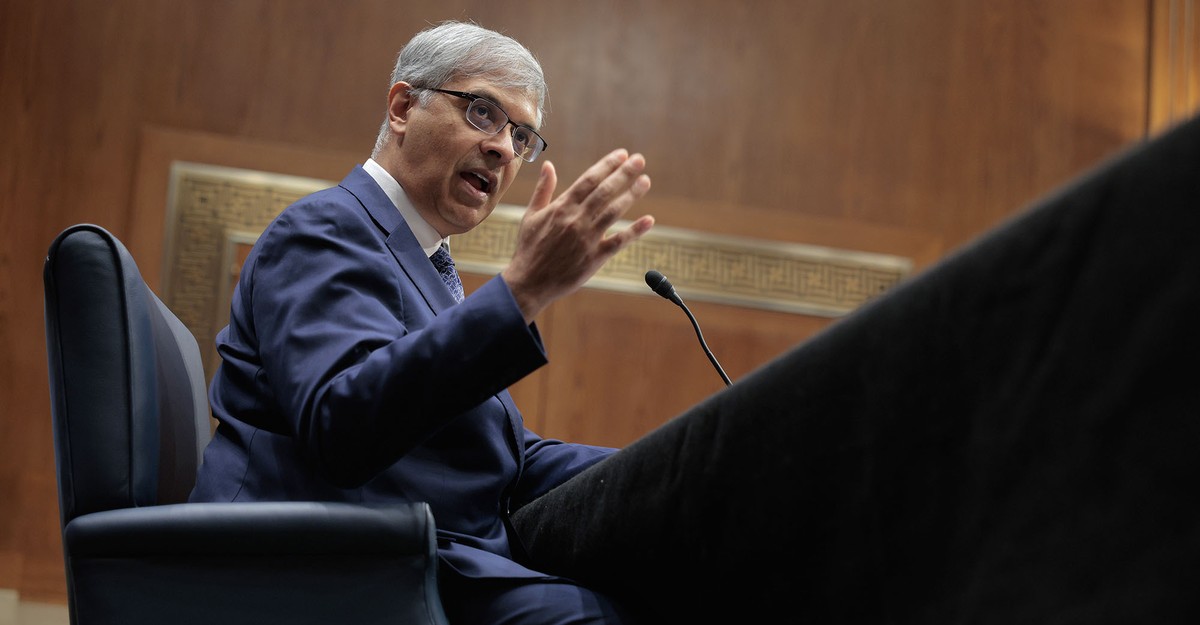
Trump administration policies across healthcare, environment, workplace, and vaccines are projected to significantly increase lung disease rates and premature deaths among Americans.

Public health
fromwww.theguardian.com
3 weeks agoUK government axes flagship global health project
UK aid cuts are forcing closure of the Global Health Workforce Programme, ending healthcare worker training and development across six African countries despite ministers previously emphasizing its role in pandemic preparedness.

fromNature
3 weeks agoPrevent pandemics through One Health commitments
Risks of outbreaks with pandemic potential rise with increasing land-use change, biodiversity loss and climate change. The Pandemic Agreement adopted by the World Health Assembly in 2025 marks a historic shift that establishes the One Health approach as a legally binding obligation for pandemic prevention.
Public health
Public health
fromAdvocate.com
1 month agoBudget cuts and ignorance of history are racing us towards another HIV & AIDS epidemic
The Trump administration is cutting HIV/AIDS funding across CDC, research, state grants, and global programs, threatening decades of progress against a disease that devastated communities in the 1980s.
fromLos Angeles Times
1 month agoThere were 13 full-service public health clinics in L.A. County. Now there are 6
Because of budget cuts, the Los Angeles County Department of Public Health has ended clinical services at seven of its public health clinic sites. As of Feb. 27, the county is no longer providing services such as vaccinations, sexually transmitted infection testing and treatment, or tuberculosis diagnosis and specialty TB care at the affected locations, according to county officials and a department fact sheet.
Public health
fromwww.theguardian.com
1 month agoViruses don't know borders': US anti-vaccine rhetoric could impact global measles crisis
The World Health Organization announced in late January that six European countries: the United Kingdom, Spain, Austria, Armenia, Azerbaijan and Uzbekistan had all officially lost their measles elimination status, which means the virus has been circulating continuously in those countries for more than 12 months.
Public health
Public health
fromTruthout
1 month agoPublic Health Agencies Struggle to Keep Up With Rising Tuberculosis Cases
Tuberculosis cases and containment costs are rising nationwide, with Johnson County, Iowa experiencing a tripling of latent infections and costs surging from $17,000 to $65,000 annually, while state funding for contact tracing has been withdrawn.
Public health
fromBusiness Matters
1 month agoChronic Disease Prevention Remained Abstract for Too Long - Barbara Mkhitarian Made It Measurable
Digital prevention programs combining nutrition coaching with behavioral psychology achieve average 7 kg weight loss and sustained diabetes risk reduction through evidence-based lifestyle intervention.
fromwww.npr.org
1 month agoWhy it's a bit surprising that the U.S. is attending a key global flu meeting
Each day, they pore over reams of data about how the virus is evolving worldwide, how well last year's shot performed, and which strains might be easiest to mass produce for a vaccine. The meeting, convened by the World Health Organization twice a year, is a critical moment for the WHO's Global Influenza Surveillance and Response System.
Public health
Public health
fromFast Company
1 month agoDoes the surgeon general nominee actively promote vaccines? Casey Means wouldn't say
Casey Means, a wellness influencer without an active medical license, is nominated as U.S. Surgeon General, prioritizing prevention of chronic disease through the Make America Healthy Again movement.



fromwww.aljazeera.com
2 months agoGlobal health's defining test
Perhaps the most significant milestone was the adoption by WHO Member States of the Pandemic Agreement, a landmark step towards making the world safer from future pandemics. Alongside this, amendments to the International Health Regulations came into force, including a new pandemic emergency alert level designed to trigger stronger global cooperation. And to sustainably finance the WHO's work, governments in a historic show of support increased their contributions to our core budget.
Public health
fromSlate Magazine
1 month agoMeasles Outbreaks Are Increasingly Common. Here's What You Need to Know.
Sign up for the Slatest to get the most insightful analysis, criticism, and advice out there, delivered to your inbox daily. Measles. Measles, measles, measles! After decades of not having to worry much about the most contagious virus on record, it suddenly seems to be everywhere. The outbreak in South Carolina is nearing 1,000 cases, overtaking last year's largest outbreak, in Texas, which ended in August with 762 cases. Twenty states are currently reporting infections. Canada recently lost its measles elimination status.
Public health
fromNature
1 month agoAfrican countries must take control of health policy
There is little doubt that this is what African countries need if they are serious about universal health coverage - ensuring that every member of their populations has access to this fundamental human right. But such an approach has never been implemented in Africa. Some of the reasons for this are outlined in a report on health financing by the Africa Centres for Disease Control and Prevention (Africa CDC), the continent's public-health agency based in Addis Ababa, published last week (see go.nature.com/3o9wxfc).
Public health

from48 hills
2 months agoThe US fails again to fix the real causes underlying poor health - 48 hills
If you're smoking three packs of cigarettes a day, should you expect society to pay when you get sick?" He added that while Americans would always have the right to "eat donuts all day," nevertheless, "should you then expect society to care for you when you predictably get very sick at the same level as somebody who was born with a congenital illness?
Public health


Public health
fromLondon Business News | Londonlovesbusiness.com
2 months agoAssessing the Government's 10-year health plan: Enhancing support for prevention and recovery in England - London Business News | Londonlovesbusiness.com
The UK's ten-year health plan must accelerate prevention, digital transformation, and accessible addiction treatment to curb rising drug-related harms and reduce NHS strain.
fromNature
1 month agoDaily briefing: More than one-third of cancer cases are preventable
Nearly 40% of new cancer cases worldwide are potentially preventable, according to a new analysis. The study found that in 2022, smoking tobacco was the leading contributor to cancer cases, followed by infections and drinking alcohol. Reducing such risk factors is "one of the most powerful ways that we can potentially reduce the future cancer burden", says cancer epidemiologist and study co-author Hanna Fink.
Public health
fromwww.bbc.com
2 months agoTrial launched to 'help spot health risks early'
Public health consultant Dr Ross Keat said supporting people earlier to make small preventative changes would make "a big difference later on". Some 3,500 people in the north of the island within that age bracket are eligible for the checks. The checks will be carried out by two pre-existing nurses that support GP staff and would not replace GP appointments, Keat explained, adding that the cost would be minimal and absorbed by Ramsey Group Practice.
Public health
fromNature
2 months agoHow do vaccine cutbacks affect public health? Ask Japan
Half a world away, specialists in Japan say they have some hard-won wisdom to offer. They watched flu and pneumonia deaths spike after the Japanese government stopped pushing parents to have their children vaccinated against influenza. They witnessed rubella outbreaks driven by shifting vaccine guidance that left a segment of the population vulnerable. And they saw an unfounded media scare turn the public away from immunizations against human papillomavirus (HPV), which is responsible for nearly all cases of cervical cancer.
Public health
fromwww.scientificamerican.com
1 month agoInfectious diseases may be more dangerous to people who are overweight. Experts explain why
Being overweight doesn't just make people more susceptible to chronic illnesses such as heart disease and diabetesit might also increase their risk of severe influenza and other infections, a new study confirms. The study, published today in the Lancet, suggests that people with obesity may be more susceptible to death and hospitalization from a variety of infections caused by viruses, fungi, parasites and bacteria.
Public health
[ Load more ]