#public-land-acquisition
#public-land-acquisition
[ follow ]
#affordable-housing #real-estate #housing-development #urban-planning #urban-development #new-york-city
fromInvestigative Post
2 days agoInvestigative Post event on reforming Buffalo and NY government.
John Kaehny has written and successfully lobbied for the passage of state and New York City laws related to government transparency and accountability, including the first open data law in the world in 2012.
NYC politics




#artificial-intelligence


Real estate
fromwww.housingwire.com
6 days agoAI can accelerate real estate transactions But it can't replace the professional work that protects property rights
Artificial intelligence is enhancing efficiency in the title industry, but professional expertise remains essential for ensuring clear property ownership.
#urban-development
Business intelligence
fromLondon Business News | Londonlovesbusiness.com
6 days agoWhy GIS matters in modern infrastructure and urban planning: Building smarter, future-ready cities - London Business News | Londonlovesbusiness.com
GIS is essential for effective urban planning, enabling data-driven decisions that enhance infrastructure and quality of life in rapidly growing cities.
Business intelligence
fromLondon Business News | Londonlovesbusiness.com
6 days agoWhy GIS matters in modern infrastructure and urban planning: Building smarter, future-ready cities - London Business News | Londonlovesbusiness.com
GIS is essential for effective urban planning, enabling data-driven decisions that enhance infrastructure and quality of life in rapidly growing cities.
fromHigh Country News
5 days agoForest Service overhaul sows confusion, concern - High Country News
"Nobody is asking for this. None of the farm groups want this. No one in conservation wants this. Nobody." Robert Bonnie, former Forest Service undersecretary, highlights widespread opposition to the reorganization.
Washington DC
#housing-development


fromLos Angeles Times
27 years agoEast Bay real estate
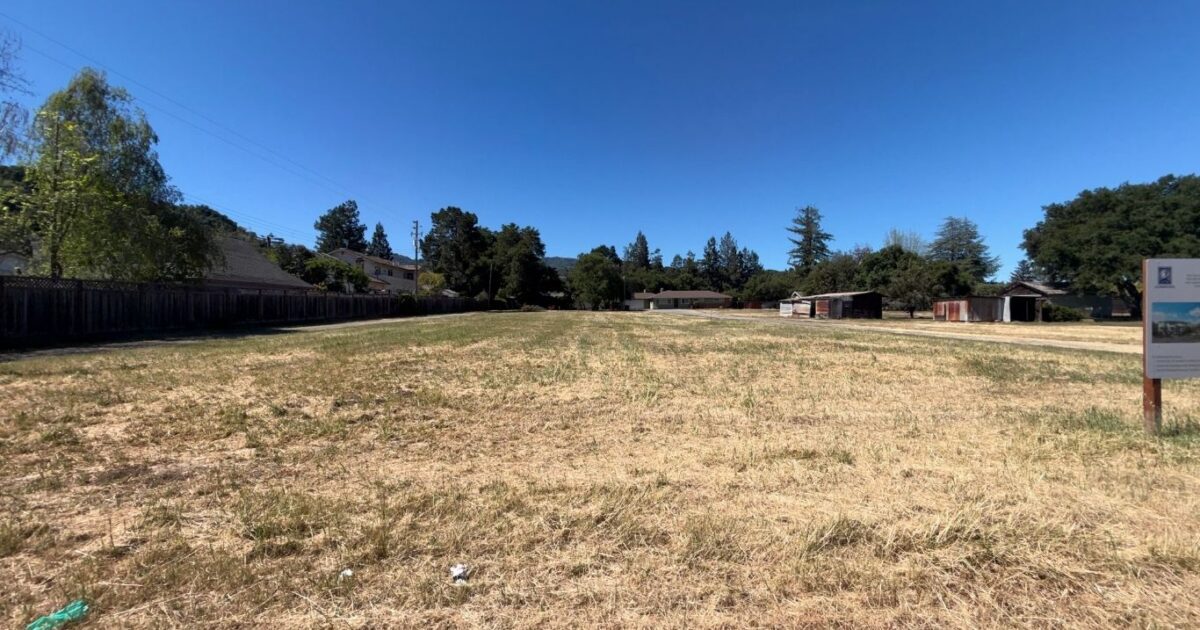
Housing Permits Urged for 3 Projects
Ventura Planning Commission unanimously approved three east Ventura developments totaling 245 housing units: a 100-unit apartment complex and two single-family home projects, allocating the city's limited annual housing permits.
Boston real estate
fromwww.amny.com
2 weeks agoExpert Analysis
Cities can unlock 100,000+ housing units by leveraging 50+ million square feet of unused development rights on municipal properties and transit facilities through strategic air-rights deployment and alternative ownership models beyond traditional ground leases.

East Bay real estate
fromLos Angeles Times
27 years agoHousing Permits Urged for 3 Projects
Ventura Planning Commission unanimously approved three east Ventura developments totaling 245 housing units: a 100-unit apartment complex and two single-family home projects, allocating the city's limited annual housing permits.
Non-profit organizations
fromStreetsblog New York City
6 days ago'Game-Changer': Non-Profit Throws Financial Lifeline to Open Streets Program - Streetsblog New York City
The new funding model for open streets provides upfront financial support to volunteer organizations, improving efficiency and community engagement.
fromwww.cbc.ca
5 days agoMinister mum on mandatory review of Greenbelt, which is a year overdue | CBC News
The Greenbelt, an over 800,000-hectare ecologically sensitive zone around the Greater Golden Horseshoe, was created in 2005. It provides environmental protection and specifies where development should not occur.
Canada news
Silicon Valley real estate
fromSan Jose Spotlight
2 weeks agoSilicon Valley tax would raise funds to protect open space - San Jose Spotlight
Santa Clara County voters will decide on Measure D in June, a property tax of two cents per square foot to fund open space preservation, wildlife protection, and public access across Silicon Valley foothills and grasslands.
fromFast Company
2 weeks agoIf you want housing abundance, let the market work
Good urbanism should transcend politics. Socialists and capitalists can walk the same neighborhood and agree it's a pleasant place to live. They can each appreciate the tree canopy, the corner café with people spilling onto the sidewalk, the mix of ages on bikes and on foot, the architectural details of older buildings, and so on.
Philosophy
fromwww.bbc.com
1 week agoCampaigners celebrate after new town plans dropped
Campaigner Aysha Hawcutt stated that residents were 'not anti-homes', but believed the Adlington plan was 'the wrong proposal in the wrong place'. She expressed pride in the community's resilience against the development threats.
London politics
Non-profit organizations
fromwww.theguardian.com
2 weeks agoWe cannot replace USAID, but we can do big things': conservation plots a future without American money
Liberia's eco-guard program, funded by USAID, faces collapse after the Trump administration dismantled the agency, threatening forest conservation and wildlife protection in one of Africa's most biodiverse regions.
Alternative transportation
fromStreetsblog
2 weeks agoWhy Some Congresspeople Want to Go Big on Greenways - Streetsblog USA
The Parks to People Act proposes $300 million in federal funding for walking and biking infrastructure as essential transportation tools, despite political opposition dismissing them as distractions.
fromwww.housingwire.com
2 weeks agoHow Public Financing Wins Projects Before You Build
Through Community Facilities Districts (CFD), Municipal Utility Districts (MUD), Public Improvement Districts (PID), Community Development Districts (CDD) and reimbursement districts (RD), builders can potentially shift infrastructure costs off their balance sheets and onto special districts that homebuyers ultimately absorb through property taxes without potentially adding debt to the builder's books.
LA real estate
fromLos Angeles Times
1 month agoInvestors keep buying up burned lots in Altadena, Pacific Palisades. Could Congress limit such sales?
On top of devastating losses and rebuilding and insurance claim headaches, survivors of the 2025 Los Angeles County firestorms have faced an increasingly existential threat to their communities: large investment firms buying up burned lots, which many worry will forever change the fabric of their treasured neighborhoods.
California
Environment
fromwww.amny.com
1 month agoOp-Ed | It's time to finally modernize the State Environmental Quality Review Act | amNewYork
Zoning policies and land use decisions concentrate climate risks in communities of color while protecting wealthy neighborhoods, making housing reform essential for both climate justice and racial equity.
California
fromLos Angeles Times
38 years agoOpponent of Developers' Signs Gets Some Help From Friends
Bob Nortman opposed illegal real estate signs in Olivenhain, leading to a $1.6 million lawsuit from a sign company owner, but he and fellow activist Tom Buckel became local folk heroes in their fight against development.
fromLos Angeles Times
41 years agoLoan Arranged for Rehab Development
First Interstate Mortgage Co.'s income property division has arranged a $2.3-million construction loan and $2.6-million permanent loan for the rehabilitation of an existing three-story building in Pasadena, located at 95 N. Marengo St.
Real estate
fromEntrepreneur
2 months agoHow to Win Big With Public-Sector Partners
Understanding the difference in purpose Unlike private businesses, which exist to make a profit, public institutions are designed to create impact - especially social and economic outcomes that benefit everyone, not just paying customers. A public agency doesn't measure its success in revenue or margins, but in how much it improves lives, builds equity and maintains public trust. This doesn't mean budgets and spending don't matter - they absolutely do - but money is not the goal. It's the tool.
World politics
fromHigh Country News
1 month agoIt's time to rethink how we care for our public lands and waters - High Country News
Wildlife populations are in decline. Recreation sites are crowded and often underfunded. Wildfires are larger, more destructive and harder to control. Climate change is reshaping natural systems, from ocean fisheries to mountain snowpacks, faster than institutions can respond. At the same time, communities are being asked to host new energy projects, transmission lines and mineral development - often without clear processes, adequate resources or trust that decisions are being made in the public interest.
Environment
fromPadailypost
1 month agoDeveloper reveals proposal for former USGS campus
It is proposing: 670 apartments, 101 of which will be offered at below market rates, Three office buildings totaling 740,000 square feet of office space (which is large enough for 2,960 employees using the benchmark of 250 square feet per worker), A 15,000-square-foot childcare center, 40,000-square-feet of retail space and 3 acres of open space, including a dog park and 1.5 acre "redwood lawn."
Real estate
fromArchDaily
1 month agoHealth, Habitat, and Civic Infrastructure: Designing the City as a National Park
Cities around the world share a common goal: to become healthier and greener, supported by civic infrastructure that restores ecosystems and strengthens public life. The question is how to reach this. Global climate targets, local building codes, and municipal standards increasingly guide designers and planners toward better choices. Still, many cities struggle to translate these frameworks into everyday, street-level comfort and long-term ecological protection.
Environment
[ Load more ]