#purple-line
#purple-line
[ follow ]
#public-transportation #public-transit #transportation #amtrak #new-york-city #service-cuts #high-speed-rail
fromPadailypost
1 day agoCaltrain to close stations if transit tax doesn't pass
"Caltrain and BART would very likely be looking at shutting down passenger service," Deputy Director of Policy Development Melissa Jones said. "In that case, the agencies would be focused on maintenance, trying to secure our assets, keep everything safe while we regroup for the future."
San Francisco
fromBoston.com
3 days agoWhat to know about the MBTA's free and discounted commuter rail plans for summer
"As we prepare for events like the World Cup, MA250, Tall Ships, and for millions of visitors to experience all that Massachusetts has to offer, we want to thank our regular riders that rely on us 365 days a year for your patience and continuing to choose transit during this unprecedented summer."
Boston
New York City
fromwww.brooklynpaper.com
1 day agoFare fight: Transit advocates push for expansion of Fair Fares program at Sunset Park subway station Brooklyn Paper
Expansion of the Fair Fares program aims to make transit affordable for over 2 million New Yorkers living at or below 150% of the federal poverty level.
fromBoston.com
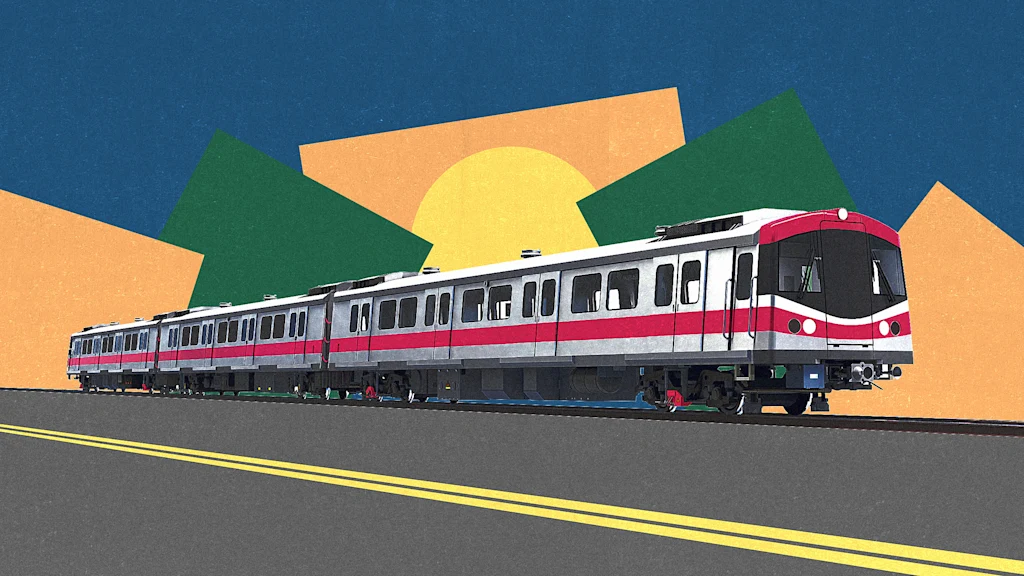
2 weeks agoRed Line car shells cleared from customs, reviving replacement project
The shells were released after U.S. Rep. Richard Neal, who represents Springfield, and Gov. Maura Healey stepped up to negotiate the release. 'For any project, we know that there are things within our control and outside our control,' said MBTA General Manager Phillip Eng, in a statement to Boston.com.
Boston

Boston
fromHoodline
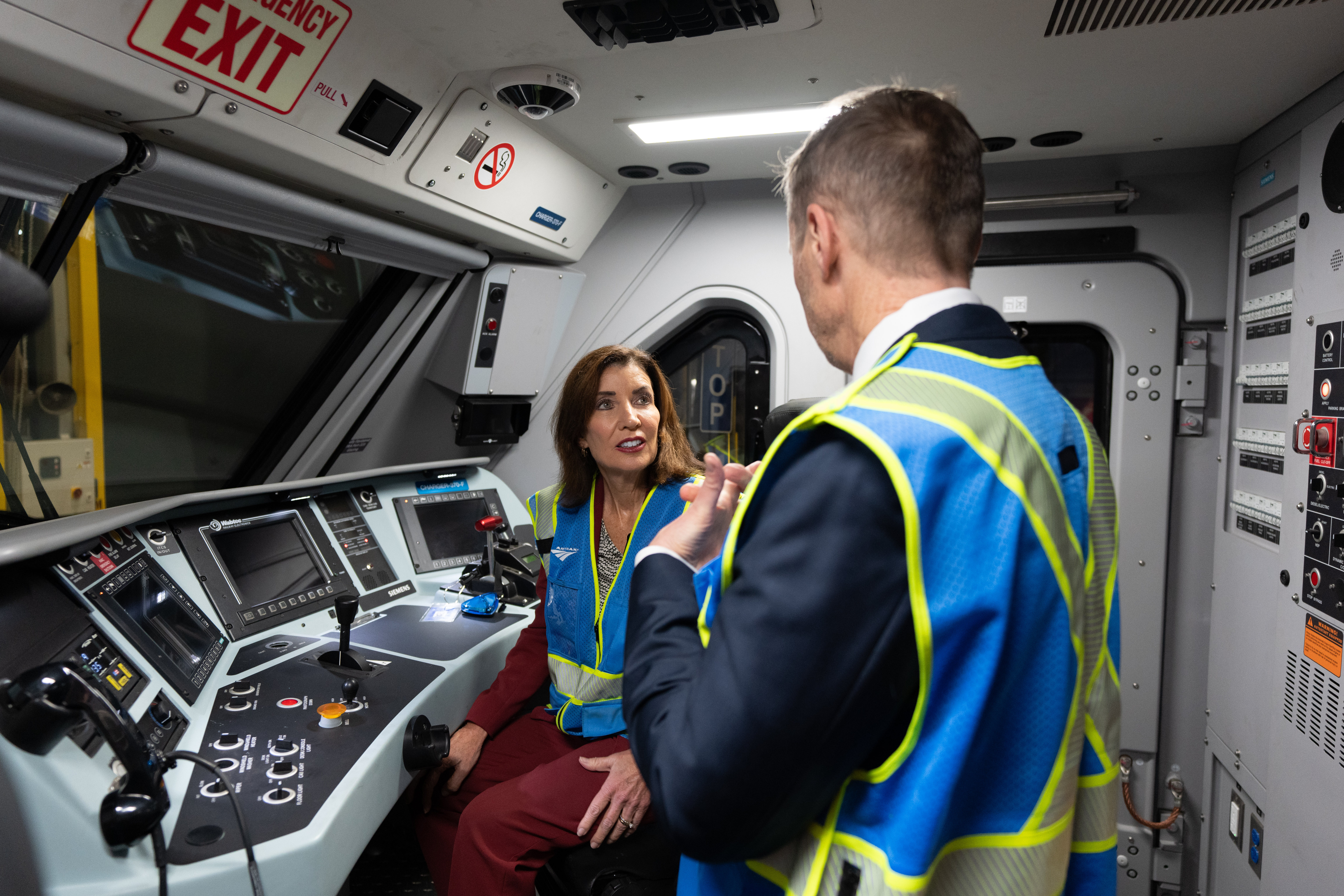
2 weeks agoMTA To Announce Major Train Purchase At Brooklyn Facility
The MTA will announce a major railcar purchase at its new Sunset Park testing facility on March 19, 2026, accelerating the retirement of aging trains and deployment of newer cars across subway and commuter systems.
fromStreetsblog
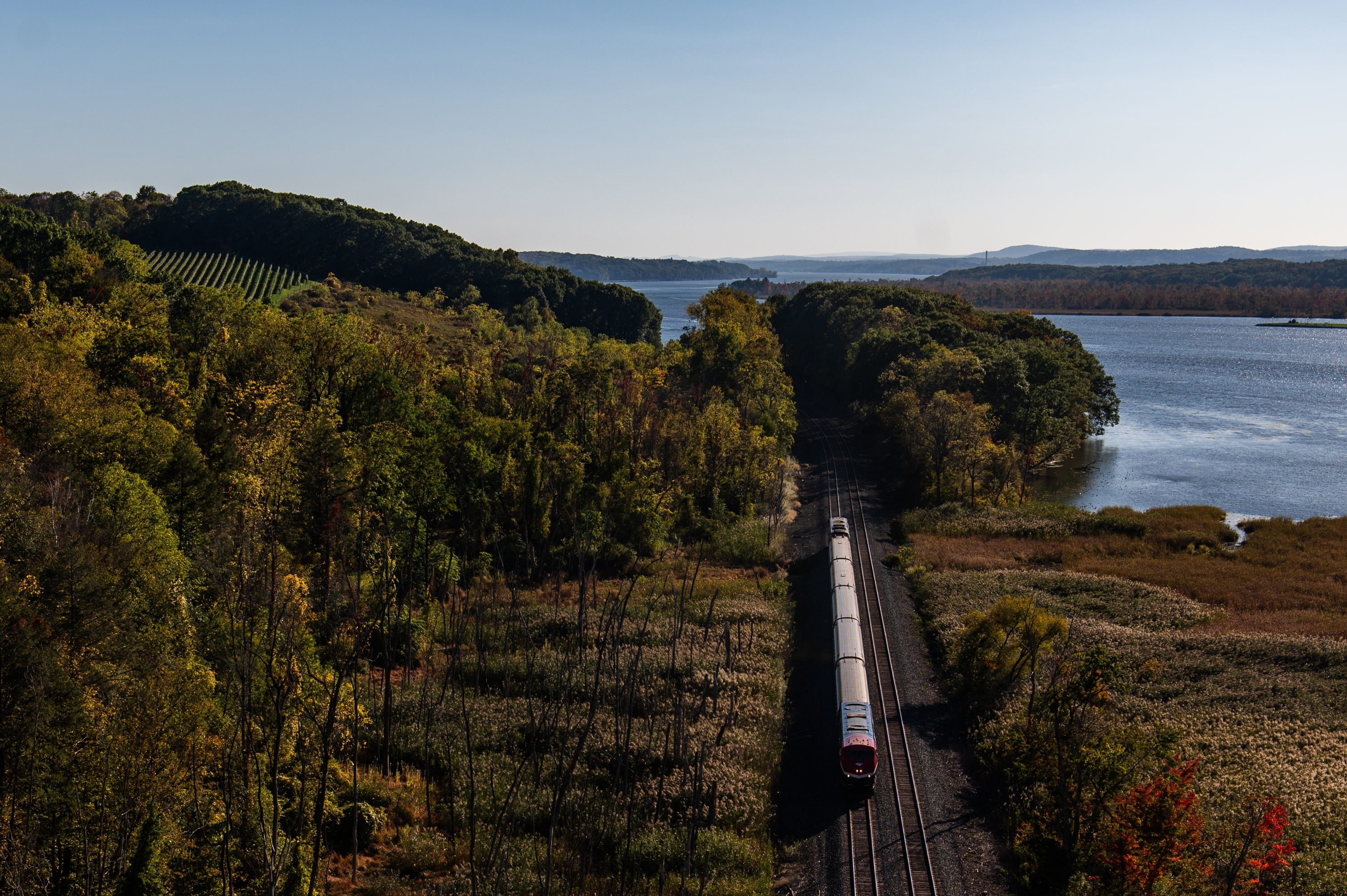
2 weeks agoOpinion: The Federal Railroad Administration's Proposed Amtrak Restructuring is Worth Considering - Streetsblog USA
While dozens of other countries have delivered fast, modern train networks, we are stuck with a skeletal system built largely on slow, 19th-century alignments. Even developing nations are passing us by. There is growing recognition at the federal level that things need to change, but substantial and comprehensive reform would require an act of Congress.
Alternative transportation

NYC real estate
fromGothamist
4 weeks agoTrump could transform transit in NYC with Penn Station and Sunnyside Yard plans
Trump administration's infrastructure initiatives create unprecedented opportunity for NYC's largest commuter rail expansion in a century, including through-running connections and a major new hub in Sunnyside, Queens.
Washington DC
fromStreetsblog
2 weeks agoAdvocates Get D.C. Mayor To Release Buried Report On The Potential Benefits Of Congestion Pricing - Streetsblog USA
Washington D.C.'s delayed congestion pricing report projects 11% traffic reduction, 30% transit increase, and $667 million in revenue, yet Mayor Bowser refuses implementation despite legal mandate to release findings.
fromParade
1 month agoPending Change to NYC Subways Has New Yorkers Begging, 'Please God No'
Disgruntled travellers were quick to point out that half the time you "can't even hear what the conductor says" between busted speakers and crackling audio transmissions, while some expressed concern that "condition[ing] riders to ignore audio messages" could pose a safety risk when it comes to emergency announcements.
Miscellaneous
fromWashingtonian - The website that Washington lives by.
2 weeks agoThe Broken Sewer Line That Filled The Potomac River With Poop Has Been Repaired. What Happens Next? - Washingtonian
After 55 days of construction, which involved enough gravel to cover four football fields and enough fuel to power a dozen homes for a whole year, the pipe is once again funneling sewage from Fairfax and Loudoun Counties to the Blue Plains Advanced Water Treatment Plant in Southwest DC.
Washington DC
fromWashingtonian - The website that Washington lives by.
2 weeks agoNumber Go Up: Check out Our Gallery of DC Area Gas Prices - Washingtonian
According to AAA, the average regular gas price as of March 16 is $3.72 per gallon-up $0.24 from a week ago, and nearly $0.79 from this time last year. CNN reports that the 26.9 percent gain in US gas prices over the past month is the largest monthly increase since Hurricane Katrina.
Washington DC
San Francisco
fromStreetsblog
1 month agoOp-Ed: Include Automated Metro as Option in Geary Subway Planning - Streetsblog San Francisco
San Francisco's Geary/19th Ave Subway study may overlook automated light metro as a cost-effective alternative by prioritizing regional connectivity requiring expensive conventional trains.
Alternative transportation
fromArchDaily
1 month agoRural Transportation Hubs: Infrastructure Design, Access, and Regional Mobility
Rural transportation hubs are vital national infrastructure anchors that require distinct architectural and operational models reflecting dispersed populations and freight-dominant needs, not urban replicas.
fromSFGATE
1 month agoCalifornia county considers adopting costliest transit ride in the state
The San Diego Metropolitan Transit System faces a roughly $500 million funding gap over the next four years, but it's not due to diminishing services. Regional riders are enthusiastic about the transit system - it has one of the fastest growing riderships in the country and ranks third for the number of passenger trips and passenger miles in California. However, like other major transit agencies such as BART, the MTS kept things moving after the pandemic through one-time emergency funds from federal and state subsidies.
California
fromForbes
1 month agoTransit-Oriented Housing On Track For Continued Growth
Once a nice-to-have niche urban design concept, TOD has become an essential part of many urban neighborhoods. It has helped address the shortage of housing by enabling the development of higher-density residential communities near transit stations. It has helped revitalize countless once-deteriorating or static urban enclaves near transit hubs by activating sidewalks near the developments. And it has spurred walking and transit use, enabling residents of TODs to reduce or eliminate automobile dependency.
Real estate
New York City
fromwww.amny.com
3 weeks ago14th Street busway redesign: NYC asks public for input on adding bike lanes, improved infrastructure | amNewYork
Manhattan's 14th Street busway will be upgraded with bike lanes, improved bus stops, and enhanced pedestrian spaces through a public comment process launching this month.
Los Angeles
fromLos Angeles Times
1 month agoComing soon: L.A. Metro stops that connect downtown to Beverly Hills, Miracle Mile
Metro opens three new Purple Line stations connecting downtown Los Angeles to Beverly Hills on May 8, marking the first phase of a rail extension project beneath Wilshire Boulevard.
fromStreetsblog
1 month agoWhen The Suburbs Want To Opt Out of Funding Regional Transit - Streetsblog USA
A vote six years in the making that would decimate the Dallas Area Rapid Transit system might soon be called off, potentially averting a major funding crisis for the agency - though advocates say there's more work to be done to make sure every DFW resident has the mass mobility options they deserve. Since the beginning of the decade, a handful of wealthy, sprawling suburban cities in the greater Dallas metro have been fighting
US politics
fromStreetsblog
1 month agoTalking Headways Podcast: The Future of Transit - Streetsblog USA
This huge law that we've passed in 2021 - which Joe Biden said was the biggest law for public transit ever and was this enormous investment in inner city rail - ultimately panned out to have very minimal effects. There has been some increase in highway construction. But when it comes to transit investment, unfortunately the country is going in the wrong direction.
Alternative transportation

fromPadailypost
2 months agoSan Francisco wants Caltrain to be independent of San Mateo County
San Francisco Supervisor Shamann Walton, who sits on Caltrain's board, wants Caltrain to work "step by step toward becoming an independent regional agency," he said in a memo to fellow board members last month. The Caltrain board includes three members each from San Francisco, San Mateo and Santa Clara counties - the three counties where the rail service operates.
California
fromThe Oaklandside
2 months agoClipper 2.0 off to a rocky start
The Clipper system serves BART, AC Transit, and 22 other Bay Area transit systems, with more than 1.2 million cards in use in December 2025, the last month for which Clipper data is available. Since the Clipper Card upgrade rolled out on December 10, users have been venting to The Oaklandside. Some people have said they've been unable to access the digital cash balance they had before the upgrade; others have said their cards became inoperable or they had difficulty adding money to them.
East Bay (California)
Real estate
fromStreetsblog
2 months agoOp/Ed: More Questions About San Diego's Airport-Downtown People Mover, Answered - Streetsblog California
Blue and Green Lines require 5-minute frequencies to provide sufficient capacity for projected population and job growth where train lengthening is impossible.


US news
fromSustainable Bus
2 months agoHRT expands on-demand transit services with Via in Hampton Roads, Virginia (USA) - Sustainable Bus
HRT expanded its app-based OnDemand microtransit to Chesapeake and Hampton, extended Newport News service, operating through October 2026 with $2 fares and free launch rides.
fromStreetsblog
2 months agoPassenger Rail Is Headed for a Reckoning - and the First 90 Days of 2026 Will Decide It - Streetsblog USA
Let's start with the biggest issue on the horizon: the proposed merger of Union Pacific and Norfolk Southern. Yes, the ultimate decision is about a year away. But sides are lining up for and against, and right now, the Surface Transportation Board, which is colloquially known as STB -- the railroads' economic regulator -- is considering the details of how the rules governing that decision will be applied.
US politics
fromABC7 San Francisco
1 month agoBART considers layoffs, station closures, reduced services, to balance budget deficit
The agency is facing an annual deficit of nearly $400 million, with ridership levels decreasing since the COVID-19 pandemic and remote work trends. The agency presented the worst-case scenarios. Phase 1 in Jan of 2027 would include closing the 10 stations with the lowest ridership. During Phase 2 in July of 2027, up to 15 stations could shut down with a 50% fare increase. Train service would stop altogether under Phase 3.
US news
New York City
fromQNS
2 months agoMTA announces substantial completion of $15M upgrade project at Laurelton LIRR station - QNS
Laurelton LIRR station completed a $15 million renovation delivering ADA access, a new elevator, safety upgrades, and improved pedestrian facilities for nearly 70,000 monthly riders.
fromwww.amny.com
1 month agoOp-Ed | It's time to bring updated transit to Harlem | amNewYork
Residents of East Harlem's El Barrio have waited 80+ years for the Second Avenue Subway. The Trump administration could force them to wait even longer as it withholds federal funding for regional infrastructure projects over an alleged naming issue, no less. It's outrageous, it's unfair, and the MTA backed by Governor Hochul won't stand for it. We're at a pivotal moment for the project sixth months after awarding our largest-ever tunneling contract back in August.
US politics
fromwww.npr.org
1 month agoWhat we know about the massive sewage leak in the Potomac River
Approximately 243 million gallons of wastewater has overflowed from the pipe that collapsed on January 19 in Montgomery County, Md., according to a release from DC Water. That translates into 368 Olympic-sized swimming pools worth of sewage. The brunt of this surge happened in the first five days, before interim bypass pumping was activated a system that reroutes sewage around the damaged section.
US news
New York City
fromwww.amny.com
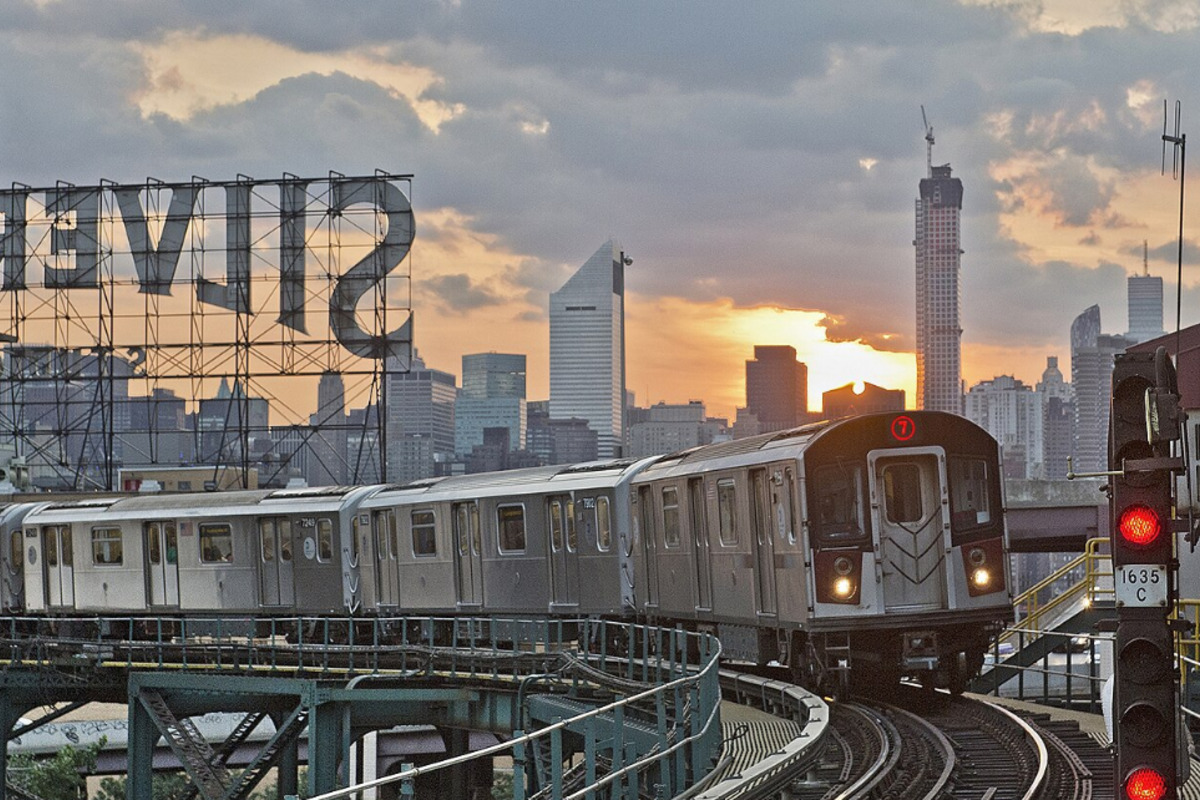
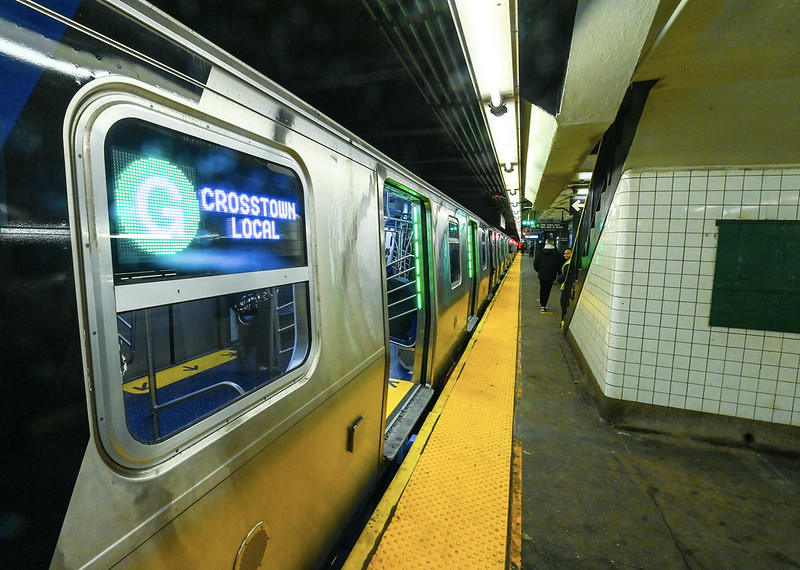
2 months agoAn even bigger NYC subway system? Why transit experts say Mayor Mamdani should focus on that rather than fare-free buses amNewYork
Invest $1 billion annually to expand the NYC subway by 41 miles and 64 stations to eliminate transit deserts and spur 167,064 housing units.
[ Load more ]