#radical-nonviolence
#radical-nonviolence
[ follow ]
#civil-rights #jesse-jackson #martin-luther-king-jr #voting-rights #protests #civil-disobedience #social-media
fromTruthout
3 days agoRupture and Repair Under Fascist Conditions
"We have a great opportunity in our movements to learn how to be opponents without being enemies," says Tanuja Jagernauth. This perspective emphasizes the importance of maintaining respect and understanding even amidst conflict.
Social justice
Mindfulness
fromTNW | Opinion
2 weeks agoThe most radical act in an age of outrage is to play
Deliberate manipulation through social media and engineered news cycles creates division and emotional volatility, but reconnecting with simple human activities like play offers resistance to this conditioning.
Environment
fromTruthout
3 weeks agoEnvironmental Activists Say the FBI May Be Investigating Them
FBI counterterror investigators are scrutinizing nonviolent climate activist groups like Extinction Rebellion NYC, raising concerns about federal law enforcement targeting constitutionally protected protest and free speech activities.



fromAdvocate.com
3 weeks agoThese moms are risking arrest to protect gender-affirming care for trans youth
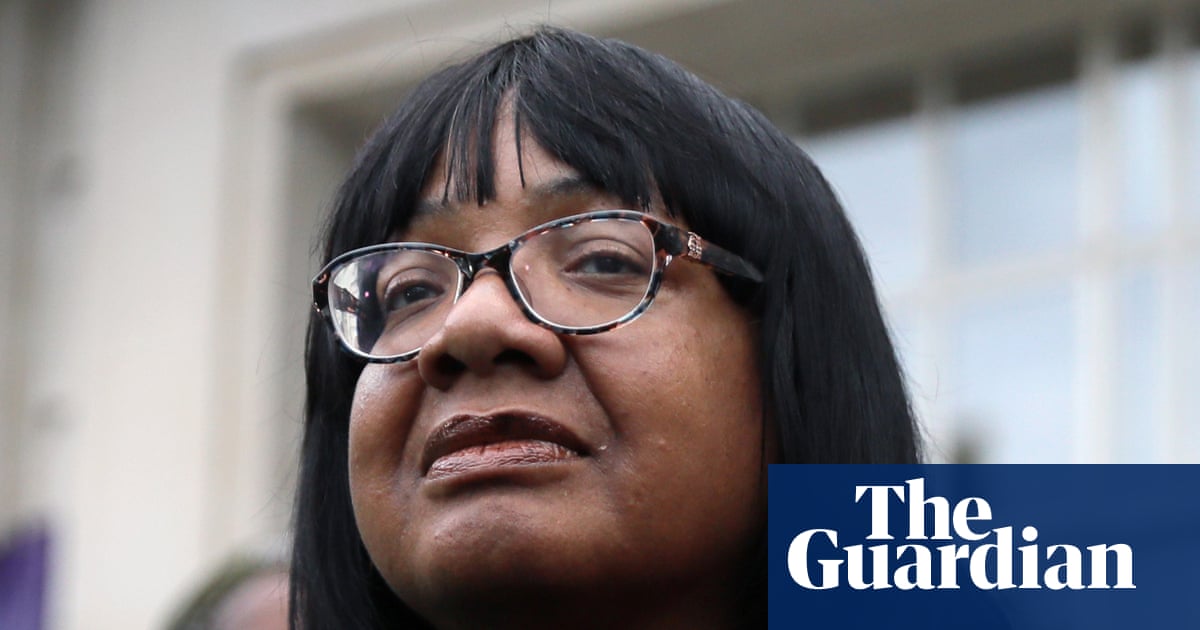
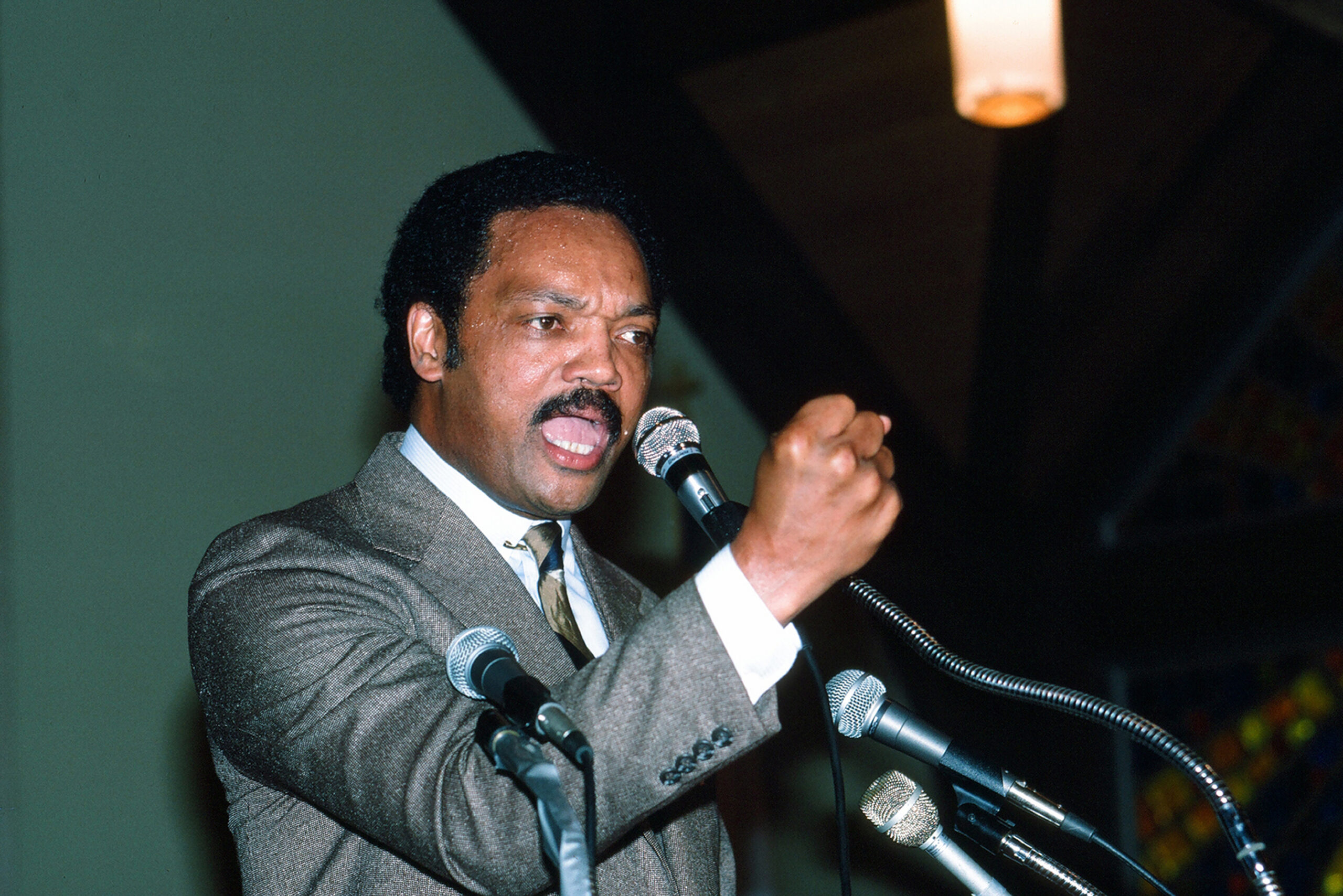
Parents and grandparents of trans youth, plus their therapists and medical providers, are fed up after years of health care bans and hostile rhetoric. Those feelings are driving them to do things they've never done before - like plan to get arrested at a protest.
Social justice
fromTruthout
1 month agoMass Protests Urged Following Failed War Powers Act Vote in the Senate to Stop War in Iran
Today every senator, every single one, will pick a side: Do you stand with the American people who are exhausted of forever wars in the Middle East? Or stand with Donald Trump and Pete Hegseth as they bumble us headfirst into another war?
US politics
fromTruthout
1 month agoThe Science of Unlearning And Why Organizers Need It
Real change rarely happens through debate or persuasion. Instead, transformation grows out of relationships, shared struggle, cognitive dissonance, and practice. Together, Kelly and Lewis explore what organizers can learn from the science of neuroplasticity, the role of rupture and confrontation, and why movements need to focus less on 'changing minds' and more on creating conditions where people can unlearn harmful beliefs and step into collective action.
Social justice
fromwww.npr.org
2 months agoMartin Luther King Jr. had a dream ... about health care
They offered a rare window into the lives, struggles and aspirations of African Americans, and a way for me to feel connected to a community far beyond my immediate environment. Through Ebony, I was introduced to towering figures such as Dr. Martin Luther King Jr. and Supreme Court Justice Thurgood Marshall. Their courage, moral clarity and commitment to justice shaped how I thought leadership and service.
Public health




Social justice
fromFortune
2 months agoI've studied nonviolent resistance in war zones for 20 years and Minnesota reminds me of Colombia, the Philippines and Syria | Fortune
Organized, disciplined nonviolent community action and mutual aid can protect migrants from violent immigration enforcement but requires courage and carries real risk.
fromThe American Conservative
2 months agoRelive The Civil Rights Era. Send in The Troops
In any liberal morality play, Democrats always get to be the shivering, oppressed black people, while Republicans have to play the part of Bull Connor, Birmingham, AL's racist commissioner of public safety. Except the facts are exactly the opposite. I'm sure you're bored of hearing this, but Connor was a Democrat, as were all the politicians promising "massive resistance" to racial integration. Republicans were the ones forcing Democrats to abide by federal law, along with a few John Fetterman- style Democrats.
Right-wing politics
fromThe Conversation
2 months agoBuilding 'beloved community': Remembering the friendship between Martin Luther King Jr. and Buddhist monk Thich Nhat Hanh
My new book, " On Mindful Democracy: A Declaration of Interdependence to Mend a Fractured World," is inspired by King and Hanh's friendship. These two men bonded over the shared insight that how we show up for each other matters, as does how we advocate for social change. In his sermon " Loving Your Enemies" King announced, "Hate cannot drive out hate, only love can do that." Hanh taught: There is no way to peace, peace is the way.
Philosophy
fromYogaRenew
1 month agoThe Yoga of Dr. Martin Luther King Jr.
For it is in examining the people like Dr. King, that we can see how yoga can not just make us feel calmer and more peaceful, but can really affect change in a world that is in deep need of healing. By his words, and more importantly his actions, Martin Luther King Jr. showed many of the principles that are central to and deeply embedded in yoga philosophy.
Philosophy
fromPsychology Today
2 months agoHow Can We Change the World?
There's a myth in our society that real change requires force, strength, and domination. We celebrate athletes, CEOs, and politicians who crush their opponents. But history tells a different story. Lasting social change has often been triggered by humble people whose weapons were passion, principle, and an unwavering commitment to justice and the truth - not the truth we see on TV or read in print media, but rather the truth that we feel deep inside ourselves.
Social justice
US politics
fromNonprofit Quarterly | Civic News. Empowering Nonprofits. Advancing Justice.
2 months agoWomen's Rights Under Siege-but We've Come Too Far to Go Back | Nonprofit Quarterly | Civic News. Empowering Nonprofits. Advancing Justice.
Legal, economic, and cultural gains for women are being actively rolled back, requiring state-level organizing to protect and advance rights.
fromNonprofit Quarterly | Civic News. Empowering Nonprofits. Advancing Justice.
1 month agoPhilanthropy Must Defend the Right to Bear Witness | Nonprofit Quarterly | Civic News. Empowering Nonprofits. Advancing Justice.
"Are you okay?" These were Alex Pretti's last words, said to a woman after ICE agents had tackled and pepper-sprayed her. Videos from bystanders show Pretti holding up a phone, attempting to document what was happening before he himself was pepper-sprayed, wrestled to the ground, and killed by those officers. He lost his life not for committing violence, but for documenting it, and stepping in to protect someone facing it.
US politics
US politics
fromABC7 Los Angeles
2 months agoThe current US political climate is spurring a 'reclaim' and rallying on the MLK holiday
Martin Luther King Jr. Day observances continue amid escalating political tensions as federal policies and enforcement actions threaten civil-rights and racial-justice gains.
US politics
fromNonprofit Quarterly | Civic News. Empowering Nonprofits. Advancing Justice.
2 months agoFrom Minneapolis to Portland: State Violence and How Communities Are Responding | Nonprofit Quarterly | Civic News. Empowering Nonprofits. Advancing Justice.
Rising state and federal violence endangers communities and democracy, prompting local coalitions to develop de-escalation, civil resistance, and community safety strategies.
fromFast Company
2 months agoHow Martin Luther King Jr. was a trailblazer in pushing for universal basic income
King's intuition was that white people with lower incomes would support this type of policy because they could also benefit from it. In 1967, King argued, "It seems to me that the Civil Rights Movement must now begin to organize for the guaranteed annual income . . . which I believe will go a long, long way toward dealing with the Negro's economic problem and the economic problem with many other poor people confronting our nation."
US politics
[ Load more ]