#radioactive-shrimp
#radioactive-shrimp
[ follow ]
#microplastics



OMG science
fromFuturism
4 days agoYou Know How Scientists Keep Finding Microplastics Literally Everywhere? Well, You'd Never Guess What Their Lab Gloves Are Coated in Straight Out of the Packaging
Skepticism grows in the scientific community regarding microplastics research due to potential methodological errors and contamination issues.

fromwww.theguardian.com
4 days agoFederal God squad' exempts oil and gas drilling in Gulf of Mexico from endangered species rules
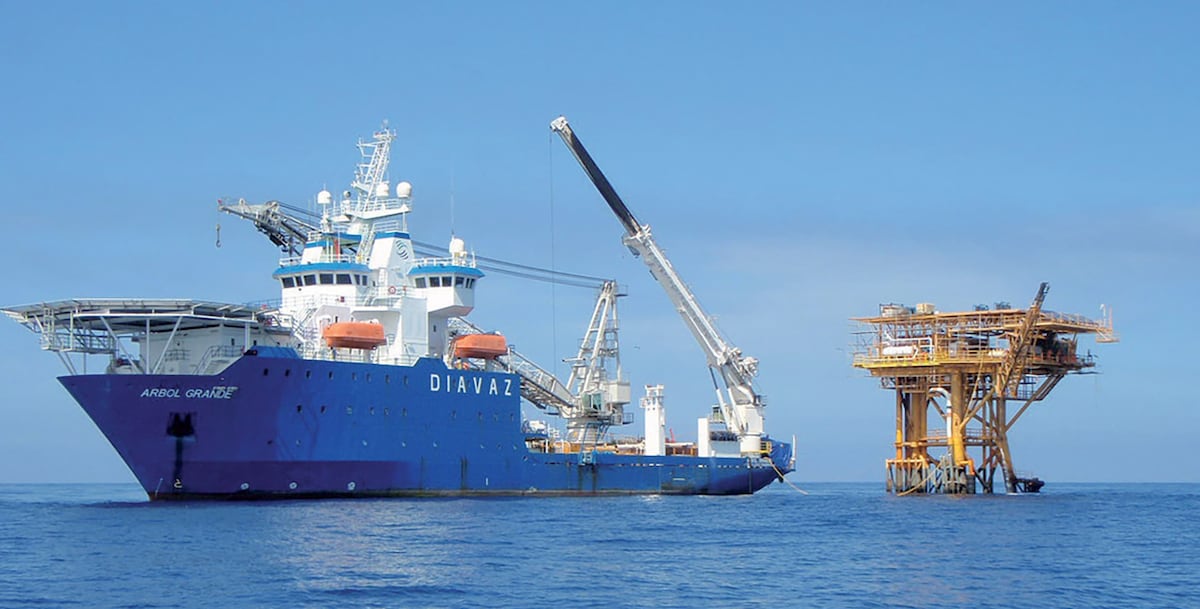
The Endangered Species Committee voted to approve the request for the ESA exemption at the request of the defense secretary, Pete Hegseth. Hegseth has said environmentalists' lawsuits against the industry threatened to hobble the nation's energy supply, while environmentalists fear drilling could kill off protected species including Rice's whales, whooping cranes and sea turtles.
Environment
Food & drink
fromTasting Table
2 weeks agoThe Popular Seafood Appetizer That Restaurant Workers Say They Don't Order - Tasting Table
Health authorities recommend eating only cooked oysters due to risks from Vibrio bacteria, Salmonella, and norovirus that cannot be detected by appearance, smell, or taste.
fromwww.npr.org
3 weeks agoCountries are negotiating rules to mine the deep sea. The U.S. is pushing ahead alone
These polymetallic nodules, as they're known, take millions of years to form, slowly accumulating metals like nickel, cobalt and manganese. That's made them a target for mining companies, looking to feed the world's growing hunger for materials that go into advanced batteries and other technologies.
US news
fromThe Takeout
4 weeks agoYour Guide To The Types Of East Coast Oysters - The Takeout
Generally, East Coast oysters are brinier than West Coast oysters. Eastern oysters, raised either in the Atlantic Ocean or in its estuaries, live in a much saltier environment. West Coast oysters are mostly raised in protected bays, estuaries, and tidal rivers, where there is much less salt.
Silicon Valley food
Alternative medicine
fromNatural Health News
3 months agoBottled water contains hundreds of thousands of invisible NANOPLASTICS, study finds
Bottled water contains approximately 240,000 microscopic plastic particles per liter, mostly nanoplastics small enough to enter human cells, originating primarily from bottles and filtration systems.
SF food
fromTasting Table
2 weeks ago8 Seafood Chains With The Worst Quality Fish, According To Reviews - Tasting Table
Chain restaurants serve low-quality seafood that falls below acceptable standards, with Long John Silver's exemplifying poor fish preparation through excessive battering and unappetizing presentation.
fromArs Technica
4 weeks agoFishing crews in the Atlantic keep accidentally dredging up chemical weapons
Recovered CWMs continue to pose worker and food safety risks. Because of ocean drift, storms, and offshore industries, sea-disposed CWMs locations are largely unknown and potentially far from their originally documented dump site. The three incidents exposed at least six crew members to mustard agent, which causes blistering chemical burns on skin and mucous membranes.
Miami Marlins
Agriculture
fromEater
1 month agoHow One Farm Raises the Rarest, Most Expensive Mollusk in America
The Cultured Abalone Farm in Santa Barbara is the primary source of commercially farmed red abalone in the U.S., supplying restaurants nationwide while supporting conservation efforts for nearly extinct wild populations.
SF food
fromCbsnews
3 weeks agoRaw oysters and clams recalled in 9 U.S. states over possible norovirus contamination
Federal officials recalled clams and oysters from nine states due to norovirus contamination risk, with products harvested in February and March appearing normal despite potential illness.
Environment
fromwww.scientificamerican.com
2 weeks agoCrabs are cannibalizing one another with surprising rapacity in parts of the Chesapeake Bay
Blue crabs in Chesapeake Bay cannibalize each other at such high rates that they are their own primary predatory force, accounting for 97 percent of crab deaths and injuries over a 36-year study.
Environment
fromwww.theguardian.com
3 weeks agoStripped of life: the deadly South Australian algal bloom is still spreading one year on
Australia's worst algal bloom, caused by rare toxic Karenia cristata, has persisted for a year along South Australian coasts, killing millions of marine creatures and threatening extinction of endemic leafy sea dragons.
SF food
fromTasting Table
1 month agoThis Popular Canned Seafood Is Cheap, But Customers Say You're Better Off Leaving It On The Shelves - Tasting Table
StarKist Chunk Light Tuna in Water receives widespread criticism for poor taste, quality decline, and occasional bone contamination, making it a canned tuna product to avoid.
fromenglish.elpais.com
3 weeks agoAn oil spill in the Gulf of Mexico is met with two weeks of evasive responses
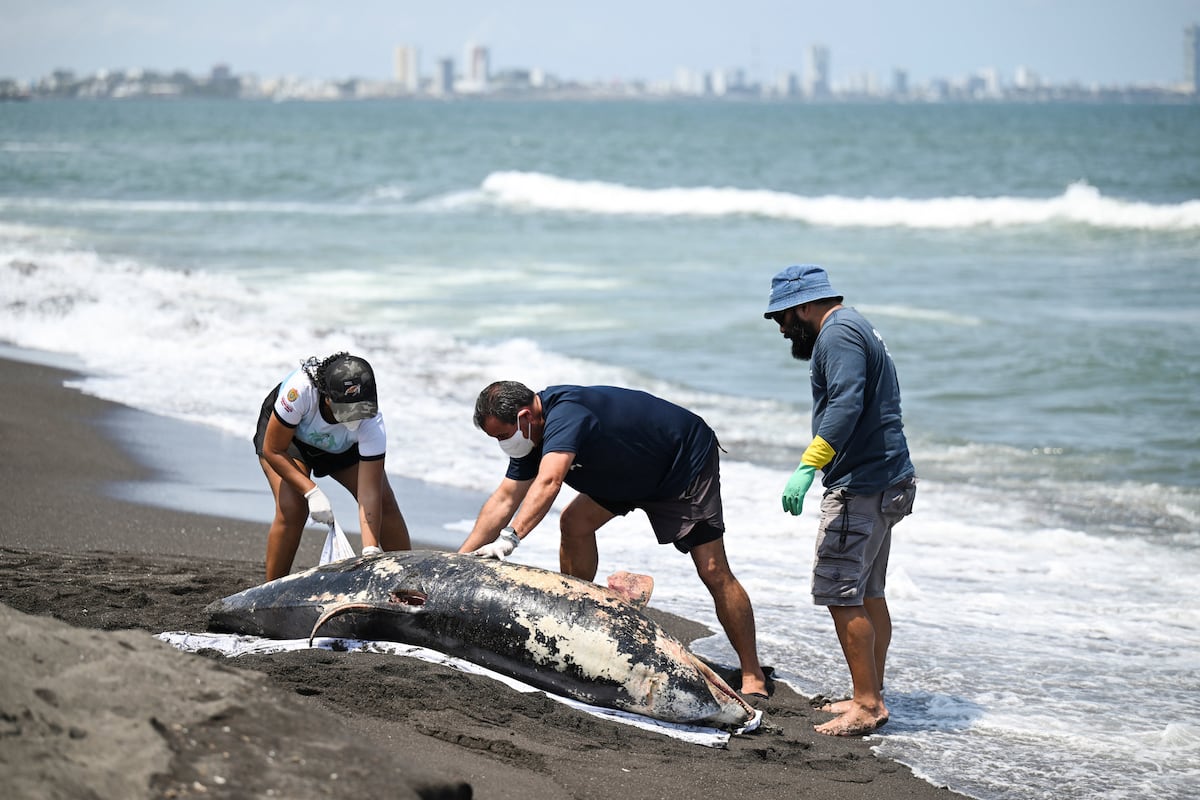
Beaches, mangroves, fish, turtles and manatees. Little by little, oil has coated them all. About two weeks have been enough for the sticky black residue to permeate everything in its path. Its advance has been met with an outcry. Since the first fishermen in the Gulf of Mexico reported the discovery of chapapote (petroleum residue) in their nets on March 2, the progression has been documented by the affected communities.
Environment
Food & drink
fromTasting Table
2 months agoKeep An Eye Out For This Seafood-Label Red Flag At The Grocery Store - Tasting Table
Check seafood for off smell or color, suspicious price, unsanitary displays, additives like phosphates, mislabeling, and proper certifications to avoid poor-quality or fraudulent seafood.
fromenglish.elpais.com
2 months agoSharks become easy prey for criminal groups
In February 2023, an article in the Mexican press announced the capture of a vessel some 195 nautical miles from the port of Lazaro Cardenas in the state of Michoacan. It had been carrying nearly 700 pounds of cocaine packaged in plastic-wrapped bricks, in addition to 1,650 liters of hydrocarbons in 33 plastic containers. Two Ecuadorian fishermen were among the five detainees, and their immigration records showed unusual activity.
Law
fromwww.theguardian.com
2 months agoPesticides may drastically shorten fish lifespans, study finds
Signs of ageing accelerated when fish were exposed to the chemicals, according to the study, which could have implications for other organisms. Chemical safety regulations tend to focus on short-term exposure to high doses of pesticides and other chemicals, but the study focused on long-term exposure. Low doses of pesticides are widespread in the environment, so their effects should be studied and understood, the authors said.
Science
fromTasting Table
2 months agoWhen Buying Seafood, It's A Major Red Flag If You Can't Find These Certifications On The Packaging - Tasting Table
Consumers must be aware that seafood fraud, in which vendors label cheaper fish as products of higher quality and price, is common practice. According to Oceana, fish is mislabeled 25 to 70% of the time, especially when it comes to prized fish like wild salmon and Atlantic cod. Those of us who care about the environment are also concerned with traceability,
Food & drink
fromBoston.com
2 months agoParts of Boston Harbor meet shellfish consumption standards for first time in 100 years, state says
For the first time in a century and after a multi-billion-dollar, decades-long clean-up, parts of the once toxic Boston Harbor waters meet water quality standards that will allow for direct harvest and human consumption of shellfish. The announcement came from the state's Division of Marine Fisheries at the start of the year. DMF said that water quality has improved significantly enough that both commercial and recreational shellfishers will be allowed to harvest shellfish for personal use or direct sale to consumers.
Public health
fromTasting Table
2 months agoThe Difference Between Saltwater Vs Freshwater Shrimp - Tasting Table
When it comes to the list of the most popular seafood in the U.S., shrimp is far and away the most consumed. While we tend to think of seafood as coming from saltwater oceans, this list also includes freshwater fish, clams and shrimp. It's true that most of shrimp we eat comes from saltwater habitats, but freshwater shrimp has its place at the table. Setting aside the distinction between shrimp and prawns, there are some key differences between freshwater and saltwater shrimp that you should know.
Food & drink
Environment
fromwww.theguardian.com
1 month agoChronic ocean heating fuels staggering' loss of marine life, study finds
Chronic ocean warming reduces fish biomass by 7.2% per 0.1°C of seabed warming per decade, with marine heatwaves masking long-term decline through temporary population booms in cold-water regions.
Environment
fromABC7 San Francisco
1 month agoTracking fisherman to track fish: The new technological approach to better understand ocean life
Global Fishing Watch uses AIS transponder data and artificial intelligence to track fishing vessels worldwide, providing unprecedented visibility into global fishing fleet movements and activities.
Environment
fromwww.montereyherald.com
1 month agoFinding Sanctuary: Ranking the most wanted kelp forests
Northern California kelp forests have declined dramatically, central California shows patchy loss; small-scale restoration cannot offset losses, requiring prioritization and high-resolution monitoring.
Environment
fromABC7 San Francisco
1 month agoHere's how newly approved pop-up traps could extend Bay Area crab season: 'A hard-fought battle'
Ropeless pop-up crab traps received statewide approval in California, allowing commercial fishing while reducing whale entanglements and enabling reliable, trackable deployments.
Environment
fromTravel + Leisure
2 months agoThese Popular Beach Destinations Are Facing a Seaweed Crisis-Here's How They Can Be Dangerous
Recurring sargassum inundation has caused multi-million to billion-dollar economic losses to tourism, recreation, and fisheries in Puerto Rico, the U.S. Virgin Islands, and Florida.
[ Load more ]