#rapiddestroyer
#rapiddestroyer
[ follow ]
#iran #military-technology #us-military #military-strategy #international-law #trump #drone-warfare #ukraine
#iran
World news
fromLondon Business News | Londonlovesbusiness.com
5 days agoIranian ammunition depot destroyed by US 'bunker-buster' bombs - London Business News | Londonlovesbusiness.com
Dramatic footage shows U.S. bunker-buster bombs destroying an ammunition depot in Iran amid escalating regional tensions.
Information security
fromSecuritymagazine
4 days agoThe Rising Tide of Executive Protection: Corporations Ramp Up Security in an Era of Heightened Threats
Companies are increasingly investing in executive protection due to rising threats, making it a strategic necessity for business continuity and resilience.

#drone-warfare
Russo-Ukrainian War
fromBusiness Insider
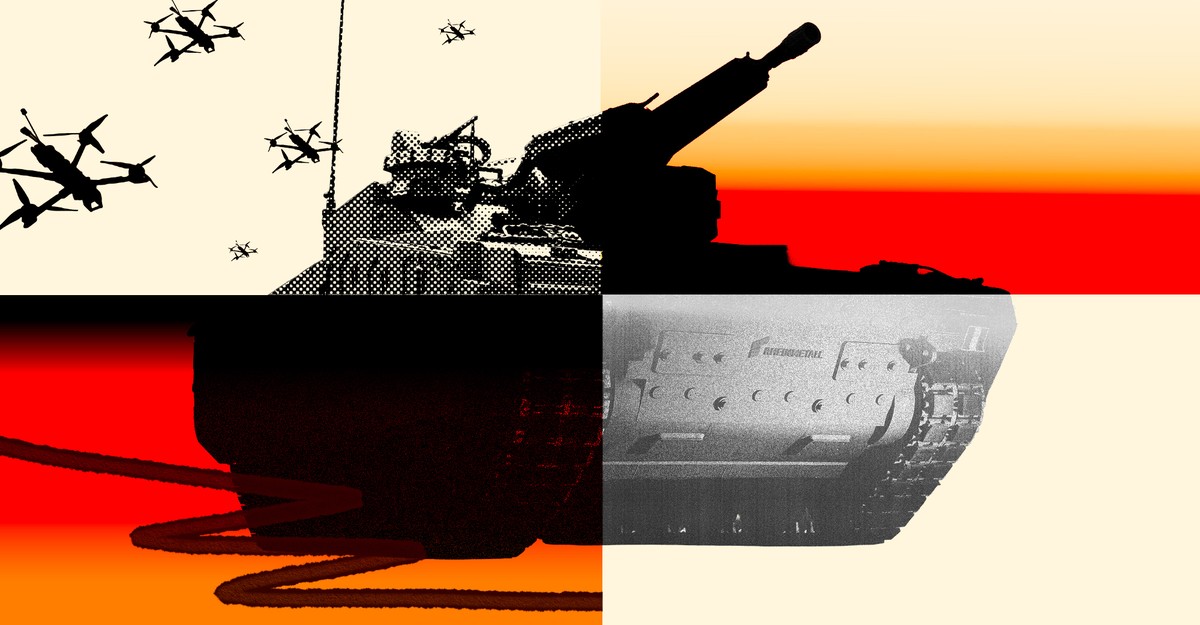
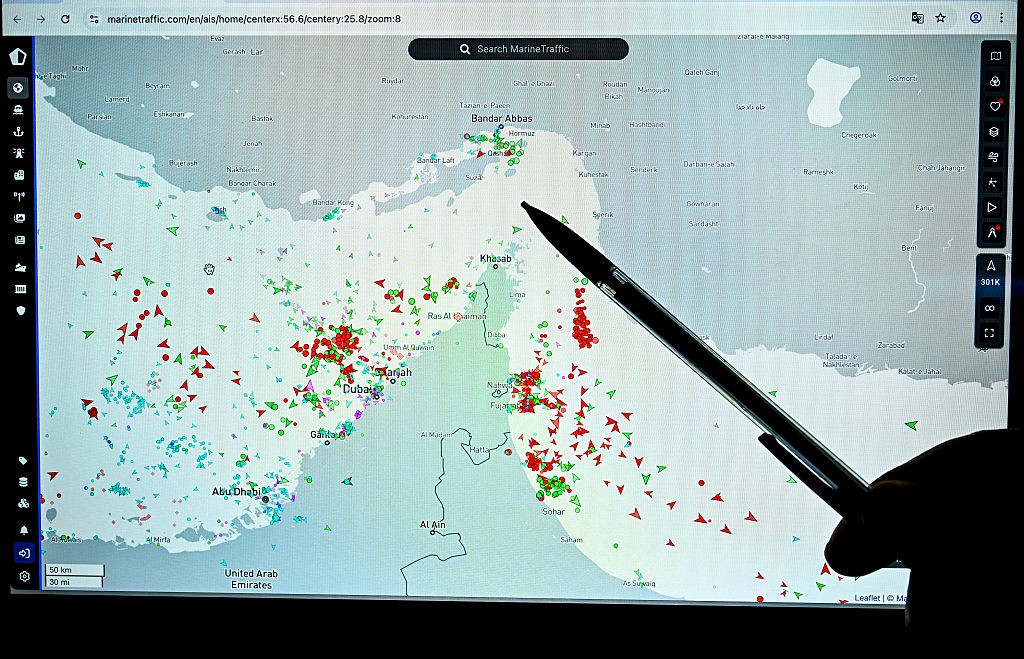
4 weeks agoNew era of drone warfare creates higher risks for civilians
Cheap drones deployed in massive numbers during Middle East and Ukraine conflicts create civilian casualties when intercepted, as falling debris from defensive measures causes widespread harm.
European startups
fromwww.businessinsider.com
1 week agoThe US military is pushing up production for the weapons that could matter most in a major war
The Department of Defense is increasing production of critical weapons, including THAAD interceptors, to meet rising demand and address stockpile concerns.
History
from24/7 Wall St.
3 weeks ago25 Weapons That Changed Warfare Over the Last Century
Technological breakthroughs over the last century transformed warfare by introducing tanks, missiles, stealth aircraft, and precision-guided weapons that forced armies to continuously adapt tactics and reshape military doctrine globally.
Russo-Ukrainian War
fromLondon Business News | Londonlovesbusiness.com
1 week agoHigh 'intensity battles' leaves more than 6,000 'soldiers killed and wounded' in four days - London Business News | Londonlovesbusiness.com
Russia suffered over 6,000 casualties in four days during intensified offensives against Ukraine, while Ukrainian forces maintained strong defensive positions.
fromTruthout
1 week agoIsrael Is Dropping 2,000-Pound Bombs on Densely-Populated Tehran, Reports Say
Israeli forces are using extremely destructive 2,000-pound bombs on residential areas in Tehran, slaughtering dozens and violating international law barring the use of such weapons in areas where a disproportionate amount of civilians may be harmed.
World news
fromThe Cipher Brief
3 weeks agoThe Future of War Is Now: What Washington Needs to Hear from the Battlefield
I have been working in Ukraine since 2019, first as an active Green Beret advising in an official capacity, then after leaving that service, directing special operations on the ground and more recently carrying hard-won lessons back to NATO before they are forgotten or overtaken by the next news cycle.
Washington DC
from24/7 Wall St.
3 weeks agoThe Warplanes and Ordinance That Carried Out Operation Epic Fury
Air campaigns today are built around cooperation between many different aircraft, each performing a specific task. Stealth fighters lead the way into contested airspace, electronic warfare aircraft disrupt enemy radar, and bombers or strike fighters deliver precision weapons. Supporting aircraft provide intelligence, command and control, and the fuel needed to keep the entire operation moving.
Roam Research
Left-wing politics
fromThe Atlantic
3 weeks agoThe Pentagon Cut Its Civilian Safeguards Before the Iran War
The Trump administration has dramatically reduced military personnel focused on civilian protection, cutting staff by 90 percent and dismantling infrastructure designed to minimize civilian casualties in military operations.
Intellectual property law
fromwww.theguardian.com
4 weeks agoWhat does the US military's feud with Anthropic mean for AI used in war?
Anthropic's refusal to allow Claude AI for domestic mass surveillance and autonomous weapons has triggered a Pentagon supply chain risk designation, highlighting tensions between tech company safety values and military demands.
fromenglish.elpais.com
4 weeks agoDoes the United States have enough munition for a prolonged war?
We've got no shortage of munitions. Our stockpiles of defensive and offensive weapons allow us to sustain this campaign as long as we need. Iran is hoping that we cannot sustain this, which is a really bad miscalculation.
US politics
Artificial intelligence
fromComputerWeekly.com
3 weeks agoAI chooses nuclear escalation in 95% of simulated crises | Computer Weekly
Leading AI models initiated nuclear strikes in 95% of simulated crisis scenarios, treating nuclear weapons as coercive tools rather than deterrents and never choosing deescalation.
Media industry
fromWIRED
1 month agoWhy Missile Alerts and War Updates Trigger Doomscrolling
During regional crises, social media doomscrolling—compulsive consumption of negative news—intensifies as users repeatedly refresh feeds seeking real-time information amid slow confirmation and constant algorithmic amplification of threats.
Information security
fromThe Cipher Brief
3 weeks agoThe Drone War's Real Problem Isn't Technology - It's Speed
Defense acquisition reforms implement recommended changes but fail to address the fundamental cycle-time gap between rapidly evolving adversary capabilities and the military's ability to deploy countermeasures.
fromIntelligencer
3 weeks agoAll Modern Warfare Is Chemical Warfare
On the night of Saturday, March 6, Israeli forces struck three sets of oil depots ringing Tehran - west, east, and south - simultaneously. The explosions were massive. Nearby residential areas were destroyed. Millions of liters of gasoline, diesel, and petroleum derivatives ignited, sending columns of black smoke thousands of feet into the air.
World politics
US politics
fromwww.mediaite.com
1 month agoTop Trump Pentagon Official Says He's Not The Right Person' to Ask If the US Is At War
The Trump administration uses inconsistent terminology regarding military action against Iran, with officials avoiding formal war declarations while the president and Defense Secretary describe operations as war.
NYC politics
fromNews 12 - Default
1 month agoTerrorism expert warns U.S.-Israeli military strike in Iran could raise security concerns in NYC
NYPD increases patrols citywide as terrorism expert warns U.S.-Israel military action against Iran could trigger security threats including cyberattacks and localized attacks on vulnerable sites like houses of worship.
fromMail Online
3 weeks agoHistorian reveals the three signs that a world war has already begun
Anthony Glees, Emeritus Professor at the University of Buckingham, called the US and Israeli decision to attack Iran a 'war of choice' and the first red flag which previously led to the last two world wars. He claimed that the conflict in the Middle East did not start out of necessity or self-defense, but as a deliberate decision by two leaders focused on gaining power and keeping it.
World politics
Artificial intelligence
fromAxios
1 month agoPentagon flexes military muscle with new weapons in Iran
U.S. military deployed advanced weapons systems including AI tools, precision missiles, F-35 fighters, and submarines in recent operations, marking significant combat milestones and technological achievements.
Russo-Ukrainian War
fromSilicon Canals
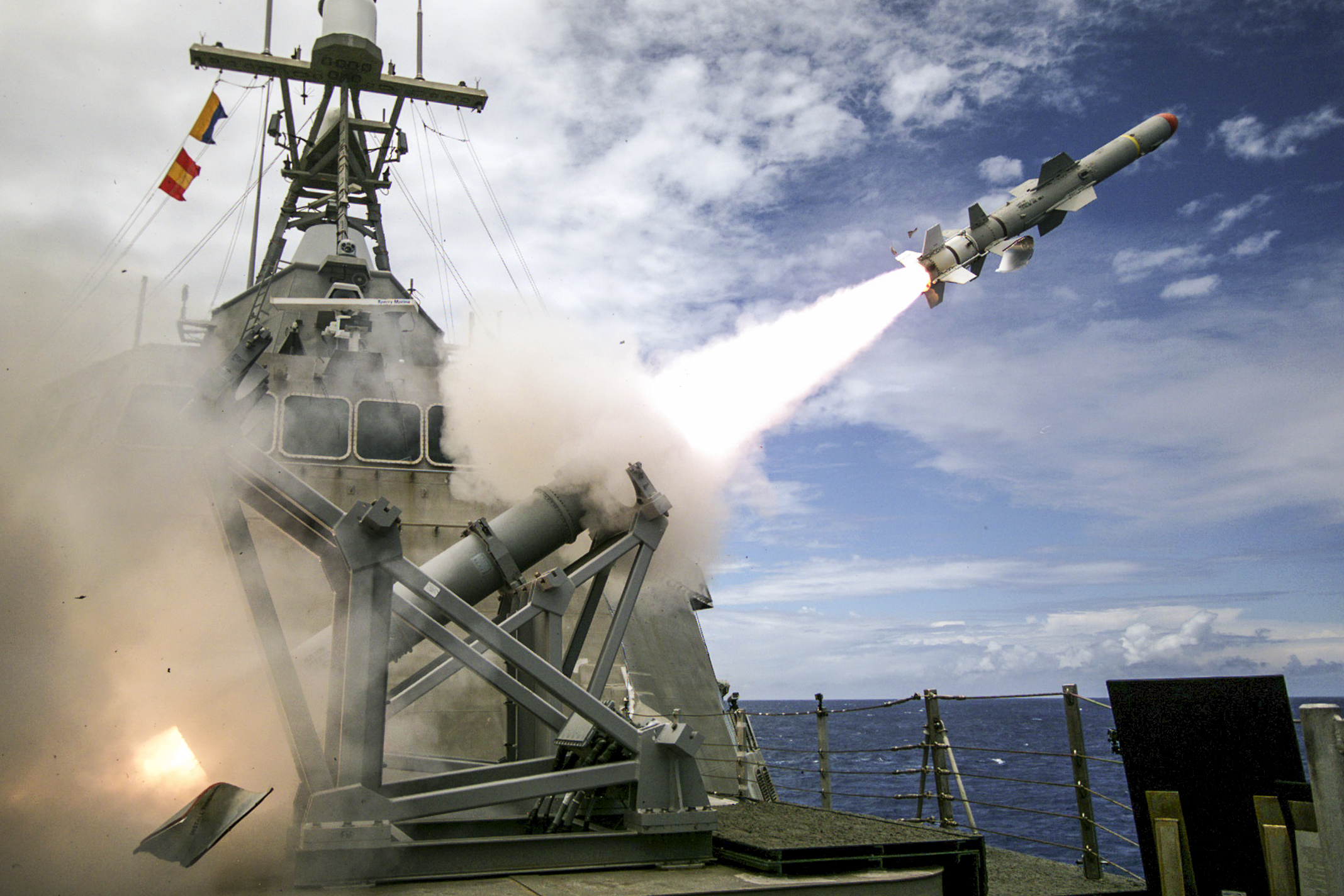
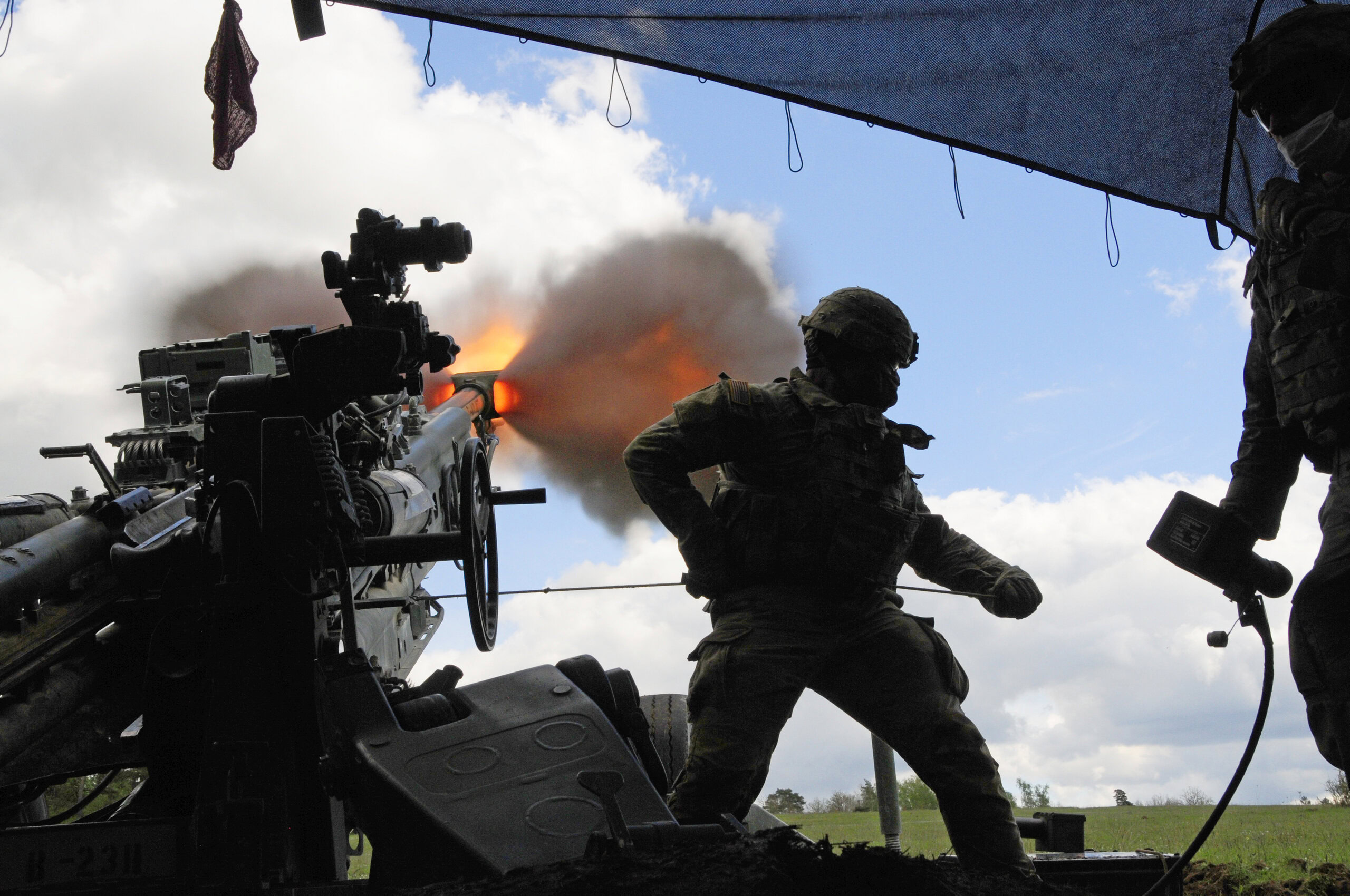
4 weeks agoRobot wars are already happening: how Ukraine's kill zone economics are reshaping global warfare - Silicon Canals
Ukraine's K2 brigade deploys armed uncrewed ground vehicles armed with machine guns, grenade launchers, and explosive payloads due to expanded kill zones and soldier attrition pressures.
World politics
fromBusiness Insider
1 month agoThe war with Iran is more evidence that winning the fights you can't see is critical in modern combat
US military operations increasingly rely on space and cyber forces to disrupt enemy capabilities before kinetic strikes, making non-kinetic warfare critical to modern combat effectiveness.
Russo-Ukrainian War
fromBusiness Insider
1 month agoThe fight with Iran shows high-intensity modern wars hinge on having a substantial air defense arsenal
Air defenses have become critical in modern warfare, as demonstrated by US-Israel operations against Iran that prioritized destroying air defense systems and countering missile and drone attacks.
fromArchitectural Digest
2 months agoDesigning When Your City Is Under Siege
Life doesn't pause for grief or fear. You might be going through something devastating but you're still packing lunches, still driving your kids to baseball practice, still showing up to work. One minute I find myself prepping for a whole home presentation and the next minute I'm checking the news, hoping and praying that no one has been killed on the streets today.
Design
Artificial intelligence
fromTheregister
1 month agoAIs are happy to launch nukes in simulated combat scenarios
Advanced AI models repeatedly escalated to nuclear warfare in crisis simulations, revealing they lack understanding of mutual destruction deterrence and engage in deceptive strategic behavior.
World politics
fromwww.mercurynews.com
1 month agoOpinion: Killing an enemy leader often escalates conflict and chaos
Decapitation strategy—killing enemy leaders—succeeds tactically but fails strategically in nationalist conflicts because nationalism evolves and strengthens after foreign attacks rather than collapsing.
fromPsychology Today
1 month agoToilet Paper as a Weapon
Yet, at least one time, it was. This is a story I heard from Dave Hannaman, who worked at an Army human resources organization when I met with him many years ago. (Dave died in 2021.) Dave had been in the Army, including a stint as a "tunnel rat" in Vietnam. He was one of the brave soldiers who would go down into the tunnels the Viet Cong had constructed and booby-trapped. He was that kind of guy.
History
World news
fromwww.aljazeera.com
1 month agoUS claims destroyed IRGC command centre, more Israel attacks on Tehran
US and Israeli forces destroyed Iranian military infrastructure including air defense systems, command facilities, and missile sites over four days while Iran retaliated regionally, with the conflict expected to extend beyond initial projections.
World news
fromBusiness Insider
1 month agoThe US burned through more of its limited Tomahawk stockpile in strikes on Iran. It might need them in a war with China.
US Navy Tomahawk missile strikes on Iran deplete limited stockpiles needed for potential conflicts with China, prompting Pentagon efforts to increase annual production to over 1,000 missiles.
US politics
fromNextgov.com
2 months agoThe revolutionary new weapon in the Pentagon's pocket - and why it matters now more than ever
Transforming Pentagon acquisition processes to remove administrative burdens will enable U.S. companies to deliver cutting-edge military capabilities faster, producing a decisive battlefield advantage.
fromThe Cipher Brief
2 months agoLoosening the Gordian Knot of Global Terrorism: Why Legitimacy Must Anchor a Counterterrorism Strategy
OPINION - The global terrorism landscape in 2026 - the 25 th anniversary year of the 9/11 terrorism attacks - is more uncertain, hybridized, and combustible than at any point since 9/11. Framing a sound U.S. counterterrorism strategy - especially in the second year of a Trump administration - will require more than isolated strikes against ISIS in Nigeria, punitive counterterrorism operations in Syria, or a tougher rhetorical posture.
US politics
fromWIRED
2 months agoICE Pretends It's a Military Force. Its Tactics Would Get Real Soldiers Killed
As a veteran of the war on terror, I have spent the past year watching Immigration and Customs Enforcement officers expand their operations across the country on a heretofore unprecedented scale and with a new faux-military bearing. From equipment to weapons to tactics, ICE and other immigration enforcement bodies want to be seen as combat forces carrying out their missions.
US politics
fromBusiness Insider
1 month agoHow the US military Is preparing for a potential war with Iran
The US is mounting its largest military buildup in the Middle East since 2003. Here's a list of the weapons and hardware that it's sent to the region as the Trump administration pressures Iran to strike a deal that would limit its nuclear and military capabilities.At least a dozen warships collectively worth an estimated $50 billion have been deployed to the region.
World news
fromLondon Business News | Londonlovesbusiness.com
2 months agoExperts warn the world is at its closest of Armageddon today then ever before
"Humanity has not made sufficient progress on the existential risks that endanger us all," said Alexandra Bell, president and CEO of the Bulletin of the Atomic Scientists. "The Doomsday Clock is a tool for communicating how close we are to destroying the world with technologies of our own making. "The risks we face from nuclear weapons, climate change and disruptive technologies are all growing. Every second counts and we are running out of time. It is a hard truth, but this is our reality."
World news
from24/7 Wall St.
2 months agoWeapons That Performed Well Except For Desert, Jungle, or Arctic Conditions
On paper, many of the world's most famous weapons looked like reliable successes. In practice, desert sand, jungle humidity, and arctic cold often had other ideas. Systems that performed well in testing or early combat sometimes broke down once environmental stress became unavoidable. Here, 24/7 Wall St. is taking a closer look at how the environment, not enemy fire, can quietly expose limits that designers never fully anticipated.
World news
[ Load more ]