#re-nylon
#re-nylon
[ follow ]
#sustainability #sustainable-fashion #upcycling #fashion #fashion-trends #textile-waste #fast-fashion #recycling

Fashion & style
fromdesignboom | architecture & design magazine
1 day agocollagen from dinosaur shapes the designer handbag made with lab-grown leather
Enfin Levé introduces a handbag made from lab-grown T-Rex leather, utilizing collagen from fossilized dinosaur bones, showcased at Art Zoo Museum in Amsterdam.

Alternative transportation
fromSustainable Bus
3 days agoNew certified Ultrafabrics collections target durability and compliance in passenger transport interiors - Sustainable Bus
Ultrafabrics launches new certified collections for passenger transport, combining durability, aesthetics, and sustainability in high-performance upholstery fabrics.
#sustainable-fashion


Fashion & style
fromEarth911
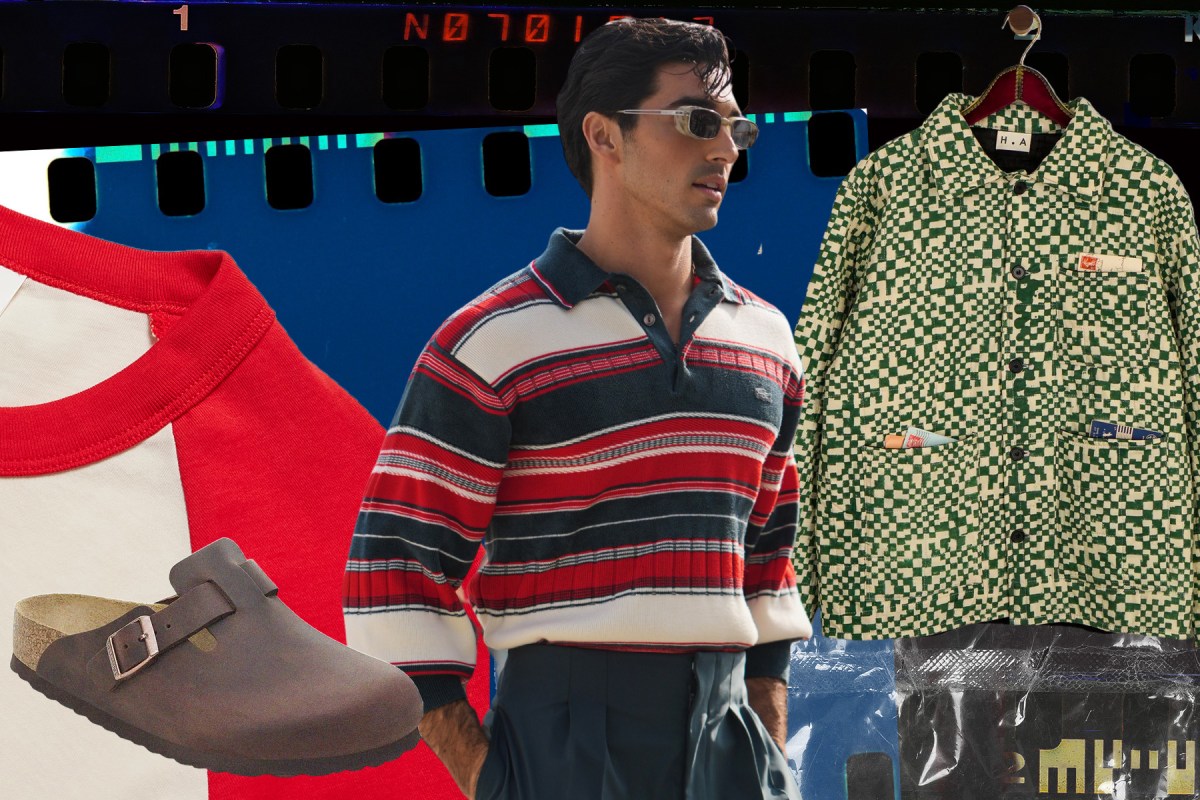
2 weeks ago11 Sustainable Men's Clothing Brands for Spring & Summer Style
Clothing production consumes massive water resources and generates significant carbon emissions, but sustainable brands using organic, recycled fibers and repair services offer viable alternatives to fast fashion's environmental damage.
Fashion & style
fromBusiness Matters
3 weeks agoWhy Sustainable Fashion is More Than Just a Trend: Clothing, Bags, and Accessories for a Better Future
Sustainable fashion has moved from niche to mainstream as consumers increasingly demand transparency about production, labor practices, and environmental impact of clothing and accessories.
Fashion & style
fromYanko Design - Modern Industrial Design News
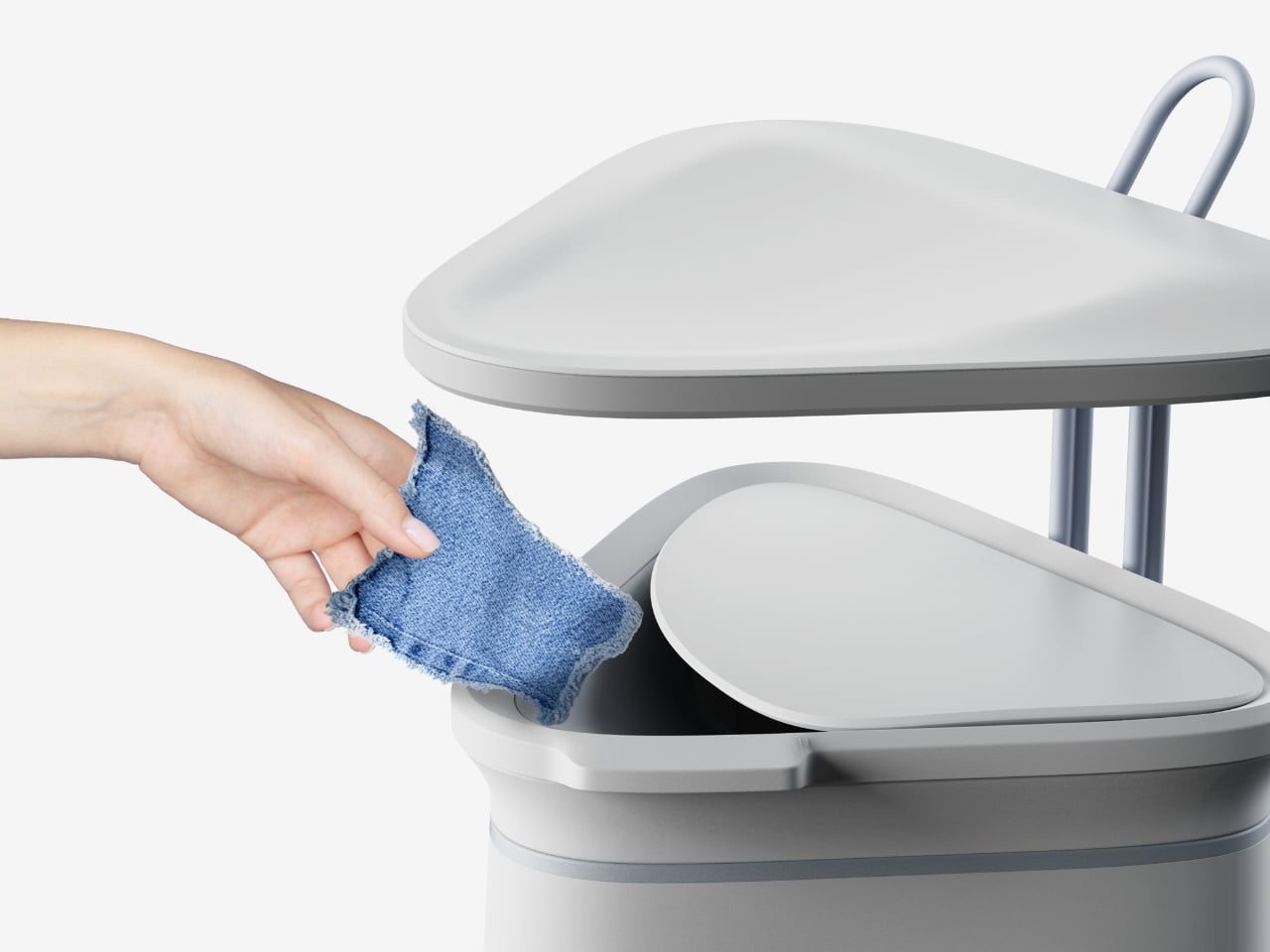
3 weeks agoOld Clothes Never Die, They Just Become Flower Pots - Yanko Design
ByBye is a countertop machine that transforms worn clothing into usable flower pots through grinding, compression, and heat, reframing garment disposal as a system of reform rather than waste.
Design
fromdesignboom | architecture & design magazine
2 weeks agoshimmering moire facade of prada flagship in NYC rethinks the permanence of scaffolding
Prada transforms its Fifth Avenue flagship with a permanent pale green scaffolding facade wrapped in semi-transparent scrim, creating a moiré pattern that shifts with light and reveals structural geometry through nighttime illumination.
Arts
fromTime Out New York
2 weeks agoThis company transforms discarded Broadway materials into limited-edition fashion and home items
Scenery Bags rescues discarded Broadway stage materials and transforms them into limited-edition handbags, accessories, and jewelry, preserving theatrical history while diverting waste from landfills.
Environment
fromLondon Business News | Londonlovesbusiness.com
2 weeks agoClothing industry warned of higher costs as Labour targets fast fashion - London Business News | Londonlovesbusiness.com
UK fashion brands face rising waste-disposal costs as Europe implements stringent textile regulations requiring producers to pay fees based on material recyclability, with similar UK measures likely forthcoming.
fromMindful
3 weeks agoClothing Designer Eileen Fisher Models Mindfulness
Despite having to haul a dozen dumpster-loads of damaged goods out of the offices and the nearby Lab Store, to the tune of $1.5 million, Eileen said at the time, 'It was just stuff.' You can only imagine the emotions that might arise in a chief executive if they saw their sewage-soaked products floating by. Eileen and her staff did not linger there. They mobilized quickly-organizing carpools, impromptu meeting spaces, and arranging interest-free loans for staff needing cash during the crisis.
Women

Fashion & style
fromEntrepreneur
2 weeks agoYour 'Organic' TShirt Still Hurts the Planet More Than You Think
Organic and sustainable fashion brands undermine their environmental messaging by packaging products in excessive single-use plastic, contradicting their eco-friendly positioning and contributing significantly to global plastic waste.
Fashion & style
fromWWD
2 weeks agoAltagamma Readies Three-day Made in Italy Event in NYC Featuring More Than 50 Luxury Italian Brands
Altagamma's 'Icons of Italy' event brings 56 Italian luxury brands to 43 Manhattan flagship boutiques April 9-11, showcasing fashion, design, food, beverages, automotive, jewelry and yachting through installations, artisan demonstrations, and tastings.
Miscellaneous
fromwww.dw.com
1 month agoShein faces EU investigation over products, design features
The European Commission opened formal Digital Services Act proceedings against Shein over addictive design, opaque recommender systems, and sales of illegal products including child sexual abuse material.
fromwww.npr.org
2 months agoPolyester clothing has been causing a stir online. But how valid are the concerns?
Your eyes don't deceive you. The use of polyester has ballooned with time, according to Henry Navarro Delgado, an associate professor at Toronto Metropolitan University's school of fashion. It's partly because polyester can be quite useful, he said. It is a type of plastic made from petroleum compounds that are cooled and stretched into yarn, according to Michael Palladino, a fashion industry veteran and lecturer at Kingsborough Community College's business of fashion program in New York.
US news


Design
fromdesignboom | architecture & design magazine
2 months agowearable collection repurposes leftover leather powder as translucent composite material
OBRO converts leather manufacturing offcuts into semi-transparent PVC composite by embedding finely ground leather powder to create visually layered, tactile, durable sheets.
fromDaily Coffee News by Roast Magazine
1 month agoReport: Sustainability Must Be Embedded Into Core Buying Practices to Drive Change
"Ironically, many if not most of these 'sustainability' projects remain disassociated from companies' core procurement strategies, meaning the coffee produced from these projects is not necessarily bought by the companies involved, or only in minimal quantities," the paper states. "And for the coffee that is purchased, prices do not factor into the project design, despite the fact that price is the single variable impacting farmer income that is in the direct control of companies."
Coffee
fromdesignboom | architecture & design magazine
1 month agorecontextualizing human hair waste as potential raw material for design
This research-based design project by Laura Oliveira investigates discarded as a potential raw material for sustainable design applications. Human hair is produced continuously and in large quantities through everyday grooming practices, yet it is almost always treated as waste once separated from the body and typically disposed of in landfills. Despite its material properties, strength, flexibility, and durability as a keratin-based protein fiber, its remains uncommon within design and research contexts.
Design
fromEarth911
2 months agoGuest Idea: 7 Solutions to Give Your Old Sunglasses a Second Life
Just like that coffee cup, eyewear is a complex fusion of materials. Metal hinges are screwed into polymer frames, which hold chemically-coated lenses. This mix of metals, plastics, and coatings means standard sorting machines cannot process them. As a result, they are rejected as contamination and sent directly to landfills, where they contribute to non-biodegradable waste. Unlike a disposable paper cup, however, a pair of sunglasses is built for durability. Its high-quality components make it a perfect candidate for repair, reuse, or reinvention.
Environment
fromDesign Milk
2 months agoDesigntex + nanimarquina Introduce New Textiles as Acts of Care
The collaboration brings together Designtex's deep expertise in high-performance contract textiles and nanimarquina's poetic command of craft, tactility, and the beauty of the imperfect. For both teams, the partnership emerged from an immediate sense of kinship - a shared language of material integrity, color sensitivity, and a respect for heritage techniques reinterpreted for contemporary spaces. "We did that by using performance yarns and intentionally embedding imperfections into the weaving process."
Design
fromwww.theguardian.com
2 months agoRecycled plastic packaging claims are misleading, say experts
Europe's supermarket shelves are packed with brands billing their plastic packaging as sustainable, but often only a fraction of the materials are truly recovered from waste, with the rest made from petroleum. Brands using plastic packaging from Kraft's Heinz Beanz to Mondelez's Philadelphia use materials made by the plastic manufacturing arm of the oil company Saudi Aramco. The Saudi state-owned holding opposes production cuts under the UN plastic treaty and is the world's largest corporate greenhouse-gas emitter (over 70m tonnes up to 2023).
Environment
fromVogue
1 month agoHow a New Generation of Designers Are Promoting, and Protecting, Their Names
What if I took my design lens and built out my essentials capsule for the Everlane customer? I felt like that would be a really amazing opportunity for me to introduce myself as a designer to an audience outside of EB Denim.
Fashion & style
fromEarth911
2 months agoRecycling Mystery: Black-Colored Plastic
Black plastic gets its color from carbon black pigment and is commonly used in food containers, such as meat or produce trays and take-out containers, as well as disposable coffee lids, plastic bags, and hard plastic items like DVD cases and planters. While plastic is one of the categories of things that we are encouraged to recycle - when we can't reuse or repurpose it - not all black plastic items can be recycled.
Environment
fromDocumentjournal
1 month agoOnce upon a time, fashion got dirty
In the show, "dirty" extends to anything that breaks fashion's pact with propriety. Here are clothes caked in grime, blotted with makeup, stiffened by salt, pieced from trash, frayed, and faded. The garments span decades, from the 1980s through the mid-2000s, when the likes of Vivienne Westwood and Jean Paul Gaultier built their fame on defying convention, to today, when corporatization has made such daring increasingly rare. But forgoing practicality frees certain designers from the demands that the body be polite-and thereby policed.
Fashion & style
Fashion & style
fromdesignboom | architecture & design magazine
1 month agofour typologies explores decentralized upcycling fashion factories in digital space
Digital spatial systems enable decentralized Garden Factory typologies and nonlinear upcycling workflows that support iterative, small-batch fashion production across multiple scales.
fromBustle
1 month ago60 Cheap, Highly Rated Clothes That Look Expensive
You can achieve a pricey-looking wardrobe without spending a ton - and this list makes it easy. Featuring silhouettes that look like they came straight from the runways, these luxe pieces will elevate any wardrobe - and each one is backed by high ratings from discerning Amazon shoppers. You'll find elevated takes on everyday essentials, chic loungewear, statement evening looks, and accessories. And even though they brim with high-end appeal, they're all shockingly easy on the wallet.
Fashion & style
fromwww.theguardian.com
1 month agoFilled with good intention: could the new It bag be an antidote to the tote?
It's not a multi-thousand pound handbag from Hermes that best captures the new era of It bags, but a 149 tote from John Lewis. Launched this season, it's deeper (45cm) and taller (33cm) than your average handbag, and comes loaded with good intentions. It's able to hold your packed lunch, flask and book, as well at a push as your gym kit.
Fashion & style
Fashion & style
fromwww.theguardian.com
2 months agoHow to have a guilt-free wardrobe clearout without sending anything to landfill
Excess donated clothing is often unsellable, causing landfill or export to low-income countries; reselling, selective recycling, and considered clearouts reduce waste and pollution.
[ Load more ]