#recycling-facility-death
#recycling-facility-death
[ follow ]
fromFuturism
1 day agoEPA Now Values Human Lives at $0
When lives are assigned a higher dollar value, stricter pollution standards tend to clear the 'economic efficiency' sniff test, resulting in cleaner air. But that improved air quality comes at the expense of America's industrial industries, which have to invest in pricey systems to reduce the amount of these pollutants they spew down to acceptable levels.
US Elections





fromTNW | Startups-Technology
1 week agotozero launches Europe's first industrial battery recycling plant
tozero's proprietary acid-free hydrometallurgical process runs in a single cycle and produces materials pure enough to feed directly back into battery cell manufacturing without further refinement.
Germany news




fromEarth911
2 weeks agoIs Shredded Paper Recyclable?
Shredded paper is especially difficult to recycle, so many programs will not accept it. Shredding accelerates fiber shortening and lowers the paper grade from high-grade to mixed-grade. Mixed-grade paper is still recyclable, but it ends up baled and processed into products like paper towels and packing paper.
Portland
fromLos Angeles Times
2 weeks agoIndustry groups sue California over Truth in Recycling law
SB 343 forces dairy product manufacturers to remove vital recycling guidance from the very cartons Californians rely on every day. This law ignores the reality of our recycling infrastructure and unconstitutionally restricts our right to provide transparent recycling instructions to consumers. We are seeking to stop this policy before it leads to more waste and disrupts our ability to deliver milk to California families and schools.
Intellectual property law
fromEarth911
1 week agoEarth911 Inspiration: The First Step To Sustainability
The first step to sustainability is seeing that there is no boundary between you and nature. When we see this essential connection and reverse the artificial disconnections created over millennia, people can imagine a future where we all thrive with a regenerated ecosystem.
Environment
Agriculture
fromEarth911
2 weeks agoConvenience Comes at the Environment's Expense
Fast delivery convenience carries significant environmental costs through packaging waste, carbon emissions, and resource consumption, but individual yard management choices can meaningfully reduce environmental impact at a local scale.


#fly-tipping-enforcement
UK politics
fromwww.independent.co.uk
2 weeks agoFly-tippers could be forced to clear their own rubbish under new crackdown
The UK government proposes forcing fly-tippers to clean up illegally dumped waste and allowing councils to seize offender funds for cleanup operations as fly-tipping increases 9% annually.
Social justice
fromwww.theguardian.com
4 weeks agoLife on Kenya's largest dump: the invisible workers sorting the world's rubbish
Waste pickers in Kenya's Dandora dump, predominantly women earning $1.75-2.90 daily, remain invisible in global recycling narratives despite being essential to supply chains, with their economic situations worsening due to pre-sorting practices and reduced recyclable materials.
Miscellaneous
fromwww.theguardian.com
1 month agoA delightful day at the dump: The trick is not to leave with more stuff than I arrived with!'
A recycling centre's ReUse shop in London salvages discarded items including unusual specimens like embalmed animals, vintage furniture, and antiques to resell rather than send to landfill.
London politics
fromMail Online
3 weeks agoEnvironment officers given police-style powers to fight waste crime
The government is implementing a zero-tolerance approach to waste crime, granting environment officers police-like powers including warrant-less searches, asset seizure, and arrest authority to combat illegal dumping gangs.
Environment
fromEarth911
2 weeks agoHow You Can Help Keep Recycling Workers Safe
Recycling reduces waste and resource extraction, but material recovery facility workers face significant safety hazards, with nine deaths in 2023 and waste collection ranking as the fourth most dangerous job in the United States.
fromEarth911
1 month agoHow to Recycle or Dispose of Single-Use Alkaline Batteries
Never place batteries of any type in your curbside recycling bin. Batteries can damage recycling equipment and, if lithium batteries are mixed in, cause fires. Always use designated battery collection programs.
Environment
fromEarth911
1 month agoWhat Can You Do With Your Old Electrical Wires and Cables?
According to the UN's Global E-waste Monitor 2024, a record 62 million metric tons of electronic waste was generated worldwide in 2022, an 82% increase since 2010. E-waste is projected to reach 82 million metric tons by 2030. In the U.S. alone, roughly 8 million tons of e-waste is discarded each year.
Environment
New York City
fromNew York Daily News
1 month agoFamily of Brooklyn mom who fell to grisly death in NYCHA trash compactor question NYPD account
Police ruled a Brooklyn mother's death an accident after finding her remains in a garbage compactor, but her family disputes the conclusion, questioning how she could have fallen in and become bagged.


Agriculture
fromRealagriculture
1 month agoWatch your step! Injury stats point to first aid, training needs as priorities
Farmers aged 45–50 had the most grain farm injuries; foot injuries (sprains, fractures) dominate—keep first-aid kits stocked, carry splints, and provide first-aid and safety training.
Environment
fromEarth911
1 month agoHow to Recycle Nitrile, Latex, and Vinyl Sterile Gloves
Disposable gloves cannot go in curbside recycling due to equipment tangling and contamination risks; mail-in programs and manufacturer recycling offer proper alternatives for turning gloves into downcycled products.


fromNew York Post
1 month agoBk. mom fell into trash compactor while trying to grab purse and was crushed alive as people heard her scream
We have numerous witnesses stating that they hear screaming coming from the second floor shoot. Our theory right now is that she may have dropped an item into the shoot and wanted to retrieve it, and fell head first into the chute,
New York City

fromEarth911
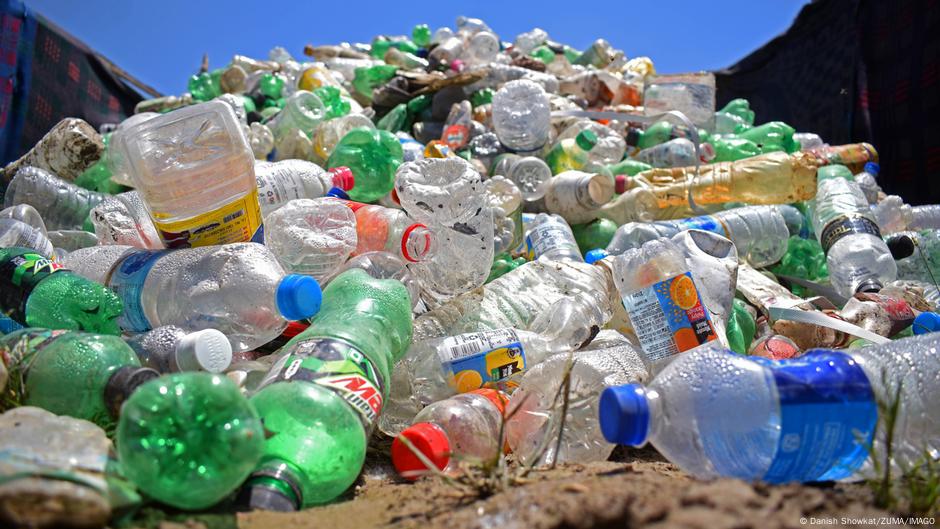
2 months agoRecycling Mystery: Black-Colored Plastic
Black plastic gets its color from carbon black pigment and is commonly used in food containers, such as meat or produce trays and take-out containers, as well as disposable coffee lids, plastic bags, and hard plastic items like DVD cases and planters. While plastic is one of the categories of things that we are encouraged to recycle - when we can't reuse or repurpose it - not all black plastic items can be recycled.
Environment
fromEarth911
1 month agoThe Earth911 Button Cell Battery Recycling Guide
Button cell batteries are the small, flat, round batteries found in watches, hearing aids, car key fobs, calculators, and medical devices. Although they are tiny, these batteries contain valuable materials that can be recovered and can harm the environment if not handled or disposed of correctly. The main challenge in recycling button cells is their small size and the difficulty of sorting them.
Environment
fromEarth911
2 months agoThe Earth911 Lithium-Ion Battery Recycling Guide
Lithium-ion (Li-ion) batteries are found in many devices we use every day, like smartphones, laptops, tablets, wireless earbuds, power tools, e-bikes, and electric vehicles. By 2023, there were more than 40 million electric vehicles on the road worldwide, and billions of portable electronics used Li-ion cells. These batteries are valuable for recycling, but they can be dangerous if not disposed of correctly.
Environment
from24/7 Wall St.
2 months agoClean Harbors (CLH): The Environmental Services Moat is Expanding
Clean Harbors just locked in a $110 million contract for PFAS water filtration at Joint Base Pearl Harbor-Hickam. This isn't just another project win. It's validation of the company's end-to-end PFAS solution: lab analytics, water filtration, site remediation, and most critically, high-temperature incineration disposal.
Environment
fromEarth911
1 month agoEarth911 Inspiration: Waste Can End With You
We can make changes to reduce our waste by precycling when we shop, reducing what we purchase, reusing items to get the most use out of them, and recycling when possible. But when we have items to throw away, please dispose of trash responsibly and don't litter. Let's reduce our waste and clean up our planet. It's our only home.
Environment
fromwww.theguardian.com
2 months agoHousehold burning of plastic waste in developing world is hidden health threat, study shows
The household burning of plastic for heating and cooking is widespread in developing countries, suggests a global study that raises concerns about its health and environmental impacts. The research, published in the journal Nature Communications, surveyed more than 1,000 respondents across 26 countries. One in three people reported being aware of households burning plastic, while 16% said they had burned plastic themselves.
Environment
fromEarth911
2 months ago35 Years Worth Of Things You (Probably) Didn't Know About Earth911
Earth911 turns 35 in 2026. We invited Trey Granger, who worked at Earth911 from 2007 to 2014 as the site's first content editor, and whoe also oversaw expansion of the recycling directory, to share some of the highlights of the continuing journey to an easy to understand recycling system.Earth911 turns 35 years old in 2026 (but we don't look a day over 30). To celebrate, here are 35 fun facts about your favorite low-waste resource.
Environment
[ Load more ]