#refugee-migration
#refugee-migration
[ follow ]
#immigration #human-rights #germany #refugees #deportation #syria #migration #immigration-policy #asylum #displacement










#germany
Germany politics
fromwww.dw.com
3 days agoGermany's Merz sees backlash over Syrian refugee comment
Chancellor Friedrich Merz stated that 80% of Syrians in Germany should return home, sparking controversy and denial from Syrian President Ahmed al-Sharaa.


France news
fromLondon Business News | Londonlovesbusiness.com
3 days agoTwo migrants dead as Channel crossing ends in tragedy amid UK-France deal talks - London Business News | Londonlovesbusiness.com
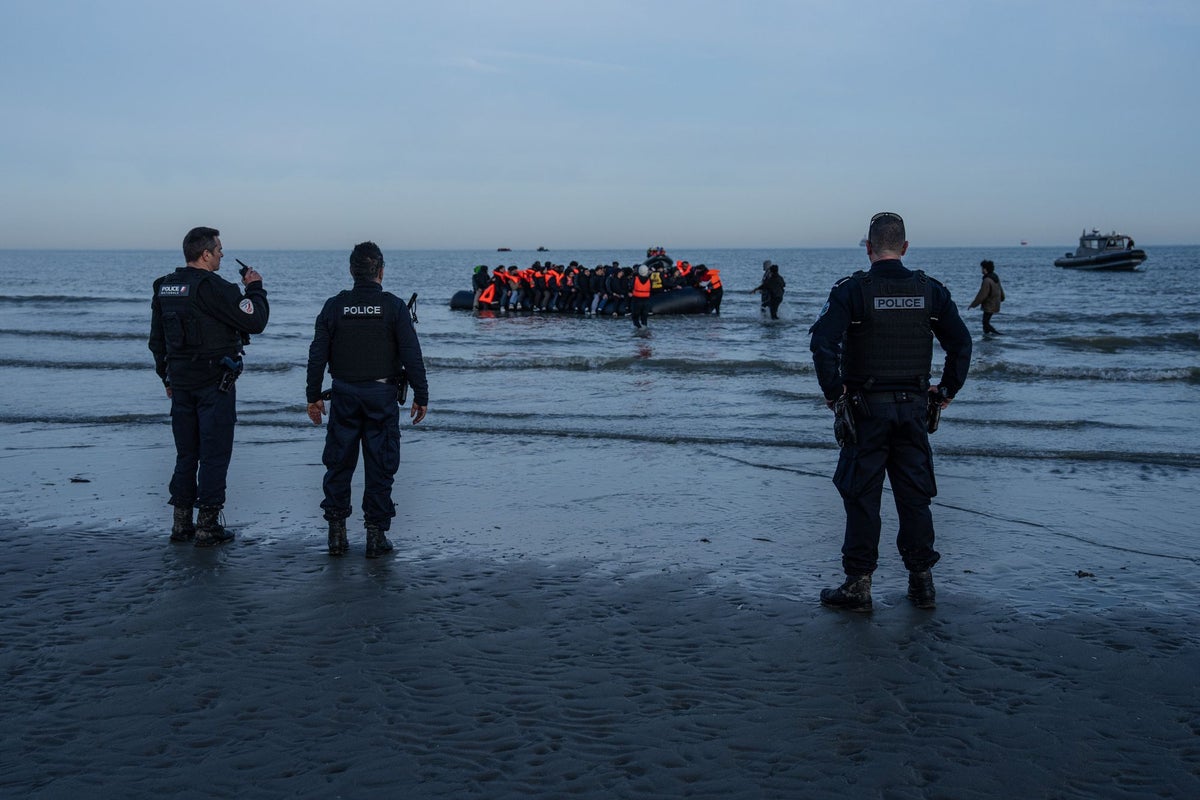
Two migrants died and one is missing after attempting to cross the English Channel, prompting a rescue operation.
France politics
fromwww.aljazeera.com
2 weeks agoPalestinian refugees face new displacement as Israel's bombs hit Lebanon
Palestinian refugees in Lebanon, displaced since 1948, face renewed trauma and displacement as Israeli military operations intensify, forcing families from camps into further uncertainty.
fromFortune
3 weeks agoMore than 3 million Iranians have been displaced so far since the war started, setting up a potential migration crisis | Fortune
If they let me, I will stay in Van until the war ends. If the war doesn't end, maybe I'll go back and die. Pourkaz is one of the 3.2 million people in Iran who the U.N. refugee agency estimates have been displaced since the U.S.-Israel war with Iran started. While some are seeking shelter in safer parts of Iran or one of its neighboring countries, others are returning from abroad, heading toward the fighting to protect their families and homes.
Europe news
Miscellaneous
fromwww.aljazeera.com
1 month agoDeadly journeys: Refugees, migrants risk everything to reach Europe
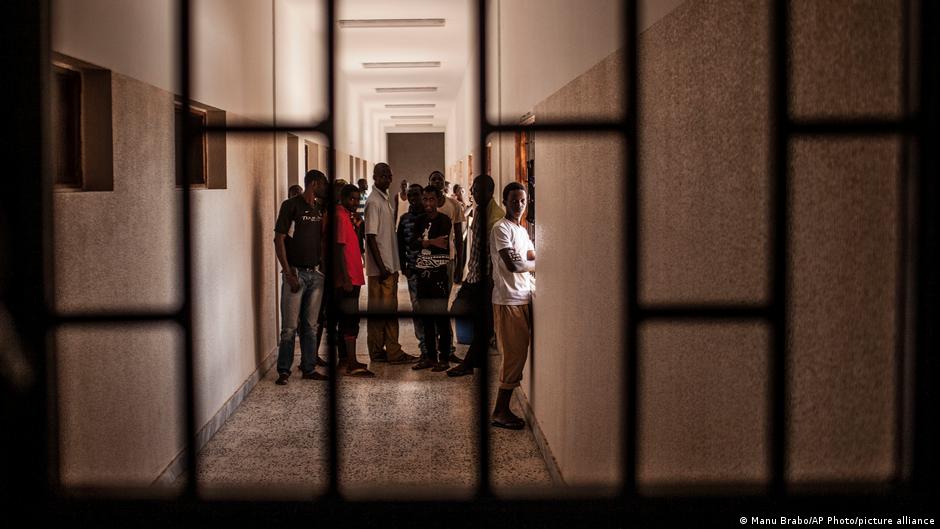
Mediterranean crossings from North Africa to Europe result in record deaths, with over 560 missing in early 2025, while refugees in Libya face systematic abuse from militias and traffickers.
UK politics
fromPinkNews | Latest lesbian, gay, bi and trans news | LGBTQ+ news
1 month agoTemporary refugee status poses 'constant threat' to LGBTQ+ asylum seekers
UK asylum rules now limit refugee protection to 30 months instead of permanent status, creating ongoing vulnerability for LGBTQ+ individuals facing persecution in countries designated as 'safe'.
World news
fromenglish.elpais.com
3 weeks agoNearly 800,000 people displaced by war against Iran and Lebanon
A February 28 U.S.-Israel attack on Iran and Lebanon displaced 767,700 people and left 14.1 million existing refugees in extreme vulnerability, while a 30% reduction in global humanitarian funding in 2025 severely constrains response capacity.
fromwww.dw.com
1 month agoGermany cuts funding for integration of refugees
Muge Tuzcu Karakoc is certain that without an integration course, she would probably still not have properly settled in Germany by now. The Turkish journalist has been living in Germany for seven years. But it was only in 2024, when she started studying German every day alongside Ukrainians, Syrians, and Iranians that she felt the country she now lives in really opened its doors to her.
Germany news
fromwww.dw.com
1 month agoAlmost 8,000 migrants died or vanished on routes in 2025: UN
At least 7,667 people went missing or died on migration routes worldwide last year, according to the UN's International Organization for Migration (IOM). The IOM has called for improved financial support for rescue organizations, as well as the dismantling of smuggling networks that put lives at risk.
World news
fromwww.dw.com
1 month agoGerman government pushes Syrians to return to their homeland
Of these, 3,678 of them have already gone back to their home country. For German Interior Minister Alexander Dobrindt, this is proof of the migration policy that he has been promoting: "Those who have no prospect of staying receive targeted support for their voluntary repatriation." This "targeted support" includes the cost of the flights and 1,000 (ca. $1200) per adult and 500 for minors.
Miscellaneous

World news
fromwww.theguardian.com
1 month agoAs conditions in Roj camp deteriorate, Australia urged to accept citizens trapped in Syria
Forcibly returned Australians in Roj camp face escalating violence, demolished shelters, obstructed repatriation, and uncertain futures amid shifting control of the camp.
fromwww.dw.com
2 months agoHow does Germany deport people?
Germany has no equivalent of the US' specialized Immigration and Customs Enforcement (ICE) agency, though that would change if the Bavarian branch of the far-right Alternative for Germany (AfD) had its way. Apparently directly inspired by the actions of ICE under President Donald Trump's administration, an internal paper from the far-right party seen by the German newspaper taz this week proposed that a new authority be created within the Bavarian state police named the Asyl-, Fahndungs- und Abschiebegruppe (AFA), or the "Asylum, Tracing and Deportation group."
Germany news
Miscellaneous
fromenglish.elpais.com
1 month agoTrapped in Europe's largest migrant settlement: The forces sustaining Italy's informal economy
An informal settlement near Foggia, Borgo Mezzanone houses thousands of undocumented migrants living without basic services while providing cheap agricultural labor.
fromwww.dw.com
2 months agoEU asylum policy: What changes for refugees in Germany?
The Common European Asylum System (CEAS) is the European Union's legal framework to create uniform, fair, and efficient standards for processing asylum applications. The system's reform, agreed in 2024, will become legally binding in Germany and throughout the EU in June, 2026. EU member states had a two-year implementation period during which the new rules including stricter border procedures were transposed into national law.
Europe politics
fromwww.aljazeera.com
1 month agoAustralian PM Albanese says no help for ISIL relatives held in Syria camp
Albanese said that while it is unfortunate that children have been affected, Australia is not providing any support. As my mother would say, you make your bed, you lie in it, he said. We have no sympathy, frankly, for people who travelled overseas in order to participate in what was an attempt to establish a caliphate to undermine and destroy our way of life, he added.
World news
fromNature
1 month agoHow to rescue the aid industry: focus on conflict prevention, not just relief
In 2025, the administration of US President Donald Trump ordered the US Agency for International Development to be closed; this year, it withdrew the country from 66 international organizations. Other Western nations that are plagued with high levels of debt and pressure to prioritize domestic challenges have slashed their foreign aid, too. According to projections, official development assistance dropped by 9-17% in 2025, amounting to some US$55 billion.
World news
[ Load more ]