Travel
fromwww.businessinsider.com
1 hour agoThe new vacation flex? Waking up without a hangover.
Sober tourism is rising, especially among Gen Z, who prioritize wellness and experiences over alcohol during vacations.
Clothing that bears the name of a city near or far has become a closet staple for many consumers in recent years, evolving from impulse purchases to mainstream fashion.
A true wellness gathering is something far more ancient and far more urgent: it's any intentional space where humans are invited to arrive whole, body, mind, spirit, and leave more alive than when they walked in. That's it. That's the whole definition.
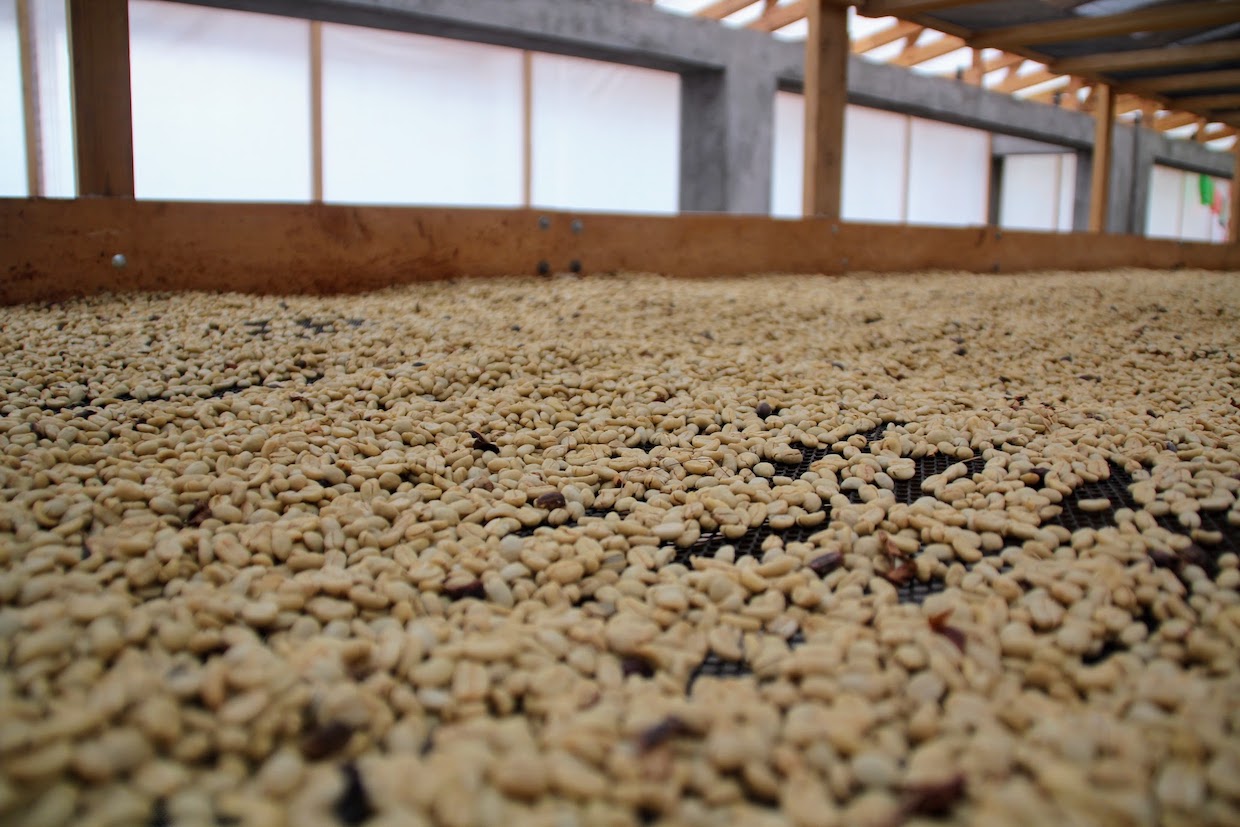
"Ironically, many if not most of these 'sustainability' projects remain disassociated from companies' core procurement strategies, meaning the coffee produced from these projects is not necessarily bought by the companies involved, or only in minimal quantities," the paper states. "And for the coffee that is purchased, prices do not factor into the project design, despite the fact that price is the single variable impacting farmer income that is in the direct control of companies."
When the time comes to begin working on our annual travel trends of 2026 list, I get to thinking about the year that's just passed (somehow always so much quicker than the last) and the trends that shaped how we traveled. If I could sum up 2025, it would be the year that we let the stars dictate our destinations; sought out intrepid supper clubs; detoured to lesser-known spots and tried our (ranch) hand at cowboycations (thank you, Yellowstone).
Cities around the world share a common goal: to become healthier and greener, supported by civic infrastructure that restores ecosystems and strengthens public life. The question is how to reach this. Global climate targets, local building codes, and municipal standards increasingly guide designers and planners toward better choices. Still, many cities struggle to translate these frameworks into everyday, street-level comfort and long-term ecological protection.
The world spends 30 times more money destroying nature than protecting it. That's according to a new report from the United Nations Environment Programme (UNEP) that exposes a massive gulf between so-called "harmful investments" and financing that promotes nature preservation. The global environment agency's latest "State of Finance for Nature" (SNF) report is calling to phase out the US$7.3 trillion (6.2 trillion) in global investments that damage nature including into high-emissions energy infrastructure and manufacturing, for example.