#regional-war-prevention
#regional-war-prevention
[ follow ]
#iran #middle-east-conflict #israel #pakistan #diplomacy #trump #lebanon #middle-east #us-iran-relations
fromenglish.elpais.com
12 hours agoAfter a month of war with Israel, Hezbollah emerges strengthened amid the pain of Lebanese civilians
The unexpected firing of missiles at Israel finally ended the deadlock, marking a significant shift in Hezbollah's strategy after a prolonged ceasefire.
France politics

#israel
France politics
fromwww.theguardian.com
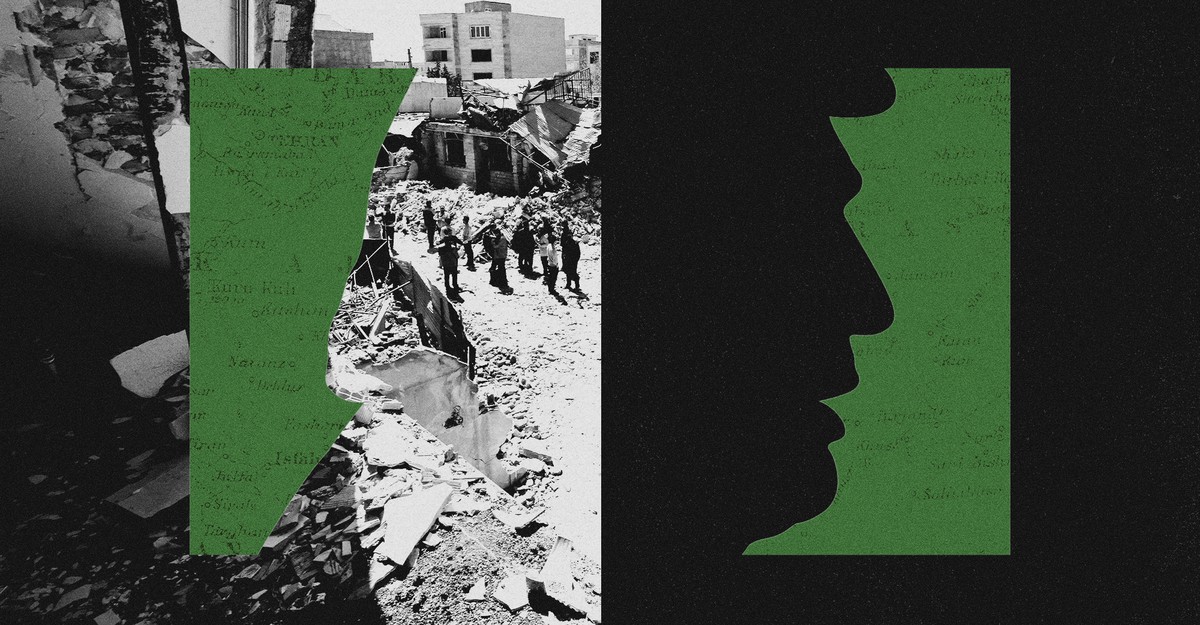
1 week agoThe Guardian view on Israel's war in Lebanon: allies must not accept a repeat of the crimes in Gaza | Editorial
The Israeli war in Lebanon has resulted in significant casualties and displacement, with potential implications for Hezbollah's support and Israel's military strategy.

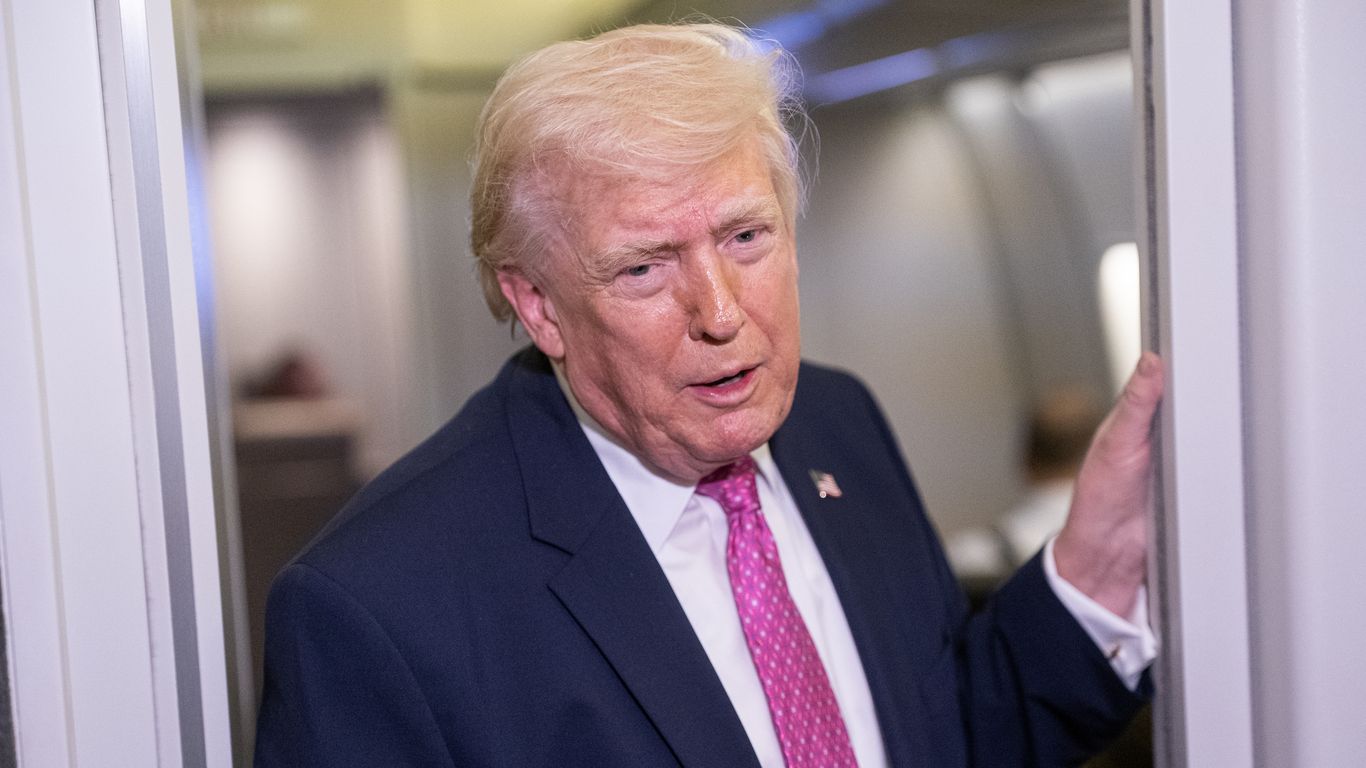
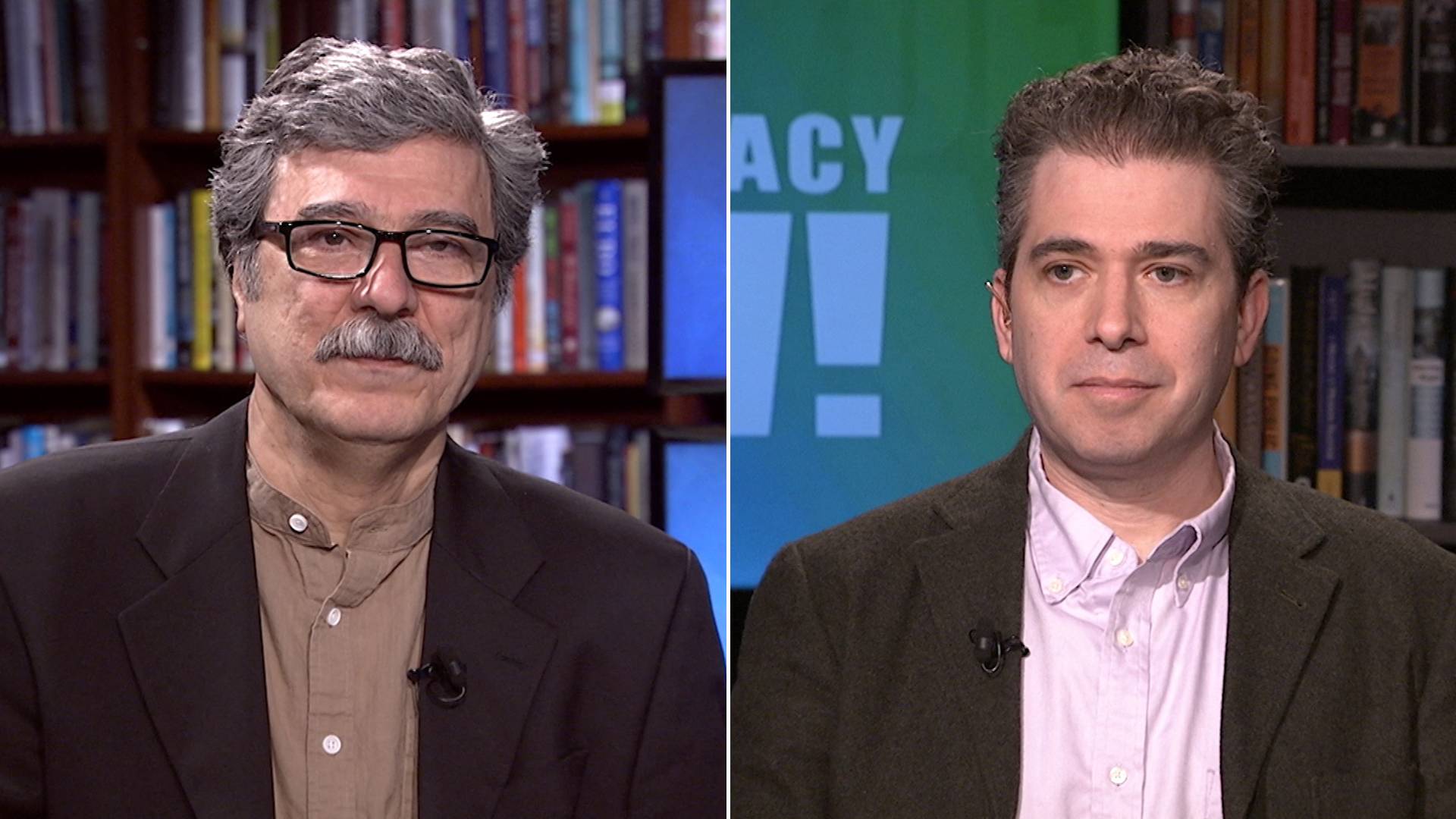
#us-iran-conflict
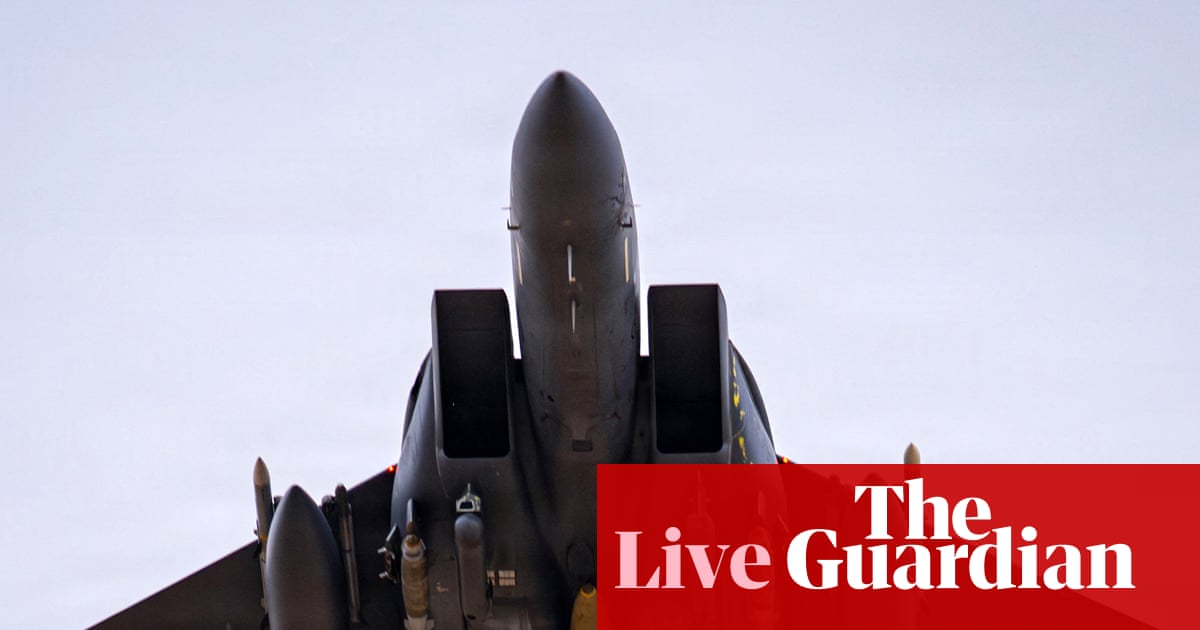
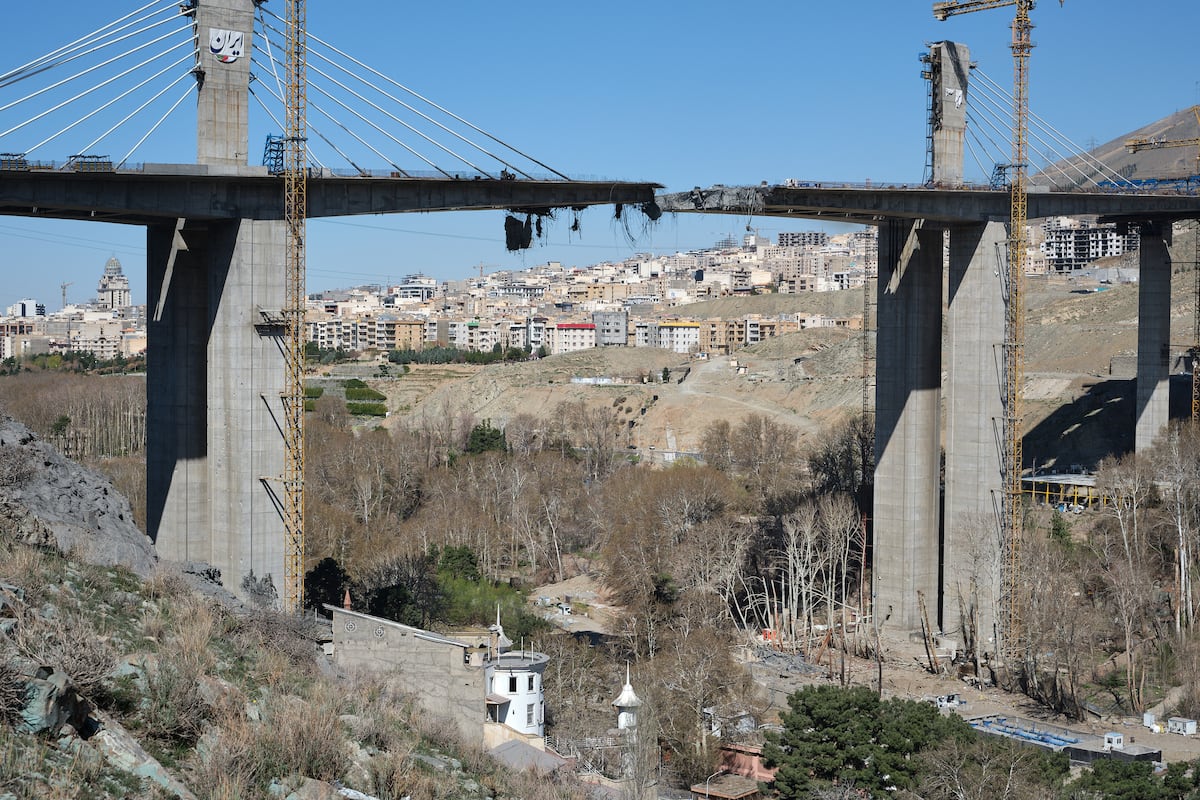


World news
fromwww.theguardian.com
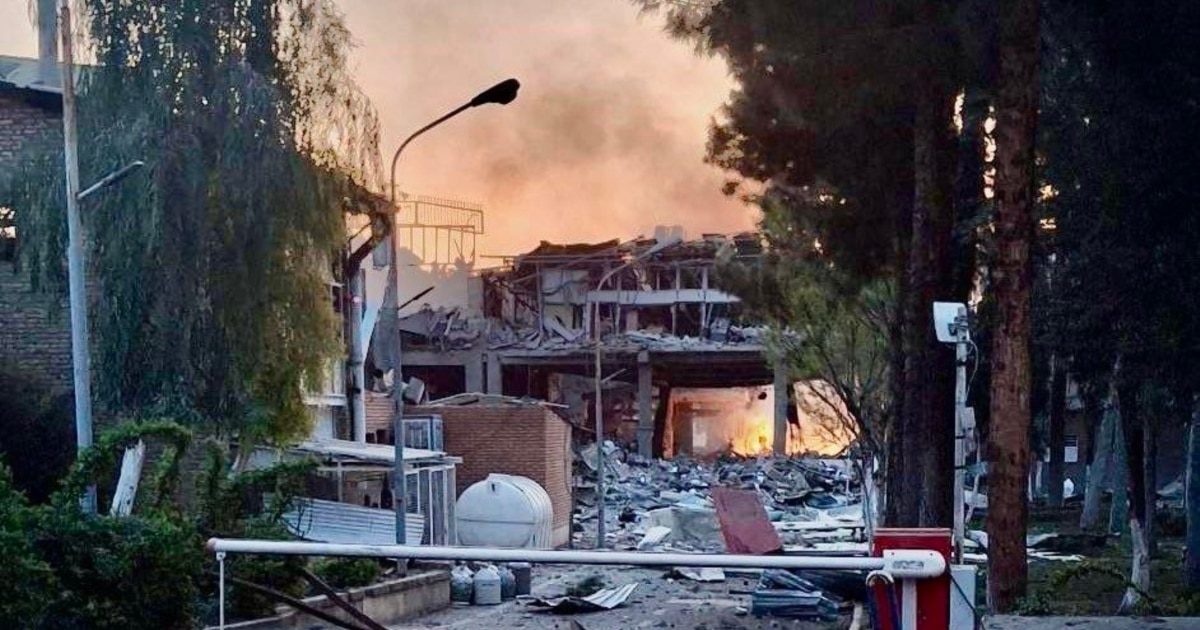
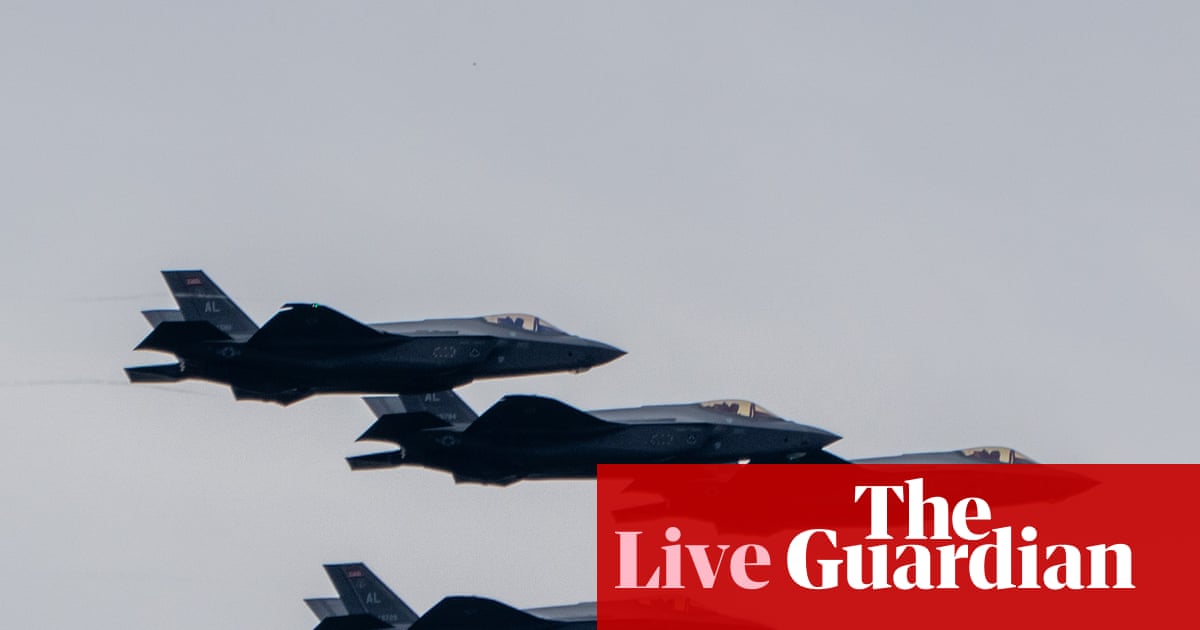
1 day agoMiddle East crisis live: US and Iranian forces race to recover missing pilot from downed jet; Israel bombards Beirut
The US-Iran conflict escalates with military actions, including downed aircraft and strikes on economic sites, impacting global energy supplies.
World news
fromLondon Business News | Londonlovesbusiness.com
1 day agoPentagon confirms fighter jet shot down over Iran as rescue mission underway - London Business News | Londonlovesbusiness.com
An F-15E Strike Eagle was shot down over Iran, initiating a combat search and rescue operation for its two crew members.
France politics
fromwww.aljazeera.com
3 weeks agoUN chief Guterres says no military solution, only diplomacy' for Lebanon
Lebanon prepares for Israeli negotiations while UN Secretary-General Guterres calls for diplomatic resolution and launches humanitarian appeal for 800,000 internally displaced persons.

fromwww.aljazeera.com
3 weeks agoThe Israel-Hezbollah ceasefire was built to fail
The ceasefire agreement, brokered by the United States and France, formally aimed to end active hostilities between Hezbollah and Israel. In practice, however, the agreement never truly halted the conflict. Israeli forces maintained a presence in Lebanese territory, and military strikes against Lebanon continued on an almost daily basis.
France politics
fromThe Cipher Brief
3 days agoTaking a Stand on Adversaries' Influence in the Western Hemisphere
The January 3rd Operation Absolute Resolve ousted Venezuelan Dictator Nicholas Maduro, marking a significant shift in US policy towards countering adversarial influence in the western hemisphere.
World politics

fromwww.aljazeera.com
2 months agoWill the Board of Peace live up to its name?
United States President Donald Trump launched the Board of Peace on Thursday, saying it's one of the most consequential bodies ever created in the history of the world. This is all part of the agreement to reach a ceasefire in Gaza after more than two years of Israel's genocidal war on Palestinians in the territory. Trump said the board will work in partnership with the United Nations to address crises far beyond Gaza.
US politics
fromwww.dw.com
1 month agoUN rules ban use of force, yet could not stop the Iran war
Article 2(4) of the UN Charter has been described as a "cornerstone of modern international law" and its bright red line. It prohibits countries from threatening or using force against another state's territory or political independence. Drafted in the aftermath of World War II, its objective was to maintain peace and make negotiation not armed conflict the default mode to settle disputes.
World politics
World news
fromwww.aljazeera.com
1 month agoOman renews push for diplomacy, says off-ramps available' in Iran war
Oman's foreign minister asserts diplomatic solutions remain viable for de-escalating Middle East tensions despite US-Israeli strikes on Iran, contradicting claims of imminent Iranian threats.
fromwww.dw.com
2 months agoUS says second phase of Gaza peace plan underway
Since then, both sides have accused the other of breaking the deal. Israel has continued to restrict aid into the strip and conduct attacks. The Gazan health ministry says more than 400 Palestinians have been killed since the ceasefire, and UNICEF announced this week that at least 100 of the victims were children. Israel says Hamas militants continue to be a threat and that its airstrikes in Gaza are targeting the group.
World news
[ Load more ]