#reindeer-ecology

[ follow ]
Environment
fromwww.scientificamerican.com
3 days ago

The Alaskan permafrost is thawing. Here's why that's so worrying

Thawing permafrost in Alaska is releasing three trillion gallons of water annually, exacerbating climate change and disrupting ocean ecosystems.
Pets
fromwww.theguardian.com
1 week ago

Wily coyote? Urban canines take more risks compared with rural ones, study finds

Urban coyotes are less afraid of new stimuli and take more risks compared to rural coyotes, according to a study across multiple US sites.
#wildlife-conservation
Pets
fromNature
1 week ago

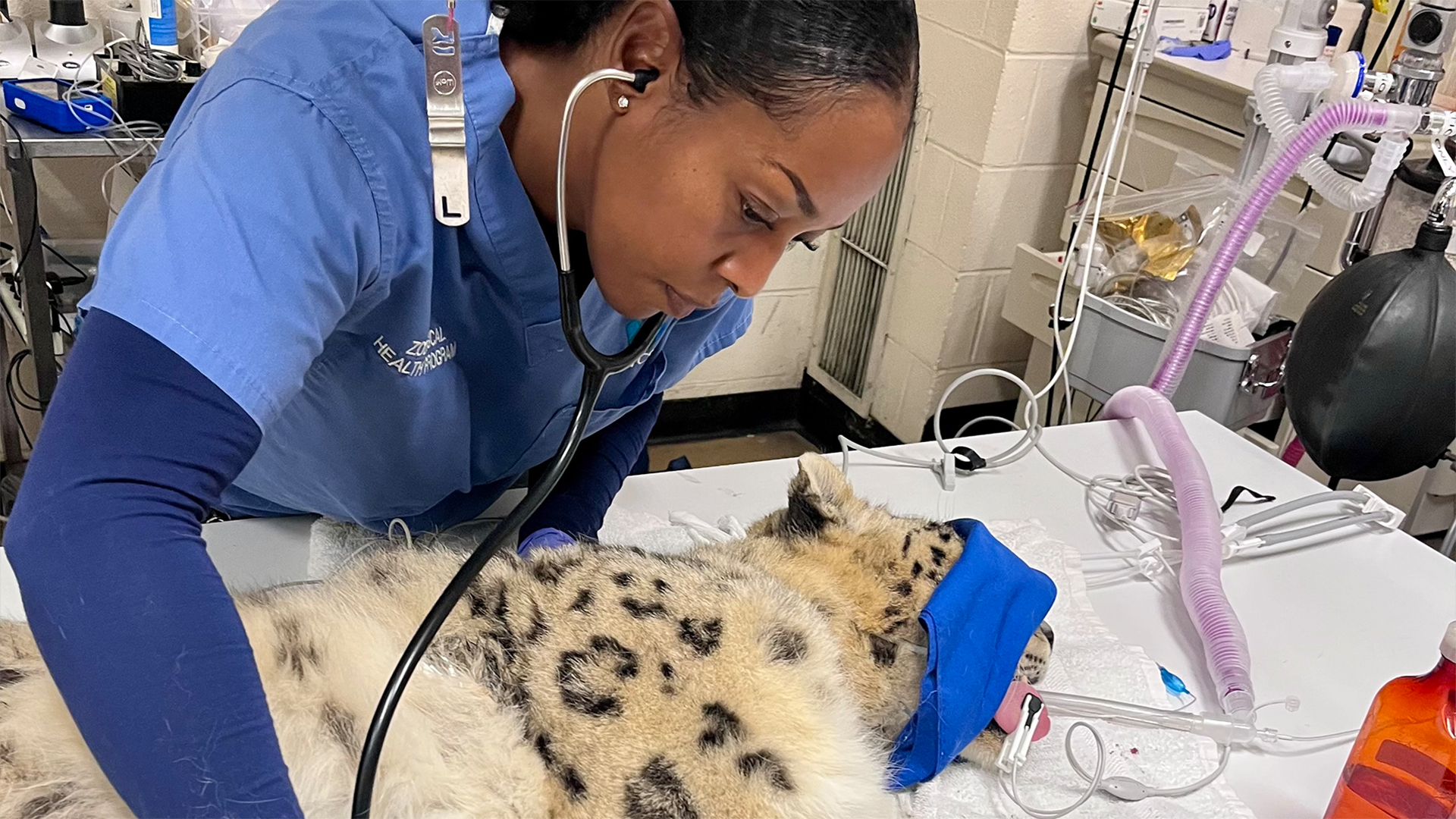
A Career in Wildlife Medicine Is Its Own Reward | Blog | Nature | PBS

Working as a Licensed Veterinary Technician at a zoo is rewarding, combining joy and challenges while contributing to wildlife conservation.
Canada news
fromwww.theguardian.com
2 weeks ago

Canada wants to build up its long-neglected Arctic. The hard question is how

Canada is investing in Arctic infrastructure including roads and ports to develop mining potential, strengthen sovereignty, and counter Trump administration pressures through a nation-building initiative.
Skiing
fromElite Traveler
2 weeks ago

The Ultimate Spot to See the Northern Lights? A Former Military Radar Station in Lapland

A former Finnish military radar station in Lapland has been converted into a luxury lodge offering exclusive, remote Arctic experiences near Swedish and Norwegian borders.
Travel
fromConde Nast Traveler
3 weeks ago

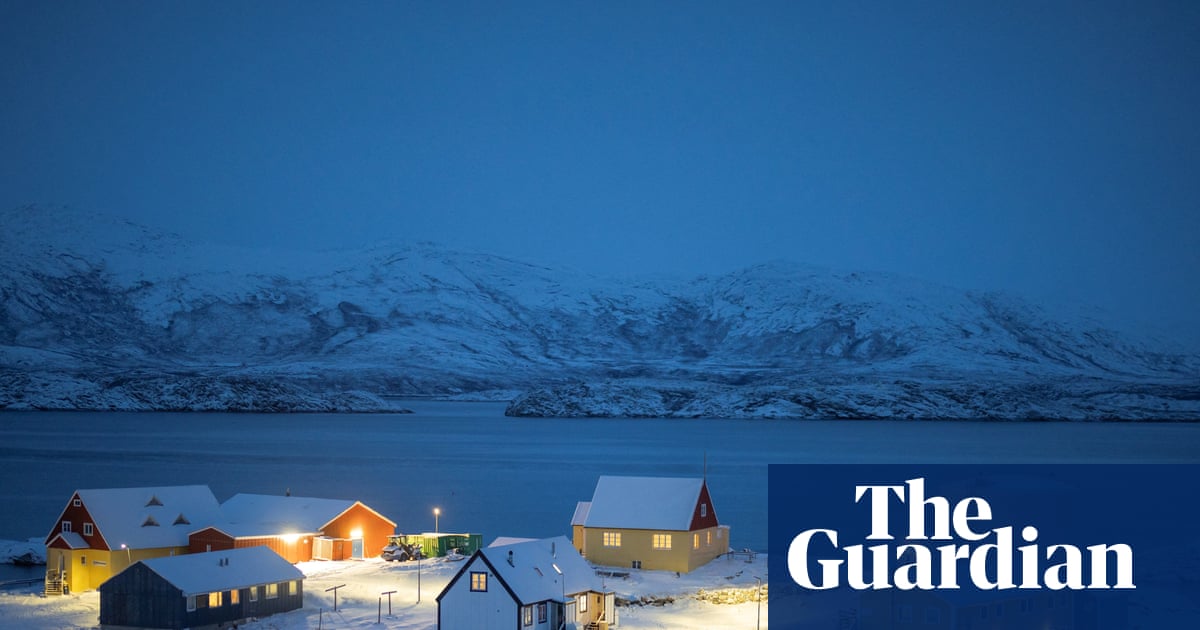
In Greenland's Remote Fjords and Tiny Settlements, a New Sense of Connection

Greenland's new airport and developing tourism infrastructure make Arctic exploration increasingly accessible, offering unique cultural experiences with Indigenous and settler communities unavailable in Antarctica.
Miscellaneous
fromwww.npr.org
3 weeks ago

Come along with some geese as they migrate back from their southern winter havens

Geese migrate northward from late February to May following the 'green wave' of vegetation growth and warming temperatures, traveling along four major North American flyways to reach summer breeding grounds with less resource competition.
fromThe Walrus
3 weeks ago

Churchill's Famous Polar Bears Left to Eat Trash | The Walrus

In April 2024, Churchill's waste management facility-an old military building known as L5-burned to the ground. Spontaneous combustion in the gaseous garbage pile was the likely cause. The warehouse had been capable of storing up to three years' worth of the town's garbage at a time. Overnight, the town's 900 or so residents were left with nothing.
Canada news
OMG science
fromHigh Country News
3 weeks ago

How federal cuts are reshaping Alaska's communities, research and species management - High Country News

Two USGS research biologists with 50+ years combined experience resigned in April 2025 due to the Trump administration's assault on federal science and hostile conditions at federal agencies.
Pets
fromFort Worth Star-Telegram
3 weeks ago

Red Fox Survives 14-Day Transatlantic Voyage as Stowaway on Cargo Ship

A red fox stowed away on a cargo ship from England to New York over 14 days and arrived in good health before being transferred to the Bronx Zoo.
Germany politics
fromwww.theguardian.com
4 weeks ago

Germany moves to legalise wolf hunting in response to livestock bloodlust'

Germany's parliament passed legislation allowing wolf hunting to address growing populations and livestock attacks, with voting split along political lines.
fromHigh Country News
1 month ago

Coyotes and cougars and rats, oh my! - High Country News

An unnamed tourist saw it and told Aidan Moore, who works for Alcatraz City Cruises. Moore told SFGATE that he was initially skeptical, but the guest's iPhone footage left little room for doubt. The video shows, not a sea lion or an otter, but an actual Canis latrans, doggedly dogpaddling, then clambering out of the water, noticeably shaky and struggling to settle tired paws on the craggy rocks.
California
Chicago Bears
fromHigh Country News
1 month ago

Can Alaska save caribou by killing bears? - High Country News

Alaska's Mulchatna caribou herd has collapsed from 200,000 animals in the 1990s to 12,000 in 2022, devastating Indigenous subsistence hunting and prompting controversial wildlife management interventions including hunting bans and aerial predator culling.
Health
fromwww.scientificamerican.com
1 month ago

Women's heart health, Artemis update, postbirthing vitamins for reindeer

American Heart Association research projects that 60 percent of women will have cardiovascular disease by 2050, up from 50 percent in 2020, driven primarily by rising hypertension rates and increasing disease prevalence among younger women.
fromwww.scientificamerican.com
4 weeks ago

The surprising science behind why daylight saving time is good for wildlife

Animals' risk of becoming roadkill depends on several factors, including how many vehicles are on the road, how many animals are on the road, and how animals and human drivers behave, explains Tom Langen, a professor of biology at Clarkson University, who studies animal-vehicle collisions. DST can minimize these collisions, however.
Pets
Travel
fromTravel + Leisure
1 month ago

This U.S. City Offers a 90% Chance of Seeing the Northern Lights

Fairbanks, Alaska offers a 90 percent chance of seeing the northern lights during winter aurora season from August 21 through April 21.
fromArs Technica
1 month ago

The strange animals that control their body heat

Because we're homeotherms, we assume all mammals work the way we do. But in recent years, as improvements in technology allowed researchers to more easily track small animals and their metabolisms in the wild, we're starting to find a lot more weirdness.
OMG science
Miscellaneous
fromHigh Country News
1 month ago

The farther the walk, the fatter the deer, study finds - High Country News

Long-distance migrating mule deer that travel to high-elevation meadows gain more fat, reproduce more successfully, and live longer than resident deer.
fromwww.scientificamerican.com
1 month ago

Ancient seafarers helped shape Arctic ecosystems

In the pristine High Arctic sits the Kitsissut island cluster, also known as the Carey Islands, nestled between northwest Greenland and northeast Canada. The surrounding seas are perilous, and traveling there is difficult even with modern boats. But new archaeological evidence suggests ancient humans managed to sail to the islands, too. Early settlers lived on the islands between 4,500 and 2,700 years ago.
Science
#greenland
fromNature
2 months ago
Science

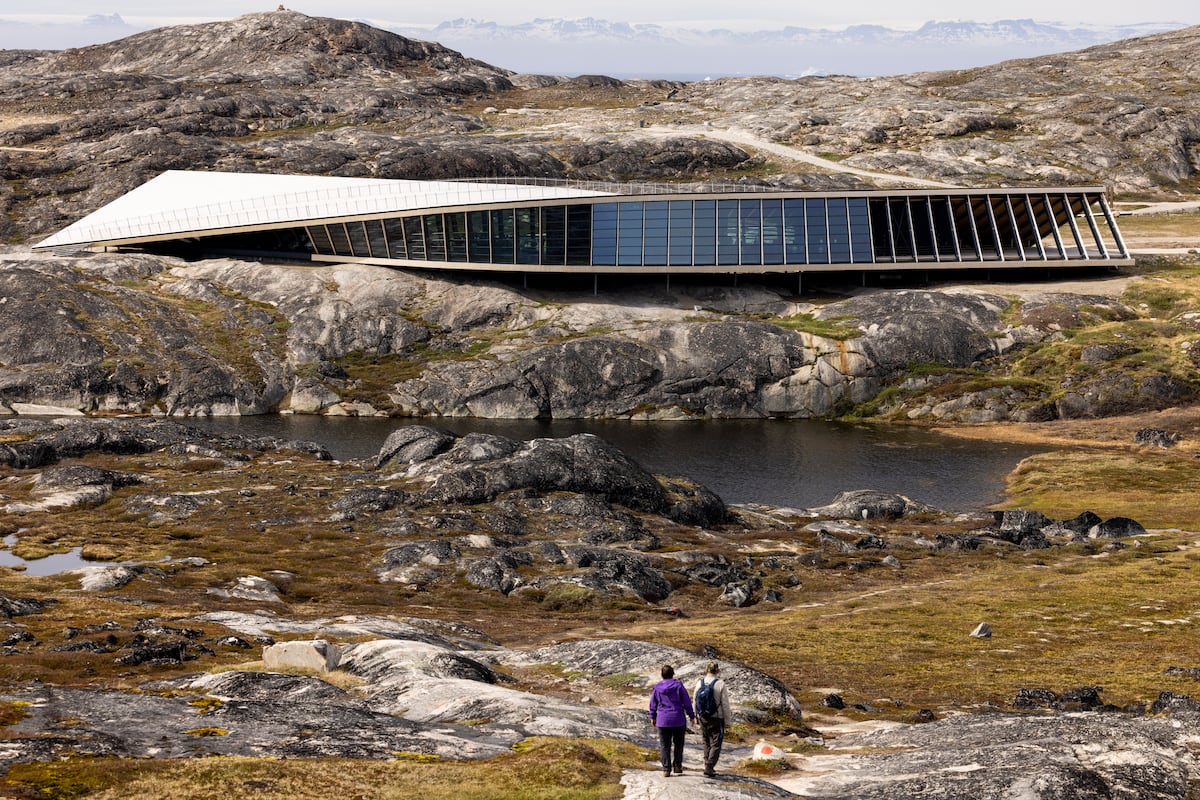
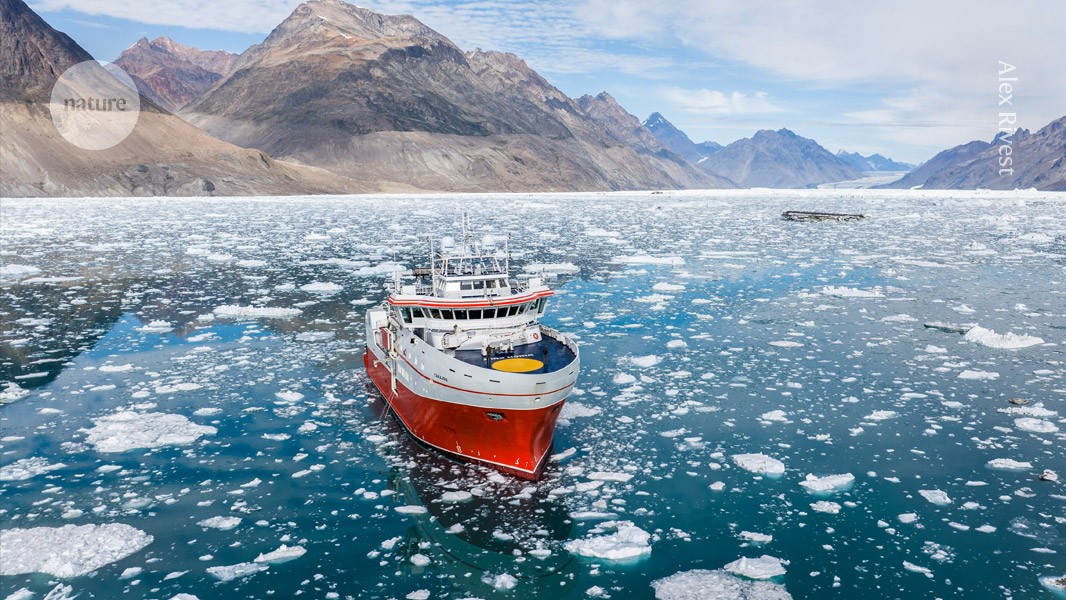
Greenland is important for global research: what's next for the island's science?

fromNature
2 months ago
Science

Greenland is important for global research: what's next for the island's science?

fromwww.theguardian.com
2 months ago

We cannot say for sure these wolves come from Russia': Finns try to fathom cause of record reindeer deaths

Juha Kujala no longer knows how many reindeer will return to his farm from the forest each December. The 54-year-old herder releases his animals into the wilderness on the 830-mile Finnish-Russian border each spring to grow fat on lichens, grass and mushrooms, just as his ancestors have done for generations. But since 2022, grisly discoveries of reindeer skeletons on the forest floor have disrupted this ancient way of life.
Miscellaneous
fromwww.dw.com
2 months ago

From Inuit to Vikings to Trump: The history of Greenland

Early migration and Erik the Red The first humans settled in Greenland around 4,500 years ago. They came from the North American continent. In the 12th century, they were gradually displaced by Asian immigrants, the Thule people, who arrived on the island from Siberia via the Bering Strait. Their descendants are the Inuit, from whom most of the 56,000 Greenlanders today are descended.
History
Relationships
fromCN Traveller
1 month ago

I flew to the Arctic Circle to meet a man I once ghosted

Chanté Joseph met a compelling match in Rio, ghosted him, and months later reunited with him in the Arctic Circle during an emotionally challenging trip.
Environment
fromThe Walrus
2 months ago

What's a Walrus? A Beast, Actually | The Walrus

Independent journalism confronts threats—climate of misinformation, economic fragility, and algorithm-driven conflict—and commits resources to rigorous fact-checking to preserve factual reporting.
#alaska
UK news
fromwww.independent.co.uk
2 months ago

Scotland takes next step towards lynx reintroduction

The Independent seeks donations to fund accessible, on-the-ground reporting, enabling coverage of developments such as the proposed reintroduction of lynx to northern Scotland.
Science
fromPsychology Today
2 months ago

Secrets of the Sleeping Beauties of the Animal Kingdom

Some organisms can suspend metabolism for millennia and revive unchanged, carrying survival information throughout their bodies rather than confined to neurons.
fromSnowBrains
1 month ago

Alaska, A Place Known for Massive Snow Totals, Records Snowiest January in Recorded History - SnowBrains

Recently, Anchorage, Alaska's largest city with nearly 400,000 residents, has just recorded its snowiest January on record. Tucked in between the mighty Cook Inlet and pushed right up against the Chugach Mountains, Anchorage sits in prime location for some serious snow totals. Moisture from pacific storms builds up over the inlet, and thanks to orographic lift caused by the mountains, forces that moisture to drop over Anchorage. Thanks to Alaska's northernly location, that moisture often falls in the form of snow.
Snowboarding
fromwww.aljazeera.com
2 months ago

Who owns the Arctic?

Global warming is thawing the Arctic and igniting a high-stakes race for the riches beneath its ice. Global warming is heating up the Arctic, and global powers like the United States, Russia and China are manoeuvring to stake a claim to the resources under its melting ice. Some experts say the region, once known as an exception an island of international cooperation in the midst of geopolitical struggles is becoming the site of a second cold war.
World news
fromThe Atlantic
1 month ago

The Blind Spot at the Top of the World

He had flown in from Mar-a-Lago and, he told me, was there to observe. The next day, he watched as Åsa Rennermalm, a Rutgers University professor who studies polar regions, sat onstage with European foreign ministers and spoke out against cuts to U.S. science funding. "A leading US Arctic scientist is on stage absolutely ripping her country to the delight of the audience," Dans wrote on X. "Embarassing." He punctuated his post with an American-flag emoji.
US politics
Science
fromArs Technica
2 months ago

What ice fishing can teach us about making foraging decisions

Ice-fishing competitions reveal how social cues and group behavior influence human foraging decisions using GPS and head-mounted camera tracking in real-world conditions.
California
fromwww.mercurynews.com
2 months ago

What to be mindful of during coyote mating season

Coyotes are native, adaptive, generally avoid people, rarely attack, and people should manage pets and reduce misinformation to coexist safely.
Environment
fromFuturism
1 month ago

Forests Are Steadily Crawling North, Satellite Imagery Shows

Boreal forests are shifting northward and expanding due to warming, altering carbon sequestration potential and increasing young forest cover.
History
fromwww.theguardian.com
2 months ago

Forty years in the Siberian wilderness: the Old Believers who time forgot

An isolated Old Believer family, the Lykovs, lived decades in remote western Sayan Mountains without contact, sustaining a primitive homestead and rejecting some outside offerings.
#woolly-rhinoceros
Canada news
fromArchitectural Digest
1 month ago

In Greenland, Design Meets Glaciers, Gravesites, and a Galactic Ocean

Modern expedition cruising makes remote Arctic sites like Beechey Island and Franklin’s wrecks accessible, blending comfortable travel with encounters of historical tragedy and extreme conditions.
fromThe Walrus
2 months ago

What a Standoff with a Black Bear Taught Me about Life in Northern Alberta | The Walrus

I was five years old when I had my first encounter with a black bear. In the spring of 1990, my father, a wildlife biologist, brought home an orphaned three-month-old cub in a cardboard box. The cub's mother, having burrowed beneath the roots of an old tree, had been killed in the den by a logging excavator, but the cub, weighing barely more than a bag of apples, survived. Forestry workers caught the young bear and dropped it off at the Fish and Wildlife office in Peace River, Alberta, where my dad worked, and he called my mom with the news.
Miscellaneous
fromwww.scientificamerican.com
2 months ago

Svalbard's polar bears are showing remarkable resilience to climate change

Polar bears are the poster children of climate changeand for good reason. These giant bears hunt, mate and spend their days hanging out on Arctic sea ice, which is rapidly disappearing as the climate warms. But some polar bears, it seems, are far more resilient than we realized: new research suggests that in one region, the bears are adapting to the declining sea ice.
Environment
US politics
fromThe Walrus
2 months ago

Greenland Today, Canada Tomorrow | The Walrus

Trump threatened tariffs on European NATO allies over Greenland deployments, mischaracterizing Danish defenses and undermining NATO while exaggerating Russian and Chinese threats.
Travel
fromTravel + Leisure
2 months ago

A New Ranch-style Resort in Finnish Lapland Offers Reindeer Rides and 13 Villas With Private Saunas and Hot Tubs

Jänkä Resort & Ranch in Finnish Lapland offers nature-based luxury wellness—sauna, cold, silence—and animal interactions amid Northern Lights and secluded pine landscapes.
fromwww.dw.com
2 months ago

Arctic scientists 'feel pretty uncomfortable' on Greenland

Decades of successful scientific collaboration could be at risk if Europe-US political relations continue to fray over trade and defense issues. For more than 30 years, Arctic nations have worked together across the physical, biological and social sciences to understand one of the world's fastest changing regions. Since the late 1970s, the Arctic has lost around 33,000 square miles of sea ice each year roughly the same area as Czechia.
Science
fromTruthout
2 months ago

Trump's Greenland Plan Would Trample Indigenous Rights, "Militarize the Arctic"

Following the U.S. attack on Venezuela and the abduction of the president, the Trump administration is publicly saying it wants to take over Greenland, which has been controlled by Denmark for over 300 years.
World news
Environment
fromPsychology Today
1 month ago

Rewilding Rejects the We're-So-Special Exceptionalism

Rewilding requires rehabilitating human hearts, overcoming self-centeredness, and treating nature with compassion so ecosystems and nonhuman lives can flourish.
Science
fromwww.theguardian.com
2 months ago

Blind, slow and 500 years old or are they? How scientists are unravelling the secrets of Greenland sharks

Greenland sharks are not blind, overturning prior assumptions and revealing major gaps in understanding of their biology, aging, behavior, and climate vulnerability.
Environment
fromArs Technica
2 months ago

Narwhals become quieter as the Arctic Ocean grows louder

Underwater noise from Arctic shipping causes narwhals to go silent, stop feeding, and move away, threatening marine ecosystems and Indigenous food security.
fromwww.theguardian.com
1 month ago

On a knife edge': can England's red squirrel population be saved?

"I feel very lucky to have them on the farm. It's an important thing to try and keep a healthy population of them. They are absolutely beautiful," he said.
Environment
Miscellaneous
fromFast Company
2 months ago

How a facial recognition tool for bears can help manage wildlife

Facial-recognition technologies could help identify individual bears and reduce costly, stressful trapping required for DNA-based identification after unusual bear incidents.
US politics
fromwww.theguardian.com
1 month ago

What Trump's plans for the Arctic mean for the global climate crisis

Federal action begins leasing the Arctic National Wildlife Refuge Coastal Plain for oil and gas drilling, threatening tundra ecosystems, wildlife, and Indigenous homelands.
fromwww.theguardian.com
2 months ago

Experience: a bear moved into my house

The next morning, I checked the critter-cams and saw the bear again, now captured by a camera I'd placed by a little mesh-covered opening near the small basement under my house. I watched as a massive shape emerged from the hole. My brain refused to believe it. The bear looked too large to fit in that tiny gap. I watched it again, shocked. My hands started to sweat.
Environment
fromwww.dw.com
2 months ago

'Hands off Greenland' protests to draw thousands

Protests are also planned in the Danish cities of Aarhus, Aalborg, and Odense. The demonstration in Greenland's capital, Nuuk, is scheduled to begin at 4:00 pm (1500 GMT), according to the organizers, who say it is "against the United States' illegal plans to take control of Greenland." Demonstrators are set to march to the US consulate carrying Greenlandic flags. At least 900 people in Greenland said on its Facebook page that they planned to participate in the event.
Miscellaneous
fromPitchfork
2 months ago

Bjork Calls for Greenlandic Independence

Following the capture of Venezuelan president Nicolas Maduro by U.S. military forces on Saturday, January 3, President Donald J. Trump has revived his threats of annexing Greenland, currently a semi-autonomous region of Denmark. That same day, he was quoted in The Atlantic as saying "We do need Greenland, absolutely. We need it for defense." Then, on Sunday, he reiterated his stance to reporters aboard Air Force One.
US politics
Science
fromArs Technica
2 months ago

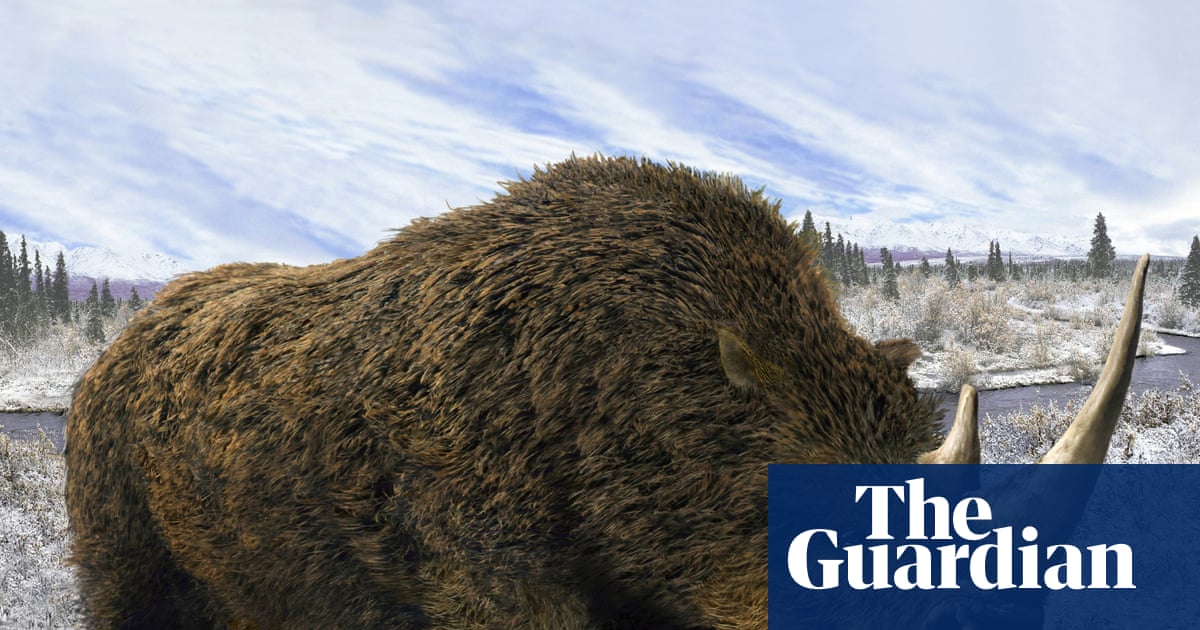
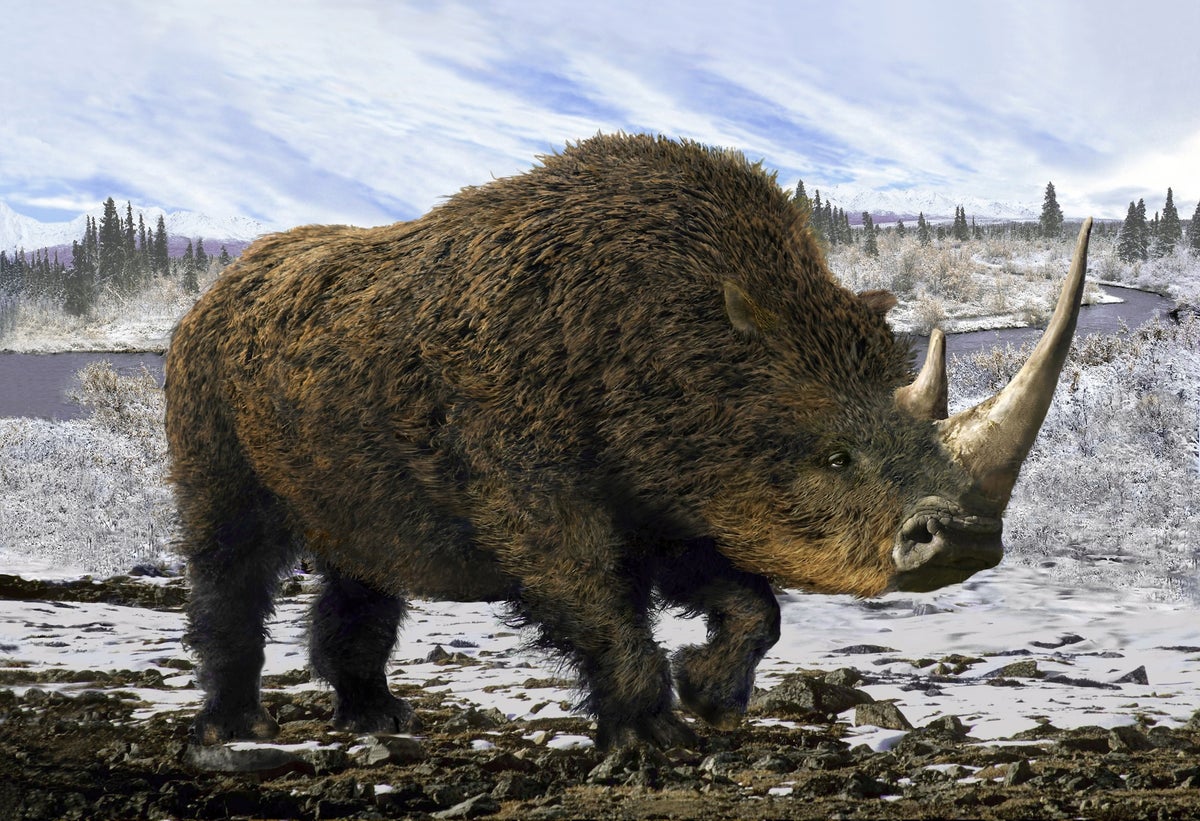
Scientists sequence a woolly rhino genome from a 14,400-year-old wolf's stomach

Woolly rhino effective population fell from about 15,600 to 1,600 between 114,000–63,000 years ago, then stabilized around 1,600 breeding individuals.
fromwww.theguardian.com
2 months ago

We thought they would ignore us': how humans are changing the way raptors behave

Many people look up to admire the silhouette of raptors, some of the planet's largest birds, soaring through seemingly empty skies. But increasingly, research shows us that this fascination runs both ways. From high above, these birds are watching us too. Thanks to the development of tiny GPS tracking devices attached to their bodies, researchers are getting millions of data points on the day-to-day lives of these apex predators of the skies, giving us greater insight into where they hunt and rest.
Environment
Environment
fromHigh Country News
2 months ago

Americans generally like wolves except when reminded of politics - High Country News

Public opinion toward gray wolves is broadly positive and growing, despite amplified perceptions of deep conflict driven by media and political narratives.
Environment
fromwww.theguardian.com
1 month ago

We are hopeful': small signs of recovery for Scotland's rare capercaillie bird

Capercaillie numbers in parts of the Scottish Highlands show promising recovery due to targeted habitat management and conservation interventions.
Science
fromSilicon Canals
1 month ago

9 natural disaster warning signs animals display before humans notice anything wrong - Silicon Canals

Animals often detect imminent natural disasters through subtle environmental cues and flee before humans.
Environment
fromNature
2 months ago

Defending endangered trees against climate change and hungry goats

Socotra's unique endemic trees face threats from climate-driven drought and free-ranging goats, requiring community-linked habitat restoration balancing conservation and local livelihoods.
[ Load more ]