Artificial intelligence
fromMedium
2 days agoMost Developers Are Using AI Wrong.
Using AI in coding can create an illusion of speed, leading to a lack of understanding and ownership of the code.
The dynamic type hints feature in Module Federation 2.0 dramatically streamlines the development process by automatically generating and loading types from remote modules, eliminating the need for shared type packages.
Dependabot sounded the alarm on a large scale. Thousands of repositories automatically received pull requests and warnings, including a high vulnerability score and signals about possible compatibility issues. According to Valsorda, this shows that the tool mainly checks whether a dependency is present, without analyzing whether the vulnerable code is actually accessible within a project.
Your coding apprentice can build, at your direction, pretty much anything now. The task becomes more like conducting an orchestra than playing in it. Not all members of the orchestra want to conduct, but given that is where things are headed, I think we all need to consider it at least.
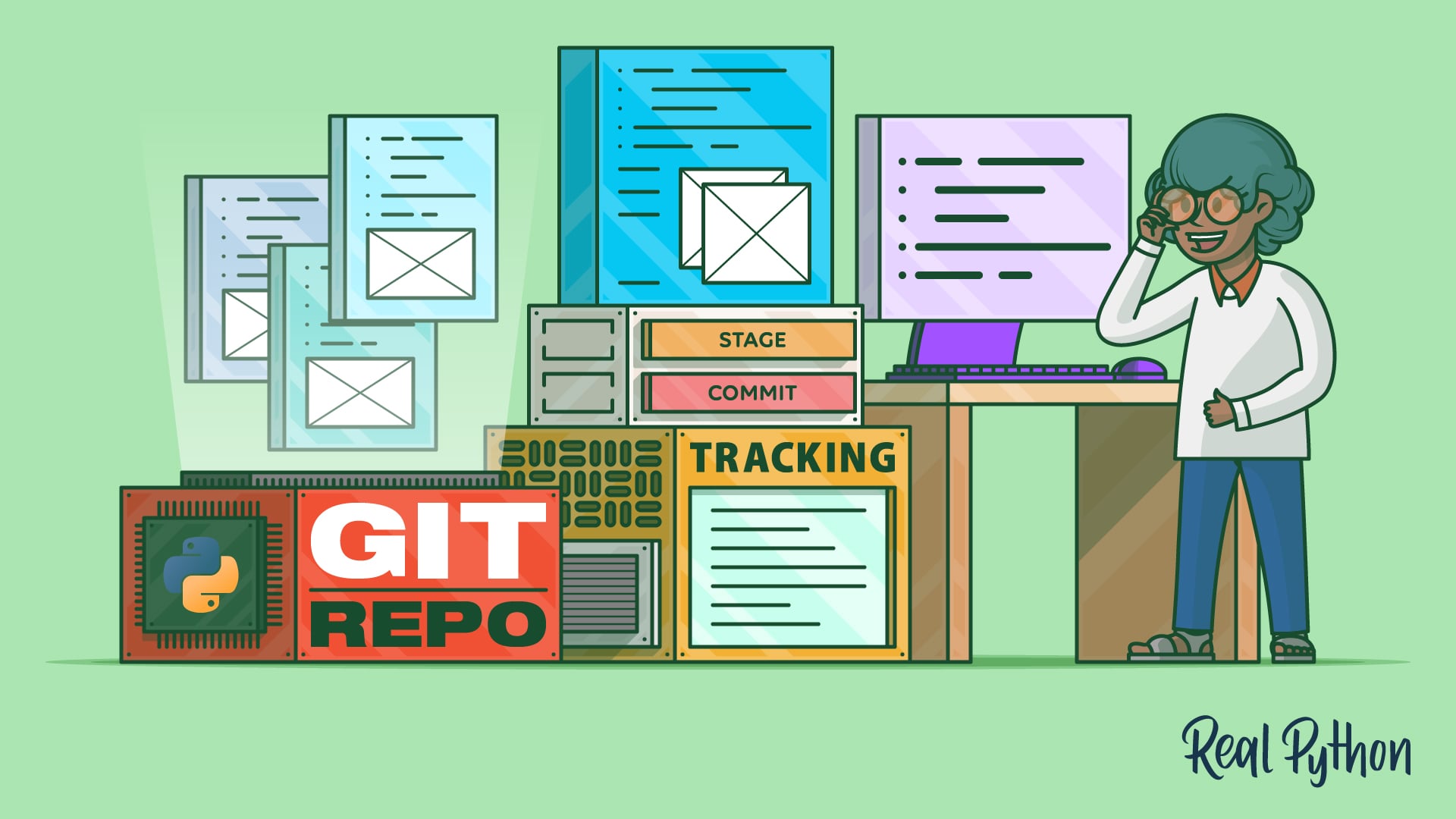
Software engineering didn't adopt AI agents faster because engineers are more adventurous, or the use case was better. They adopted them more quickly because they already had Git. Long before AI arrived, software development had normalized version control, branching, structured approvals, reproducibility, and diff-based accountability. These weren't conveniences. They were the infrastructure that made collaboration possible. When AI agents appeared, they fit naturally into a discipline that already knew how to absorb change without losing control.
Software development used to be simpler, with fewer choices about which platforms and languages to learn. You were either a Java, .NET, or LAMP developer. You focused on AWS, Azure, or Google Cloud. Full-stack developers learned the intricacies of selected JavaScript frameworks, relational databases, and CI/CD tools. In the best of times, developers advanced their technology skills with their employer's funding and time to experiment. They attended conferences, took courses, and learned the low-code development platforms their employers invested in.
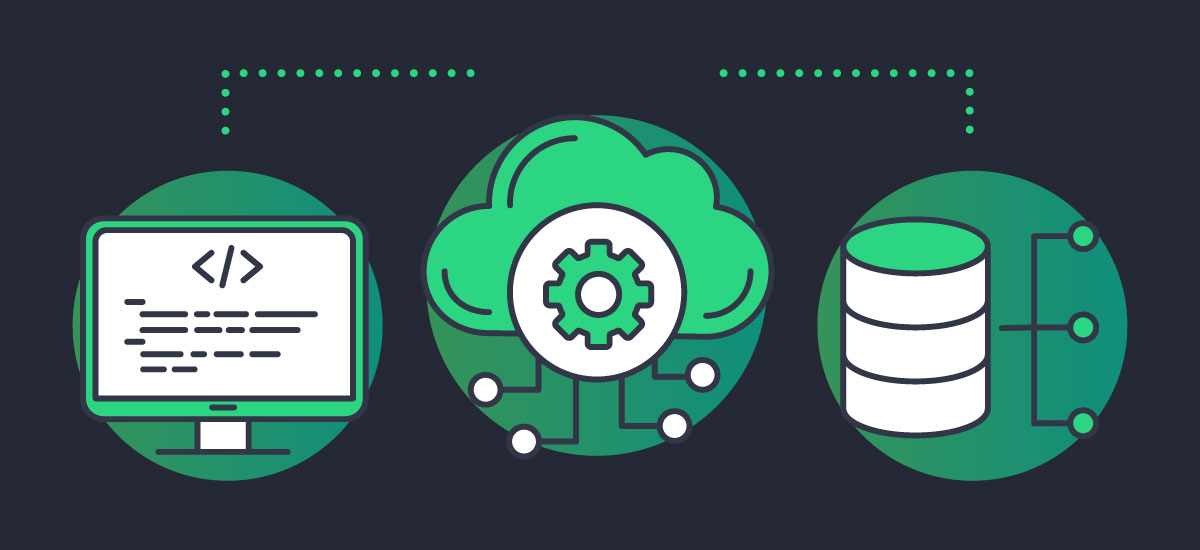
Over the past decade, software development has been shaped by two closely related transformations. One is the rise of devops and continuous integration and continuous delivery (CI/CD), which brought development and operations teams together around automated, incremental software delivery. The other is the shift from monolithic applications to distributed, cloud-native systems built from microservices and containers, typically managed by orchestration platforms such as Kubernetes.
Giving coding agents full access to all of Ramp's engineering tools is what makes Inspect truly innovative. Instead of only letting agents write basic code, Ramp's system runs in sandboxed virtual machines on Modal. It works seamlessly with databases, CI/CD pipelines, monitoring tools like Sentry and Datadog, feature flags, and communication platforms such as Slack and GitHub. Agents can write code and ensure it works by using the same testing and validation processes that engineers use every day.
Industry professionals are realizing what's coming next, and it's well captured in a recent LinkedIn thread that says AI is moving on from being just a helper to a full-fledged co-developer - generating code, automating testing, managing whole workflows and even taking charge of every part of the CI/CD pipeline. Put simply, AI is transforming DevOps into a living ecosystem, one driven by close collaboration between human judgment and machine intelligence.