#reproductive-health-clinics
#reproductive-health-clinics
[ follow ]







#womens-health

Women in technology
fromwww.independent.co.uk
3 weeks ago600 women's health leaders warn of social media censorship
Over 600 women's health leaders warn that social media platforms censor medically accurate women's health information, perpetuating harmful stigma around reproductive and gynecological topics.
Women in technology
fromwww.independent.co.uk
3 weeks ago600 women's health leaders warn of social media censorship
Over 600 women's health leaders warn that social media platforms censor medically accurate women's health information, perpetuating harmful stigma around reproductive and gynecological topics.


fromIndependent
6 days agoAsk Allison: My husband won't talk about our IVF heartbreak and he drinks - and drives, most nights
Rapid engagement and marriage can sometimes mask underlying issues that may only surface later, especially when couples have not lived together prior to tying the knot.
Relationships



NYC politics
fromCity Limits
4 weeks agoOpinion: New Yorkers Voted YES on Affordability. That Must Include Reproductive Health Care.
Reproductive health care access is foundational to economic stability and must be integrated into New York's affordability agenda to prevent lifelong health consequences.
fromIndependent
1 week ago'It's a huge amount of money': Modern fertility medicine is a miracle - but it's also a booming business
Since the first IVF baby was born in 1978, technological advancement of reproductive medicine has enabled millions to have children, marking a significant milestone in medical history.
Medicine
Public health
fromwww.independent.co.uk
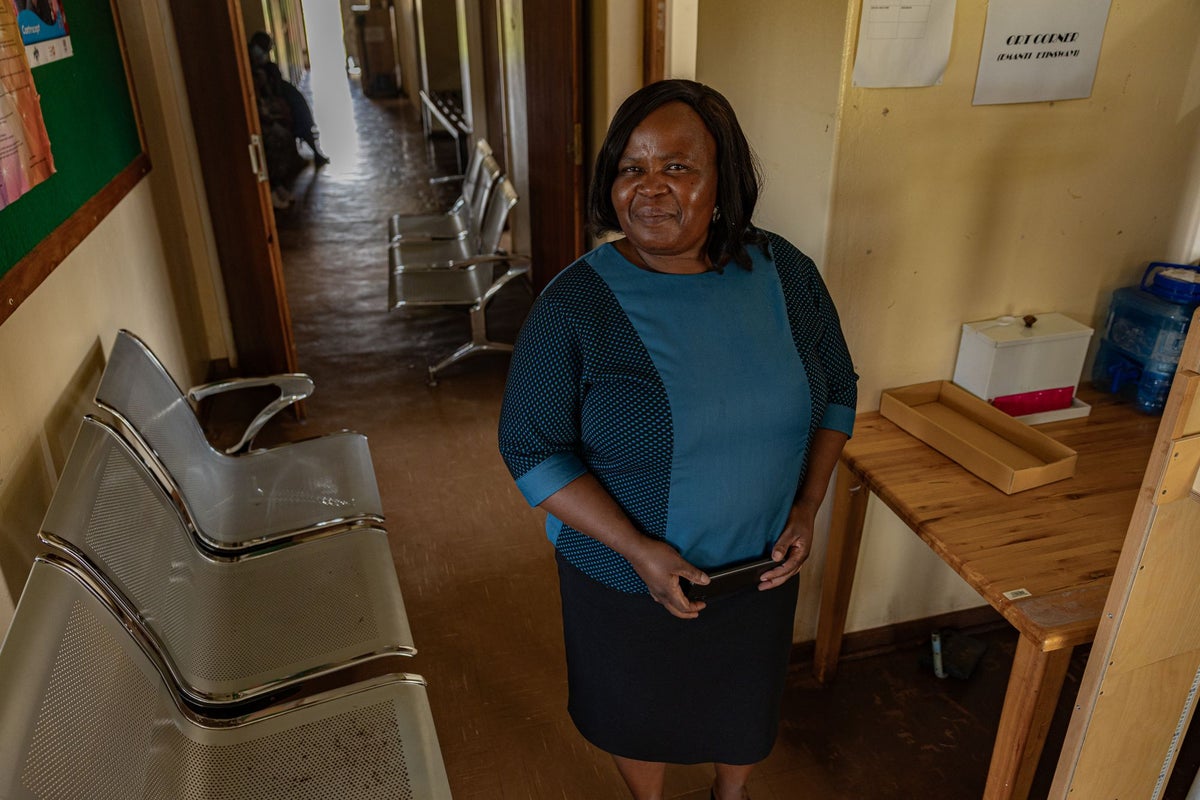
2 weeks agoWomen almost 150 times more likely to die from maternal sepsis in Africa than Europe
Women in sub-Saharan Africa are 150 times more likely to die from maternal sepsis than mothers in developed nations due to inadequate water, sanitation, and hygiene infrastructure in maternity wards.
fromTruthout
1 month agoFederal Funding for People in Poverty Is Going to Anti-Abortion Centers Instead
The bulk of the money Missouri gives to its crisis pregnancy centers comes from federal funds meant to assist families experiencing poverty with basic necessities and child care, Republican Rep. Jason Smith said on the U.S. House floor in January. As many as $3 of every $4 for pregnancy centers in Missouri was from the federal Temporary Assistance for Needy Families program in 2024, and in the 2026 fiscal year, it will be $2 out of $3.
Non-profit organizations
Women in technology
fromNature
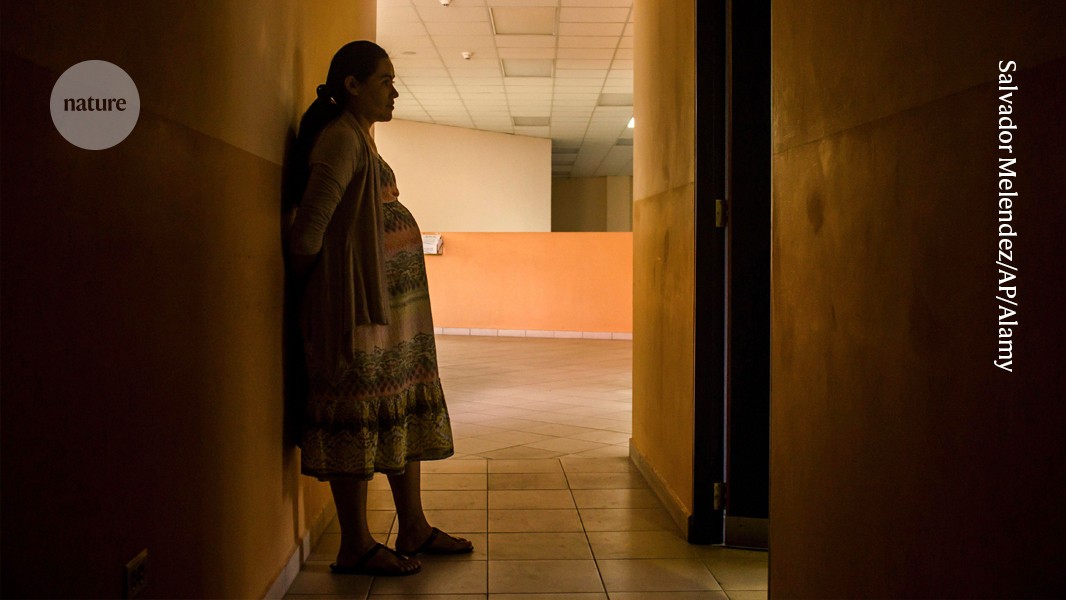
1 month agoUncharted: Understanding women's health across the body
Women's health remains largely understudied due to historical exclusion from clinical research, creating significant gaps in understanding disease prevention, diagnosis, and treatment across most health conditions.
fromJezebel
2 weeks agoFlorida Forced 2 Black Women to Have C-Sections They Didn't Want
Pregnancy is the only condition where Florida courts have ruled that a patient can be forced to undergo unwanted treatment. Even a state prisoner on a hunger strike has more rights to make medical decisions.
Medicine
Healthcare
fromwww.theguardian.com
2 weeks agoMillions of Americans are about to lose access to birth control. Why? | Moira Donegan
Title X program funding may expire March 31 due to Trump administration's refusal to complete administrative renewal tasks, threatening sexual and reproductive healthcare access for 2.3 million low-income Americans.
Health
fromTODAY.com
1 month agoWhat Are Period Underwear and Are They Safe for Teens? An OB-GYN Explains
Period underwear are absorbent undergarments designed to replace or supplement traditional menstrual products, featuring moisture-wicking layers and available in various styles that resemble regular underwear.
#endometriosis-diagnosis


Medicine
fromwww.scientificamerican.com
3 weeks agoLike knives inside my body': How a new ultrasound simulator could help doctors better diagnose endometriosis
Endometriosis affects 10% of people with uteruses globally, causing severe pain and infertility, with a new ultrasound simulator training device improving clinician diagnosis accessibility.
fromLos Angeles Times
1 month agoThere were 13 full-service public health clinics in L.A. County. Now there are 6
Because of budget cuts, the Los Angeles County Department of Public Health has ended clinical services at seven of its public health clinic sites. As of Feb. 27, the county is no longer providing services such as vaccinations, sexually transmitted infection testing and treatment, or tuberculosis diagnosis and specialty TB care at the affected locations, according to county officials and a department fact sheet.
Public health
fromFast Company
2 months agoThe untapped business case for male contraception
For more than 60 years, contraception has been almost exclusively a women's responsibility. Today, women have more than 14 modern contraceptive options, while men have just two: condoms and vasectomies. That imbalance has pushed women to shoulder physical side effects, financial burden, medical risks, and the career impact of family planning-costs that have been accepted as the "status quo" for far too long.
Venture
fromBusiness Matters
1 month agoDr Janice Crowder: Discipline, Systems and Decades in Women's Healthcare
Born and raised in Texas, Dr Crowder left the state to attend Howard University. She earned her Bachelor of Science degree in 1982 and her Doctor of Medicine degree in 1986 from Howard University College of Medicine. She returned to Texas to begin practising and later became board-certified in Obstetrics and Gynaecology in 1994.
Healthcare
fromTruthout
1 month agoTennessee Hospital Denies Woman Sterilization Surgery, Citing Duty to "Sacred Fertility"
Since I was young, I've never wanted kids, and I've wanted to pursue sterilization since I learned that that was something that a person could do. I've tried a lot of different options for birth control. None of them have worked for me.
Healthcare
fromBig Think
2 months agoThe medical myth that still shapes misunderstandings of women's health
Hysteria was long attributed to a wandering uterus. The earliest text blaming women's reproduction for illness was the Kahun Gynaecological Papyrus, an Egyptian medical scroll from 1900 BC. Women's wombs were blamed for things like choking, cognitive deficits and the inability to speak, and paralysis. Treatments for women were always nonsurgical: swallowing medicine or rubbing it on the body; fumigating the womb with oils or incense.
Women
fromPsychology Today
1 month agoWho Gets to Be a Mother?
We'd been working together for years to make my medication regimen-treatment for schizoaffective disorder-safe for potential pregnancy. Under her care, I was tapering off an antidepressant known to cause respiratory distress and hypertension in a newborn. I'd been experiencing wild mood swings, even suicidal thoughts. My beloved doctor's eyes were sad. "I'm saying no to a pregnancy, Meg." Even in the moment, I understood her priority as a physician was to keep me safe. Still, part of me hated her.
Mental health
fromLGBTQ Nation
1 month agoHIV impacts hundreds of thousands of women. Here's how. - LGBTQ Nation
The truth, of course, is that anyone can contract HIV, given the right circumstance, and according to the Yale University Library's online exhibition " We Are Everywhere: Lesbians in the Archive," by 1991 roughly 40% of HIV-positive people and 12% of AIDS patients in the U.S. were women. But a combination of longstanding bias in the medical field and the perception of HIV/AIDS as a gay epidemic led to women being excluded from research studies and clinical trials.
Public health
fromNonprofit Quarterly | Civic News. Empowering Nonprofits. Advancing Justice.
1 month agoGiving Birth Under Surveillance: Migrants, ICE, and Obstetric Violence | Nonprofit Quarterly | Civic News. Empowering Nonprofits. Advancing Justice.
Fear of detention or deportation is leading many immigrants to avoid medical appointments, even when those visits are essential. This chilling effect is particularly acute among pregnant individuals, who may delay or forgo prenatal check‑ups out of concern that seeking care could expose them to immigration enforcement. The result is a growing public health crisis: expectant patients are left without consistent medical oversight, and communities face widening disparities in maternal and infant health outcomes.
Public health
Public health
fromInside Higher Ed | Higher Education News, Events and Jobs
1 month agoHow One University Trains and Retains Rural Care Providers
Place-based medical education and satellite clinics at Touro University train and retain healthcare providers to serve rural, underserved Native American and other communities.
fromBusiness Insider
2 months agoWe want to hear your story about healthcare access
In 2026, the US healthcare system is changing. Enhanced Affordable Care Act subsidies have expired, causing premiums for marketplace plans to spike - and pricing some families out of health insurance entirely. President Donald Trump's One Big Beautiful Bill Act will reduce coverage for some patients with Medicaid and funding for hospitals, especially those in rural areas. Costs for Medicare and private insurance are also rising: Employer-based healthcare premiums have increased by 9%, the largest rise in more than a decade.
Healthcare
fromwww.dw.com
1 month agoRising teenage pregnancy among young teens in Philippines
Amid the Valentine's Day celebrations in the Philippines, declining teen pregnancies among older girls contrast sharply with rising cases among those under 15. Images of romance and young love fill social media feeds, restaurants, and shopping malls across the Philippines. Some local groups also use the season to distribute condoms and awareness flyers. However, behind the festivities lies a more complicated reality as national data show a worrying pattern behind the romantic veneer.
fromTODAY.com
2 months agoThe Best Present for Your Labor and Delivery Nurse is Absolutely Free
Hamilton makes it very clear that she and her fellow nurses are endlessly grateful for the gifts they have received from patients (like energy drinks, mints, donuts and hair ties). But at the same time, they don't expect them. And most importantly, the service they provide to their patients remains the same regardless of whether or not you give them a gift.
Public health
fromwww.npr.org
2 months agoAbout Us: Global Health and Development
NPR's global health and development team tells stories about life in our changing world, focusing on low- and middle-income countries also referred to as the Global South. And we keep in mind that we're all neighbors in this global village. NPR receives financial support for this team from the Gates Foundation. NPR is solely responsible for all content. Find more about NPR's standards and practices at NPR.org/ethics, as well as a list of our philanthropic supporters in our annual report.
Public health
[ Load more ]