#resettlement-cap
#resettlement-cap
[ follow ]
#immigration #human-rights #deportation #immigration-policy #migration #refugees #asylum #displacement




France news
fromLondon Business News | Londonlovesbusiness.com
3 days agoTwo migrants dead as Channel crossing ends in tragedy amid UK-France deal talks - London Business News | Londonlovesbusiness.com
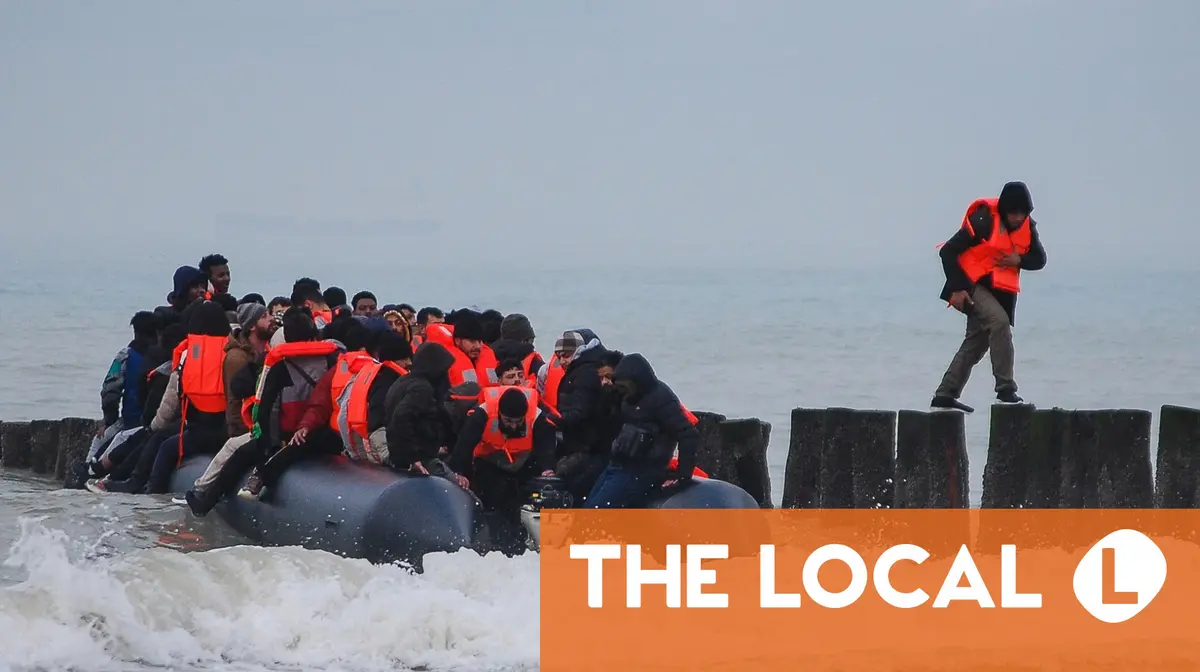
Two migrants died and one is missing after attempting to cross the English Channel, prompting a rescue operation.
fromenglish.elpais.com
2 weeks agoAfghan asylum seeker dies the day after being detained by ICE: His family deserves answers'
It is not normal for a healthy 41-year-old man to die less than 24 hours after being taken into government custody, said Shawn VanDiver, president of AfghanEvac, a San Diego-based group that helps Afghans who sought refuge in the United States after cooperating with U.S. authorities during the war in Afghanistan.
US news
fromFortune
3 weeks agoMore than 3 million Iranians have been displaced so far since the war started, setting up a potential migration crisis | Fortune
If they let me, I will stay in Van until the war ends. If the war doesn't end, maybe I'll go back and die. Pourkaz is one of the 3.2 million people in Iran who the U.N. refugee agency estimates have been displaced since the U.S.-Israel war with Iran started. While some are seeking shelter in safer parts of Iran or one of its neighboring countries, others are returning from abroad, heading toward the fighting to protect their families and homes.
Europe news
France politics
fromwww.aljazeera.com
2 weeks agoPalestinian refugees face new displacement as Israel's bombs hit Lebanon
Palestinian refugees in Lebanon, displaced since 1948, face renewed trauma and displacement as Israeli military operations intensify, forcing families from camps into further uncertainty.
fromSilicon Canals
3 weeks agoPeople who moved countries for love and people who moved countries for work carry completely different versions of displacement. One chose a person and lost a place. The other chose a place and discovered that without their people in it, a better country can still feel like a beautiful room with no furniture - Silicon Canals
She said she stood in her new kitchen, which had radiant floor heating and a view of the fjord, and cried because the bread smelled wrong. She'd moved from São Paulo for a man she'd met at a data science conference. The apartment was beautiful. The healthcare was extraordinary. The man was kind. And the bread smelled wrong, and that wrongness cracked open something in her she hadn't known was load-bearing.
Remote teams
Right-wing politics
fromThe American Conservative
3 weeks agoClose Foreign Consulates in U.S. Sanctuary Cities
Migrant-sending countries maintain extensive consulate networks in the United States primarily to serve their large diaspora populations, including undocumented immigrants, contributing to immigration enforcement challenges.
fromwww.theguardian.com
1 month agoAsylum seekers waiting over a year for claim in UK may be allowed to work under new measures
Up to 21,000 asylum seekers who have waited for a year for their claims to be processed could be allowed to enter the jobs market so they can support themselves, the Home Office has said, as part of a package of measures to be announced on Thursday. As the government seeks to empty asylum hotels, claimants who break the law, work illegally or are found to have enough assets to live without support will from June be ejected and lose their support payments.
UK news
Psychology
fromPsychology Today
1 month agoHow to Help Communities Rebound from Crisis and Disaster
Disaster psychology provides an empirically-based framework for building community resilience and growth during crises through understanding predictable psychological phases and natural recovery mechanisms.
fromwww.theguardian.com
3 weeks agoI am trying to live': Haitians in Mexico seek community despite broken immigration systems
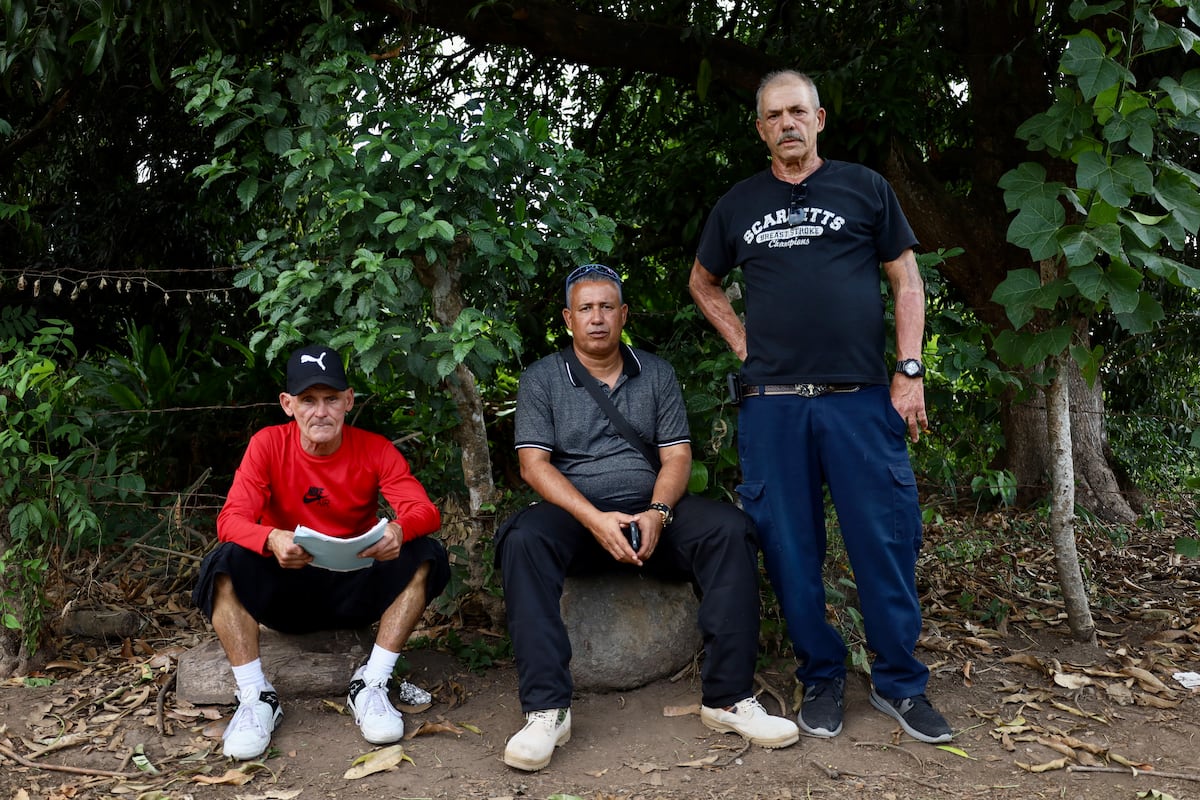
With time, as his research led to police intervention, he caught the attention of the city's gangs. In November 2024, during a period of escalating violence in the Haitian capital, gang members entered the compound where Gensley lived. They burned the radio station, my home and many other things in the area. They even killed his dog.
US news
#uk-immigration-policy

UK politics
fromwww.independent.co.uk
1 month agoHow many visas go to countries that have been affected by the halt on grants?
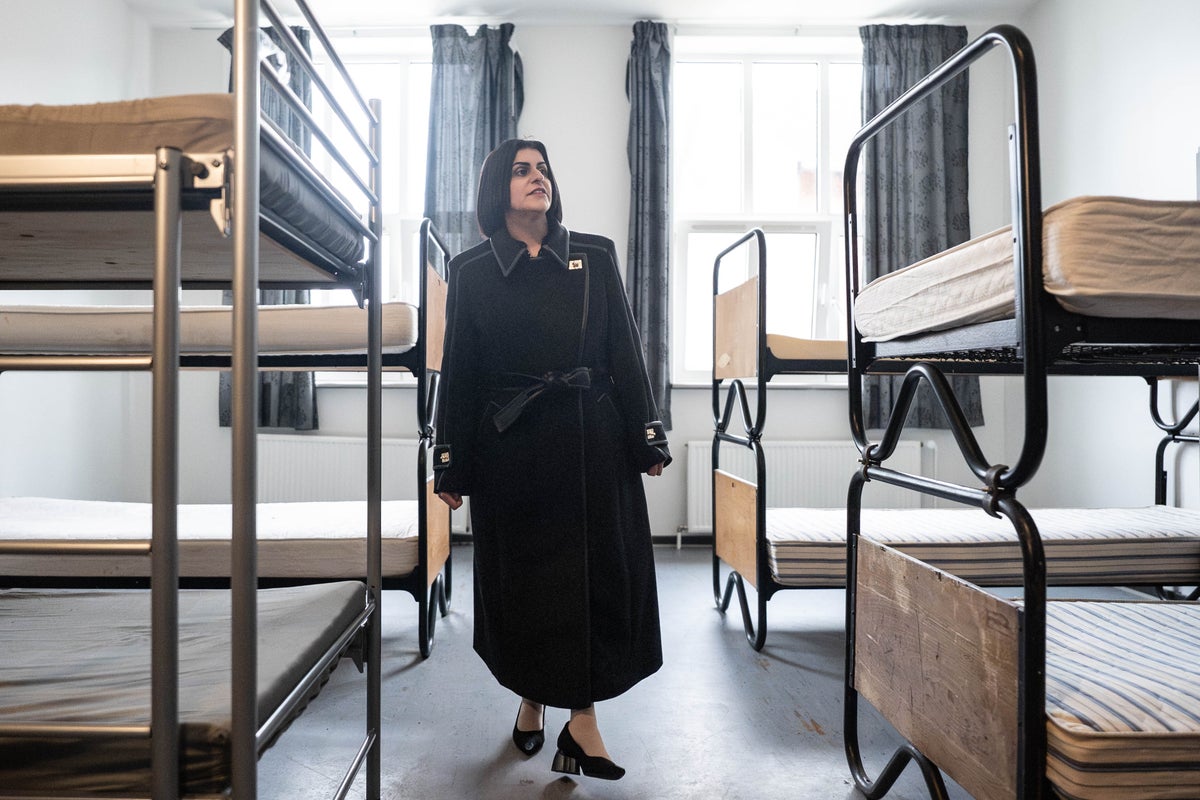
The UK government banned study visas for citizens from Afghanistan, Cameroon, Myanmar, and Sudan, despite these nations representing less than one percent of all study visas issued.
US politics
fromenglish.elpais.com
1 month agoThe dilemma of US-deported migrants in Cameroon: Trapped without rights or returned to danger
The Trump administration secretly deports migrants with legal protections to undisclosed African countries, including Cameroon, violating laws against deportation to countries where torture may occur.
World news
fromenglish.elpais.com
3 weeks agoNearly 800,000 people displaced by war against Iran and Lebanon
A February 28 U.S.-Israel attack on Iran and Lebanon displaced 767,700 people and left 14.1 million existing refugees in extreme vulnerability, while a 30% reduction in global humanitarian funding in 2025 severely constrains response capacity.
fromwww.thelocal.se
1 month agoDoes Sweden need an 'integration amnesty' to stop deportations?
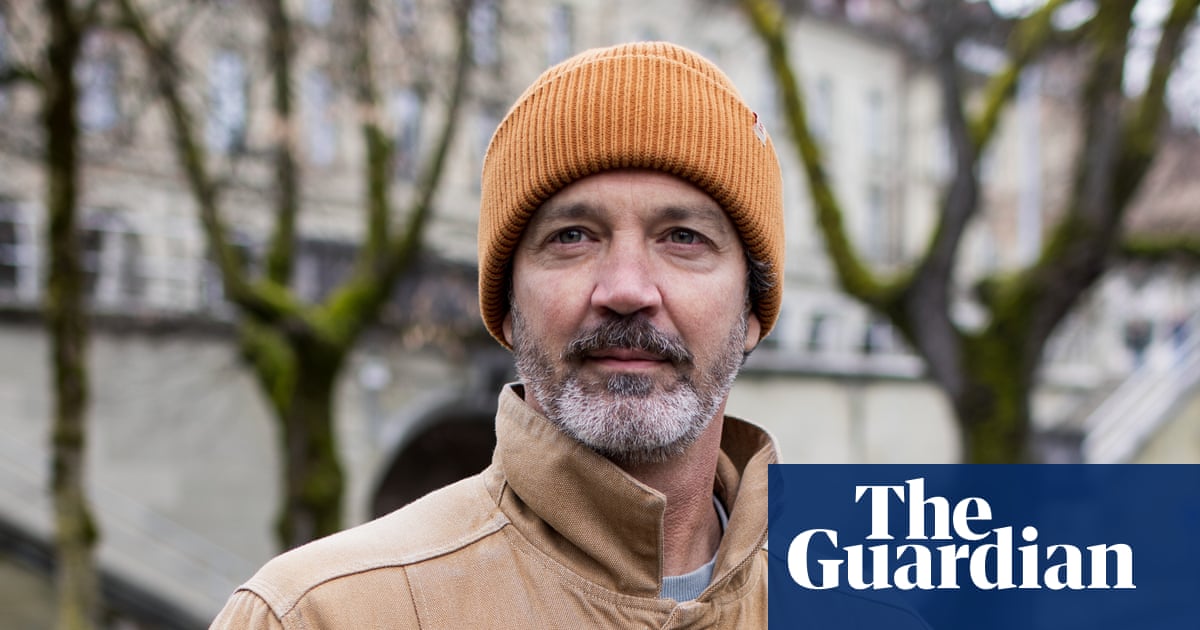
I do a video a day when I'm on my dog walk in Lund, and I try to find different topics to talk about. My son pointed out to me a video from national broadcaster SVT about a guy named Shahdad who came here from Iran when he was 14. Now he's 25 and he was about to be deported, even though his mum has a permanent residency and he had a job, so I did a video on him, because I didn't agree with that.
Europe politics
fromwww.bbc.com
1 month agoMahmood to set out curbs to asylum seeker support
The Home Office says the changes, due to take effect in June, will restrict accommodation and support payments to "those who genuinely need it". Ministers say the new rules will also remove assistance from asylum seekers who work illegally or break the law.
UK politics
UK politics
fromPinkNews | Latest lesbian, gay, bi and trans news | LGBTQ+ news
1 month agoTemporary refugee status poses 'constant threat' to LGBTQ+ asylum seekers
UK asylum rules now limit refugee protection to 30 months instead of permanent status, creating ongoing vulnerability for LGBTQ+ individuals facing persecution in countries designated as 'safe'.
fromIndependent
1 month agoThe long road West: 'We came to Ireland because I read that it was the most friendly place for Ukrainians to live'
Four years on from the invasion, we talk to the Ukrainians who have settled in Co Kerry, why they chose to come here, the heartbreaking stories from their homeland, and dealing with the 'small percentage of haters' The vast majority of the tens of thousands of Ukrainians who now live in Ireland could never have imagined they would still be here four years after the full-scale invasion of their country by Russia.
Miscellaneous
fromIndependent
1 month agoUkrainian stories: 'When we arrived here, we were like aliens from another planet. I had to start my life from scratch'
Four years on from the invasion, we talk to the Ukrainians who have settled in Co Kerry, why they chose to come here, the heartbreaking stories from their homeland, and dealing with the 'small percentage of haters'
Miscellaneous
fromwww.dw.com
1 month agoGermany cuts funding for integration of refugees
Muge Tuzcu Karakoc is certain that without an integration course, she would probably still not have properly settled in Germany by now. The Turkish journalist has been living in Germany for seven years. But it was only in 2024, when she started studying German every day alongside Ukrainians, Syrians, and Iranians that she felt the country she now lives in really opened its doors to her.
Germany news
fromwww.theguardian.com
1 month agoTo live a normal life again, it's a dream come true': UK's first climate evacuees can cast off their homes and trauma
When Storm Dennis hit the UK in 2020, a wall of dirty, frigid water from a tributary of the Taff threw Paul Thomas against the front of his house in the south Wales village of Ynysybwl. He managed to swim back into his home before the storm surge changed direction, almost carrying him out of the smashed-in front door. I was holding on to downpipes to stop myself being dragged out again.
Environment
fromwww.aljazeera.com
1 month agoCitizens of Nowhere: What It Means to Be Stateless in the US
Citizens of Nowhere is a documentary short about stateless people in the United States individuals who, through circumstance or legal technicality, belong to no nation. Without passports, citizenship or legal recognition, they live in a state of uncertainty. From finding work and accessing education, to simply existing within a system that does not officially recognise them, stateless people face endless bureaucratic barriers.
Film
UK news
fromwww.theguardian.com
2 months agoIt takes a town to raise a family': the community sponsors supporting refugees in the UK
Community sponsorship enables Afghan refugee families to integrate into rural Derbyshire by providing housing, language, benefits, and social support leading to cultural assimilation.
fromwww.cbc.ca
1 month agoRefugee says many staying at North York shelter are 'not ready' for the centre to shut down | CBC News
Isaac Tumuramye has called the Willowdale Welcome Centre home since he came to Toronto from Uganda two years ago. But the shelter, which serves refugees experiencing homelessness in Toronto, is closing at the end of May. Tumuramye says he's scared about what the future holds and others staying at the shelter feel the same. "We're not ready yet, we're still trying to make life happen," he said.
Canada news
Miscellaneous
fromenglish.elpais.com
1 month agoTrapped in Europe's largest migrant settlement: The forces sustaining Italy's informal economy
An informal settlement near Foggia, Borgo Mezzanone houses thousands of undocumented migrants living without basic services while providing cheap agricultural labor.
fromwww.theguardian.com
1 month agoHome Office age assessment scheme endangers child refugees and must be scrapped, NGOs say
The board employs more than 50 social workers to conduct the assessments, but some children have said they are out to get them. The report finds that in some cases the process has led to children's deteriorating mental health, including self-harm and suicidal ideation, and that going through a Home Office age assessment is far more severe and traumatic than a comparable experience with a local authority social worker.
UK politics
fromNature
1 month agoHow to rescue the aid industry: focus on conflict prevention, not just relief
In 2025, the administration of US President Donald Trump ordered the US Agency for International Development to be closed; this year, it withdrew the country from 66 international organizations. Other Western nations that are plagued with high levels of debt and pressure to prioritize domestic challenges have slashed their foreign aid, too. According to projections, official development assistance dropped by 9-17% in 2025, amounting to some US$55 billion.
World news
fromwww.dw.com
2 months agoEU asylum policy: What changes for refugees in Germany?
The Common European Asylum System (CEAS) is the European Union's legal framework to create uniform, fair, and efficient standards for processing asylum applications. The system's reform, agreed in 2024, will become legally binding in Germany and throughout the EU in June, 2026. EU member states had a two-year implementation period during which the new rules including stricter border procedures were transposed into national law.
Europe politics
fromwww.dw.com
1 month agoGerman government pushes Syrians to return to their homeland
Of these, 3,678 of them have already gone back to their home country. For German Interior Minister Alexander Dobrindt, this is proof of the migration policy that he has been promoting: "Those who have no prospect of staying receive targeted support for their voluntary repatriation." This "targeted support" includes the cost of the flights and 1,000 (ca. $1200) per adult and 500 for minors.
Miscellaneous
fromArchDaily
1 month agoMoving Capitals Across Global Contexts: From Strategic Planning to Environmental Necessity
Across history, the relocation of capital cities has often been associated with moments of political rupture, regime change, or symbolic nation-building. From Brasília to Islamabad, new capitals were frequently conceived as instruments of centralized power, territorial control, or ideological projection. In recent decades, however, a different set of drivers has begun to shape these decisions. Rather than security or representation alone, contemporary capital relocations are increasingly tied to structural pressures such as demographic concentration, infrastructural saturation, environmental risk, and long-term resource management.
World news
[ Load more ]