New York City
fromGothamist
1 day agoReforms to 'wild west' private trash industry come to Manhattan's Chinatown
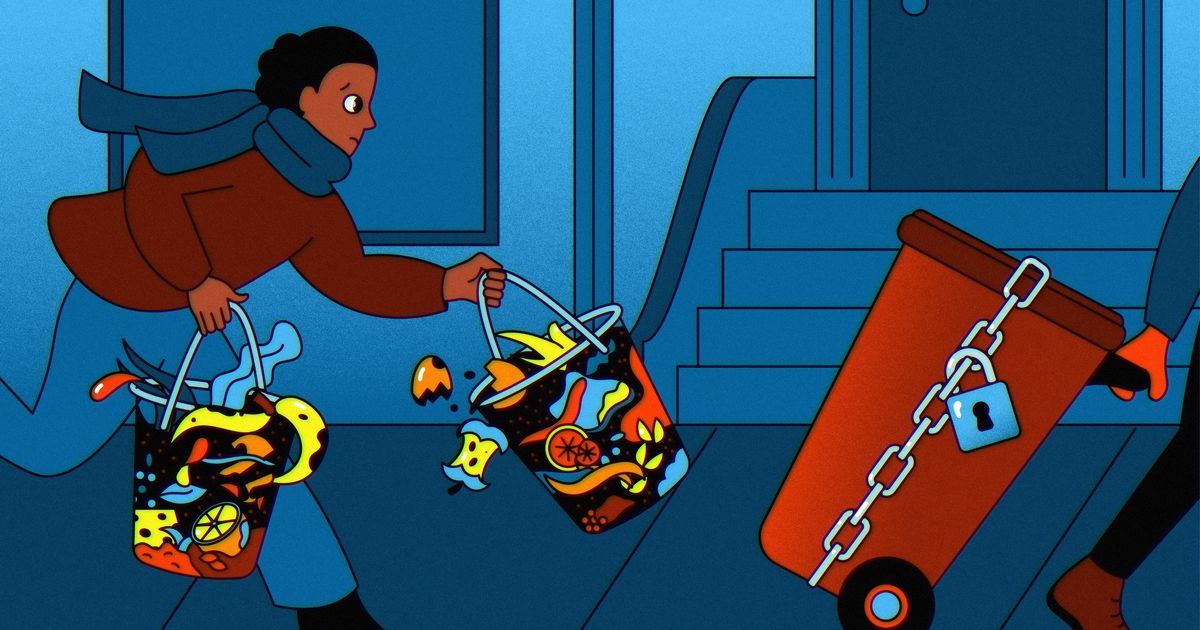
Manhattan's Chinatown will implement new trash reforms requiring businesses to use authorized waste companies by May 2024.
'Never ever use these three things in a hotel room,' she warned in a video. Her first tip was to avoid using the 'wall-mounted refillable containers with soap and shampoo' now commonly found in hotel bathrooms.
As commissioner, Gregory will carry forward the transformative projects he helped build, from waste containerization and curbside composting to commercial waste reform... I look forward to working with Gregory to keep pushing forward to build a cleaner, healthier and more just city for all New Yorkers.
MVHR (Mechanical Ventilation with Heat Recovery) systems are designed to continuously replace stale indoor air with fresh outdoor air while recovering heat that would otherwise be lost. In commercial and residential buildings, this technology provides several important advantages. First, it allows buildings to remain energy efficient without sacrificing airflow.
Checking your equipment once a month helps catch small issues before they turn into expensive repairs. A routine keeps everything running smoothly and extends the life of the hardware. Managers should create a simple checklist for their maintenance staff to follow.
All of the grease, oil, baked-on food residues, and other debris can also be a fire hazard. When you use your oven, this debris could be releasing dangerous, and even toxic, smoke and fumes into your home. Dirty ovens even reduce the overall lifespan of your appliance, and can lower its efficiency and damage heating components.
When you hire the cheapest operator in town, you usually aren't getting a clean floor. You are getting a soaking wet carpet, hidden upcharges, and a sticky chemical residue that acts like a dirt magnet the second it dries.
Living in New York City requires a constant negotiation between what we owe our neighbors and what our neighbors owe us. In an ideal world, you and your neighbor would have a mutual understanding about why it's good for everyone to keep a clean building, but if she is indeed hoarding then it's hard to imagine she's able to give you what she can't even give herself. This is a pickle.
When you lack the good fortune of having an in-unit washer and dryer like I do, you have to be extra judicious about how many times you wear clothes before tossing them in the hamper. Laundry piles up quickly, after all, and I refuse to go to the laundromat more often than necessary. The only issue with re-wearing clothing items is that they wrinkle - fast - and they don't always smell daisy-fresh, if you catch my drift.
If you were a child of the '70s or '80s, you may remember the bubbling sound of hydrogen peroxide fizzing on an open wound. Back then, it was the go-to for parents who were looking to disinfect the cuts and scrapes that their kids would come home with. Since then, science has shown that it's actually not all that great for a wound, but there's no need to throw out that bottle if you do find one.
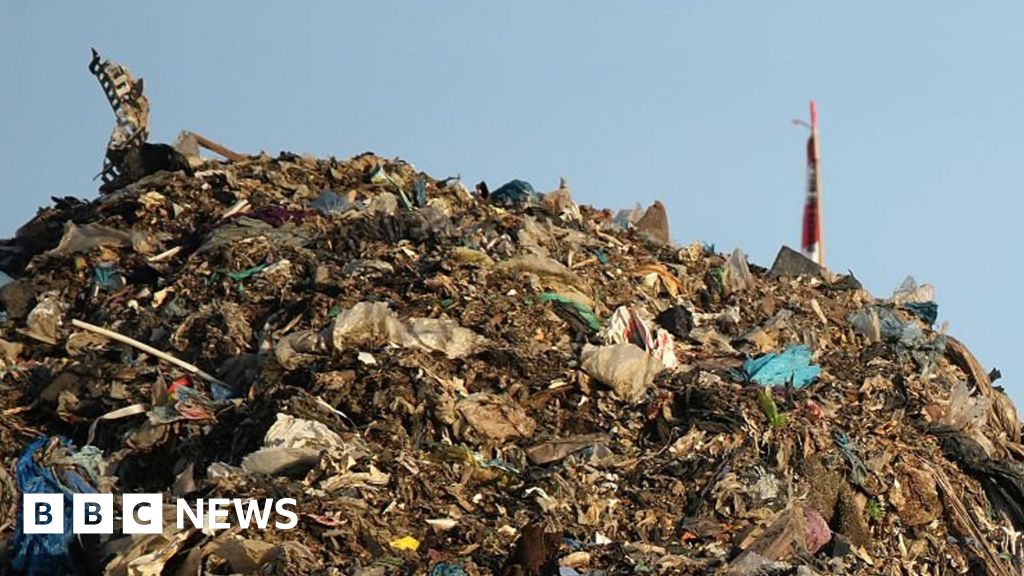
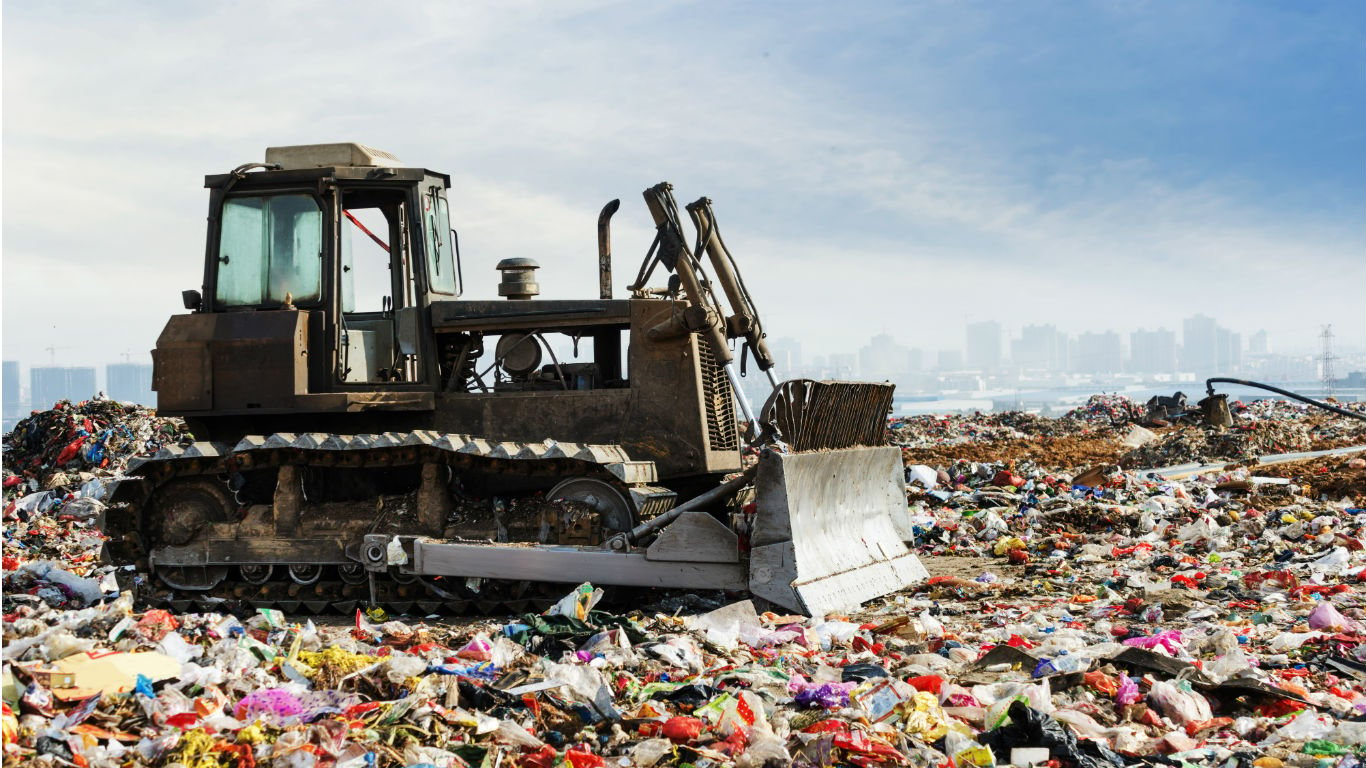
Americans are likely to have spent a record $1 trillion-plus this holiday shopping season alone, and about $5.5 trillion in retail sales in all of 2025, according to estimates by the National Retail Federation. That includes many unhappy returns for retailers: And when it comes back to them, a lot of the $850 billion in returned merchandise is often cheaper to discard than to inspect, sort, and resell-adding millions of tons to landfills every year.
Kids and clean cars don't mix. Between snack crumbs, stray toys, and sticky fingerprints, your backseat can feel like a disaster zone. No matter how often you tidy up, the mess always returns. So how to keep the car clean? But a messy car doesn't have to be your reality! With simple systems and quick clean-up habits, you can keep things under control. The key is working with the chaos instead of against it -because kids will always make a mess.
Though they're individually tiny, parking spots quietly play a dominant role in shaping urban landscapes. Most US cities dedicate at least 25% of their developable land to them. Some, even more. That land usage doesn't only determine the way a city looks. It also means covering large swathes of urban areas in heat-absorbing asphalt, which contributes to making summers hotter and heightens the risk of flooding since it prevents drainage during storms and heavy rainfall.
The global average building utilization rate dramatically jumped in 2025 to 53%, the highest since before the pandemic, validating the effectiveness of hybrid strategies in driving more in-office activity, according to CBRE. Utilization rates were 38% in 2024 and 35% in 2023, compared to the 65% that most respondents to CBRE's global workplace occupancy benchmarking program identified as their target.
I'll be honest: Washing my actual pillows (not just the cases) used to be one of those chores I knew I should be doing, but rarely actually did. As long as my pillows were tucked inside clean pillowcases, I convinced myself they were fine. But that all changed after I came across this article on Apartment Therapy where three popular pillow-washing methods were put to the test.
Clean Harbors just locked in a $110 million contract for PFAS water filtration at Joint Base Pearl Harbor-Hickam. This isn't just another project win. It's validation of the company's end-to-end PFAS solution: lab analytics, water filtration, site remediation, and most critically, high-temperature incineration disposal.
I was that person who only changed their HVAC filter when it looked like it had grown its own ecosystem. Richie Drew, Vice President of Operations at One Hour Heating & Air Conditioning, puts it bluntly: "Dirty filters can reduce airflow, increase dust in your home and strain your heating system." Think about it this way: your HVAC filter is like the bouncer at an exclusive club, except instead of keeping out people without the right shoes, it's blocking dust particles from circulating through your home.
When it's dreary outside, I usually hunker down and do household chores - running the dishwasher, catching up on laundry, maybe even taking a long shower and shaving my legs. These days, though, I take the opposite approach: I never do chores that require water use when it's raining outside. That's because I recently learned that my city, Milwaukee, has a shared sewer system - which means rainwater runoff, domestic sewage, and industrial wastewater collect in the same pipes.
If you want to hang art, tighten loose drawer pulls, change lightbulbs, and safely plug in electronics (read: live your day-to-day life!) at home, you'll want to keep a few basic tools on hand. - Former Home Projects Editor, Sarah Everett 1. A Flathead Screwdriver 2. A Phillips Head Screwdriver 4. An Electric Screwdriver or Power Drill 8. An Assortment of Nails 9. Extra Screws, Nuts, and Bolts 16. Oil and Water-Displacing Spray
Cities around the world share a common goal: to become healthier and greener, supported by civic infrastructure that restores ecosystems and strengthens public life. The question is how to reach this. Global climate targets, local building codes, and municipal standards increasingly guide designers and planners toward better choices. Still, many cities struggle to translate these frameworks into everyday, street-level comfort and long-term ecological protection.
When Derek Eder started looking for an all-electric heating system for his 100-year-old home in Oak Park, some local furnace installers refused to work with him, saying the technology wasn't up to the challenge of a Midwestern winter. Other installers told him they'd do the job, but only if he invested in a natural gas backup system for very cold days. But Eder, who was trying to go all-electric at home to fight climate change, pressed on, eventually finding a local company that was happy to replace his gas furnace with two high-efficiency electric heat pumps and an all-electric backup system.