#retirement-privacy
#retirement-privacy
[ follow ]




#retirement


Retirement
from24/7 Wall St.
2 days agoThe Hidden Retirement Costs Tax Planning Can Help You Avoid
Tax planning is essential for managing retirement income and lifestyle, despite differing opinions on its importance.
Retirement
fromFortune
2 days agoCyprus and Ireland top list of best places to retire-as boomers are forced to 'unretire', the only real solution is to move abroad | Fortune
Rising living costs are forcing retirees to reconsider their retirement plans, with Cyprus and Ireland emerging as top destinations for affordable living.
Retirement
fromSilicon Canals
2 days agoPsychologists explain that people who feel neglected in retirement aren't necessarily being ignored - they're experiencing the sudden absence of the role-based relationships that made them feel valued for forty years - Silicon Canals
Retirement can lead to feelings of invisibility and loss of identity as relationships formed at work fade away.
Relationships
fromSilicon Canals
1 day agoI retired at 64 with a generous pension and a calendar full of plans - and by month three I was staring at my phone realizing I had nobody to call just to talk, not because I needed something - Silicon Canals
Retirement can lead to unexpected loneliness and a realization of the lack of genuine friendships built outside of work.
Retirement
fromFortune
2 days agoCyprus and Ireland top list of best places to retire-as boomers are forced to 'unretire', the only real solution is to move abroad | Fortune
Rising living costs are forcing retirees to reconsider their retirement plans, with Cyprus and Ireland emerging as top destinations for affordable living.
Retirement
fromSilicon Canals
2 days agoPsychologists explain that people who feel neglected in retirement aren't necessarily being ignored - they're experiencing the sudden absence of the role-based relationships that made them feel valued for forty years - Silicon Canals
Retirement can lead to feelings of invisibility and loss of identity as relationships formed at work fade away.
Psychology
fromSilicon Canals
6 hours agoPsychology says the reason older people stop caring isn't emotional withdrawal - it's that they've finally learned to distinguish between what actually matters and what they were only caring about out of social obligation - Silicon Canals
Older individuals prioritize emotional connections over superficial relationships as they age, focusing on what truly matters in their lives.
Mental health
fromSilicon Canals
12 hours agoPsychology says the loneliness that arrives after 65 isn't an inevitable feature of aging - it's the accumulated result of every friendship that was allowed to thin, every phone call that was delayed, every invitation that wasn't extended, compounded quietly over decades until the social life that once maintained itself without effort requires more effort than it has ever required and more energy than is currently available - Silicon Canals
Loneliness often stems from a series of small decisions that weaken social connections over time.
fromTasting Table
18 hours agoWhy Boomers Tend To Save More Money On Groceries - Tasting Table
Boomers are far more likely than any other group to be aware of price increases. When prices go up, they cut back on non-essential items and avoid impulse buys, with just 53% succumbing to them.
Fashion & style
NYC parents
fromwww.businessinsider.com
5 days agoI started raising my grandson just a few months into my retirement. My wife and I want to give him a good life, but it's financially draining.
Martin Odum and his wife are raising their grandson Noah, who has spina bifida, after previously raising their granddaughter.
#retirement-planning
Retirement
fromFortune
13 hours agoGen Z are already more bullish than millennials about early retirement-and many think they can quit work for good with just $500,000 | Fortune
Gen Z and millennials are planning for retirement with ambitious savings goals, but many may face challenges in achieving them.

fromSilicon Canals
2 days agoRetirement
I retired in January 2026 with $780,000 saved and by March I was back applying for part-time work - not because I needed the money but because inflation had made my 'enough' feel like barely surviving and I couldn't watch my future shrink in real time - Silicon Canals
Retirement
fromFortune
13 hours agoGen Z are already more bullish than millennials about early retirement-and many think they can quit work for good with just $500,000 | Fortune
Gen Z and millennials are planning for retirement with ambitious savings goals, but many may face challenges in achieving them.
Retirement
fromSilicon Canals
2 days agoI retired in January 2026 with $780,000 saved and by March I was back applying for part-time work - not because I needed the money but because inflation had made my 'enough' feel like barely surviving and I couldn't watch my future shrink in real time - Silicon Canals
Retiring early can lead to unexpected financial challenges due to inflation, even with substantial savings.

Relationships
fromSilicon Canals
4 days agoPsychology says the most isolating part of retirement isn't being alone - it's realizing that most of your relationships were held together by proximity, routine, and utility, not genuine curiosity about who you are - Silicon Canals
Most relationships are maintained by physical proximity rather than genuine connection, a truth that becomes evident in retirement.
Parenting
fromBusiness Insider
4 weeks agoI'm 83 and raised my grandchildren and great-grandchildren. I work part-time for extra money and hope to retire by 90.
Sue Miller, 83, raised seven family members across three generations while working multiple jobs, and continues working as a lunch lady despite cancer, driven by her resilience and desire to live until 100.
#retirement-savings



from24/7 Wall St.
1 month agoRetirement Planning Mistakes That Only Show Up After You Stop Working
The harder mistakes to catch are the ones that look fine on paper but fall apart the moment you stop working. These are unquestionably the planning failures that will only reveal themselves after the paycheck ends and you're living off the portfolio. Recent data from Nationwide's Retirement Institute shows that 55% of people who retired in the last five years regret how they saved, and only 40% said they were on track with their original budget.
Business
#social-security-taxation


Retirement
from24/7 Wall St.
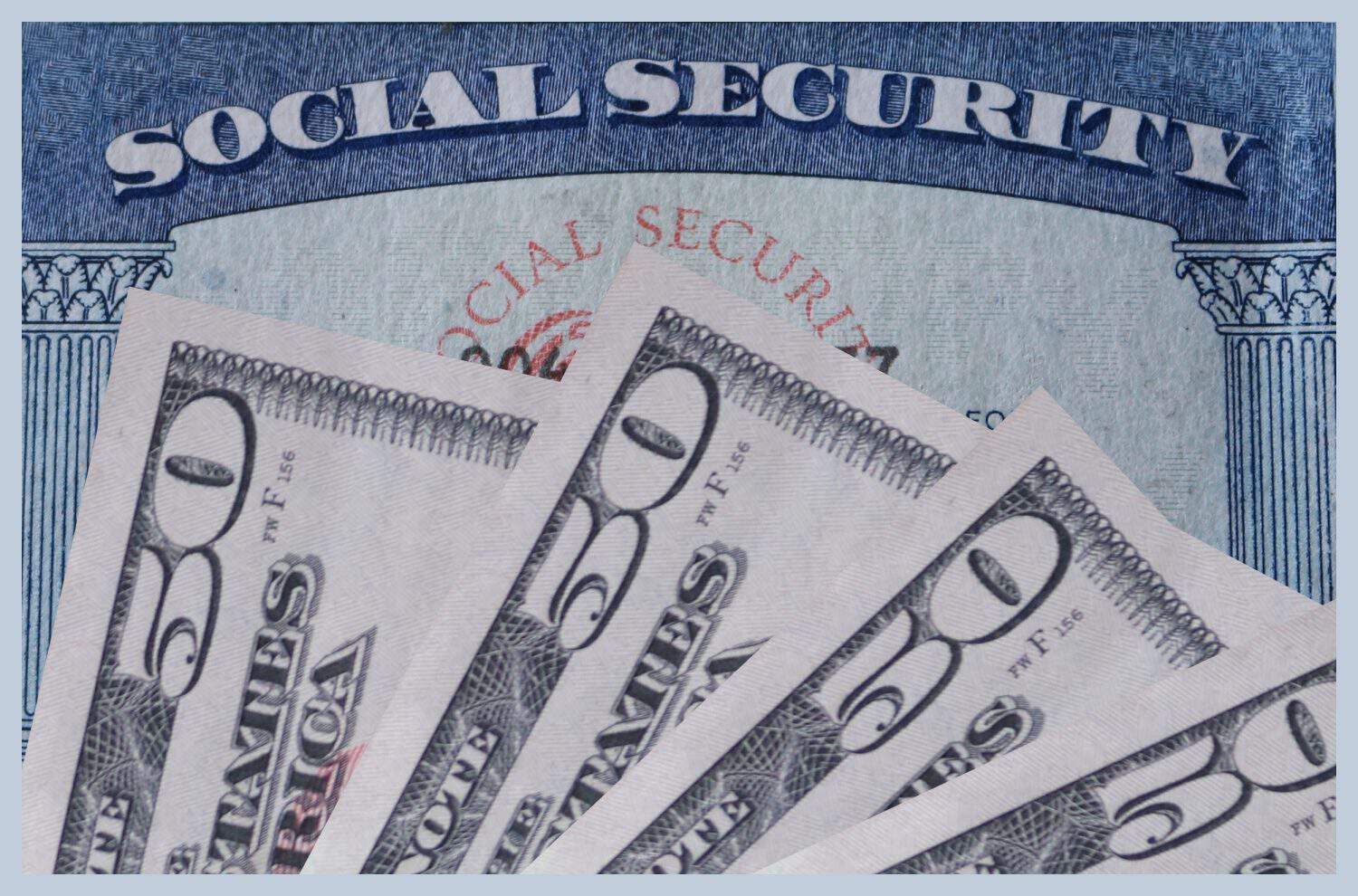
3 weeks ago85% of Your Social Security Can Be Taxed and Most Retirees Never See It Coming
Combined income—adjusted gross income plus tax-exempt interest plus 50% of Social Security benefits—determines what percentage of Social Security is taxed, with frozen IRS thresholds since 1984 causing more retirees to face taxation as benefits rise with inflation.
Retirement
from24/7 Wall St.
3 weeks agoIf You Have $500,000 Saved at 60, Here's The Sort of Monthly Income You Can Count On
At age 60 with $500,000 saved, retirement viability depends primarily on Social Security claiming age, which creates up to $1,100 monthly income differences, rather than investment selection.
Retirement
from24/7 Wall St.
3 weeks agoRetirees Are Still Collecting Quarterly Paychecks From An ETF That's Old Enough To Drink
DVY offers a 3.79% dividend yield with durable income from 100 dividend-paying companies, delivering 19% total returns over the past year despite yields barely exceeding Treasury alternatives.
Retirement
fromBuzzFeed
3 weeks ago32 Older People Are Sharing The Issues They Face That Aren't Talked About Enough
Older Americans face overlooked challenges including disrespect from younger generations, lack of formal address etiquette, and senior women experiencing homelessness due to insufficient retirement savings and inflation.
fromBusiness Insider
3 weeks agoMy parents had no retirement plans after selling their house. They now live in Airbnbs, and I'm worried about them.
I knew I was inching toward simultaneously caring for my young kids and aging parents. Suddenly, I was squarely in the sandwich generation. I now had to deal with the terrifying reality that my parents did not have a plan for how to spend their retirement years - especially where they plan to live.
Retirement
from24/7 Wall St.
1 month agoSocial Security Just Got More Complicated For All Retirees
Social Security benefits rose by 2.8% in January 2026, adding roughly $56 per month to the average retiree's check. Year-over-year inflation is running at 2.2%, which means the COLA is actually outpacing current price increases by a small margin. The catch is Medicare. Medicare Part B premiums increased in 2026, and since those premiums are deducted directly from your Social Security payment, some of that $56 gain disappears before it reaches your bank account.
Retirement
fromwww.housingwire.com
1 month agoRetirement planning faces longevity risk as Americans live longer
A 65-year-old man today can expect to live to 84 years old, while a 65-year-old woman can expect to live until 86. For plan sponsors and advisers, that translates into a potential distribution horizon of at least 20 to 30 years. Without incorporating realistic longevity assumptions into glide path design, withdrawal strategies and income solutions, participants face a heightened risk of outliving their savings.
Retirement
[ Load more ]