Fashion & style
fromElite Traveler
21 hours agoThe Underrated Status Clue? It's Sitting by Your Sink
Aesop's hand wash has become a symbol of aesthetic literacy, influencing home decor and luxury branding beyond traditional markers of wealth.
The durable plastic and its lid are excellent for seed starting because they'll create a greenhouse-like effect, keeping your seeds warm and trapping moisture to help them germinate.
If you throw away a plastic item today, it'll very likely still be around for decades to come. In fact, some research suggests that certain plastic items could take up to 500 years to decompose. To put that in context, that means that if, say, Henry VIII threw away a plastic coffee pod in Tudor England, it would only just be finished degrading now. He didn't, of course; plastic wasn't used regularly until the 20th century. But you get the point.
If you spend a lot of time in the kitchen, you may find yourself needing to use a lot of disposable plastic products, from plastic bags to plastic wrap. While these tools can come in handy once in a while, a lot of sustainability- and health-conscious home cooks try to avoid them as much as possible. There are concerns that chemicals leached from plastic wrap could cause health issues, and being disposable and decidedly not biodegradable, many view these types of food storage tools as bad for the environment as well (and a great way to cut down on plastic waste in the kitchen).
Whether you're whipping up a labor-intensive meal or are working from home at a stand-up desk, these cushioned floor mats are about to make your legs and back so much happier. They're made with memory foam and supportive padding to help ease pressure on your joints as you stand. They're also waterproof to stand up to spills and splashes, and come in a variety of colors and sizes to suit your space.
Households are pledging not to buy anything new in 2026 - not just in the kitchen space. This movement, aimed toward curbing consumerism, stems from multiple causes, including the rising prices of products (and living, more broadly) and the desire to cut back on impulse spending, reduce waste, and challenge the notion that new products are superior to used.
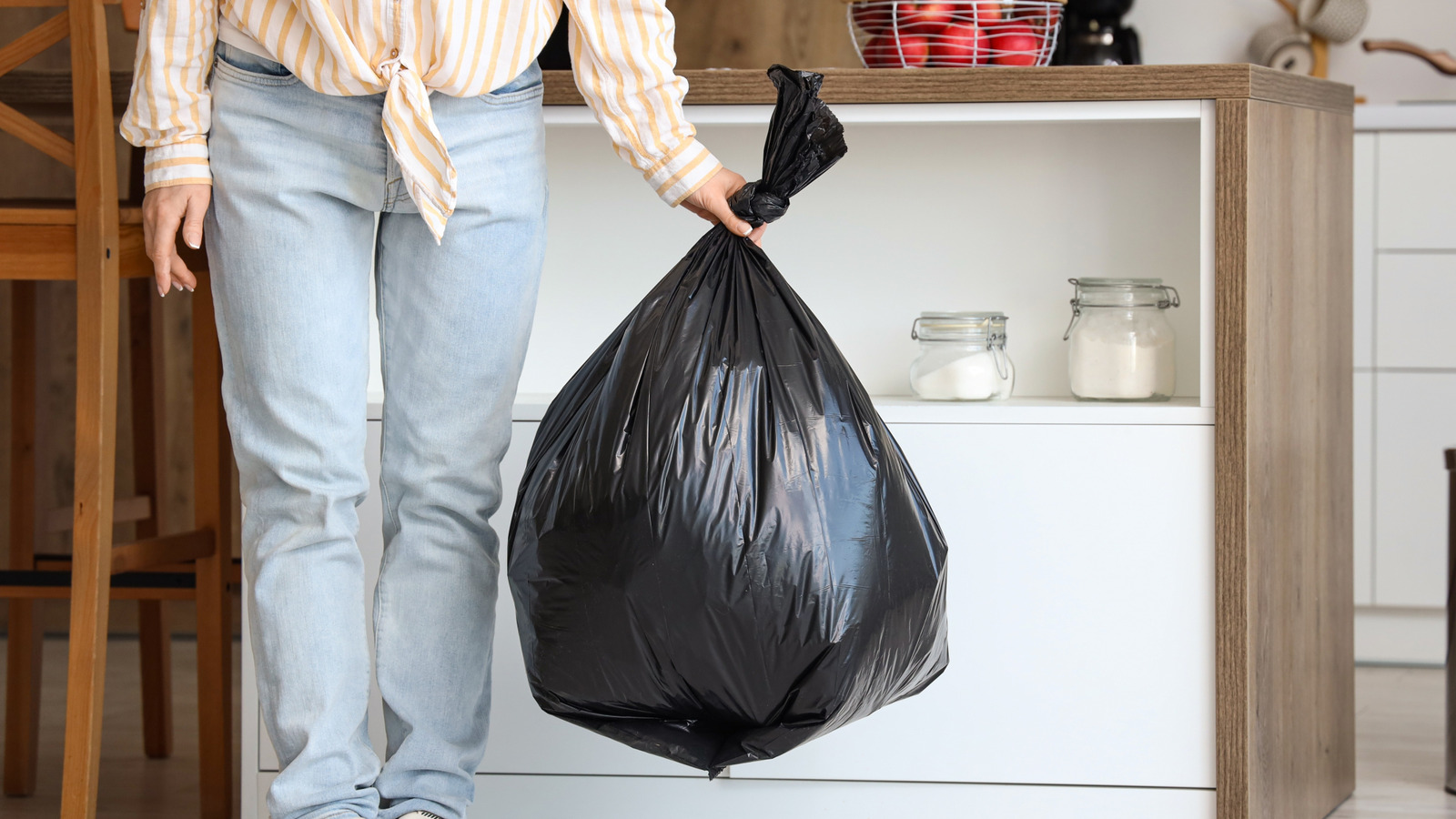
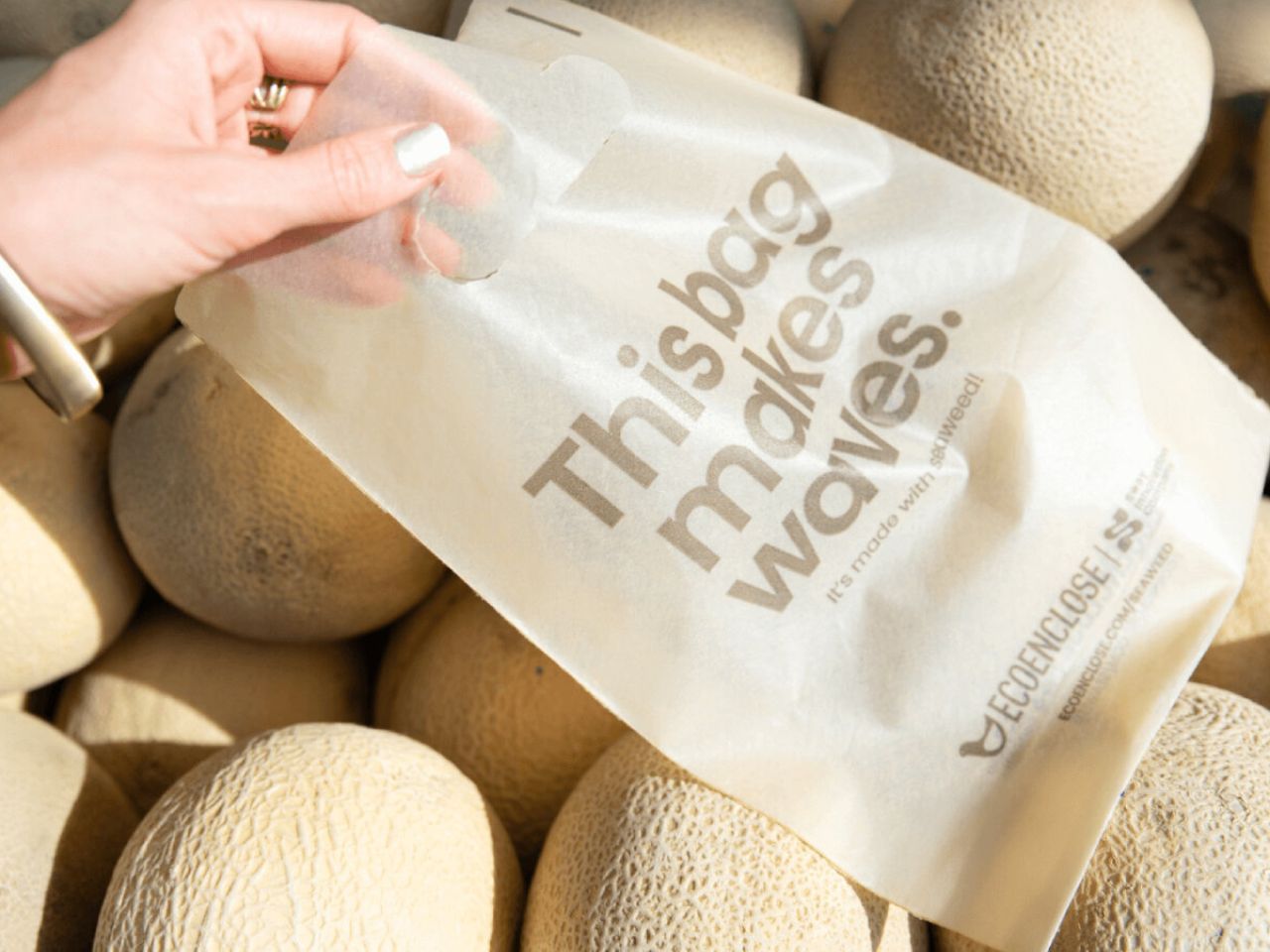
Even if you bring home as few bags as possible - using reusable bags, carrying purchases home with your own two hands - soft plastics sill accumulate. I certainly have a collection with one flimsy plastic sack filled with dozens or hundreds of others. I plan to do something with it... eventually. Unfortunately, there aren't a ton of options for what to do with those soft plastics, as most recycling facilities can't accept them.
Whether you've lost the lid to your favorite pan or you're trying to use less plastic wrap in your kitchen, silicone lids can play an important role in your kitchen routine. Some of these lids are large enough to cover a pan on the stove, preventing excess moisture from escaping. Others are smaller and are ideal for covering cups, bowls, and food storage containers that don't have tops.
When it comes to organization and storage solutions for the home, it's hard to beat the clever ideas from Ikea, especially when it comes to keeping a tidy and functional kitchen. But good kitchen organization is not only reserved for cabinets and the pantry. Ikea also comes to the rescue to help you with hacks that make your fridge the most organized spot in your home. Among them, Klippkaktus is a line of containers and gadgets that create extra storage in a crowded fridge.
Exposure to air speeds up the browning exponentially. But a mason jar can extend the life of that banana, not just for a few hours, but for days. In fact, you could potentially store cut bananas for up to an entire month in a sealed jar without them turning brown. The key is to leave the peels on, seal the jar tightly, and refrigerate it.
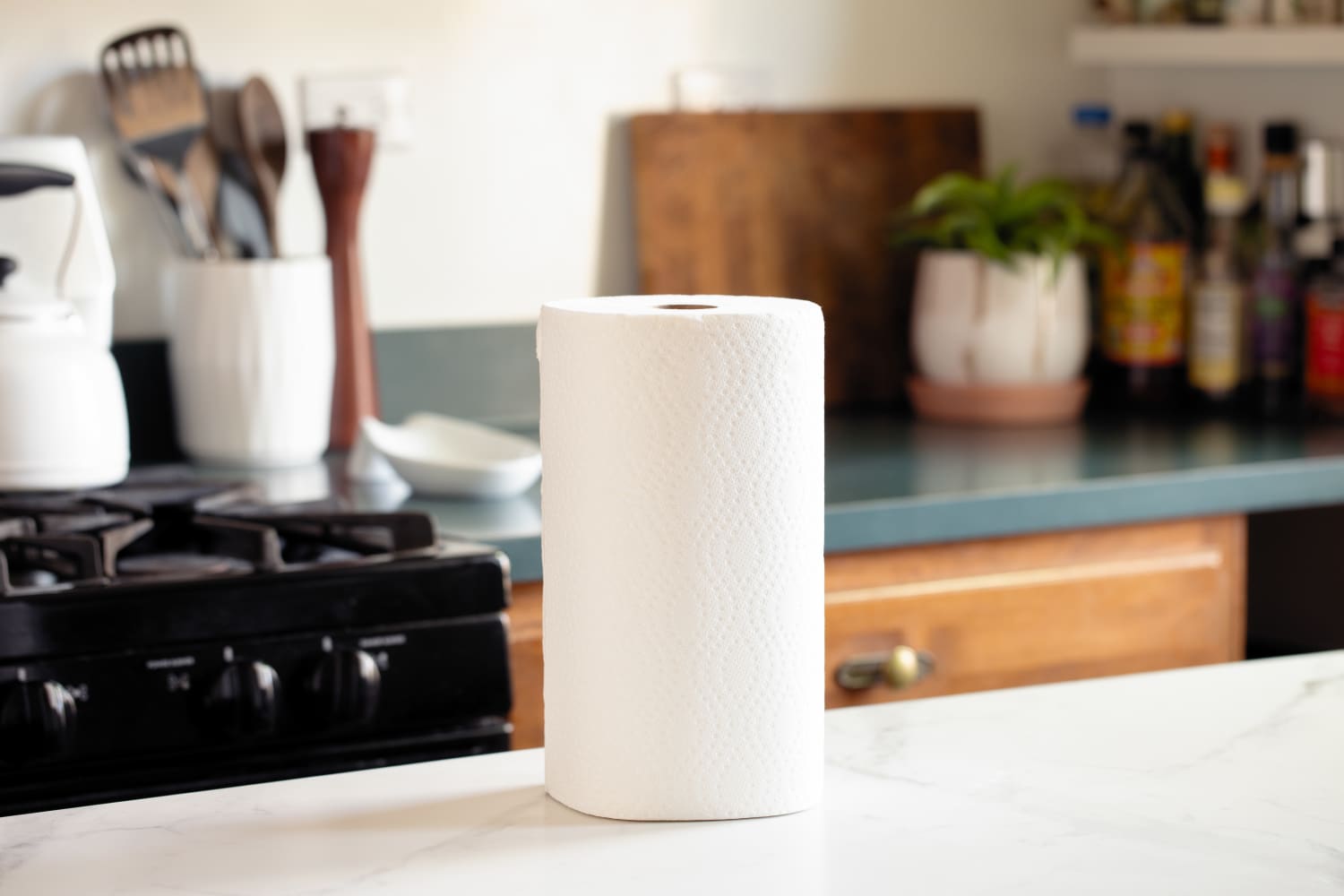
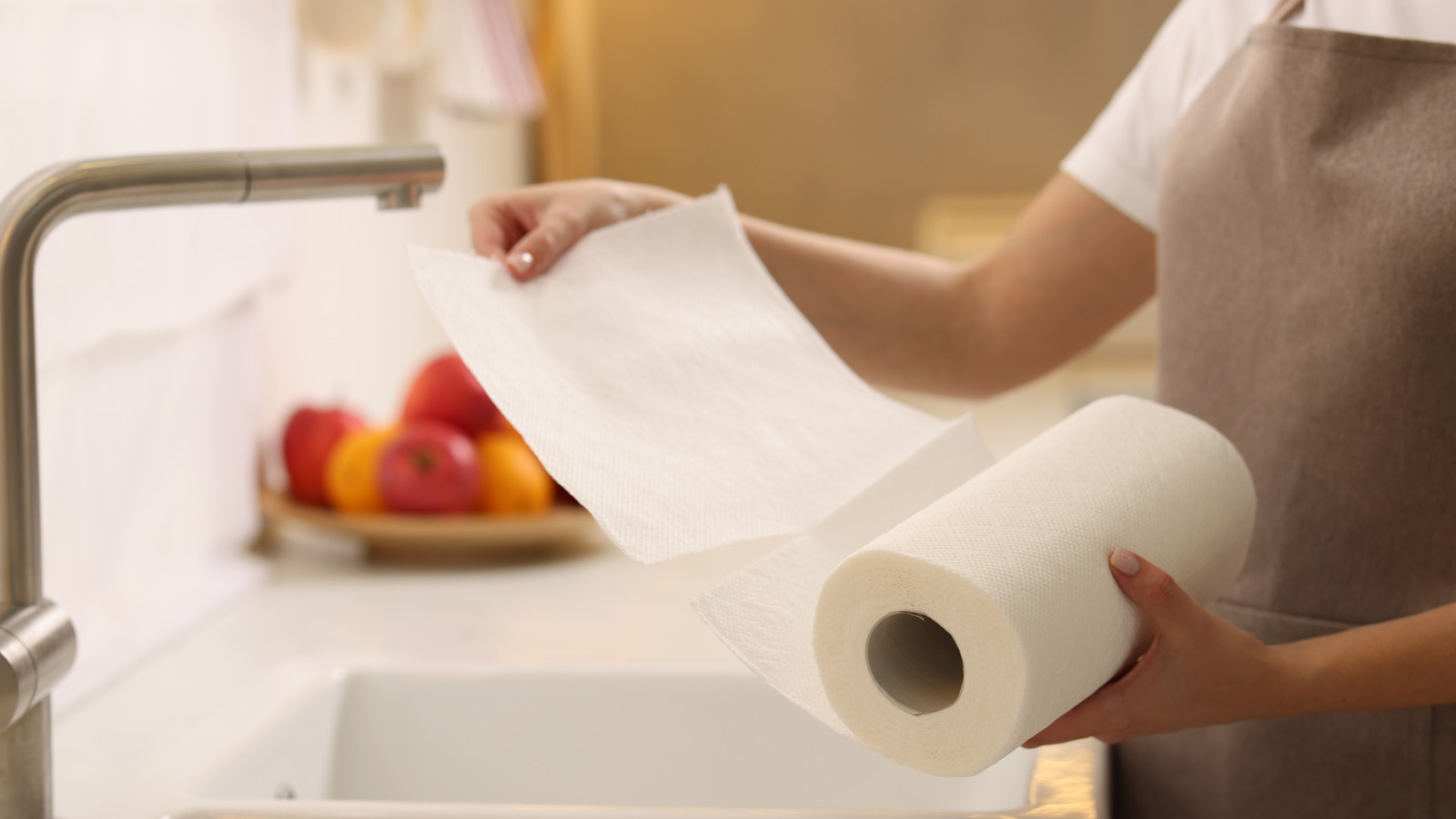
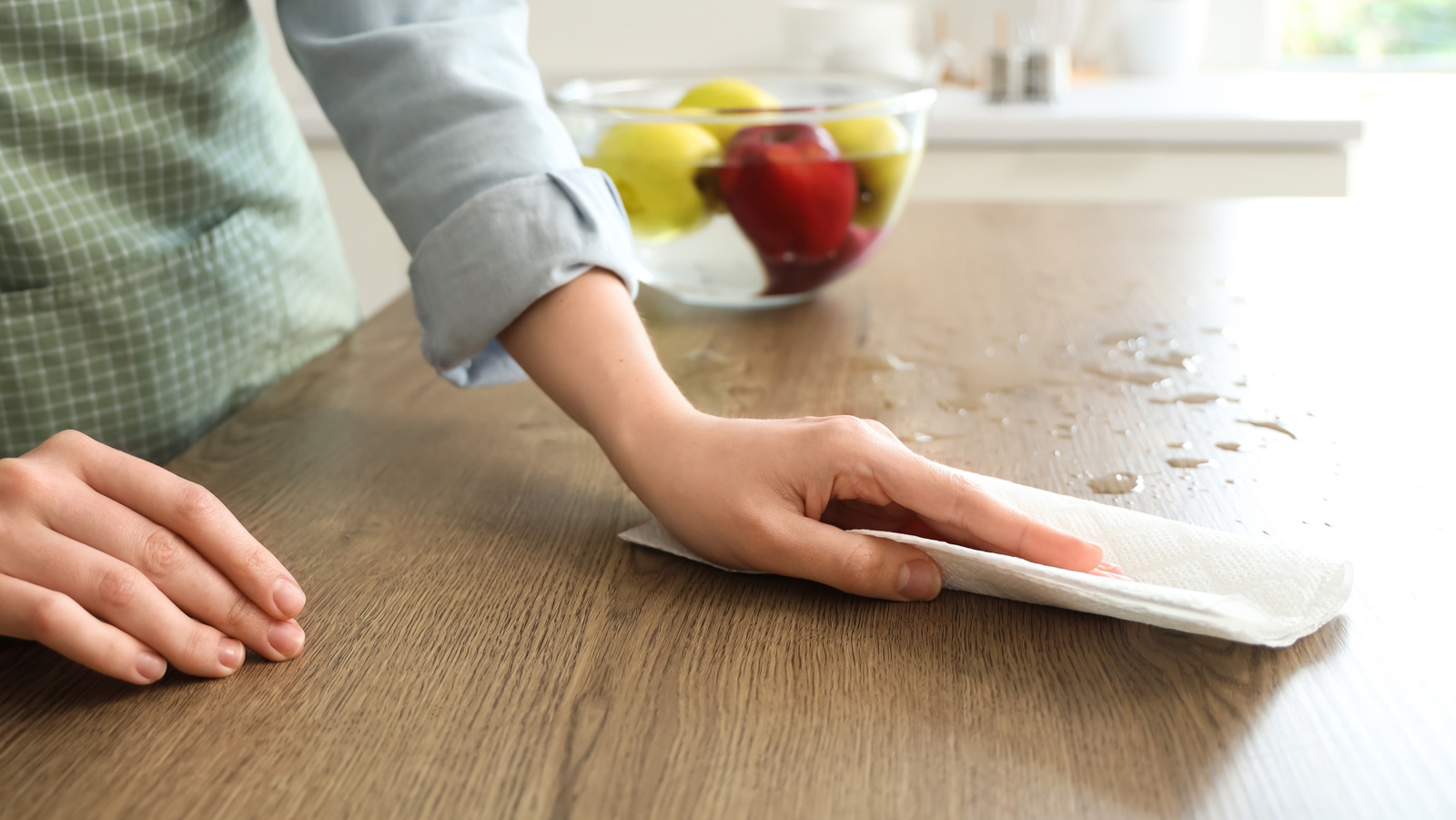
Using one in place of a cloth dinner napkin was unacceptable, and if I ever used more than a single perforated sheet to wipe up a spill then I'd expect to hear about it. It wasn't until I was a fully grown adult, responsible for stocking my own kitchen, that I understood why: Paper towels aren't cheap! They're also super wasteful, which is why I've made the switch to the more sustainable and budget-friendly Stasher Reusable Swedish Dishcloths - and I'm never going back.
I can't help but think of this time a year ago when I was looking forward to a party we'd planned. I didn't know it was the last one we'd host for so long. When I look back at what I cherish and miss the most about what we did during pre-pandemic life, gatherings small and large are high on the list.
If you want to hang art, tighten loose drawer pulls, change lightbulbs, and safely plug in electronics (read: live your day-to-day life!) at home, you'll want to keep a few basic tools on hand. - Former Home Projects Editor, Sarah Everett 1. A Flathead Screwdriver 2. A Phillips Head Screwdriver 4. An Electric Screwdriver or Power Drill 8. An Assortment of Nails 9. Extra Screws, Nuts, and Bolts 16. Oil and Water-Displacing Spray
It's likely that you've encountered recycled glass countertops without realizing it. They're far from the hippie-style broken-glass mosaic art of yesteryear, instead presenting as sleek, highly polished, professional slabs with intriguing bits of confetti-style color trapped inside. That's the recovered glass bits set into a binding material such as resin, cement, or concrete, and then smoothly polished so that the composite surface feels like stone.
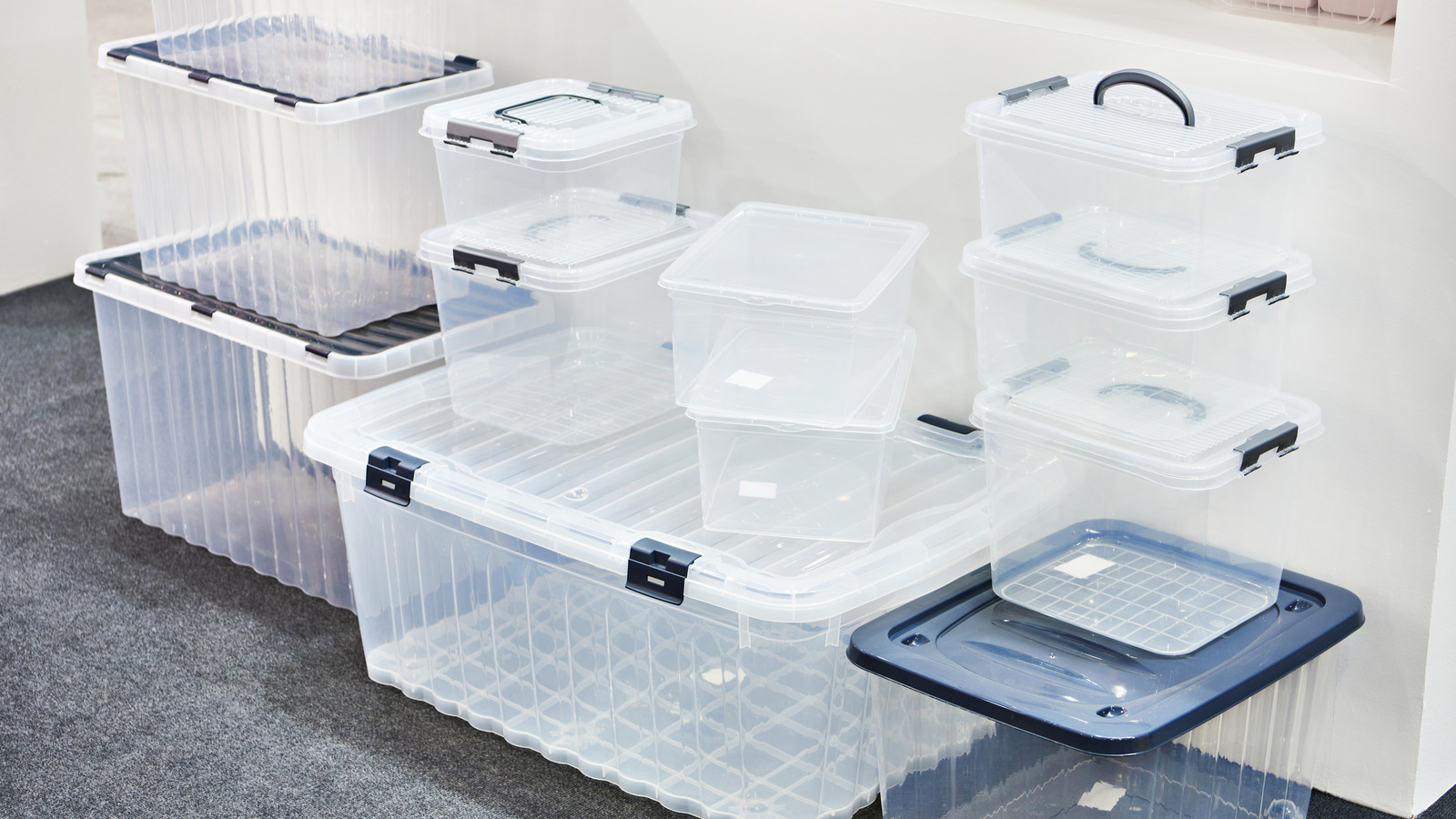
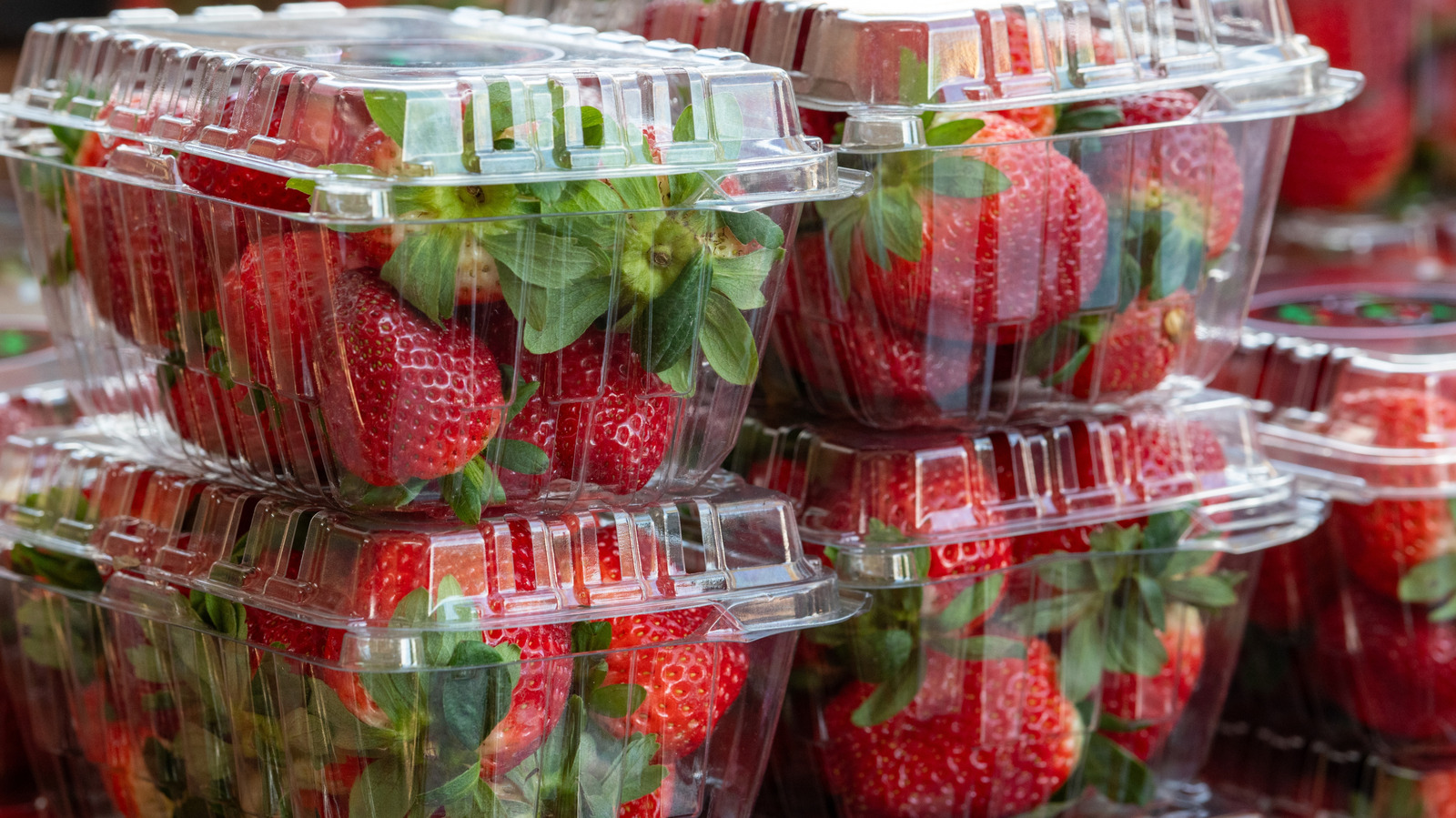
Plastic food containers are both cheap and convenient these days, offering cheap and simple storage solutions for leftovers in your fridge or dry items in the pantry. But they're not without their problems. Apart from figuring out how to organize those pesky plastic lids, the containers themselves may end up holding onto old food odors that make them unappealing to keep using.
You probably already know that it's generally not a good idea to expose plastic - like food storage containers, for instance - to high temperatures. After all, it can cause chemicals in the plastic to leach into your food. It probably shouldn't come as a huge surprise, then, that it's also a bad idea to use plastic wrap under very high heat. This is because plastic wrap melts very easily when exposed to high temps,