Everyday cooking
fromBon Appetit
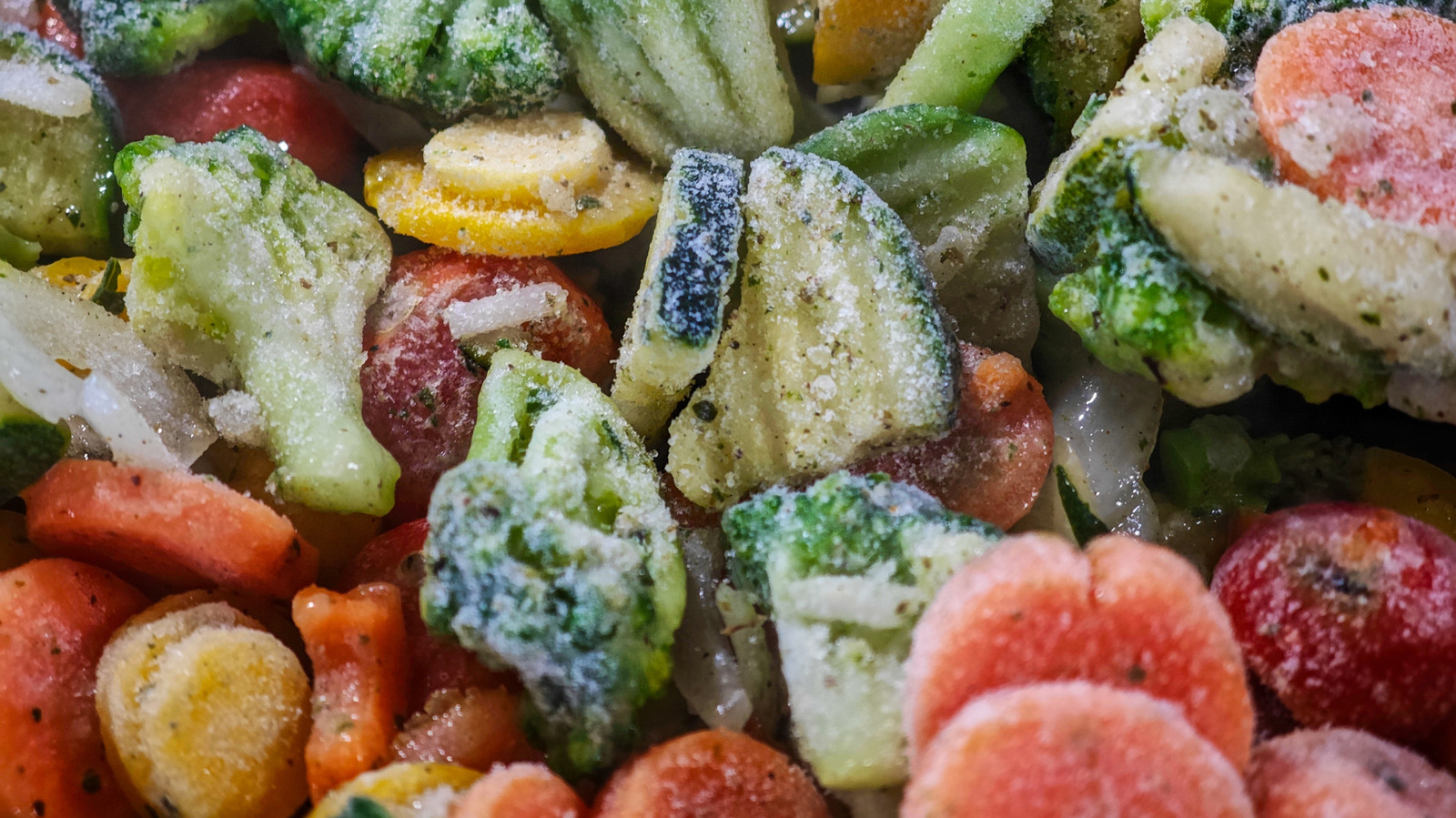
17 hours ago7 Smart Ways Our Editors Use Up a Bag of Frozen Peas
Frozen peas are a versatile and reliable ingredient that can enhance meals quickly and easily.
When I lived in a big city, I used to love treating myself to lunches at trendy salad spots. Tasty as these take-out meals were, they were terrible for my wallet, and I didn't have full visibility into or control over the ingredients that went into them. I've since turned into an avid meal-prepper and make my own lunch - almost always a fiber- and protein-packed grain bowl - for a fraction of the price.
Since the duo got together as fellow students at Goldsmiths Centre for Research Architecture in 2013, they have been using the production and consumption of food as the focus for numerous long-term, site-specific projects that address how we should live-and eat in particular-in the face of climate change. As they put it: "Food is both deeply connected to the environment and to ecology but at the same time is also intersectional: every living organism on this planet is invested and preoccupied with processes of metabolism, ingestion and the acquisition of nutrients."
Between getting breakfast on the table, coaxing kids out of bed, and shuffling everyone out the door for early morning sports practices, carpools, and work commitments, I rely on systems to keep our mornings moving. Coffee is always in hand, but smooth routines are what make the difference. Over the years, I've learned that small organizational "hacks" can make or break a morning, things like hooks for backpacks, a designated shoe zone, or preplanned breakfasts.
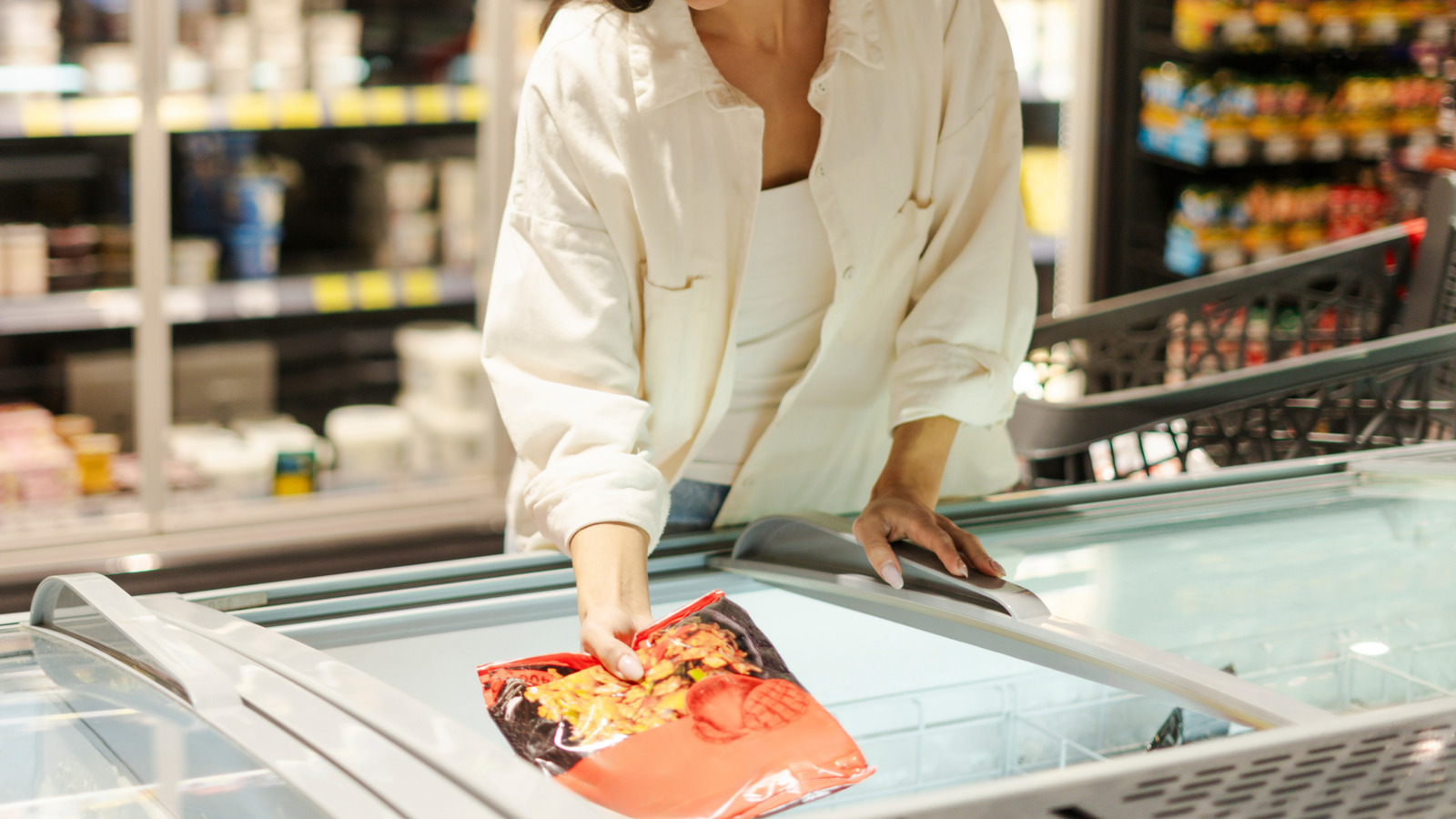
Many of us take the simple, everyday task of grocery shopping for granted. You walk through the doors, grab a cart, throw in the things you need, pay the (ever-increasing) bill, and then go on your way. In theory, it should be simple. But actually, grocery shopping can be challenging, especially when the things you need aren't on the shelves.
Households are pledging not to buy anything new in 2026 - not just in the kitchen space. This movement, aimed toward curbing consumerism, stems from multiple causes, including the rising prices of products (and living, more broadly) and the desire to cut back on impulse spending, reduce waste, and challenge the notion that new products are superior to used.
I can't help but think of this time a year ago when I was looking forward to a party we'd planned. I didn't know it was the last one we'd host for so long. When I look back at what I cherish and miss the most about what we did during pre-pandemic life, gatherings small and large are high on the list.
To prepare, I spent a lot of time meal planning, before combing through Aldi's website to compile my shopping list and get a price ballpark for everything. I made swaps to keep costs down - IE buying uncooked beans, or white bread instead of whole wheat - and was able to stay under budget. Still, these meals are pretty limited when based purely on the serving size on the nutrition label.
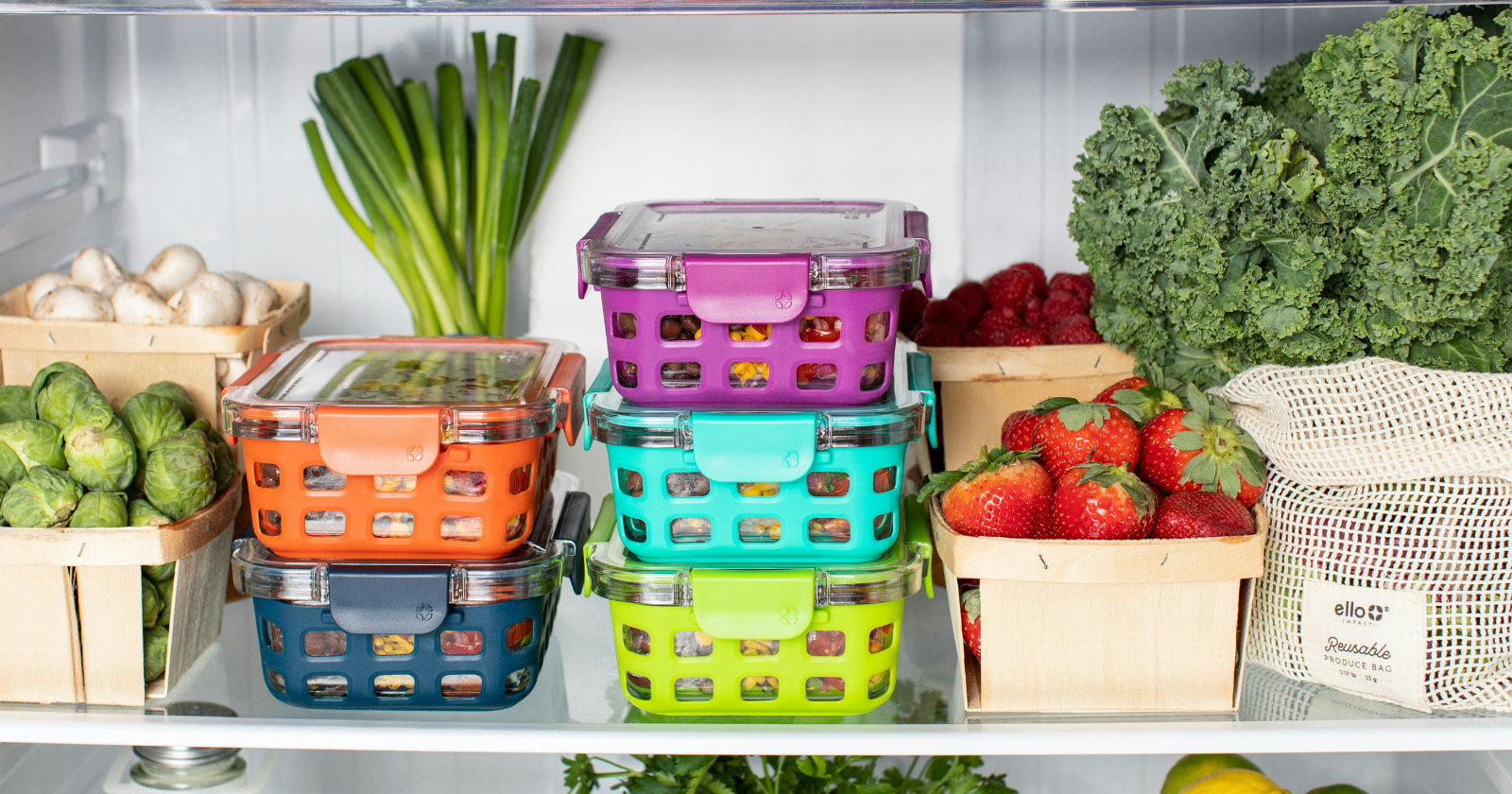
If you want to eat more plants in 2026, these vegan meal prep ideas are for you! They include our best grab-and-go breakfasts, packable lunches, and make-ahead dinners-all healthy, delicious, and entirely plant-based. After weeks of holiday treats, I always start January in the mood for fresh, feel-good food. The easiest way to ensure I actually eat the nourishing meals I'm craving is by meal prepping.
Great job choosing to eat healthier in 2026! To help you get started, shop our top picks of essentials that make healthy eating easy and fun. Here's to your healthiest year yet! Escali Primo Digital Scale A kitchen scale can really help you eat healthier. This Escali digital scale is great for weighing ingredients, portioning meals, or even measuring coffee beans.
The dry-salting fermentation method used to make sauerkraut works brilliantly on almost any firm vegetable, so you can happily explore beyond the traditional cabbage. I had a couple of carrots and a piece of squash that needed saving, so I turned them into a golden kraut with ginger, turmeric and a little orange zest for brightness. Use whatever you have to hand and let the ingredients lead your creativity.
Back in the summer, on a particularly sunny day, I boarded a ferry to visit a friend on Nantucket Island. Upon arrival, while sifting through the many vacationers to find my friend, I crossed paths with a bluefin tuna. It was perched on the nearest dock and weighed 750 pounds. A crowd of local fishermen circled the fish, taking photos, slicing into the belly, and even sneaking small bites.
Making homemade stock isn't just a sustainable exercise in zero-waste cooking; it's also (basically) free. By stashing stray vegetable odds and ends in a resealable gallon bag in the freezer, when stock o'clock strikes, home cooks will already have everything they need on hand. From onion scraps to bits of shallots, celery, carrots, leeks, mushrooms, herb stems, and even peels and roots, you can toss it all in the bag, and (later) into the stock pot.
Barley, the grain that is featured in this dish, is one of our most nutritious grains; it contributes protein, thiamine and niacin. Barley also is a rich source of dietary fiber. For a vegan rendition, use vegan yogurt and maple syrup instead of honey in the dressing and use olive oil instead of butter when sauteing the mushrooms. The dish is a main course salad and should be served at room temperature.
Inspired by Auguste Escoffier's exceptionally simple tartare, I've given his recipe a zero-waste twist by using whole boiled eggs and swapping in pickle brine from a jar of gherkins or capers to replace the vinegar. Everything else is optional: tarragon, mustard, cayenne add what you like or have in store. Traditionally, tartare sauce is delicious with fish and chips, calamari or in a chicken sandwich, but I also like it tossed through potato salad with tinned sardines and radicchio.
Today's recipe began life as a way to use up garlic skins and herby leftovers, all of which contain a surprising amount of flavour, but it has evolved over time. Infused oil has countless uses drizzle it over carpaccio, pasta or salad, use it to marinate meat, fish and vegetables, or simply as a dip for chunks of sourdough and some of my favourites include lemon rind, garlic skin and rosemary;