Everyday cooking
fromTasting Table
7 hours agoThe One-Second Trick That Doubles The Life Of Your Kitchen Sponge - Tasting Table
Cutting kitchen sponges in half doubles their lifespan and saves money.
Energy-efficient appliances are designed to reduce energy consumption, reduce their impact on the environment, and reduce your utility bills. Old, outdated, and inefficient appliances draw more power than they need or run longer to achieve effective results.
Marlene Bautista, Product Portfolio Manager at Inline Plastics, states, "The addition of a black-base option gives operators more flexibility to elevate presentation while maintaining the safety and performance they rely on." This encapsulates the ethos of the Safe-T-Chef line, designed to meet the evolving needs of the food service industry.
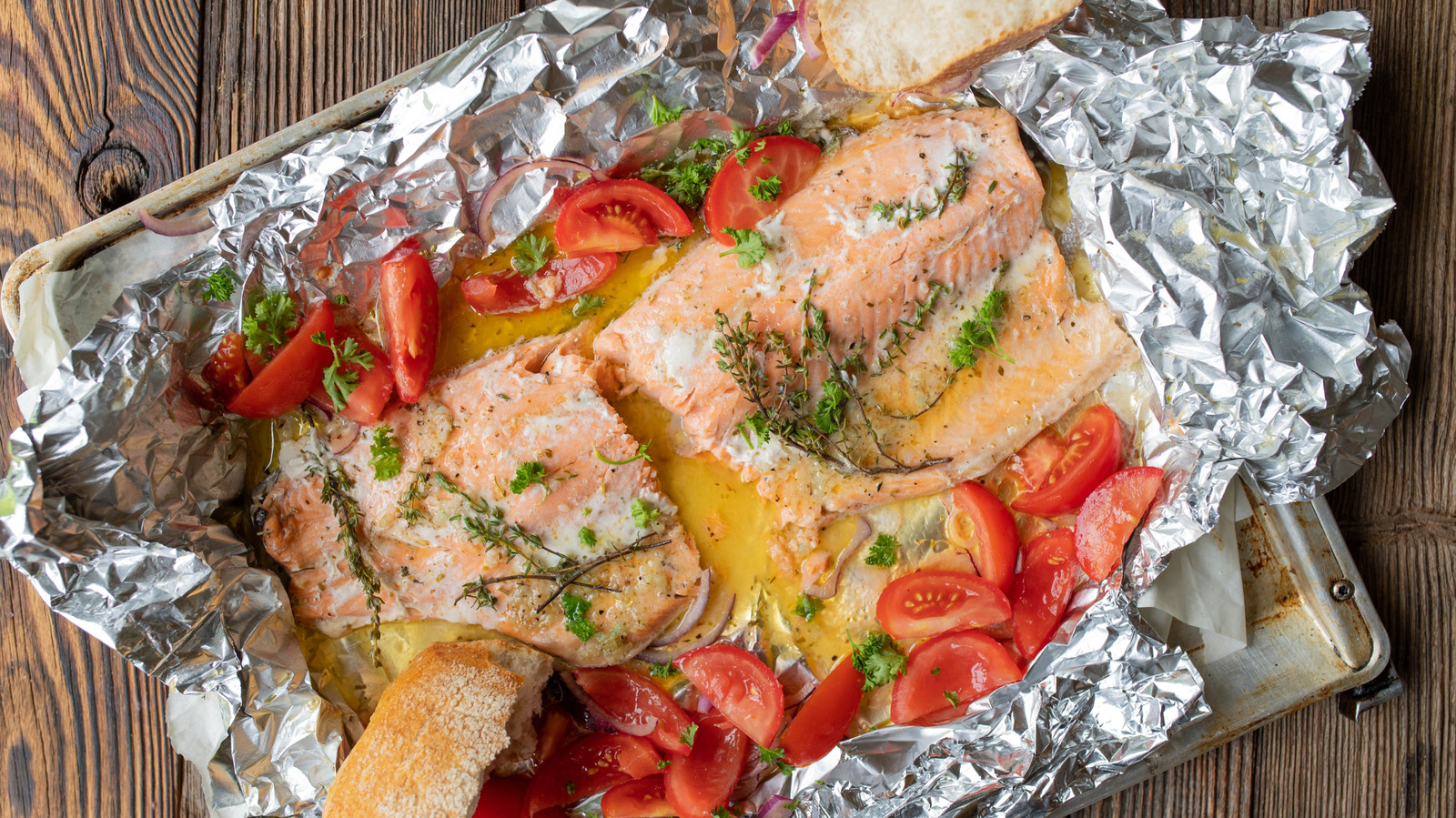
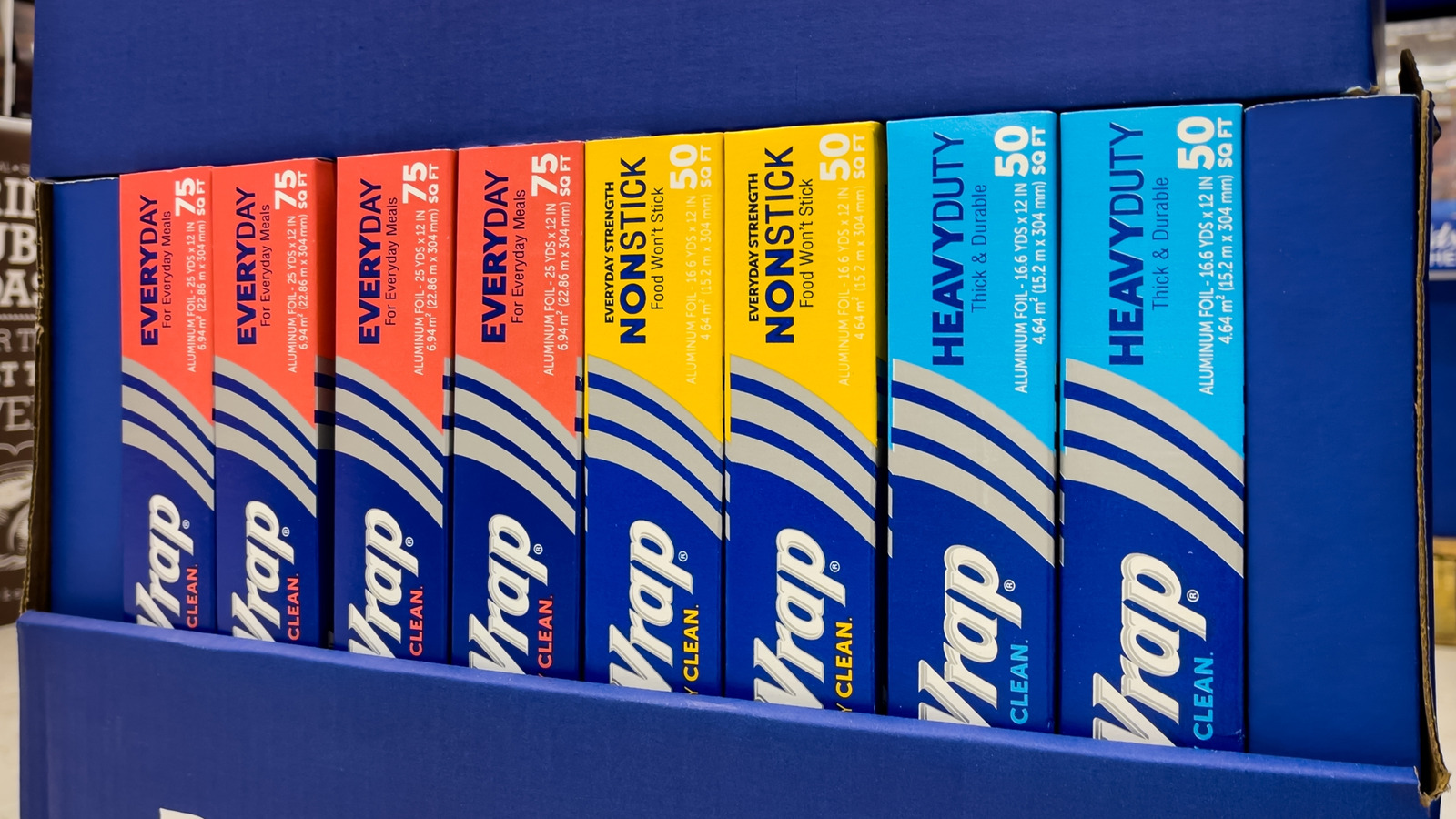
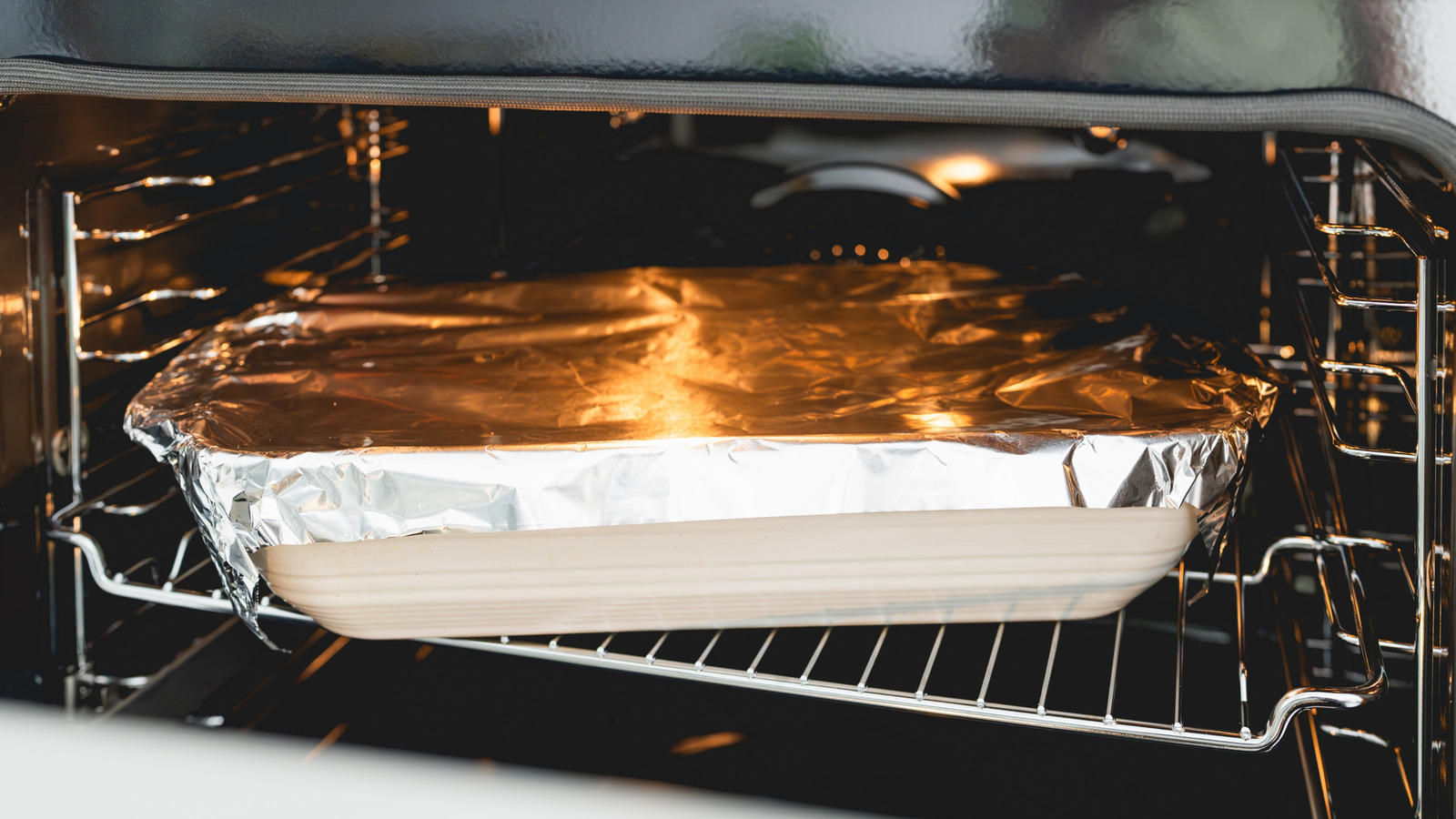
The average oven broiler generally reaches 500 to 550 degrees Fahrenheit. As well as being an incredibly tough material and, despite its malleability, aluminum foil is well within its range to handle the high heat of a broiler. At 1,220 degrees Fahrenheit, it has a melting point over double the average temperature your broiler can reach.
Growing up, the sound of aluminum foil being carefully smoothed flat against our kitchen counter was as familiar as my mother's voice. Each piece would be washed, dried, and folded into a neat square for the drawer where we kept our collection. The same drawer held plastic bags from the grocery store, rubber bands from vegetables, and glass jars that once held jam but now served as drinking glasses.
Rather than tossing or recycling those empty take-out containers, why not give them another purpose and use them for pantry storage? As she revealed on her blog, Stewart uses her leftover deli containers to store all sorts of dry goods in her pantry, like salt, pepper, and other spices, which keeps her pantry in her farm in upstate New York tidy and organized.
Food safety isn't just about how you cook your food; it's about how you cool and store it. You don't need a degree in microbiology to meal prep safely. Wash your hands (for a full 20 seconds), refrigerate food within two hours, cool fast and in shallow containers, and stop trusting your nose.
Since the duo got together as fellow students at Goldsmiths Centre for Research Architecture in 2013, they have been using the production and consumption of food as the focus for numerous long-term, site-specific projects that address how we should live-and eat in particular-in the face of climate change. As they put it: "Food is both deeply connected to the environment and to ecology but at the same time is also intersectional: every living organism on this planet is invested and preoccupied with processes of metabolism, ingestion and the acquisition of nutrients."
Even if you bring home as few bags as possible - using reusable bags, carrying purchases home with your own two hands - soft plastics sill accumulate. I certainly have a collection with one flimsy plastic sack filled with dozens or hundreds of others. I plan to do something with it... eventually. Unfortunately, there aren't a ton of options for what to do with those soft plastics, as most recycling facilities can't accept them.
If you spend a lot of time in the kitchen, you may find yourself needing to use a lot of disposable plastic products, from plastic bags to plastic wrap. While these tools can come in handy once in a while, a lot of sustainability- and health-conscious home cooks try to avoid them as much as possible. There are concerns that chemicals leached from plastic wrap could cause health issues, and being disposable and decidedly not biodegradable, many view these types of food storage tools as bad for the environment as well (and a great way to cut down on plastic waste in the kitchen).
Europe's supermarket shelves are packed with brands billing their plastic packaging as sustainable, but often only a fraction of the materials are truly recovered from waste, with the rest made from petroleum. Brands using plastic packaging from Kraft's Heinz Beanz to Mondelez's Philadelphia use materials made by the plastic manufacturing arm of the oil company Saudi Aramco. The Saudi state-owned holding opposes production cuts under the UN plastic treaty and is the world's largest corporate greenhouse-gas emitter (over 70m tonnes up to 2023).
I can't help but think of this time a year ago when I was looking forward to a party we'd planned. I didn't know it was the last one we'd host for so long. When I look back at what I cherish and miss the most about what we did during pre-pandemic life, gatherings small and large are high on the list.
You probably already know that it's generally not a good idea to expose plastic - like food storage containers, for instance - to high temperatures. After all, it can cause chemicals in the plastic to leach into your food. It probably shouldn't come as a huge surprise, then, that it's also a bad idea to use plastic wrap under very high heat. This is because plastic wrap melts very easily when exposed to high temps,
Whether you've lost the lid to your favorite pan or you're trying to use less plastic wrap in your kitchen, silicone lids can play an important role in your kitchen routine. Some of these lids are large enough to cover a pan on the stove, preventing excess moisture from escaping. Others are smaller and are ideal for covering cups, bowls, and food storage containers that don't have tops.