#rift-anomalies
#rift-anomalies
[ follow ]
#deep-time #seismic-activity #seismology #earthquake #earthquake-swarm #calaveras-fault #geology #usgs


#plate-tectonics
OMG science
fromwww.scientificamerican.com
2 weeks agoWhen did plate tectonics on Earth begin? New research finds some of the earliest clues
Magnetic evidence from ancient Western Australian crust reveals plate tectonics began at least 3.48 billion years ago, half a billion years earlier than previously documented.
OMG science
fromwww.theguardian.com
2 weeks agoA molten, mushy state': scientists may have found a new type of liquid planet
Astronomers discovered L98-59d, a molten lava planet 35 light years away that represents an entirely new category of liquid planet with surface temperatures of 1,900°C and a hydrogen sulfide atmosphere.
OMG science
fromState of the Planet
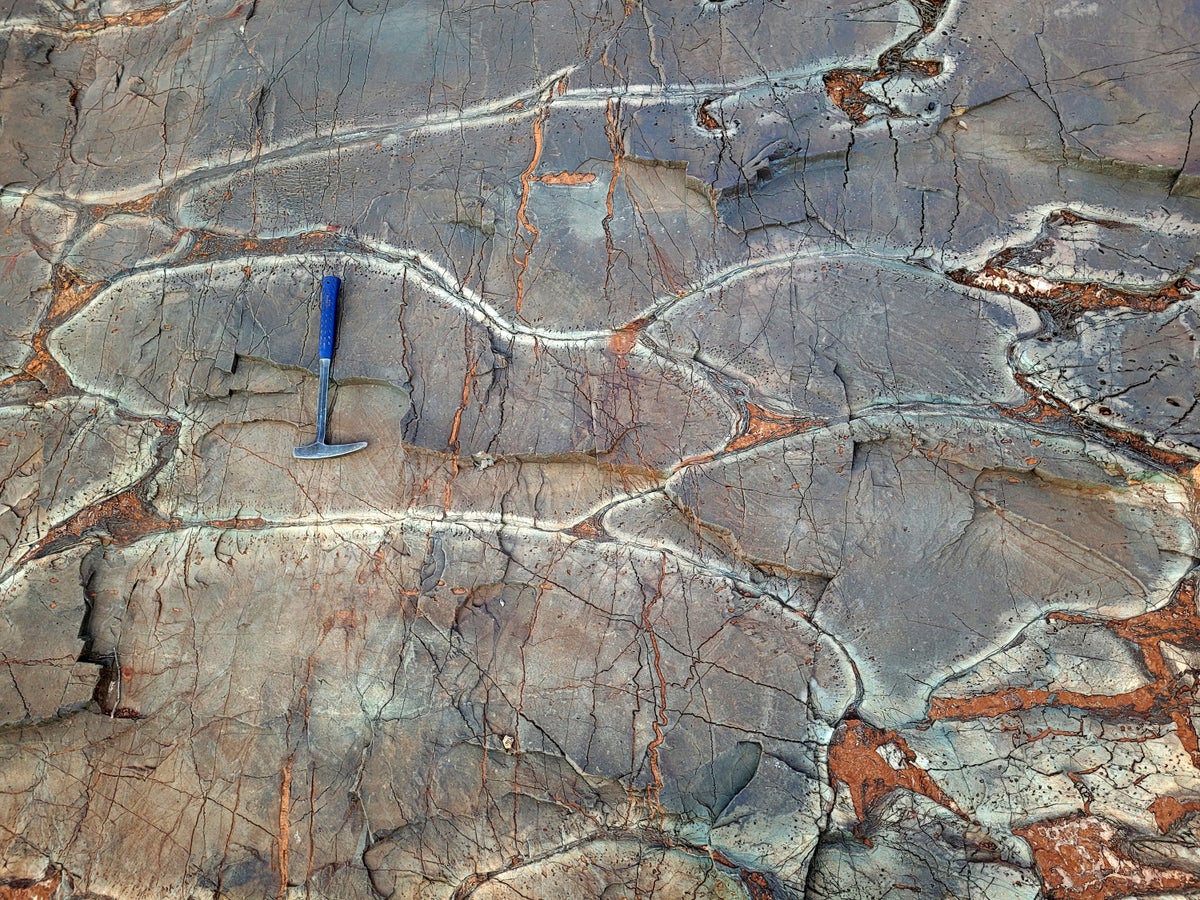
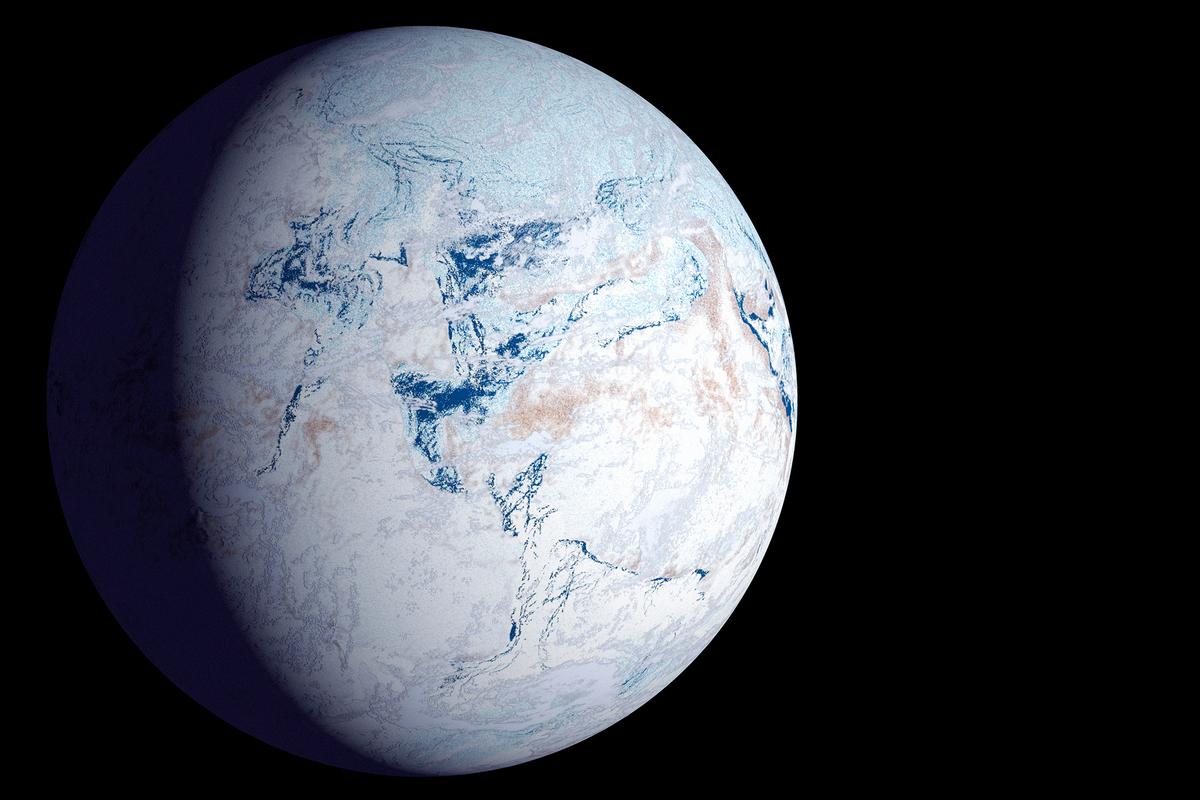
3 weeks agoEarth's "Missing" Billion Years: Study Links the Great Unconformity to Early Tectonics
Tectonic forces from early supercontinent formation, rather than Snowball Earth glaciation, caused the Great Unconformity, a billion-year gap in Earth's geologic record.


fromMail Online
1 month agoAncient fault in South Carolina awakens with rare earthquake
Thursday's earthquake had an unusually strong effect because it occurred just a tenth of a mile below the surface, making it the shallowest quake recorded in South Carolina so far in 2026, according to state data.
US news
fromMail Online
3 weeks agoSea fossils atop world's mountains fuel claims of Noah's Great Flood
Marine fossils have been discovered on mountain ranges around the world, including the Himalayas, Andes and Rocky Mountains, which scientists say were once covered by ancient seas before being pushed upward as continents collided and mountains formed.
OMG science
fromMail Online
1 month agoEarthquake strikes America's Heartland above ancient volcanoes
Although Kansas has no active volcanoes, the region marks the southern reach of the Midcontinent Rift System, a massive tectonic event that nearly split North America apart in Earth's distant past. When magma forced its way through the crust during that period, it left behind hardened igneous rock and deep fractures that remain buried thousands of feet underground.
Science
OMG science
fromNature
1 month agoEarth's oldest crystals suggest an early start for plate tectonics
Ancient Australian zircon crystals reveal early Earth had more oxygen and water than expected, with tectonic plate movement occurring at least 3.3 billion years ago, suggesting conditions more favorable for life than previously believed.
fromConde Nast Traveler
2 months agoChasing Lava as the Earth Shifts
Land is one of those things that can disappear even as you see it. It falls away beneath you, becoming merely the ground under your feet, because you're thinking about where you're going, or a place slowly blurring out of focus from the airplane window. Land is a primal word, primordial even, like lava. And it is a loaded word if, say, you're Indigenous or descend from a people whose land was taken from them.
Environment
fromSFGATE
2 months agoHundreds of mini earthquakes rattle Joshua Tree National Park in 24 hours
The flurry of quakes rattled close to a relatively unknown fault called Blue Cut, according to Kate Scharer, a research geologist for the U.S. Geological Survey's Earthquake Hazards Program in Pasadena. "This happened in Joshua Tree National Park, a beautiful part of the world where many people have actually probably been and unknowingly traversed near this fault," Scharer told SFGATE. "This is a good reminder that there are many other faults besides the San Andreas in California that can give us a little jolt."
US news
fromWIRED
1 month agoTwo Titanic Structures Hidden Deep Within the Earth Have Altered the Magnetic Field for Millions of Years
A team of geologists has found for the first time evidence that two ancient, continent-sized, ultrahot structures hidden beneath the Earth have shaped the planet's magnetic field for the past 265 million years. These two masses, known as large low-shear-velocity provinces (LLSVPs), are part of the catalog of the planet's most enormous and enigmatic objects. Current estimates calculate that each one is comparable in size to the African continent, although they remain buried at a depth of 2,900 kilometers.
Science


fromHigh Country News
2 months agoHow geology not only shapes the world, it shapes us - High Country News
My father was a petroleum geologist. A lot of my childhood, he was gone, away on oil rigs in the Powder River Basin and remote parts of Wyoming, living in man camps long before cellphones. We had to wait days to talk to him. When he went into the nearest town to shower, he'd find a payphone and call us. I was always breathless with news.
Science

fromwww.scientificamerican.com
1 month agoThe science behind why some auroras have such stunning wave patterns
Auroras are nature's most special light show: when charged particles from the sun hit our atmosphere, they can generate bright colors that dance across the night sky near the Earth's poles. Auroras can come in various forms, including bands, rays, patches and more. But why auroras form these patterns is less clear. Now, researchers say they've identified the battery that powers at least one kind of auroraaurora arcs.
Science
fromwww.mercurynews.com
2 months agoWhy earthquake swarms happen and what they mean for California
Earthquakes usually strike without warning. But sometimes they come in clusters dozens or even hundreds of small quakes concentrated in one area over days or weeks. Geologists call these clusters earthquake swarms, and while they can be unsettling, scientists say they rarely signal that a major quake is imminent. Unlike the familiar pattern of a single large earthquake followed by aftershocks, swarms consist of many small quakes without a clear mainshock.
Science
[ Load more ]