Books
fromThe Atlantic
2 days agoUnconventional Novels About Conventional People
Aging revolutionaries and conformists share parallel narratives of disillusionment and the loss of youthful dreams in recent literature.
My earliest independent reading memory is The Story of Ferdinand by Leaf and Lawson. I loved that bull! My favourite book growing up Big books gave me the whirlies so it took a while for them to start landing.
Lorena Bradford started monthly tours in American Sign Language, established a program for individuals with memory loss, and brought in medical students to learn soft skills to apply in their caregiving. 'I was a sub-department of one,' she joked to writer Emma Cieslik, who spoke with Bradford over Zoom and at the NGA about her own circuitous path into the profession, and the future of the field of museum accessibility.
To be a clever, bookish teenage girl is to spend a certain amount of time standing on the sidelines, feeling invisible to boys. There seemed to be a natural division: you could be smart or pretty, but you could not be both.
The short answer is yes, unless you take fiction for what it is-fiction. When you long for something you don't have, it can lead to dissatisfaction with what you DO have. Romantic fiction has witty, heartfelt dialogue, buckets of romantic gestures, and protagonists who have a preternatural ability to read each other's minds. It's easy to forget it is not real. This can set up unrealistic expectations both conscious and unconscious.
When I first heard of Heated Rivalry, I didn't think much about it. The words Canadian ice-hockey TV series slid into my brain and slipped right back out. But a week later, approximately everyone I'd ever met wanted to talk about it. People kept telling me that it was fun, sweet, and addicting. Most of all, they emphasized that it was really smutty. Every recommendation seemed to come with a warning to not watch with my parents.
Enrigue's 'penchant for shooting the facts of history through the prism of the absurd' makes him singular-but it also puts him firmly in a long literary tradition. The book 'distills a byzantine swirl of historical events through the lives of a handful of very colorful characters,' intertwining several real and invented incidents with major moments in the Apache Wars, a series of skirmishes involving Native Americans, the U.S., and Mexico across the Southwest borderlands.
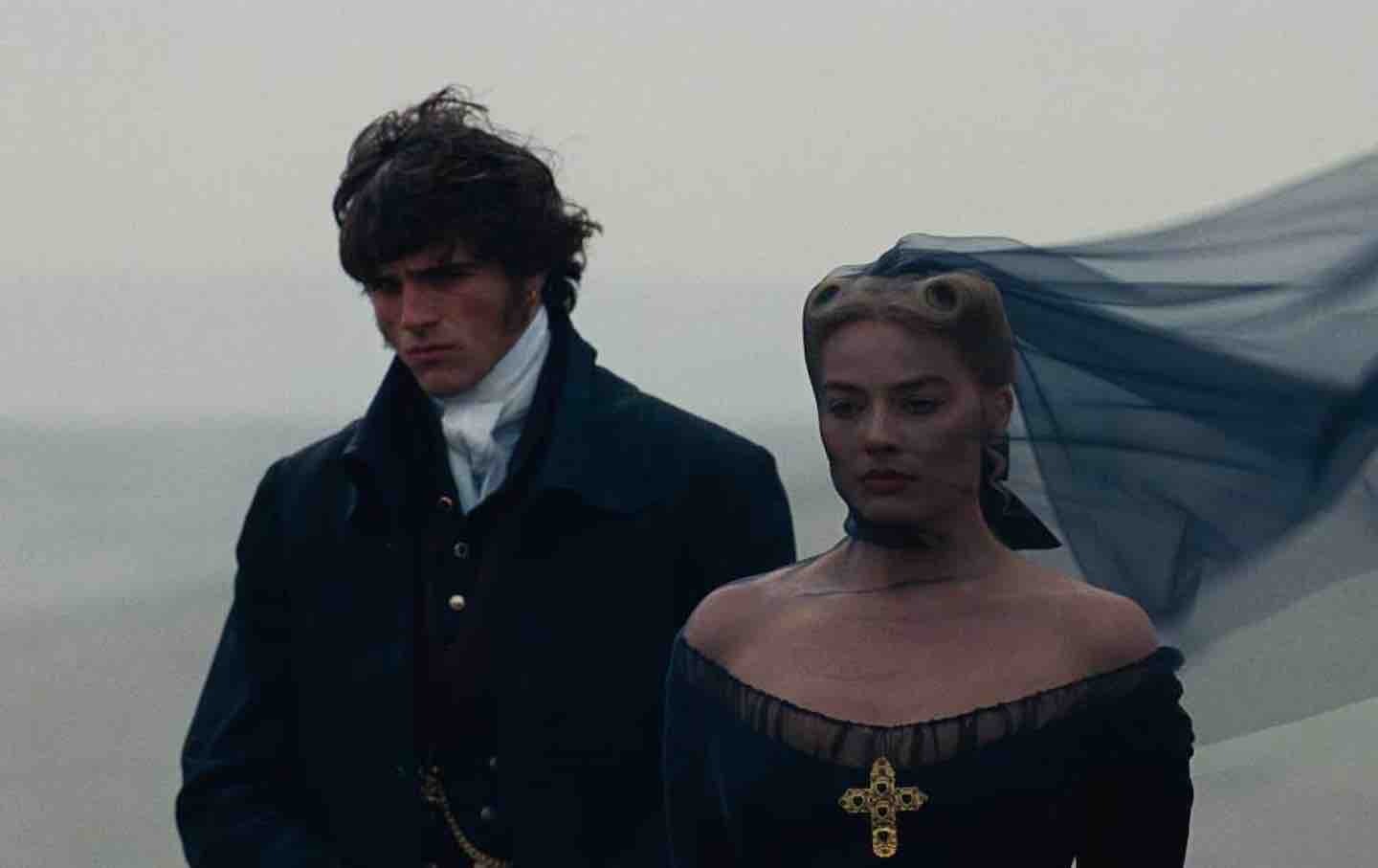
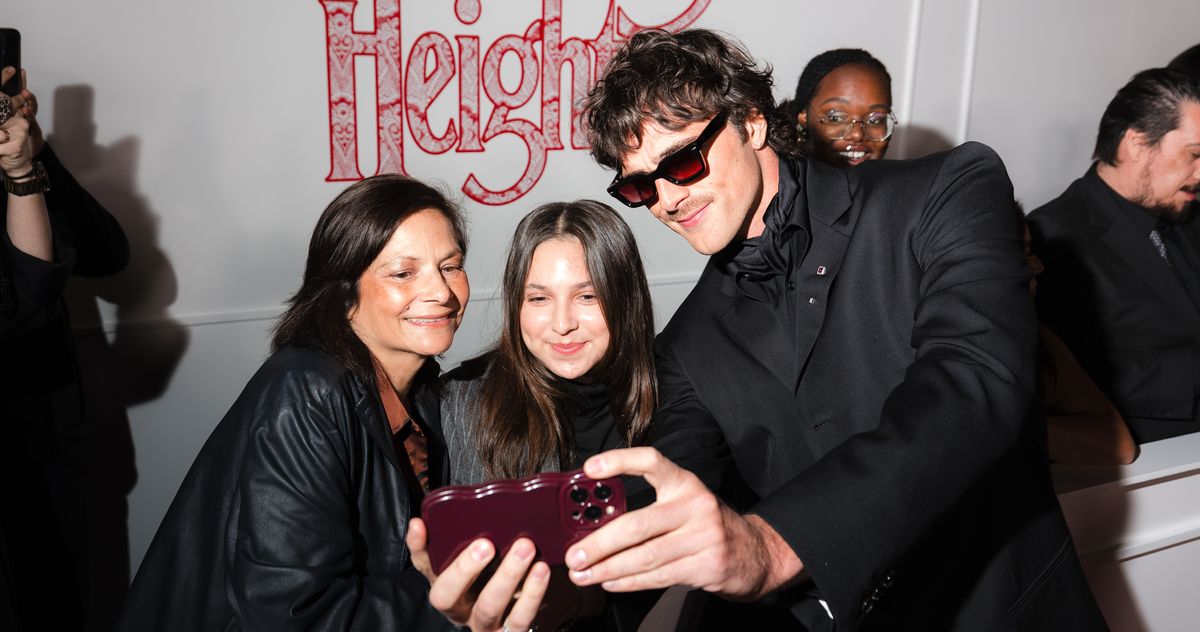
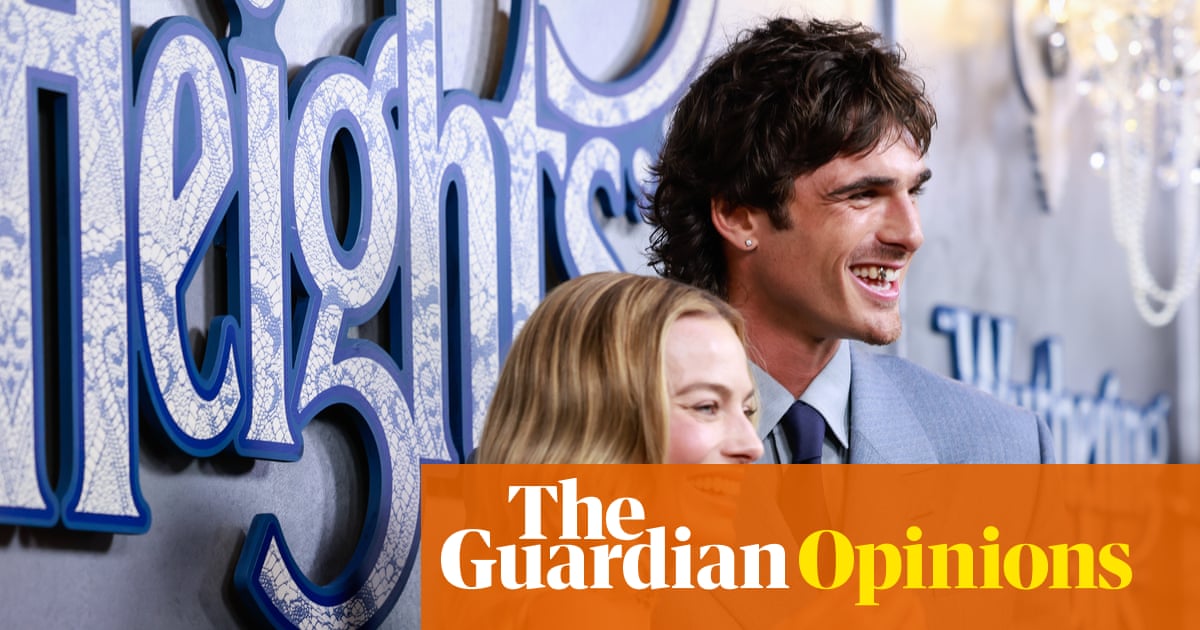
"Hurlevent": Is that like when you watch 28 Years Later? Is it some kind of French adjective that's like, "This movie is so emotional you'll cry until you yak"? Even so, why would the cast and crew of the film take photos in front of a random word and not, say, the title of the film? These questions, while well-intentioned, proved very stupid: