#rsf-atrocities
#rsf-atrocities
[ follow ]
#press-freedom #journalism #human-rights #myanmar #internet-censorship #russia #censorship #iran #military-junta

#myanmar
World politics
fromwww.theguardian.com
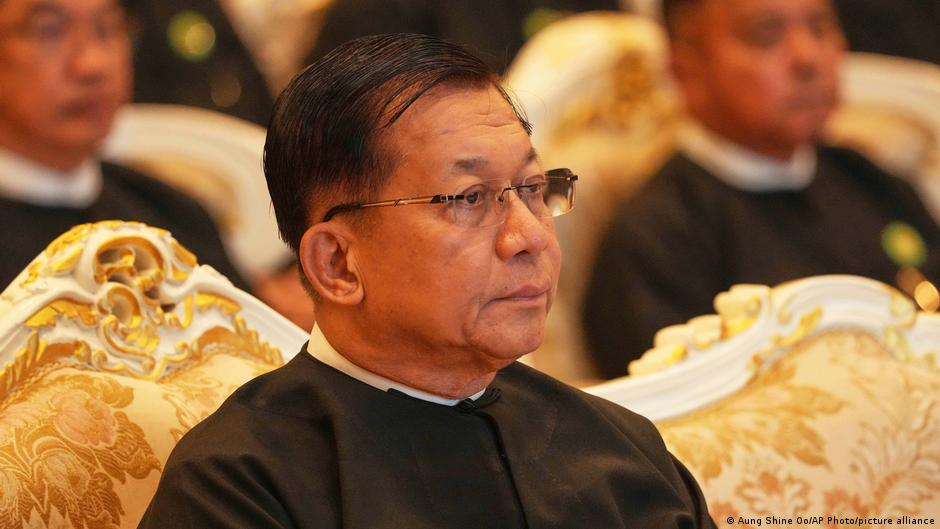
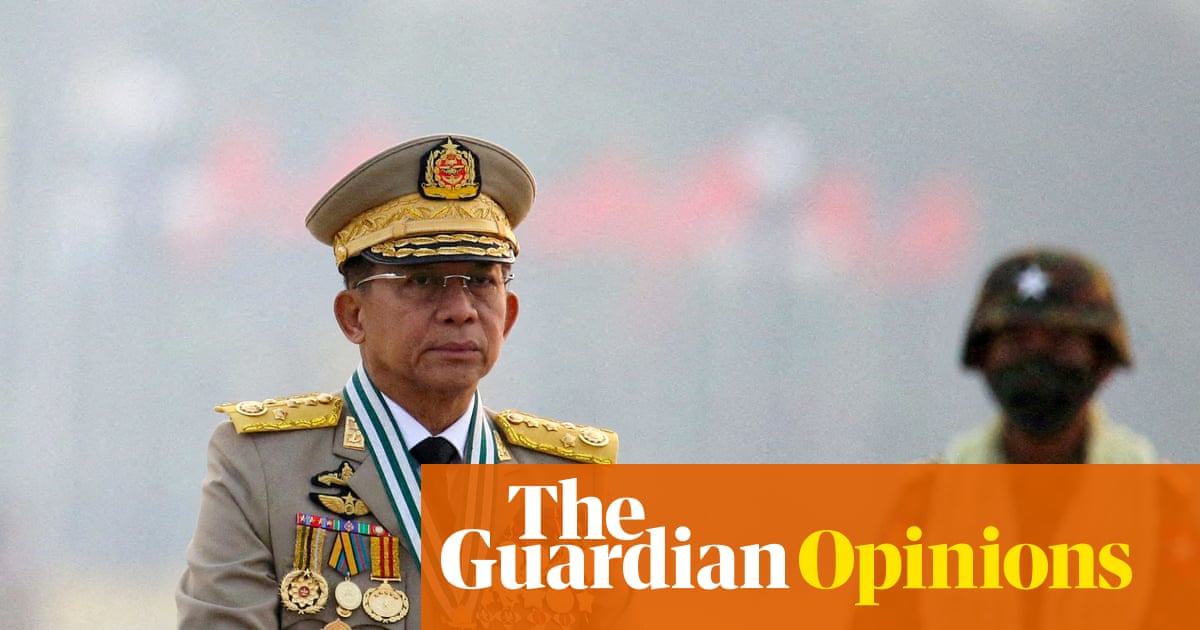
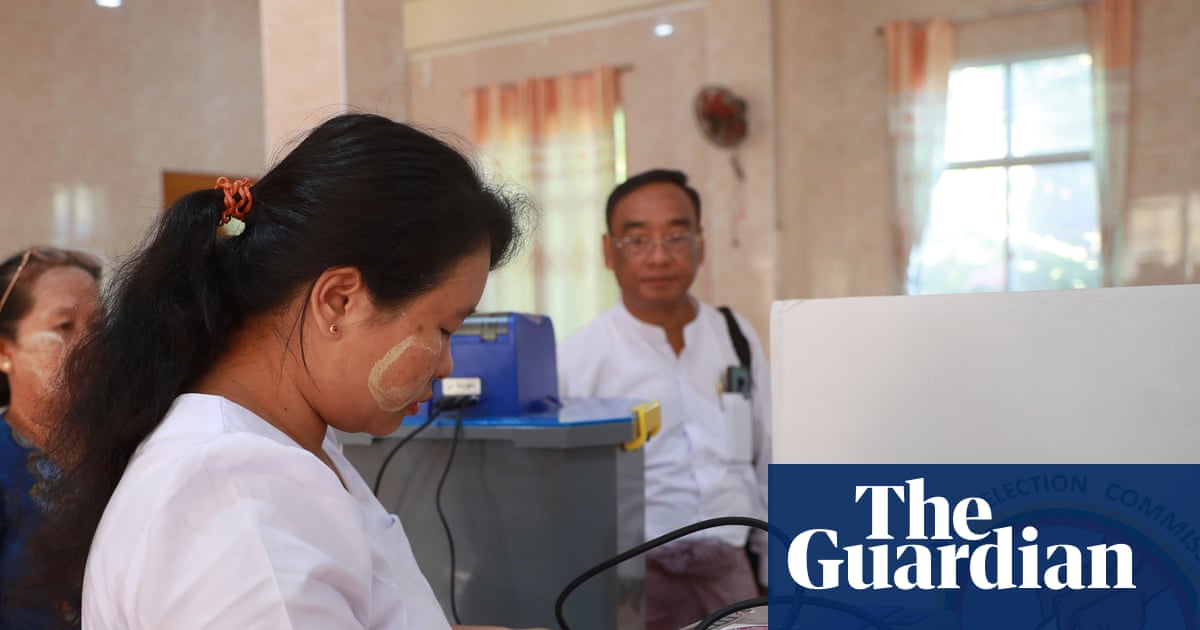
6 days agoThe Guardian view on Myanmar's forgotten war: the military cosplay democracy but people demand the real thing | Editorial
China's support for Myanmar's junta highlights the ongoing struggle for democracy amid military control and widespread violence against civilians.


#journalism



US politics
fromNonprofit Quarterly | Civic News. Empowering Nonprofits. Advancing Justice.
1 week agoThe ICE Detention of Colombian Journalist Fuels Press Freedom Concerns | Nonprofit Quarterly | Civic News. Empowering Nonprofits. Advancing Justice.
Estefany Rodríguez was arrested by ICE in a targeted operation, raising concerns about press freedom and First Amendment rights.


fromwww.theguardian.com
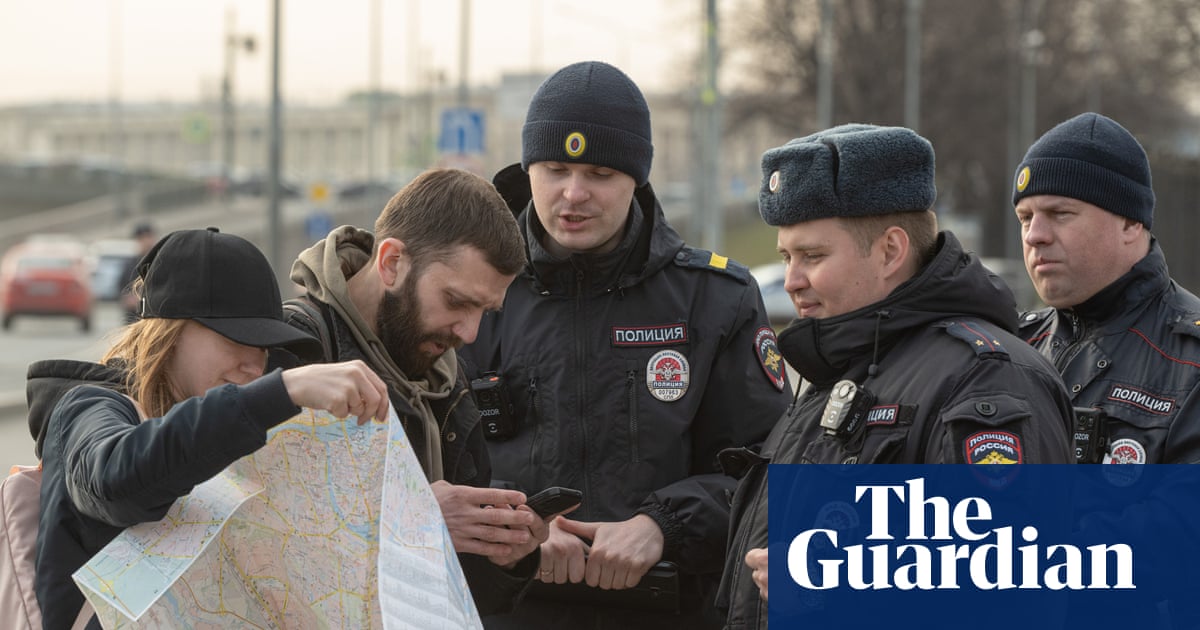
1 week agoHungary charges journalist following claims minister was in touch with Moscow
The Hungarian government has filed charges against one of the country's most prominent investigative journalists, accusing him of spying for Ukraine, as officials grapple with the fallout of allegations that Budapest shared confidential EU information with Moscow.
Europe politics
Miscellaneous
fromenglish.elpais.com
4 weeks ago'Cover-Up': A reporter against the impunity of power and the horror of war
Seymour Hersh, an 88-year-old investigative journalist with six decades of experience, has exposed major government abuses including the My Lai massacre, Abu Ghraib prison abuses, and alleged CIA pipeline sabotage, now featured in the Netflix documentary Cover-Up.
Media industry
fromwww.mediaite.com
3 weeks agoCNN Reporter Responds to Criticism of Reporting From Iran With Gov's Approval: Always Better To Be On the Ground' Even With Restrictions
CNN correspondent Frederik Pleitgen defended reporting from Iran with government approval, arguing that on-ground reporting is valuable despite restrictions and political criticism.


fromNieman Lab
3 weeks agoIran's divided media landscape makes getting information during wartime even harder
Iran's media landscape is divided between outlets closely affiliated with the state and those considered reformist. State-aligned outlets include organizations such as Islamic Republic of Iran Broadcasting (IRIB), Tasnim, Fars News, and Mehr News. These conservative outlets often promote narratives that support Iran's ruling clerical establishment.
World news
World news
fromwww.theguardian.com
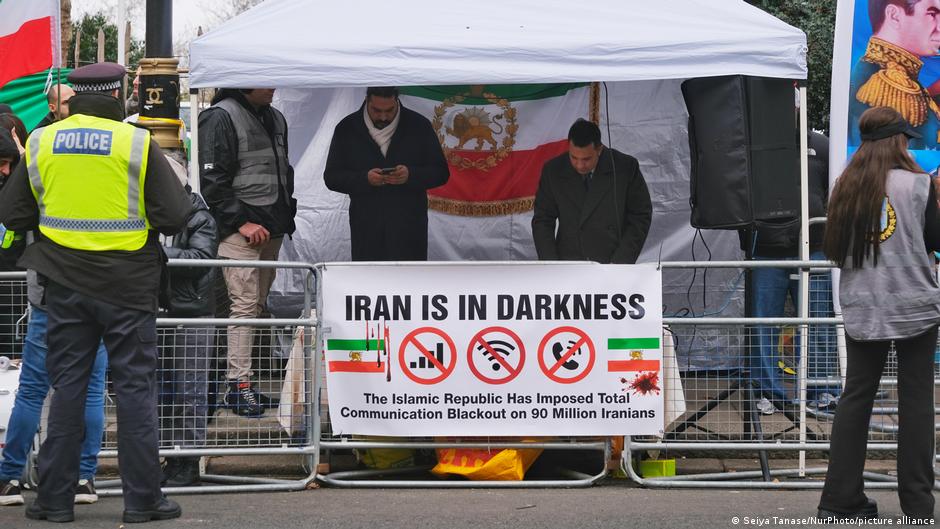
4 weeks agoIran's internet blackout could worsen human toll of war, say rights groups
Iran's internet shutdown during US-Israeli airstrikes prevents civilians from accessing critical information about bombing locations, affected medical facilities, and evacuation warnings, worsening humanitarian consequences.
Information security
fromDataBreaches.Net
2 months agoReminder: Survey on threats experienced by journalists and security researchers - DataBreaches.Net
Security researchers and journalists are asked to complete and share a survey on legal and violent threats they have experienced; responses accepted until January 28.
Social justice
fromPinkNews | Latest lesbian, gay, bi and trans news | LGBTQ+ news
2 months agoHuman rights organisation ordered to shut down days before election
Uganda suspended Chapter Four Uganda's operating permit and ordered its shutdown days before a contested election, citing alleged security-related violations.
fromwww.dw.com
1 month agoGermany logs rising rate of crimes against journalists
Figures released by the Interior Ministry showed that a total of 818 crimes targeting "media" were registered with the BKA, Germany's federal investigative police force, between April 1, 2024 and November 30, 2025. That averages out at roughly 41 cases per month over a 20-month period, and compares to 290 crimes, for an average of roughly 24 per month, in the calendar year 2023. The increase equates to roughly 71%.
Miscellaneous

Miscellaneous
fromwww.theguardian.com
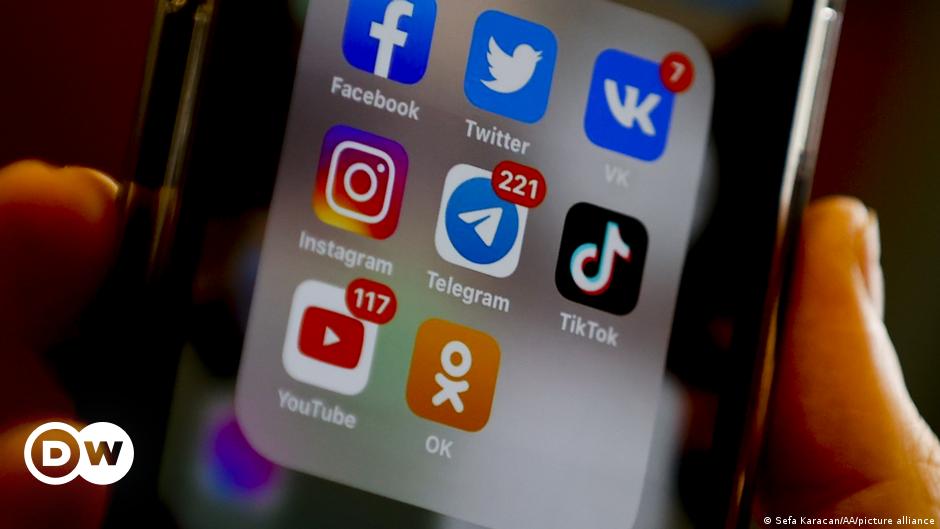
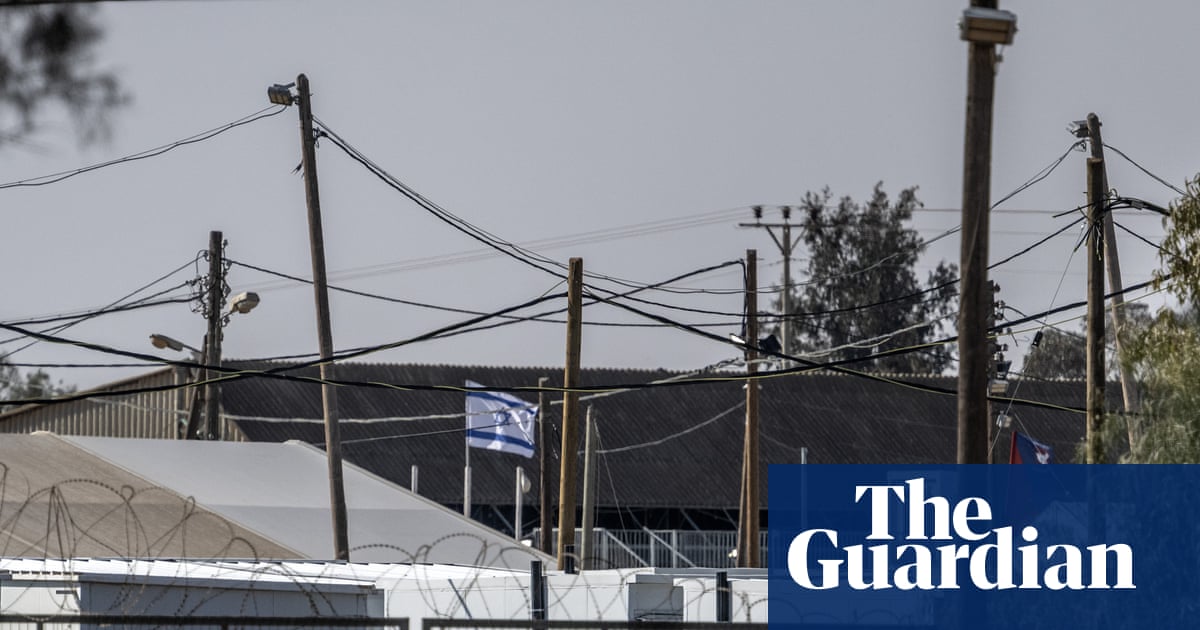
1 month agoRussian crackdown on Telegram app prompts rare criticism from soldiers, pro-war bloggers and officials
Russia's planned slowdown of Telegram threatens military communications and civil freedoms while promoting a state-backed super-app and seeking a more controllable, sovereign internet.

fromwww.aljazeera.com
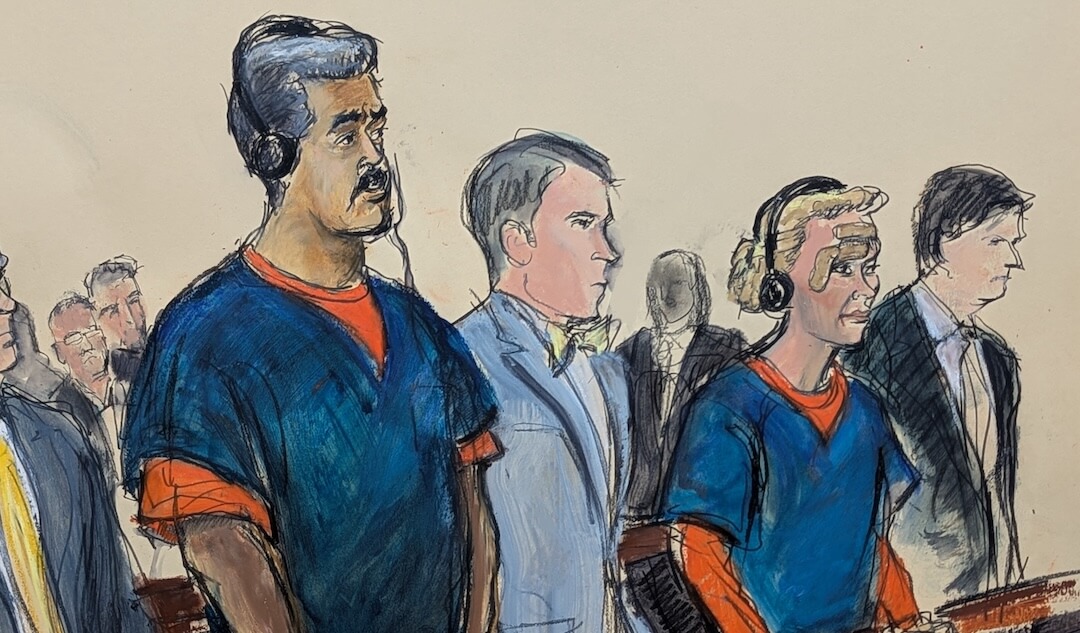
2 months agoChina carries out further executions of Myanmar scam centre suspects
The group had established industrial parks in Myanmar's Kokang region bordering China, from where they allegedly ran gambling and telecom scam operations involving abductions, extortion, forced prostitution, and drug manufacturing and trafficking. They defrauded victims of more than 29 billion yuan ($4.2bn) and caused the deaths of six Chinese citizens and injuries to others, the court said. The defendants appealed the verdict, but the Guangdong Provincial High People's Court dismissed their applications, it added.
World news
fromwww.nytimes.com
2 months agoVideo: A Times Reporter Goes Inside a Cyberscam Center in a War Zone
Hannah Beech, a New York Times reporter, gained rare access to one of Myanmar's notorious cyberscam centers to see how Chinese criminals have been targeting Americans in the middle of a war zone. Holy moly. Look at these phones. The floor is just littered with SIM cards. We're in Myanmar. Only weeks after rebel fighters took control of a cyberscam center near the border with Thailand.
World news
World news
fromLondon Business News | Londonlovesbusiness.com
2 months agoPutin is abusing INTERPOL to 'pursue critics' such as journalists and those connected to Ukraine - London Business News | Londonlovesbusiness.com
INTERPOL is being exploited by Russia to pursue critics, journalists, activists, and others internationally, undermining protections against political persecution and neutral legal mechanisms.
fromwww.aljazeera.com
2 months agoWhy The Gambia wants Myanmar punished for Rohingya genocide
The Gambia's landmark case, accusing Myanmar of committing genocide against its mostly Muslim Rohingya minority, began in the International Court of Justice (ICJ) this week. The Gambia's attorney general and justice minister, Dawda A Jallow, told ICJ judges on Monday that the Rohingya were targeted for destruction by Myanmar's government, as the case's final hearing opened nearly a decade after the country's military launched an offensive that forced some 750,000 Rohingya from their homes, mostly into neighbouring Bangladesh.
World news
fromNature
1 month ago'I was nearly arrested': escaping Myanmar's military leadership for a PhD abroad
On 1 February 2021, Myanmar's democratically elected government was overthrown in a military coup. There were mass protests against the military seizing power and many people were arrested for criticizing the new leadership. Frequent military airstrikes killed civilians and destroyed schools, hospitals and places of worship. According to the UK government, nearly 20 million people in Myanmar now need humanitarian aid.
World news
fromwww.theguardian.com
2 months agoChina executes 11 people linked to Myanmar scam operation
Scam compounds have flourished in Myanmar's lawless borderlands, part of a multibillion-dollar illicit industry. The centres are typically staffed by foreigners including many Chinese with many saying they were trafficked and forced to swindle people online. Beijing has stepped up cooperation with Southeast Asian nations in recent years to crack down on the compounds, and thousands of people have been repatriated to China.
World news
[ Load more ]